Television thrives on familiarity. Week after week, audiences return not just for the storylines, but for the characters who begin to feel like “family.” This is why casting matters so much, as actors don’t just play roles, but become inseparable from them. So when a major role suddenly comes back with a completely different actor and no explanation, it can feel jarring. With no buildup, no acknowledgment, or in-universe explanation, a new face stepping into an old identity just feels odd.
Yet, some TV shows lean into that disruption, choosing not to justify the change at all. They simply move forward, trusting audiences to adapt or ignore the difference. It’s a creative decision that can feel either confident or careless, depending on execution. Regardless, it always sparks conversation. Here are ten TV shows that made major recasting decisions and never bothered to explain them.
Aunt Viv in The Fresh Prince of Bel-Air
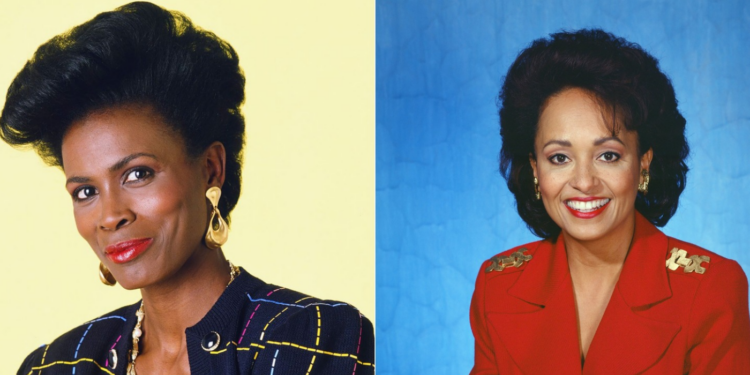
Janet Hubert originally played Vivian Banks, bringing sharp wit, elegance, and authority to the role during the show’s early seasons. Her performance defined Aunt Viv as a strong, memorable presence in the Banks household. However, due to behind-the-scenes tensions, Hubert exited the series and was replaced by Daphne Maxwell Reid starting in season four.
The transition happened without any in-story explanation. One episode ended with Hubert’s version of Aunt Viv, and the next introduced Reid in the same role with a noticeably different demeanor. The show never addressed the change directly, expecting audiences to adjust. Despite the shift, the character remained central, making the recast one of the most talked-about in sitcom history.

Daario Naharis in Game of Thrones

Daario Naharis made his first appearance in season three, portrayed by Ed Skrein as a flamboyant and confident mercenary aligned with Daenerys Targaryen. His distinct look and personality made him stand out immediately. However, by the time the character returned in season four, he looked completely different.
Dutch actor Michiel Huisman stepped into the role, offering a more subdued and grounded interpretation. The show never acknowledged the recast, even though the physical differences between the two actors were striking. Audiences were simply expected to recognize that this was the same character, a decision that sparked confusion before audiences gradually adjusted.
Harriette Winslow in Family Matters
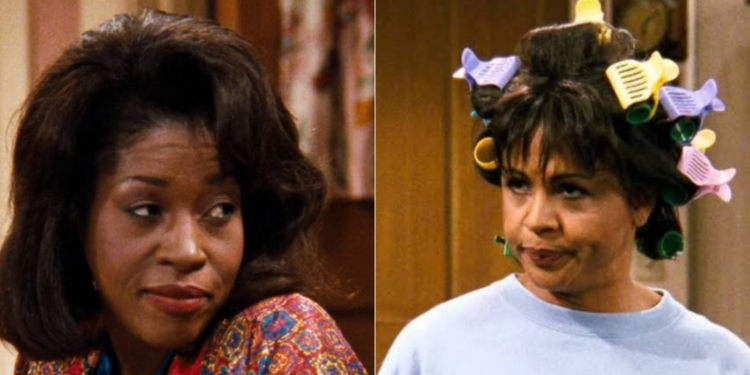
Jo Marie Payton portrayed Harriette Winslow as the heart of the Winslow family for most of Family Matters. Her warm but firm presence anchored the show, especially as it leaned further into comedic chaos. Late in the show’s run, Payton departed the series and was replaced by Judyann Elder.
The switch occurred quietly during the final season. There was no narrative explanation or acknowledgment of the change, even though Harriette was a core character from the very beginning. For longtime fans of the show, the sudden shift stood out, particularly because of how integral Payton had been to the show’s identity.
Becky Conner in Roseanne
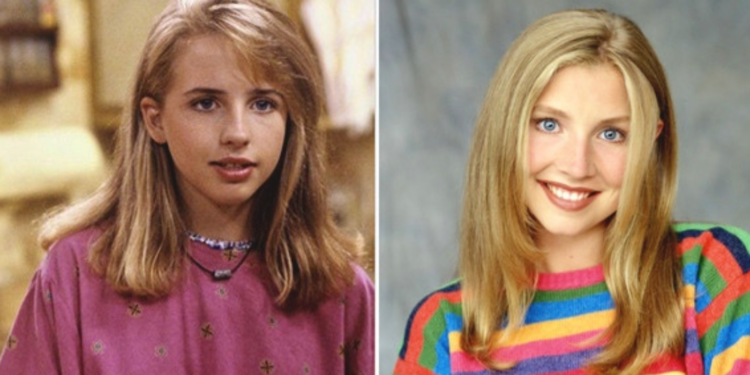
Becky Conner, the eldest daughter in the Conner family in Roseanne, became one of the most unusual recasting cases in television. Lecy Goranson originated the role, but scheduling conflicts led to Sarah Chalke stepping in during later seasons. Over time, the show alternated between the two actresses.
What made this situation unique was the inconsistent way the recast was handled. At times, the show leaned into humor about the switch, but often it simply presented whichever actress was available without explanation. This created a strange viewing experience in which Becky’s appearance changed from episode to episode, yet the storyline continued uninterrupted.
Carol Willick in Friends
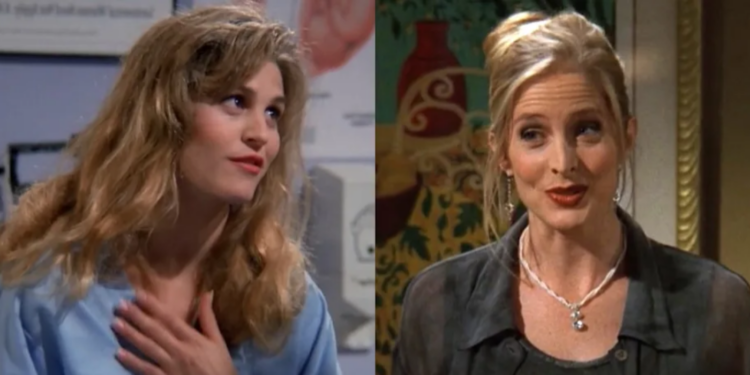
Ross Geller’s ex-wife, Carol Willick, first appeared in the early episodes of Friends, played by Anita Barone. The role was later recast with Jane Sibbett, who became more closely associated with the character as the show progressed.
The transition happened early enough that some viewers barely noticed, but the show still never addressed it. Carol’s personality remained consistent, allowing the recast to blend into the larger narrative. Still, it stands as a clear example of a role being quietly redefined without any in-universe acknowledgment.
Pam’s Mom in The Office
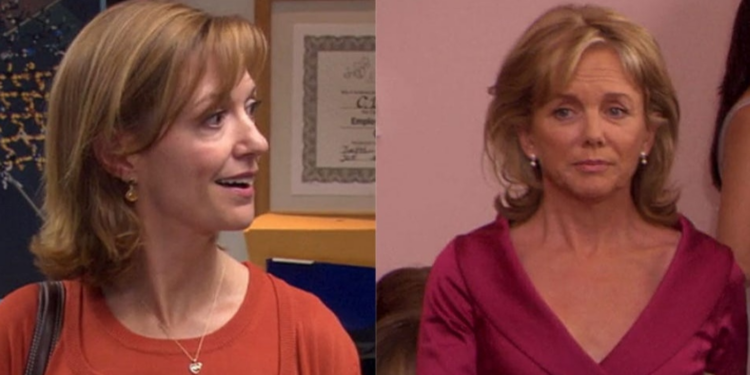
Pam Beesly’s mother appears at different points throughout The Office, but she is portrayed by two actresses (Shannon Cochran & Linda Purl) over time. Early appearances feature one actress, while later episodes, most notably during a key storyline involving Michael Scott, introduce a completely different performer.
Despite the change, the show offers no explanation. The character’s identity remains the same, even as her appearance shifts. Since the role was relatively minor compared to others on the show, the recast flew under the radar for some viewers, though others found it jarring upon closer attention.
Laurie Forman in That ’70s Show
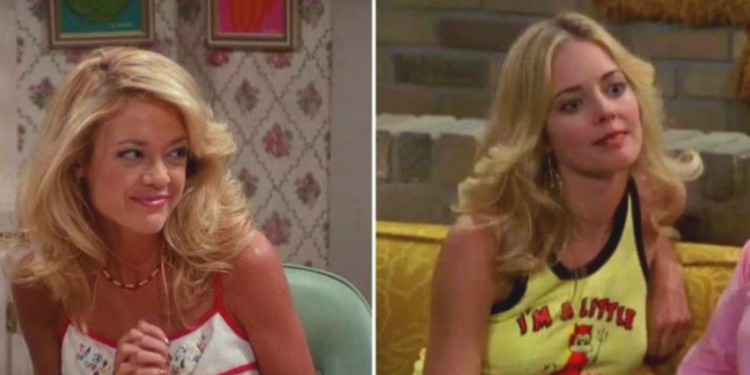
Laurie Forman, Eric’s rebellious older sister, was originally played by Lisa Robin Kelly in That ’70s Show. Her sharp-tongued and unpredictable personality made her a standout character in the early seasons. After Kelly’s departure, Christina Moore took over the role in later episodes.
The show did not provide any explanation for the change. Laurie simply returned, looking and sounding different, while Moore brought a slightly altered interpretation of the character. While Laurie’s essence remained intact, the shift was noticeable enough to leave a lasting impression on fans.
Spartacus in Spartacus
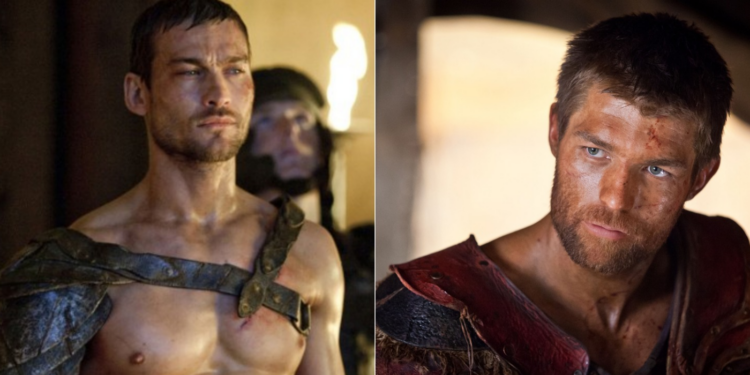
Andy Whitfield’s portrayal of Spartacus in the first season established the character as both fierce and emotionally complex. Following Whitfield’s tragic passing, Liam McIntyre assumed the role in subsequent seasons, continuing the story of the legendary gladiator.
Although the circumstances behind the recast were widely known, the show itself did not address the change within the narrative. Spartacus remained the same character, with no in-story acknowledgment of his new appearance. The transition required audiences to adjust emotionally while remaining immersed in the ongoing storyline.
Mandy Baxter in Last Man Standing
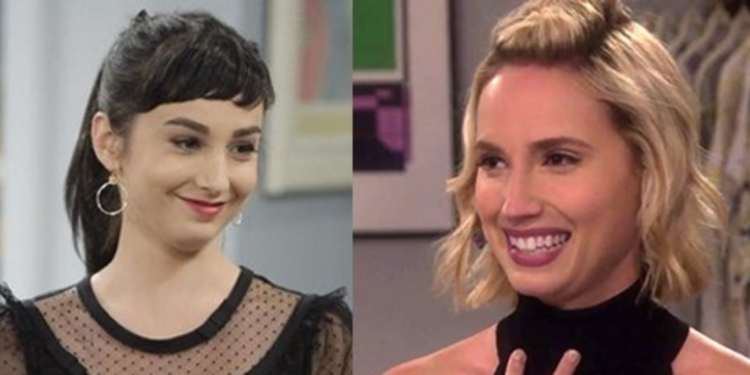
Mandy Baxter, one of Mike Baxter’s daughters in Last Man Standing, was originally played by Molly Ephraim during the show’s initial run. When the series was revived after cancellation, Molly McCook took over the role, bringing a noticeably different energy to the character.
The revival did not explain the on-screen recast. Mandy simply reappeared with a new look and personality nuances, while the show continued as if nothing had changed. For returning viewers, the difference was immediate, highlighting how strongly audiences connect actors to long-running roles.
Darrin Stephens in Bewitched
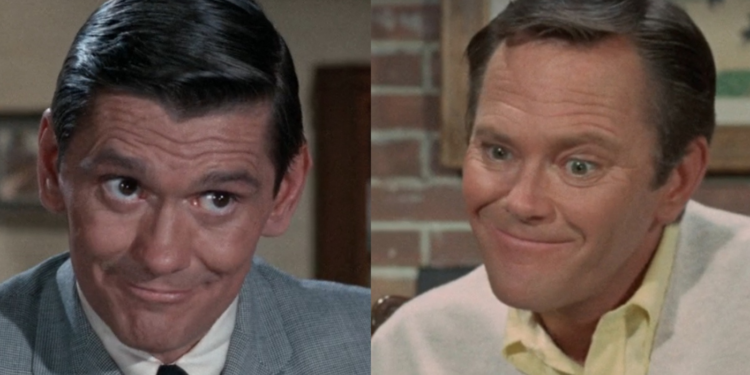
One of the earliest and most iconic examples of an unexplained recast occurred in Bewitched. Actor Dick York originally played Darrin Stephens, Samantha’s mortal husband, before being replaced by Dick Sargent due to health issues. The show never addressed the change, even though the two actors had distinctly different appearances and acting styles. The transition became a defining moment in television history, often cited as the gold standard for seamless, unspoken recasting.
 Follow Us