Kathryn Bigelow approaches filmmaking with the discipline of a documentarian and the instincts of a thriller specialist. Her rise to critical prominence defied convention, emerging at a time when genre filmmaking was rigidly confined. From the outset, she has selected stories rooted in danger, moral ambiguity, and raw human instinct.
While many directors find comfort in a single genre, Bigelow consistently challenges herself by moving between action, war, science fiction, and crime dramas. As a result, that willingness to confront difficult material has defined her legacy. With only one of eleven films panned by critics, here’s a ranking of all Kathryn Bigelow’s films.
11. The Weight of Water (2000)
IMDb: 5.8/10
Rotten Tomatoes: 34%
The Weight of Water stands apart from most of Kathryn Bigelow’s filmography, both stylistically and thematically. Adapted from Anita Shreve’s 1997 novel, the film weaves together a contemporary relationship drama and a historical murder story. Bigelow slows her usually muscular pacing, leaning into mood, landscape, and emotional distance. The result is introspective and visually elegant, but intentionally restrained.
The film starred Catherine McCormack and Sean Penn. Although critics were divided over the film’s muted approach, especially given the director’s reputation for intensity, the movie still reveals Bigelow’s curiosity about memory, guilt, and emotional isolation. While it lacks the urgency of her later work, it remains an important outlier. Ultimately, it shows a filmmaker willing to risk alienating audiences in pursuit of something more internal.
10. Blue Steel (1990)
IMDb: 5.8/10
Rotten Tomatoes: 75%
With Blue Steel, Kathryn Bigelow took on the police thriller and immediately bent it to her will. The film stars Jamie Lee Curtis as a rookie cop whose first day on the job spirals into obsession and violence. Bigelow frames the city as cold and unforgiving, using reflective surfaces and stark lighting to heighten unease. Violence is presented as psychologically damaging rather than empowering.
The film received mixed reviews at the time, but its reputation has improved with age. Blue Steel challenged gender norms within a genre dominated by male perspectives. Curtis’ performance anchors the film’s emotional core, grounding its stylized elements. Today, it feels like an early declaration of Bigelow’s thematic interests.
9. K-19: The Widowmaker (2002)
IMDb: 6.7/10
Rotten Tomatoes: 60%
K-19: The Widowmaker is a tightly controlled historical drama set aboard a malfunctioning Soviet nuclear submarine. Bigelow approaches the story with procedural seriousness, focusing on leadership under impossible pressure. Harrison Ford and Liam Neeson bring gravity to roles shaped by duty rather than heroics. The film’s claustrophobic atmosphere steadily amplifies its tension.
Though not a box-office success, the film earned respect for its technical precision and emotional restraint. Furthermore, Bigelow resists melodrama, allowing the situation itself to carry weight. Over time, K-19 has been reassessed as a solid and disciplined entry in the submarine genre. It marks a transitional point toward her later, more acclaimed political work.
8. Point Break (1991)
IMDb: 7.3/10
Rotten Tomatoes: 68%
Point Break remains one of Kathryn Bigelow’s most influential and entertaining films. On the surface, it’s a high-energy action movie about bank-robbing surfers. Beneath that, it’s a meditation on identity, masculinity, and obsession. The dynamic between Keanu Reeves and Patrick Swayze gives the film unexpected emotional depth.
Initially viewed as stylish genre fare, Point Break has since earned classic status. Additionally, Bigelow’s direction elevates its action sequences, favoring clarity and momentum over chaos. The film’s themes continue to resonate, influencing countless action movies that followed. Few directors could balance adrenaline and introspection so effectively.
7. The Loveless (1981)
IMDb: 6/10
Rotten Tomatoes: 77%
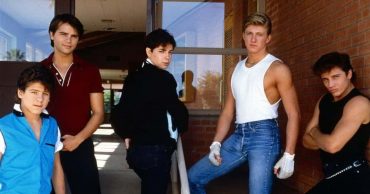
The Loveless was Kathryn Bigelow’s debut feature, which she co-directed with Monty Montgomery. The film announced Bigelow’s visual confidence. The Loveless is a minimalist biker film steeped in 1950s iconography and deliberate pacing. While dialogue is sparse, imagery and atmosphere do most of the storytelling.
The film stars Willem Dafoe in one of his earliest roles. While modest in scale, The Loveless showcased Bigelow’s fascination with subcultures and controlled aggression. Critics noted its style more than its narrative, but that was very much the point. In retrospect, The Loveless felt like a blueprint for her future career.
6. A House of Dynamite (2025)
IMDb: 6.4/10
Rotten Tomatoes: 75%
The Idris Elba and Rebecca Ferguson-led A House of Dynamite marked Kathryn Bigelow’s return to filmmaking after several years away. The film centers on high-level decision-making during a rapidly escalating global crisis. In the movie, Bigelow applies her trademark realism, placing viewers inside rooms where consequences are measured in lives rather than sound bites. The restrained approach reinforces the seriousness of the subject matter.
Critics responded positively to the film’s focus on process and moral responsibility. Furthermore, rather than offering easy resolutions, Bigelow highlights uncertainty and human error. The film fits neatly within her later-career interest in institutional power and accountability. It reinforces her reputation as a director unafraid of politically charged material. However, its ending divided audiences who felt the plot was unresolved.
5. Strange Days (1995)
IMDb: 7.2/10
Rotten Tomatoes: 70%
Strange Days is one of Kathryn Bigelow’s most ambitious films, blending science fiction with noir and social commentary. Set during the final days of the millennium, the film explores voyeurism through technology that allows users to experience recorded memories. Bigelow uses the premise to confront issues of race, violence, and media exploitation. Angela Bassett delivers one of the film’s standout performances.
Although it struggled at the box office upon release, the film’s reputation has grown significantly. Many critics now view it as ahead of its time. Its concerns about surveillance and emotional commodification feel increasingly relevant. Strange Days stands as a cult favorite and a bold creative risk. The film featured its own A-list cast, including Ralph Fiennes, Angela Bassett, Tom Sizemore, and Vincent D’Onofrio.
4. Near Dark (1987)
IMDb: 6.9/10
Rotten Tomatoes: 83%
Near Dark was Kathryn Bigelow’s sophomore feature film. The neo-Western horror reimagines the vampire genre through a gritty American lens. Bigelow strips away romanticism, presenting vampirism as brutal and transient. The film blends horror with Western elements, creating a tone that feels both mythic and grounded. Its nighttime visuals and raw violence set it apart from traditional vampire films. Although initially overlooked, Near Dark has since become a cult classic. Critics and filmmakers alike praise its originality and atmosphere. The film’s influence can be felt across genre cinema. It remains one of Bigelow’s most distinctive early achievements.
3. Detroit (2017)
IMDb: 7.3/10
Rotten Tomatoes: 82%
Detroit is one of Kathryn Bigelow’s most confrontational films. For almost a decade, it was Bigelow’s last directed film. Detroit dramatizes the Algiers Motel incident during the 1967 Detroit uprising with relentless intensity. Bigelow places the audience inside the terror of the moment, refusing to soften its impact. The performances, particularly from John Boyega and Will Poulter, heighten the film’s emotional weight. While critical reaction acknowledged the film’s power, some debated its approach. Bigelow avoids sentimentality, focusing instead on fear and systemic injustice. The film is deliberately difficult to watch. Ultimately, it reflects her belief that cinema can force necessary discomfort.
2. Zero Dark Thirty (2012)
IMDb: 7.4/10
Rotten Tomatoes: 95%
Zero Dark Thirty chronicles the decade-long hunt for Osama bin Laden with procedural rigor. Kathryn Bigelow emphasizes intelligence work over action, presenting the mission as slow, obsessive, and morally complex. Jessica Chastain’s restrained performance anchors the film. The film earned widespread acclaim and multiple award nominations. Additionally, it sparked debate over its portrayal of interrogation practices, underscoring its cultural impact. Bigelow refuses to guide viewers toward simple conclusions. That ambiguity is central to the film’s power.
1. The Hurt Locker (2008)
IMDb: 7.5/10
Rotten Tomatoes: 96%
The Hurt Locker is arguably Kathryn Bigelow’s most critically acclaimed movie. Indeed, it edges past Zero Dark Thirty by a little critical score. It represents the peak of Kathryn Bigelow’s artistic and critical success. The film focuses on a U.S. Army bomb disposal unit in Iraq. Bigelow’s immersive direction places viewers directly inside moments of unbearable tension.
Jeremy Renner delivers a career-defining performance as Sergeant First Class William James. The film won six Academy Awards, including Best Picture and Best Director. Kathryn Bigelow made history as the first woman to win the directing Oscar. Critics praised the film’s realism, pacing, and emotional restraint. It remains one of the most influential war films of the 21st century.
 Follow Us