The Big Bang Theory turned sitcom comfort into a modern money machine, but the cast did not walk away with the same financial outcome. The later seasons created headline salaries, yet the real split came from timing, leverage, and what each actor built outside the show. If you look at the net worth gap inside long running franchises, this is the same pattern repeated. One or two stars convert fame into a business pipeline, while others make strong money but keep a lower profile.
This ranking focuses on estimated net worth today and the reported peak pay structure. In the final seasons, the core leads were widely reported to be earning around $1 million per episode, while later additions and supporting mains earned less but still landed major sitcom money. Below is how the cast stacks up, from lowest to highest, plus what actually drove the numbers.
7. Melissa Rauch
Melissa Rauch is often placed around the mid eight figures, commonly estimated near $20 million, built off her long run as Bernadette and a steady career in film and voice work. Rauch benefited from joining after the show was already a hit, which meant she earned strong per episode pay later, but she did not have the earliest contract leverage. When you see how stars build wealth through longevity rather than ownership, Rauch fits that model.
In the later seasons, she was reportedly in the high six figures per episode range. The bigger driver for her wealth is that she stayed booked, kept her public profile clean, and turned sitcom stability into a durable career. The result is a fortune that is quietly strong, even without the headline making peak of the original core group.
6. Mayim Bialik
Mayim Bialik is often estimated around $25 million, and her wealth story is more diversified than people assume. Bialik entered the series as Amy after already being known, then used the platform to expand into writing, hosting, and a broader media brand. That kind of multi lane career is why entertainment rankings often reward people who build income beyond acting checks.
She was reportedly paid less than the core five during the peak years, but still earned substantial per episode money once her role became central. Post show, Bialik’s stability comes from stacking multiple revenue streams rather than chasing one blockbuster payday, which is a smart way to keep earnings consistent when a mega sitcom ends.
5. Kunal Nayyar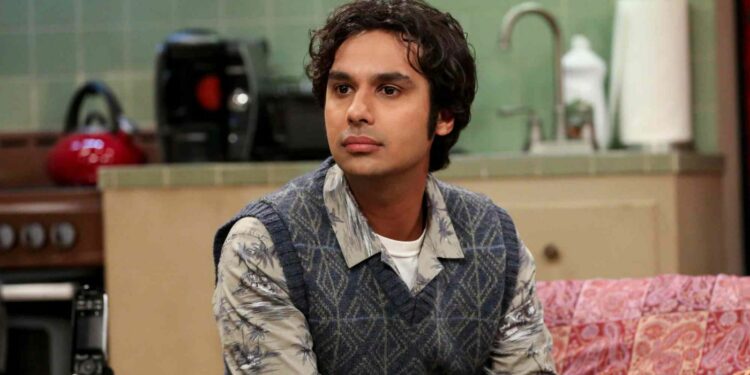
Kunal Nayyar is frequently estimated around $30 million, shaped by his long run as Raj and a steady slate of voice and film projects. In terms of per episode pay, Nayyar was part of the core group that reportedly hit the $1 million per episode range in the final stretch, which is why his baseline wealth remains high even if he avoids constant headlines.
What separates Nayyar from the top tier is not a lack of earnings. It is the absence of a second mega hit that compounds wealth. That is why his fortune looks similar to many franchise heavy performers who remain wealthy through a single landmark role, the same way cast rankings often show a few breakouts and a bigger middle class of millionaires.
4. Simon Helberg
Simon Helberg is commonly placed around $45 million, and his advantage is that he combined the big sitcom check with a strong reputation as a versatile actor. Helberg was another reported member of the $1 million per episode club at the end, which created a massive earnings floor. But the bigger long term value is that he maintained creative credibility, which keeps options open in prestige projects and films.
Helberg’s wealth is a reminder that the real win is not just salary. It is staying employable at a high level after the final episode. If you compare how ensembles evolve across franchises like the cast of a global phenomenon, the performers who can pivot styles tend to keep money flowing longer.
3. Kaley Cuoco
Kaley Cuoco is frequently estimated around $55 million, and her position is powered by two things. First, she was part of the core cast that reportedly earned $1 million per episode in the final seasons. Second, Cuoco stayed aggressively active after the show, building projects where she could take producer level upside, not just actor checks.
Cuoco’s post sitcom strategy is what keeps her near the top. She leveraged mainstream recognition into new series success and used that leverage to secure better deals, which is the same basic principle behind the biggest modern net worth stories. If you can control the project pipeline, your income stops being limited to one role.
2. Jim Parsons
Jim Parsons is often estimated around $160 million, making him one of the clear financial winners of the franchise. Parsons was the face of Sheldon, and that status translated into peak pay, awards driven leverage, and long term career value. He was also part of the reported $1 million per episode group late in the run, but his wealth expanded because he kept a strong presence in film, theatre, producing, and voice work.
The key idea is that Parsons did not just earn. He positioned himself as a prestige brand. That creates opportunities in a way that regular sitcom fame does not. If you look at entertainment economy examples like Joe Rogan, the same principle applies. When you become the product and the brand, your earnings scale beyond the job.
1. Johnny Galecki
Johnny Galecki is commonly estimated around $100 million, and he often ranks at or near the top depending on the source because his career included major success before this sitcom and strong investment decisions after. Galecki also reportedly earned $1 million per episode in the final seasons, and he benefitted from a long run as Leonard that made him central to the show’s global syndication value.
Galecki’s edge is that he played the long game. He kept his profile controlled, avoided expensive public mistakes, and built wealth that appears to be tied to smart asset management as much as Hollywood paychecks. That is why his outcome looks like the strongest version of sitcom wealth, similar to what people notice when they compare high earning ecosystems across different genres and cast dynamics.
 Follow Us