Ann Blyth, the Oscar-nominated Hollywood actress best remembered for playing Veda Pierce in Mildred Pierce, died at 98 after one of the most unusual careers of the classic studio era. Her death marked the loss of one of the last major links to Old Hollywood, a performer who became famous as a teenager, earned Academy Award recognition before she turned 18, moved through musicals and melodramas, then stepped away from film while still young enough to have continued for decades.
For many classic-film fans, Blyth will always be Joan Crawford’s vicious screen daughter, the spoiled and manipulative Veda whose cruelty helped make Mildred Pierce one of the great melodramas of the 1940s. But her career was not built on villainy alone. She was also a trained singer, a musical performer, a television guest star, and a performer whose beauty often hid the sharpness and control she could bring to a role.
Who Was Ann Blyth?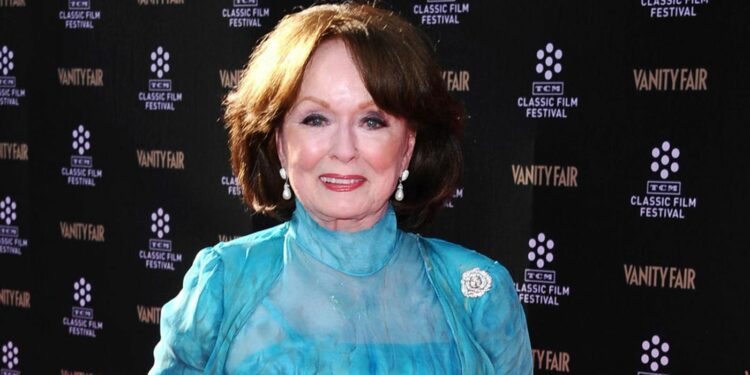
Ann Blyth was born in Mount Kisco, New York, and entered entertainment young, first through singing and stage work before becoming part of Hollywood’s studio system. She signed with Universal as a teenager and appeared in light musicals before landing the role that changed her career. At a time when many young actresses were pushed into sweet, decorative parts, Blyth proved she could play darkness with startling confidence.
That darkness arrived through Mildred Pierce. Blyth played Veda, the ambitious, selfish, socially hungry daughter of Mildred Pierce, played by Joan Crawford. The performance was shocking because Blyth was still so young, yet she gave Veda a poisonous composure that made the character unforgettable. She did not play Veda as a noisy brat. She played her as someone who understood exactly how to wound her mother.
Her Oscar nomination made her one of the youngest acting nominees of her era and placed her inside Hollywood history permanently. Even though she later became known for musicals and softer roles, Veda remained the part that proved her dramatic power. It showed that Blyth could be beautiful, polished, and absolutely ruthless on screen.
| Ann Blyth at a Glance | Details |
|---|---|
| Full Name | Ann Marie Blyth |
| Age | 98 |
| Best Known For | Playing Veda Pierce in Mildred Pierce |
| Oscar-Nominated Role | Veda Pierce, the manipulative daughter in Mildred Pierce |
| Major Films | Mildred Pierce, The Great Caruso, Kismet, The Helen Morgan Story, Our Very Own |
| Major TV Work | The Twilight Zone, Murder, She Wrote, Quincy, M.E., Wagon Train |
| Signature Strength | Classic Hollywood poise, dramatic control, musical ability, and emotional precision |
| Legacy | An Oscar-nominated Golden Age actress remembered for one of classic cinema’s most unforgettable daughter roles |

Why Mildred Pierce Made Her Unforgettable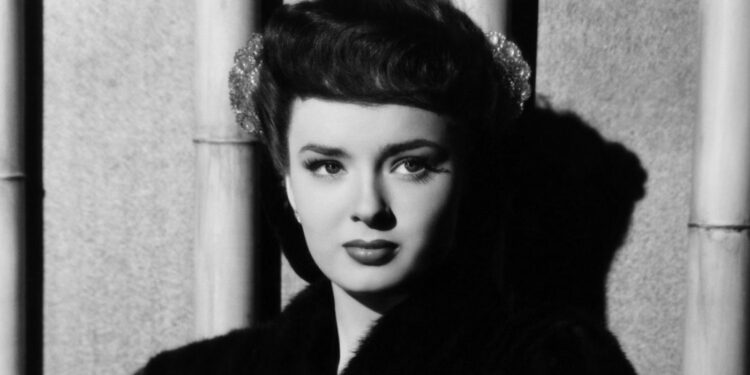
Mildred Pierce made Ann Blyth unforgettable because Veda Pierce is one of classic Hollywood’s great nightmare children. The film is driven by Mildred’s ambition, sacrifice, and desperate love for her daughter, but Veda poisons that love with entitlement and contempt. Blyth made the character terrifying because she did not need melodramatic excess. Veda’s cruelty came through her voice, posture, stare, and cold refusal to be grateful.
Her chemistry with Joan Crawford gave the film its emotional violence. Crawford played Mildred as a woman working herself into exhaustion for a daughter who keeps demanding more, while Blyth played Veda as someone who sees that devotion as weakness. Their scenes cut because the conflict is not just mother versus daughter. It is love versus class hunger, sacrifice versus shame, and maternal devotion versus emotional exploitation.
The role could have trapped Blyth as a villain, but it instead proved her range. She was only a teenager, yet she held her own opposite one of Hollywood’s strongest stars in a film that won Crawford her Academy Award. Even now, Veda remains the first role many viewers mention when they talk about Blyth. It is the kind of performance that survives because it still feels cruel, fresh, and sharply observed.
The Musical Career That Showed Another Side of Her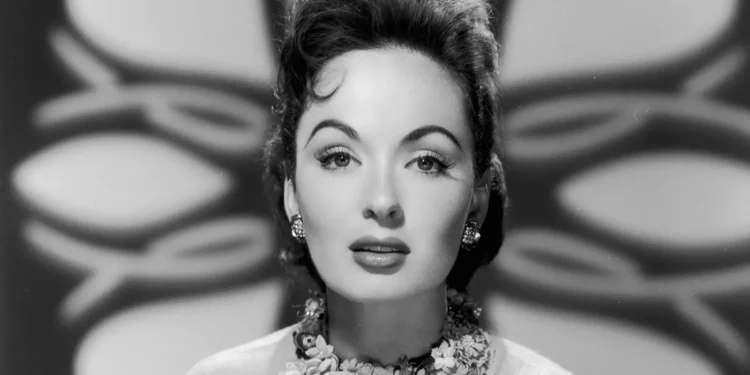
After Mildred Pierce, Ann Blyth moved into a different lane, using her singing voice and screen elegance in musicals and romantic dramas. She appeared opposite Mario Lanza in The Great Caruso, one of her most commercially visible musical roles, and later starred in films such as Kismet and The Helen Morgan Story. That shift showed how different her career could have looked if Veda had not become so iconic.
Her musical work mattered because it softened the public image created by Mildred Pierce. Audiences who knew her only as Veda saw a performer with grace, warmth, and classical control. Blyth had a screen presence that fit the studio musical era: poised, expressive, carefully framed, and emotionally clear. She did not have to dominate every scene to hold attention.
Then, unusually, she left film stardom early. By the late 1950s, her movie career had largely slowed, and she later focused more on family, stage appearances, and selected television work. That decision helped make her career feel almost frozen in classic Hollywood amber. She did not become overexposed, and she did not spend decades trying to outrun her most famous role. She simply remained connected to it while living beyond it.
Why Ann Blyth’s Legacy Will Last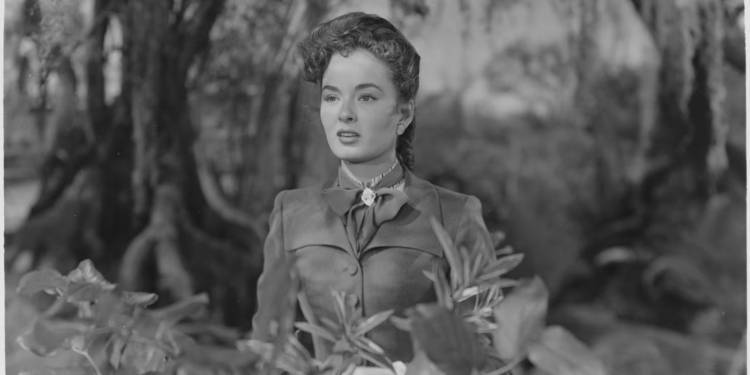
Ann Blyth’s legacy will last because Veda Pierce remains one of the most memorable supporting characters in classic American cinema. Plenty of performers from the studio era were beautiful, talented, and disciplined, but Blyth had one role that cut through time. Veda still feels modern because her cruelty is psychological rather than theatrical. She understands image, status, manipulation, and emotional leverage in a way that still feels recognizable.
Her career also reflects a very specific Hollywood path. She was a teenage star, an Oscar nominee, a musical lead, a television guest performer, and then a figure who stepped away before the industry could define every decade of her life. That restraint gave her screen legacy a rare clarity. She is remembered for a handful of strong impressions rather than a long career diluted by repetition.
Remembering Ann Blyth means remembering an actress who made one classic role permanent. In Mildred Pierce, she gave Joan Crawford’s suffering mother the perfect opposite: a daughter polished enough to charm the world and cruel enough to destroy the person who loved her most. That performance alone would have secured her place in film history. Everything else only deepened the portrait of a graceful, gifted Golden Age star whose work still has teeth.
 Follow Us