The Super Bowl Halftime Show is one of the most-watched musical stages in the world. The show attracts hundreds of millions of viewers, forever cementing performers into pop-culture history. For musical artists, it’s a chance to showcase their music to an audience unparalleled in size. Yet, despite the prestige, many musicians have declined the opportunity to take that stage. Their reasons range from artistic principles and social activism to personal priorities and creative concerns.
In some cases, artists simply didn’t feel the event was a good fit for their careers, either creatively or philosophically. Understanding why these decisions were made offers a fascinating glimpse into how entertainers view their art, their audience, and their values. Here’s a look at some of the most famous musical artists who turned down the opportunity to perform at the Super Bowl Halftime Show, and the stories behind those choices.
Adele
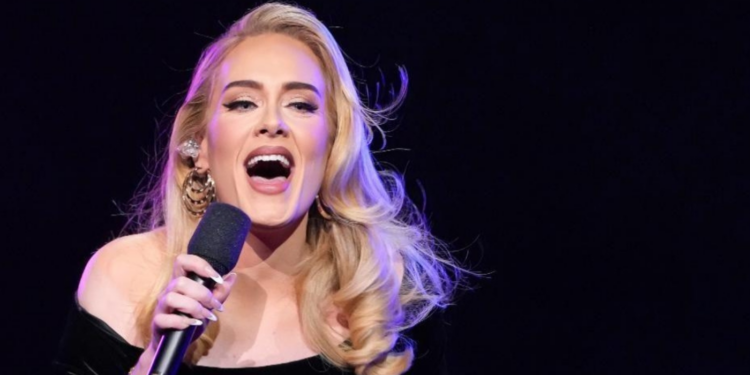
British powerhouse Adele is one of the most acclaimed vocalists of her generation, yet she famously turned down a chance to headline the 2017 Super Bowl Halftime Show. During a 2016 concert in Los Angeles, she addressed fans directly, explaining that she didn’t feel the Halftime Show was truly about music and that she wouldn’t be comfortable in the high-spectacle environment. Adele joked that she “can’t dance or anything like that” and simply didn’t think the spectacle matched her strengths as an artist. That year, Lady Gaga headlined the show at the LI Super Bowl at the NRG Stadium, Houston, Texas.
However, the NFL and sponsor Pepsi later issued a joint statement saying they had never formally extended an offer. While it contradicts Adele’s statement, the 16 Grammy-winning English singer-songwriter seems too big to have fabricated such a request. Maybe it wasn’t official, but the offer was most likely presented to her. Adele’s comments resonated widely, highlighting a rare instance in which an artist publicly questioned the nature of the platform itself. Despite her reluctance, Adele’s global popularity has only grown, and she has continued to focus on her albums, tours, and deeply personal musical presentations.

Backstreet Boys
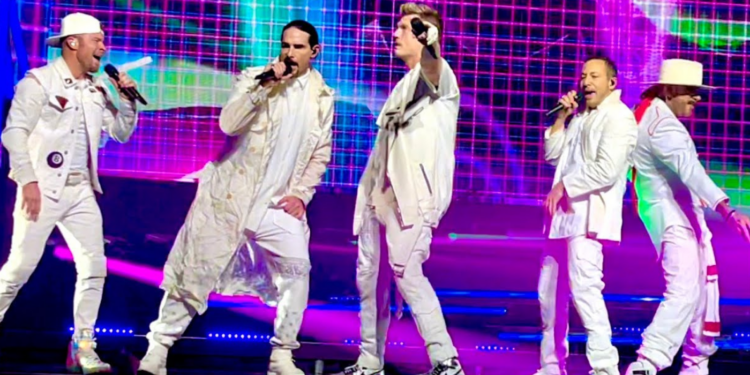
At the height of their popularity in the late 1990s and early 2000s, the Backstreet Boys were reportedly approached about performing at the 2001 Super Bowl Halftime Show. At the time, the group was navigating an intense touring schedule, label disputes, and internal pressures that made committing to such a large-scale performance difficult. However, they opted to sing the National Anthem instead, considering it more prestigious.
Industry insiders have suggested that timing played a major role in the decision. The group was already dominating global pop culture and did not see the halftime show as essential to their momentum. While they never publicly framed it as a rejection, the Backstreet Boys’ absence from the halftime stage remains notable given their era-defining success. Aerosmith and NSYNC headlined the Super Bowl XXXV at the Raymond James Stadium in Tampa, Florida.
Cardi B
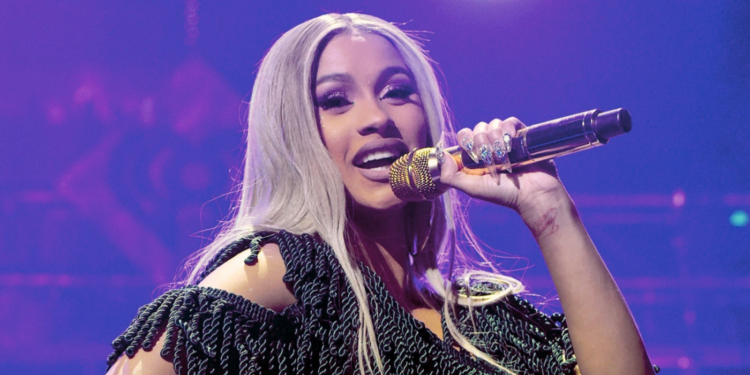
Cardi B’s decision to turn down the Super Bowl Halftime Show in 2019 was one of the most openly political refusals in recent memory. She reportedly declined the offer in solidarity with former NFL quarterback Colin Kaepernick, whose protests against racial injustice sparked widespread controversy and led to his exit from the league.
At the time, Cardi B stated that she felt it was important to support Kaepernick rather than participate in a spectacle tied to the NFL. Her stance drew both praise and criticism, but it reinforced her reputation as an artist unafraid to align her career choices with her values. Her decision resonated with Rihanna’s, who had felt the same way but ultimately headlined the show in 2023. The 2019 LIII Super Bowl was headlined by Maroon 5.
Dolly Parton
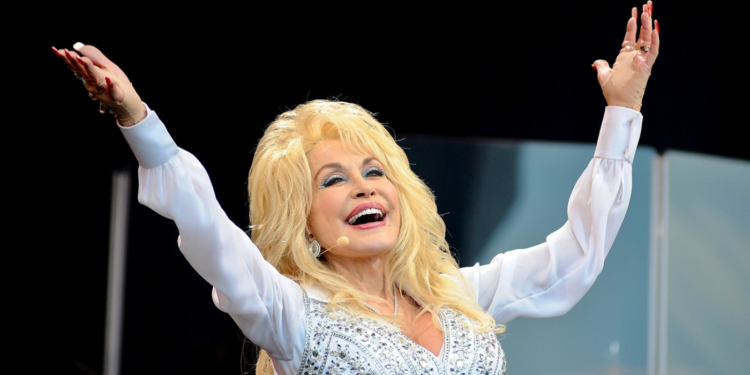
Country music legend Dolly Parton takes a more humble and personal approach to her decision to decline the show. In interviews, Parton acknowledged that she had been offered the Super Bowl Halftime platform multiple times but turned it down because she didn’t feel she was “big enough” or ready for something of that scale.
The Super Bowl show, with its hundreds of millions of viewers and massive set builds, simply wasn’t an environment she felt aligned with her performance style at the time. Parton’s candor offers a rare perspective that not all refusals are rooted in protest or principle. Some are about self-assessment and comfort with the magnitude of the stage itself. Dolly Parton’s decision reflects confidence in her musical identity and priorities.
Jay-Z
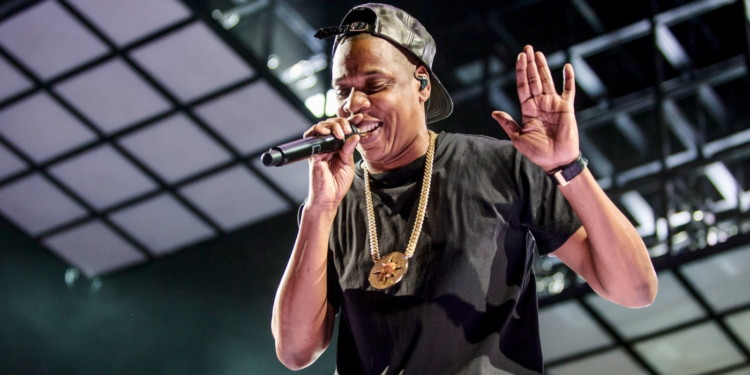
Jay-Z’s relationship with the Super Bowl Halftime Show is unique. While he has never performed during the halftime slot, he turned down opportunities to do so before later partnering with the NFL through Roc Nation in 2019. The partnership positioned him as a producer and strategist rather than a headlining act. However, it’s important to note that he turned down the opportunity to perform at the Super Bowl Halftime Show because he felt disrespected when he was first asked. Whoever reached out to him was probably a fan of the 2009 hit song “Run This Town.”
They had offered him the Halftime slot, with the condition that he bring Kanye West and Rihanna to perform the song at some point. Fans of Jay-Z know he’s not one to take such disrespect lightly, and subsequently turned it down. However, as a producer, his focus was on shaping the broader direction of halftime shows and supporting diverse artists, rather than taking the stage himself. By stepping into a behind-the-scenes role, he reshaped how the halftime show is curated. His decision reflects a strategic shift from performer to power broker within the entertainment industry.
Outkast
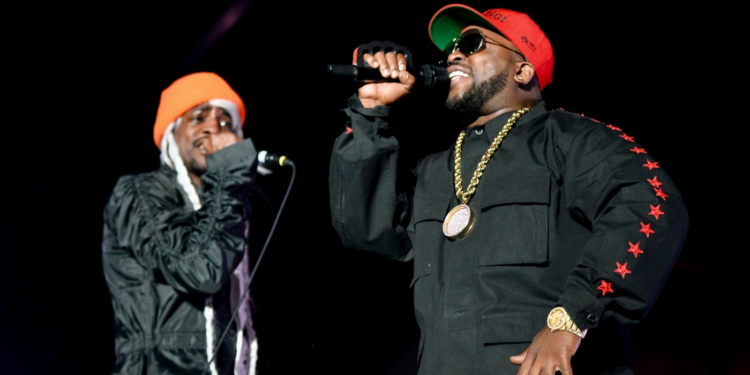
Legendary hip-hop duo Outkast also turned down the Super Bowl spotlight, but for a very different reason. In advance of the 2004 Super Bowl, the NFL reportedly approached the group about performing at halftime. However, Andre 3000 wasn’t willing to compromise on the artistic vision for their set. He didn’t want to shorten their songs to fit the show’s strict performance time limits, and the duo ultimately declined the offer.
Outkast’s music, especially hits like “Hey Ya!” and “The Way You Move,”was crafted for full-length expression, not 12-minute spectacle edits. Rather than deliver a watered-down version of their art, they chose to pass on the opportunity. Big Boi, the other half of Outkast, later performed at the 2019 halftime show. However, André’s artistic standards remain part of the duo’s legacy on the show.
Pink
Pop-rock singer P!nk has a long history with the Super Bowl. She performed the National Anthem in 2018 to wide acclaim, despite being down with the flu. However, she declined the chance to headline the 2019 Super Bowl Halftime Show. In an interview with Billboard, P!nk cited the intense scrutiny performers face as one factor. “Everybody that does it gets so persecuted.”
She explained that she also might have even taken a knee in support of social protests during the show, something she wasn’t comfortable doing under such a spotlight. P!nk’s comments underscored another reality of the Halftime Show. While its exposure is massive, so too is the expectation that performers conform to a certain kind of spectacle. For artists like P!nk, who prize authenticity and expressive freedom, the structured environment of the Halftime Show didn’t seem like the right fit at that time.
Taylor Swift
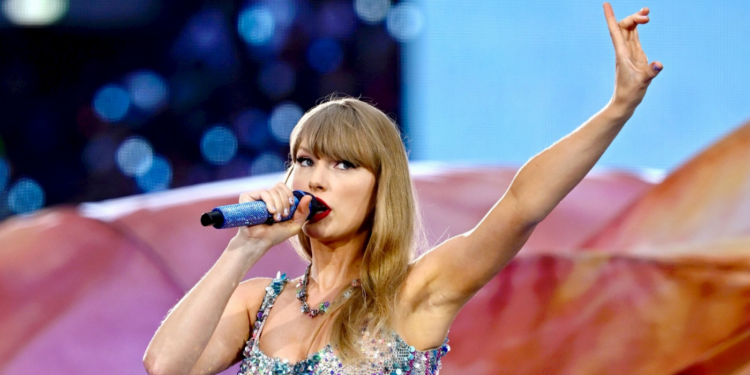
Taylor Swift’s absence from the Super Bowl Halftime Show has often sparked speculation, given her massive fan base and chart dominance. In 2016, reports indicated that she declined the opportunity to focus on her upcoming tour and re-recording of her previous albums. Swift later explained that she prefers to complete an album era before taking on milestone performances. Her careful approach to career planning has kept fans anticipating her eventual halftime debut. By waiting for the right moment, Taylor Swift has maintained control over her narrative and ensured that any future appearance would align with her artistic vision.
 Follow Us