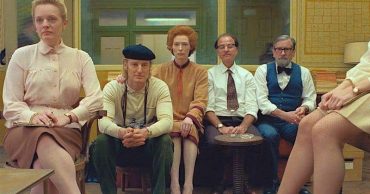
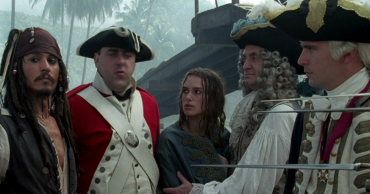
One Battle After Another is the tenth movie by 11-time Oscar nominee Paul Thomas Anderson. Widely considered to be his most commercial movie to date, it is really an amalgamation of all of the genres he has explored before in his prestigious cinematic portfolio. It’s part action, part drama, part thriller, part comedy, and it is shrouded with an anxiety-inducing yet surreal setting that seems to reflect and satirize current realities.
Although this epic film feels like the perfect melding of Paul Thomas Anderson‘s previous works, it also nods to many classic movies the filmmaker was inspired by. In fact, he even listed 5 movies you should watch before checking out One Battle After Another. So, let’s break down the films that inspired PTA when scribing his latest movie.
5. The Searchers (1956)
It’s important to note that Paul Thomas Anderson never explicitly said that these movies influenced him with One Battle After Another. However, he recommended people watch them before watching his movie, suggesting there would be crossovers in style and substance. And with The Searchers, this is fairly obvious. Released in 1956, John Ford‘s classic western tells the story of Ethan Edwards (John Wayne), an American Civil War veteran who embarks on a years-long journey to rescue his niece from the Comanches after the rest of his brother’s family is massacred in a raid on their Texas farm.
Paul Thomas Anderson chose this film for its use of VistaVision, a format rarely used in cinema today. However, PTA decided to get nostalgic and shoot One Battle After Another with high-resolution VistaVision, and then screen the film in VistaVision, Imax 70mm and 4DX. Technical aspects aside, it’s easy to see how PTA drew inspiration from the story, with both films focusing on a young girl in danger and the depths family members will go to protect those they love.

4. The Battle of Algiers (1966)
One Battle After Another has a political undercurrent running through it from the first frame to the last. Since its release, audiences have been trying to dissect exactly when it is set, as the film jumps forward 16 years. Although Anderson hasn’t stated the exact timeframe, many have pointed out its clearcut examination of today’s landscape in the United States. The Battle of Algiers has no such confusion surrounding it.
Released in 1966 and set in the 1950s, Gillo Pontecorvo‘s trailblazing political drama charts the story of escalating fear and violence as the people of Algiers fight for independence from the French government. Both movies depict a revolutionary group employing comparable guerrilla tactics. The violence and ethical difficulties of asymmetrical combat between an insurgent army and an authoritarian government are examined in both films. The Battle of Algiers certainly served as a clear source of inspiration for Anderson, who used its visual DNA to craft a contemporary tale of revolutionary resistance. The main difference, however, is the filming style. One Battle After Another is a large scale movie captured in beautiful 70mm, whereas The Battle of Algiers achieved its realism through a documentary style, neo-realist approach, using black and white cinematography, handheld cameras, and on-location shooting in the actual Casbah of Algiers.
3. The French Connection (1971)
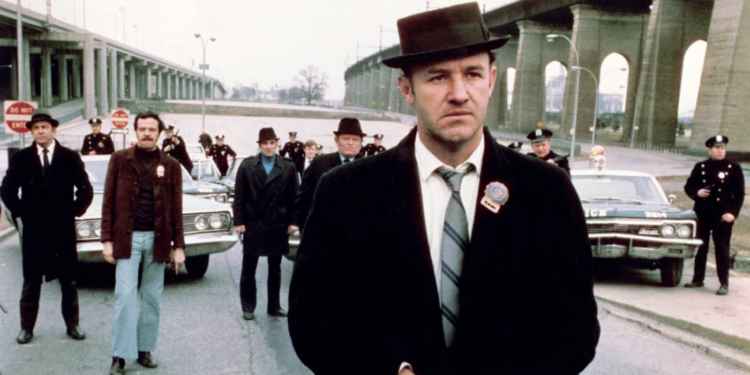
The French Connection was a clear influence for Anderson when making his latest cinematic offering. Most famous for its iconic car chase sequence, William Friedkin‘s cop drama has gone down in history as one of the greatest crime movies ever made. The movie operates on a slow-burn flow until all hell breaks loose, a similar trajectory for One Battle After Another – a more character driven narrative that turns to carnage.
Just as The French Connection made a lasting impression with its dazzling car chase, Paul Thomas Anderson has made his own stamp with his exhilarating take on the trope. Both movies deliver a cat and mouse feel but in ways that weren’t depicted before their release. The French Connection‘s chase scene is frenetic and mammoth in length. PTA’s version is also drawn out but with less assault on the senses, creating a much more realistic but still extremely tense pursuit sequence.
2. Midnight Run (1988)
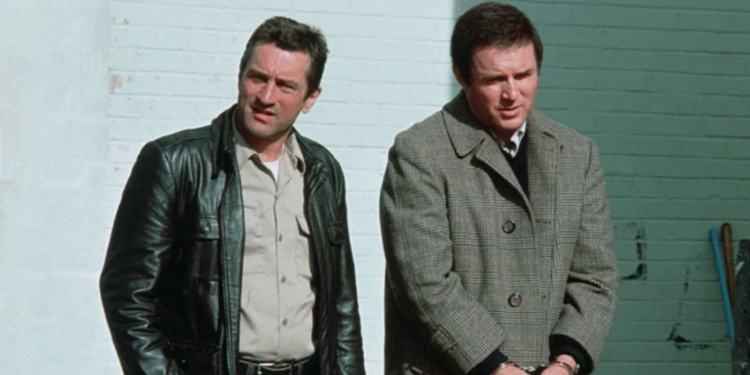
Another sub category of film One Battle After Another falls into is the “road movie”. Where it draws likeness to Midnight Run is with the fact that the road trip isn’t planned and it isn’t fun. It involves people moving from one place to another for a specific reason, all the while being chased by evil wrongdoers and corrupt lawmen.
Midnight Run occupies an interesting space in cinema in that it was largely lauded by critics and is a cult favorite for many fans of the mismatched duo realm. However, it is also somewhat of a hidden gem that’s been overshadowed by other Robert De Niro films of that era. What it does perfectly is balance thriller elements with comedy, something PTA was certainly aiming for with One Battle After Another. If you want a more light-hearted version of PTA’s road movie, look no further and check out Midnight Run. The plot follows a bounty hunter who tracks down a criminal accountant who is being hunted by both the federal government and mobsters hellbent on killing him.
1. Running on Empty (1988)
When Anderson selected his five films, 1988’s Running on Empty felt the most similar in tone, noted for its portrayal of the moral weight of an activist family on the run. Directed by Sidney Lumet, this crime drama focuses on the eldest son of a fugitive family who comes of age and wants to live his own life. However, his desire for more in life, and his spark for love are held back by the realization that he could put the ones he loves in danger.
What both movies revel in is the hefty burden of guilt, taking us on a moral rollercoaster as parents re-evaluate their decisions due to the effects it has on their offspring. While One Battle After Another is more forthright and Running on Empty is much more laid back and melodramatic, the influence is see-through. This forgotten drama deserves its second lease of life granted to it by PTA. It’s packed full of commanding performances, including River Phoenix as Danny Pope, the young man desperate to break free from his family’s secret life in hideout. Phoenix was nominated for Best Supporting Actor at the Oscars for his immersive rendition.
Read Next: Paul Thomas Anderson’s Top 5 Frequent Collaborators
 Follow Us