Bryan Cranston is still widely treated like the guy who “peaked” with Breaking Bad. In most viral debates, his name comes up right after lists of actors who earned the most for a single movie or headline-grabbing franchise stars, as if his legacy begins and ends with Walter White. That read misses just how deliberately his post-series choices have been shaped around range, longevity, and control rather than pure hype. If anything, the years after that finale quietly prove he is one of the most versatile, self-aware performers working today.
The problem is perception. Fans and even some critics flatten his résumé into a simple before-and-after: sitcom dad on Malcolm in the Middle, then antihero king on Breaking Bad, then “smaller” work. But follow Cranston’s career moves from 2013 onward, and a different story emerges. He has blended awards-caliber drama, theatrical work, producing, and voice acting into a career that looks less like a burned-out phenomenon and more like the carefully paced trajectory of someone studying every Oscar-nominated Denzel Washington role and taking notes on how to age into power.
‘Breaking Bad’ Was Never the Whole Story
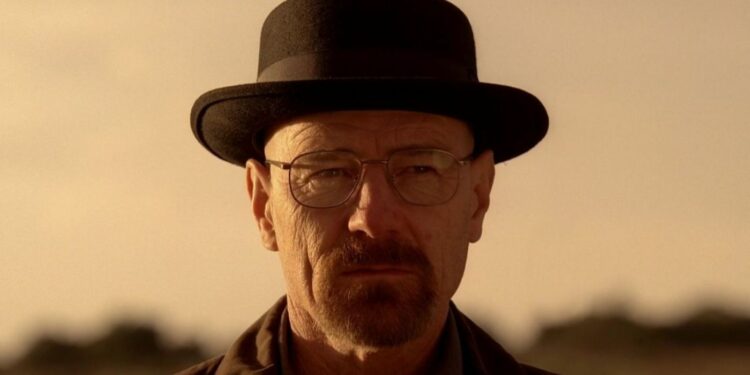
Part of why people underrate the post-White years is because Cranston’s transformation in Breaking Bad was so total it overshadowed everything else. Yet even during that run, he was already bending expectations. His pivot from broad comedy in Malcolm in the Middle to operatic tragedy showed a willingness to destroy his own typecasting. That same instinct drives his later work, but the projects are less meme-ready, so they get filed away as “smaller” even when the craft is every bit as sharp.
Look at his turn in Trumbo, where he buries himself in the physical ticks and weary humor of a blacklisted writer without ever lapsing into impersonation. It earned him an Oscar nomination, yet it rarely appears alongside the top 10 movies of the 21st century-style canon debates, simply because it is about politics and labor rather than spectacle. The same thing happens with his supporting work in films like Argo and Drive, where he adds tension and melancholy in just a handful of scenes.
‘Your Honor’ and the Power of Messy Prestige TV
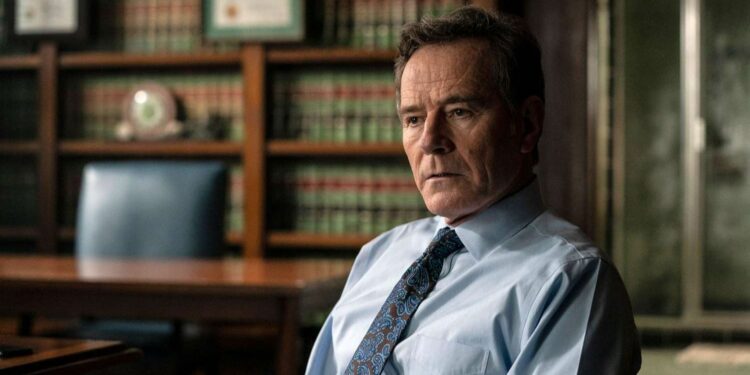
After redefining what a cable drama lead could be, Cranston could easily have chased another cool-genius archetype. Instead, he chose Your Honor, a morally exhausting limited series about a judge who compromises everything to protect his son. The show itself drew mixed reactions, but his performance is quietly brutal, leaning into panic, cowardice, and the slow erosion of a man who once believed he was righteous.
In an era obsessed with crowning the best returning show and dragging the least improved returning show, a one-and-done (later extended) series without franchise hooks was never going to dominate discourse. Yet it shows Cranston doing something more interesting than chasing another “iconic” role: exploring how ordinary decisions rot under pressure. It is a performance built for viewers who care about emotional specificity more than reaction gifs.
‘Sneaky Pete’ and Character-Actor Intelligence
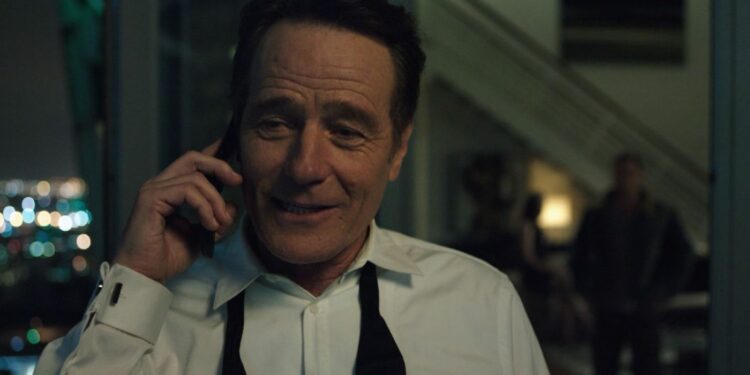
Another reason his post–Walter White stretch is undervalued is because some of his best work happened slightly off-center. As co-creator and recurring player on Sneaky Pete, Cranston leaned into his character-actor instincts. His villain, Vince, is equal parts charming and chilling, a man who treats betrayal like good business. He is not the show’s lead, but every time he appears, the tension recalibrates.
What makes this important is the strategic thinking behind it. Rather than trying to top Heisenberg with another awards-bait antihero, Cranston puts his weight behind an ensemble piece that belongs to someone else, then uses his presence to boost the series’ profile. It is the kind of move you see from performers with roles that prove he’s the ultimate method actor in their past: secure enough to slip into supporting mode when the project calls for it.
Stage, Voice Work, and the Choice to Diversify
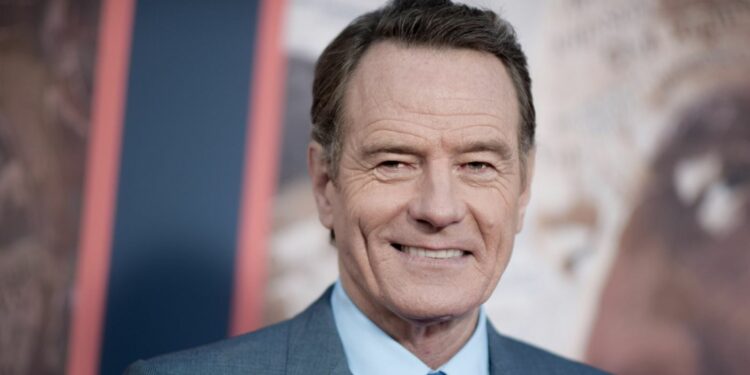
Post–Breaking Bad, Cranston did not just chase screen roles. He went to Broadway with All the Way, embodying Lyndon B. Johnson with a mixture of bombast and private paranoia that earned him a Tony Award. Stage work rarely trends on social media, but it is a clear sign of a performer investing in craft rather than only in visibility. It also keeps him from being overexposed, something many prestige TV leads struggle with.
On the voice side, he has picked projects that quietly extend his reach. Animated films, genre pieces, and one-off appearances in projects adjacent to the best horror movie of every year from the last decade-style discussions keep him familiar to younger audiences without exhausting his image. This spread of mediums makes his career feel resilient; if film slows down, theatre, limited series, and voice work can pick up the slack.
Refusing the Easy Paycheck Career and Rewriting His Legacy Before 2030
What many people miss when they say Cranston hasn’t “topped” Walter White is that he has largely refused the obvious, high-paying but shallow path. He could have attached himself to endless interchangeable thrillers or joined the same IP conveyor belt that built television stars with a mind-blowing net worth. Instead, he gravitated toward mid-budget dramas, morally complicated limited series, and character roles that prioritize interest over instant box office.
Financially, that likely keeps him below the stratosphere of the biggest franchise anchors or the Game of Thrones cast net worth rankings crowd. Artistically, it puts him closer to the lineage of stage-trained actors who see fame as a side effect of the work, not the goal. That gap between public perception (“He peaked with one show”) and the actual complexity of his choices is where the disrespect creeps in. As more time passes, Cranston’s post–Breaking Bad years will likely be reevaluated the way certain overlooked performances in earlier eras eventually were. Fans already revisit his filmography the way they revisit older television stars with a mind-blowing net worth, not to measure earnings, but to understand how someone constructed a career that balanced risk and security. The pieces are all there: theatre triumphs, morally tangled TV leads, precise supporting turns, and a clear preference for difficult, interior characters over easy charisma.
By 2030, the conversation around Cranston should sound very different. Instead of asking whether he ever matched Walter White, the better question is how many actors have managed to carry an era-defining role and then deliberately avoid being trapped by it. His post–Breaking Bad path is not a decline; it is a conscious shift into work that will age well, even if it never dominates trending pages. The respect he deserves is not just for one legendary performance, but for the disciplined, quietly brilliant career he has built in its shadow.
 Follow Us