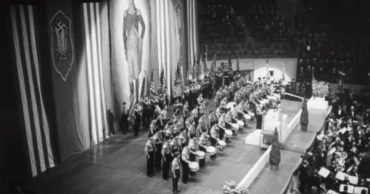
When you think of coming-of-ages movies, it’s impossible to not picture Stand By Me. Although the genre already existed, Rob Reiner‘s critically-adored movie elevated it tremendously. Adapted from a Stephen King novella, this film blends comedy, drama, mystery, and suspense – resulting in a well-rounded and timeless classic.
Released in 1986, Stand By Me still resonates today and frequently ranks high on streaming charts. The majority of the cast went on to global superstardom – some landing Oscar nominations – and Rob Reiner built a legendary portfolio of work before his tragic death in 2025. So, to honor Reiner and his masterpiece, let’s revisit Stand By Me with behind the scenes facts and easter eggs.
The Title Change
Stand By Me is based on Stephen King’s novella, The Body, which was originally published in his 1982 collection Different Seasons, which also includes the source material for another iconic film, The Shawshank Redemption. The original story was largely inspired by King’s own childhood, with the main character Gordie resembling King as a young writer.
Originally, the film was set to stick with King’s initial title The Body, however, Columbia Pictures were concerned that it would mislead audiences who may expect a bodybuilding movie like Pumping Iron, or a horror flick. Reportedly, Rob Reiner came up with “Stand by Me” based on the classic Ben E. King song, and it wound up being “the least unpopular option”.
The Infamous Leeches Scene
The scene where the boys emerge from the pond covered in leeches is perhaps the most harrowing scene in the film. Thankfully, they weren’t real leeches. The crew used a combination of latex, blood makeup, and rubber cement for the fake leeches. However, the young actors were surrounded by worms, bugs, leaves, and raccoons as the hole for the pond had been dug six weeks prior to filming the scene. The makeup looked so real that Wil Wheaton and Jerry O’Connell were refused entry at a waterpark on a break from filming because they were still covered with what looked like open lesions.
The Smoking Scenes
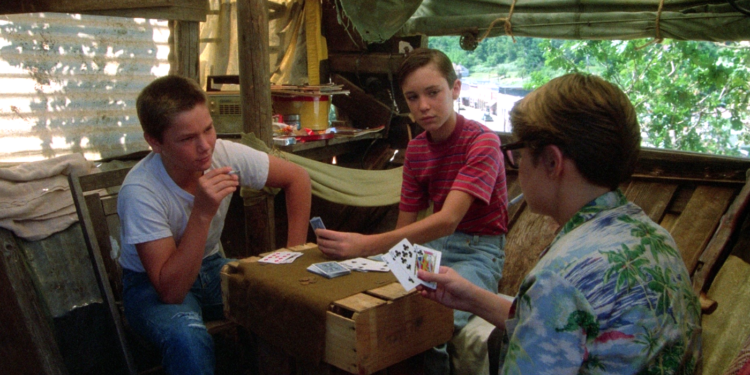
At the time of filming, all of the four main characters were under the legal age to smoke. Plus, Rob Reiner was a staunch anti-smoker. Typically in movies, fake cigarettes are made with nicotine-free herbal blends like marshmallow root, rose petals, red clover, honey, and fruit juices. However, for some reason, Reiner opted for lettuce leaves for the fake smokes in Stand By Me.
The Boys’ Real-Life Shenanigans
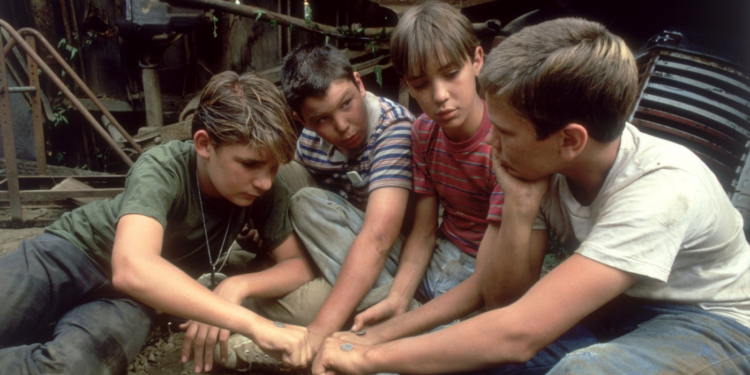
By the time cameras rolled, the four main actors were really close-knit. This made for exceptional on-screen chemistry. Reiner achieved this by putting them together for two weeks to play theater games from Viola Spolin’s “Improvisation for the Theater”. He orchestrated genuine camaraderie, with Wil Wheaton saying “When you saw the four of us being comrades, that was real life, not acting.”
With this friendship came some mischief. During filming, the four youngsters got into trouble at their hotel; throwing furniture into the pool, soaking each other’s clothes in beer and wine. Wheaton also reportedly fixed videogames in the hotel lobby so they could all play them for free.
Kiefer Sutherland’s Method
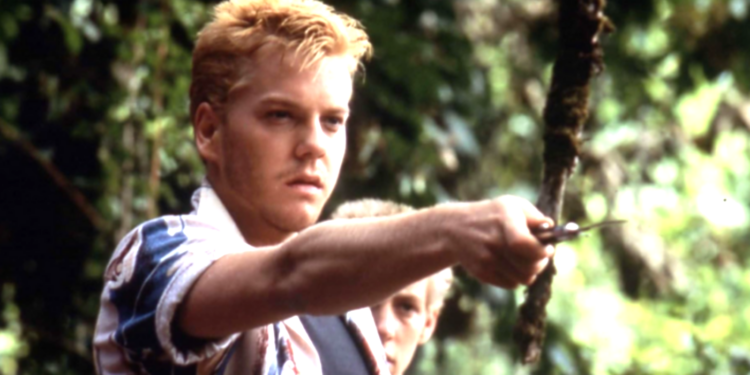
Stand By Me‘s protagonist is the sadistic older bully Ace Merrill (Kiefer Sutherland). Merrill is known as the toughest guy in the neighbourhood who everyone fears. Throughout the movie, he is spoken of like a legend, making their face-to-face scene all the more suspenseful when it finally arrives. Another reason it was so tense was due to Sutherland’s method acting, either avoiding the kids or acting aloof and intimidating around them to invoke genuine fear.
Easter Eggs & Cultural Impact
Stand By Me‘s impact can be felt in most coming-of-age stories that came thereafter. It has also been nodded to many times, and even parodied in episodes of The Simpsons and Family Guy. Filmmakers like John Singleton and Jeff Nichols have credited the film as inspiration for their movies Boyz n the Hood (1991) and Mud (2012), respectively. Also, 1995’s Now and Then is often labelled as the female version of Stand By Me, with both movies using the framing device of adults looking back on a pivotal childhood summer through narration and flashbacks.
Stephen King’s Reaction to Stand By Me
With Stephen King’s original novella being somewhat autobiographical, Reiner had a big task at hand in earning his approval. When Reiner showed King the finished film, King stepped away for a few minutes to compose himself, then returned and said that the movie was the best adaptation of his work he had ever seen. After being so impressed, King then offered Reiner the exclusive opportunity to direct Misery, which Reiner accepted.
Read Next: These 5 Stephen King Books NEED to Be Adapted to TV or Film
 Follow Us