Sam Neill, the New Zealand actor beloved around the world as Dr. Alan Grant in Jurassic Park, built a career that stretched far beyond one blockbuster role. His death at 78 marked the loss of one of screen acting’s most quietly magnetic figures, an actor who could bring warmth, intelligence, unease, humor, and emotional restraint to almost any genre. He was a dinosaur-era icon to millions, but he was also a serious dramatic actor, a cult-horror favorite, a television standout, a memoirist, a winemaker, and one of New Zealand’s most recognizable cultural exports.
What made Neill special was not just the size of his résumé. It was the way he never seemed trapped by it. He could lead a Hollywood adventure, disappear into an unsettling psychological drama, play a colonial husband in an Oscar-winning period film, or turn up in a gangster series and instantly give it more menace. His career had range, but it also had personality: dry, thoughtful, curious, and never desperate for noise.
Who Was Sam Neill?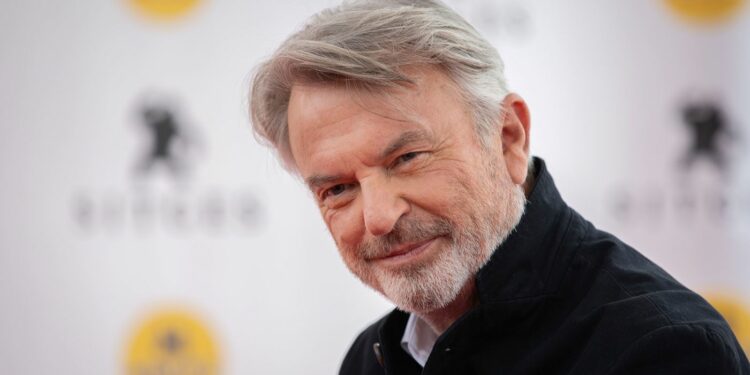
Sam Neill was born Nigel John Dermot Neill in Northern Ireland and raised in New Zealand, a background that helped shape the international rhythm of his career. He was never limited to one national screen identity. He moved naturally through New Zealand cinema, Australian productions, British drama, American studio films, and prestige television, carrying the same grounded intelligence into each space.
Before Jurassic Park made him globally famous, Neill had already earned serious respect through films such as Sleeping Dogs, My Brilliant Career, Possession, A Cry in the Dark, and The Hunt for Red October. He had the rare ability to make smart characters feel emotional rather than stiff. Even when he played authority figures, there was often something conflicted, wounded, or strange moving under the surface.
That range became the signature of his career. Neill could play romantic restraint, psychological collapse, scientific wonder, colonial control, supernatural terror, dry comedy, or ruthless law enforcement without making the shift feel unnatural. Directors used him in very different ways because he never brought only one temperature to a role. His stillness could feel kind in one film and terrifying in another.
| Sam Neill at a Glance | Details |
|---|---|
| Full Name | Nigel John Dermot Neill |
| Age | 78 |
| Best Known For | Playing Dr. Alan Grant in Jurassic Park |
| Major Films | Jurassic Park, The Piano, Possession, The Hunt for Red October, Event Horizon |
| Major TV Work | Peaky Blinders, The Tudors, Merlin, Alcatraz |
| Other Work | Memoir writing, winemaking, farming, animal advocacy, and public storytelling |
| Legacy | A versatile actor remembered for intelligence, warmth, restraint, and genre-spanning screen presence |

Why Jurassic Park Made Him a Global Icon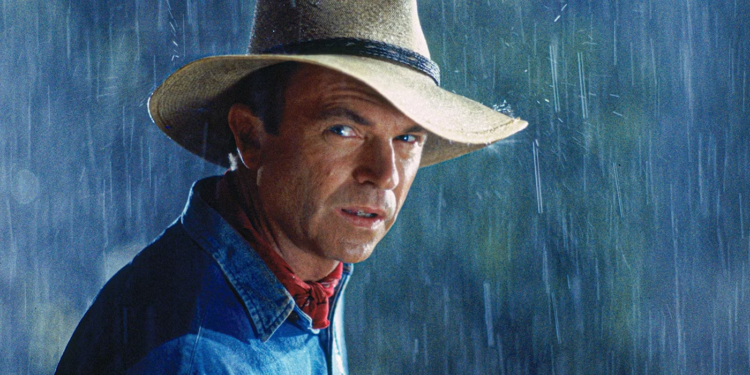
For many viewers, Sam Neill will always be Dr. Alan Grant, the paleontologist who begins Jurassic Park as a skeptical scientist and ends it as one of blockbuster cinema’s most unexpectedly tender protectors. The role worked because Grant was not a standard action hero. He was irritated by children, fascinated by fossils, suspicious of spectacle, and then suddenly forced to protect two kids from living dinosaurs.
Neill’s performance gave the film one of its human anchors. His reaction to the first living brachiosaurus helped sell the wonder of the entire movie. His fear in the raptor scenes made the danger feel physical. His bond with Lex and Tim gave the adventure emotional shape. Alan Grant was memorable because Neill made him competent without making him invincible, frightened without making him weak, and warm without turning him sentimental.
He later returned in Jurassic Park III and Jurassic World Dominion, where his reunion with Laura Dern and Jeff Goldblum gave the franchise one of its strongest nostalgia moments. Still, the original film remains the heart of his blockbuster legacy. Grant endured because Neill made the impossible feel human.
The Roles That Proved He Was Much More Than One Franchise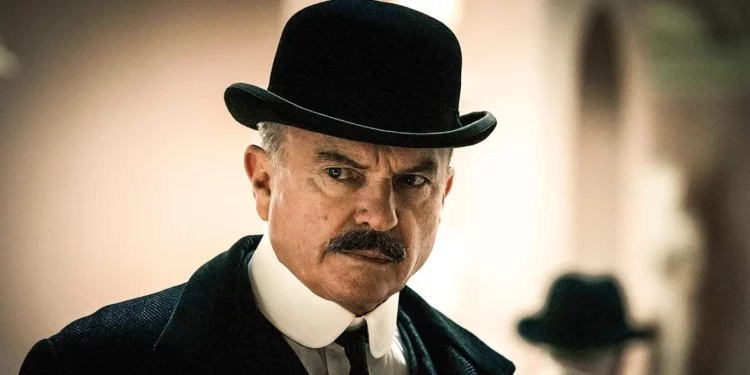
Neill’s career cannot be reduced to dinosaurs, even if Jurassic Park became his most famous role. In Possession, he delivered one of the most intense performances of his career, matching the film’s emotional hysteria with paranoia, desperation, and dread. In The Piano, he played Alisdair Stewart with repression and quiet cruelty, helping make the film’s domestic tension feel suffocating. In Event Horizon, he became part of a cult horror favorite that found a larger audience over time.
Television gave him another late-career chapter. In Peaky Blinders, he played Major Chester Campbell, a brutal inspector whose righteousness curdled into obsession. The role introduced him to younger viewers who may have known the name but had not seen the darker edge of his work. Neill had always been good at playing men who believed they were in control while something uglier leaked through.
Off screen, he also became known for his humor, his New Zealand farm, his animals, and his Two Paddocks wine label. That public warmth mattered because it contrasted with some of his darkest performances. Fans saw him as intelligent, self-aware, funny, and deeply attached to the land and people around him. His memoir, Did I Ever Tell You This?, added even more intimacy to that public image, especially as he reflected on illness, memory, work, friendship, and gratitude.
Why Sam Neill’s Legacy Will Last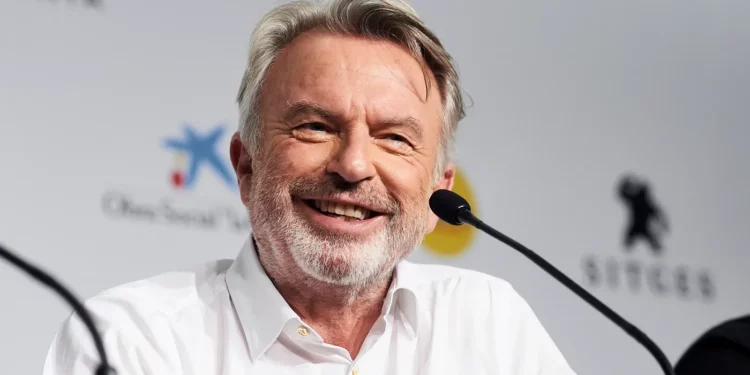
Sam Neill’s legacy will last because different audiences remember different versions of him. Blockbuster fans remember Alan Grant staring at living dinosaurs. Horror fans remember Possession, Event Horizon, and In the Mouth of Madness. Prestige-drama viewers remember The Piano. Television fans remember Peaky Blinders. New Zealand audiences remember him as one of their most beloved screen figures, someone whose global career never erased his connection to home.
That kind of legacy is rare because it does not depend on one performance doing all the work. Neill’s career had reach, texture, and longevity. He could make huge stories feel intimate and small scenes feel haunted. He brought curiosity to science fiction, gravity to drama, unease to horror, and dry wit to public life. He was never a performer who needed to overwhelm a scene to own it.
Remembering Sam Neill means remembering an actor who made intelligence emotional, fear believable, kindness unsentimental, and genre work respectable without acting above it. He leaves behind a body of work that will keep being rediscovered because it contains so many doors: adventure, horror, romance, television, comedy, memoir, and myth. For millions, he will always be the man who made dinosaurs feel real. For cinema, he was much more than that.
 Follow Us