Chuck Norris, the martial artist, action star, and television icon best known as Cordell Walker in Walker, Texas Ranger, died at 86 after a career that turned discipline, toughness, and screen combat into a full pop-culture identity. His death marked the loss of one of the most recognizable action figures of the late 20th century, a performer whose name became shorthand for invincibility long after his biggest films and shows first aired.
Norris was more than the internet jokes that later surrounded his image. Before the memes, he was a serious martial arts champion, a U.S. Air Force veteran, a karate instructor, Bruce Lee’s opponent in one of cinema’s most famous fight scenes, and the face of a long-running television series built around old-school justice. His career was simple on the surface: fight evil, protect the innocent, stand tall. But his legacy lasted because audiences believed the discipline behind the image.
Who Was Chuck Norris?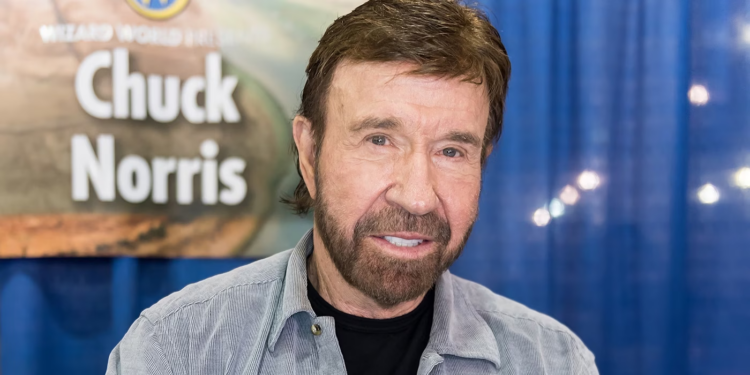
Chuck Norris was born Carlos Ray Norris in Oklahoma and became one of the rare martial artists who successfully crossed from real competition into movie and television stardom. Before acting became his main career, he served in the U.S. Air Force and trained heavily in martial arts, eventually becoming a karate champion and instructor. That background mattered because Norris did not enter action cinema as someone pretending to fight. His screen identity came from real physical credibility.
His early fame grew through martial arts competition, teaching, and connections with major Hollywood names. One of the most important turning points came through Bruce Lee, who cast him in The Way of the Dragon. Their Colosseum fight became one of the most iconic martial arts scenes ever filmed, and it gave Norris an international screen moment that helped launch his acting career.
From there, Norris became a dependable action lead in films built around revenge, rescue, military missions, and lone-man justice. He did not chase emotional complexity the way some dramatic actors did. His appeal came from certainty. When Chuck Norris entered the frame, audiences knew the bad guys would eventually run out of luck.
| Chuck Norris at a Glance | Details |
|---|---|
| Full Name | Carlos Ray Norris |
| Age | 86 |
| Best Known For | Playing Cordell Walker in Walker, Texas Ranger |
| Breakout Fight Scene | Facing Bruce Lee in The Way of the Dragon |
| Major Films | The Way of the Dragon, Good Guys Wear Black, Lone Wolf McQuade, Missing in Action, The Delta Force |
| Major TV Work | Walker, Texas Ranger, Sons of Thunder, Walker, Texas Ranger: Trial by Fire |
| Other Work | Martial arts instruction, writing, philanthropy, fitness programs, and youth mentorship through Kickstart Kids |
| Legacy | A martial arts champion and action icon remembered for discipline, toughness, old-school heroism, and massive pop-culture reach |

Why Walker, Texas Ranger Made Him a TV Icon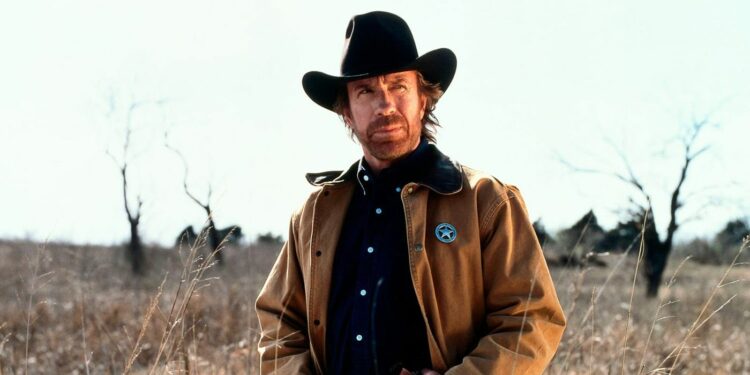
For many viewers, Chuck Norris will always be Cordell Walker, the Texas Ranger who fought criminals with martial arts, moral certainty, and cowboy-code justice. Walker, Texas Ranger worked because it understood exactly what audiences wanted from Norris. They wanted a hero who did not overthink evil, a man who could investigate a case, deliver a warning, throw a roundhouse kick, and still stand for family, faith, loyalty, and community.
The series ran for years because it turned Norris’ screen persona into a weekly ritual. Walker was not sarcastic in the modern antihero sense. He was direct, principled, and physically unstoppable. That clarity made the show comforting to fans who wanted action television with a moral center. Norris brought the same calm physical authority to the role every episode, and that consistency became part of the show’s identity.
Walker, Texas Ranger also helped Norris reach audiences beyond martial arts movie fans. Families watched it. Older viewers watched it. Action fans watched it. The show turned him from a film-era tough guy into a television institution, and reruns kept that image alive long after the original run ended.
The Action Career That Built the Chuck Norris Myth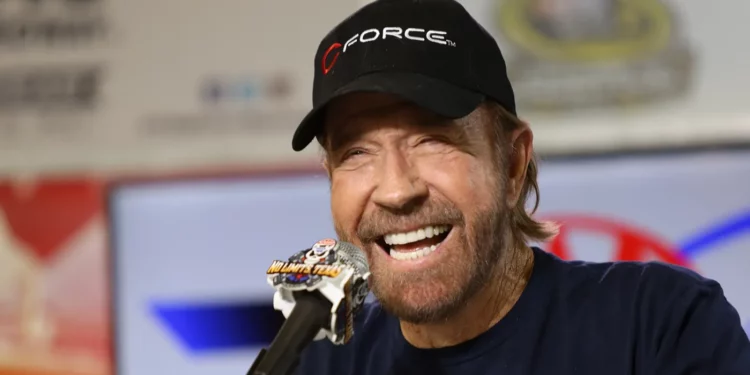
Before his television fame, Norris became a major name through action films that leaned into his martial arts credibility. Good Guys Wear Black helped establish him as a leading man, while Lone Wolf McQuade sharpened the western-action image that later made Walker, Texas Ranger feel natural. He played men who were usually outnumbered, underestimated, and morally certain, which gave his films a clean, forceful appeal.
The Missing in Action films and The Delta Force placed him firmly inside the Reagan-era action landscape, where military rescue missions, patriotic stakes, and one-man-warrior stories dominated a major part of popular cinema. Norris was not as verbally explosive as some action stars of the era. He was calmer, stiffer, more controlled. That became his brand. The less he said, the more inevitable the fight felt.
Then came the internet era, which turned Chuck Norris into something even stranger: a meme of impossible strength. The “Chuck Norris facts” jokes exaggerated his toughness into myth, and instead of damaging his legacy, they extended it. Younger audiences who had not grown up with his films still knew the idea of Chuck Norris. Very few action stars get a second life as folklore.
Why Chuck Norris’ Legacy Will Last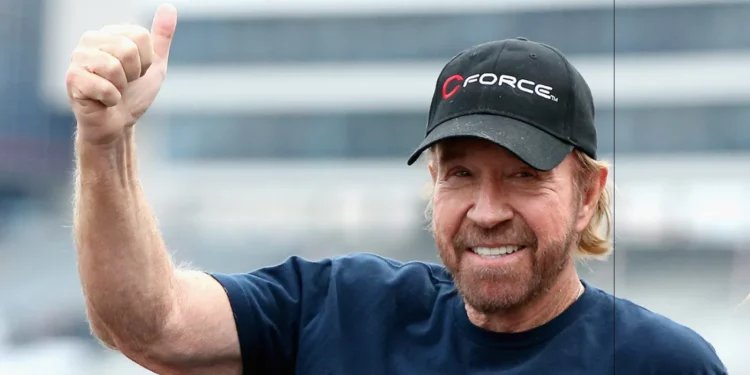
Chuck Norris’ legacy will last because he occupied a space few performers ever manage to hold. He was a real martial artist, a movie action hero, a television lawman, and eventually a pop-culture legend whose name became bigger than any single project. His acting style was never built on emotional fireworks. It was built on presence, discipline, and the promise that justice would arrive with a spinning kick.
His off-screen work also shaped how many fans saw him. Norris wrote books, promoted fitness, supported martial arts education, and founded Kickstart Kids to help young people through character development and martial arts training. That gave his public image a mentorship side that fit naturally with the values he often played on screen: discipline, respect, responsibility, and self-control.
Remembering Chuck Norris means remembering an action star who became a cultural symbol almost by accident. He fought Bruce Lee, carried low-budget action films into commercial success, led one of television’s most recognizable crime dramas, and later became an internet legend for a generation that turned his toughness into comedy mythology. The jokes were funny because the image was already strong. Chuck Norris did not just play unbeatable men. For decades, popular culture treated him like one.
 Follow Us