Hollywood loves to sell the illusion of perfection, but filmmaking rarely follows a perfect plan. Since modern blockbuster filmmaking runs on tight release dates, massive budgets, and intense studio expectations, directors, actors, and writers often discover problems only after cameras start rolling. Scripts that looked flawless on paper suddenly feel flat on set, forcing teams to rethink dialogue, restructure scenes, or even rebuild entire acts. These mid-production rewrites shape some of cinema’s most famous moments, proving that flexibility often matters more than preparation.
Experienced filmmakers treat rewrites as opportunities rather than disasters. Audiences rarely realize how much improvisation shapes their favorite films. They remember the tension of a shark that barely appears, the wit of a genius billionaire, or the heartbreak of a farewell on a foggy runway. Each of those moments exists because someone rewrote a scene under pressure. Here are ten modern movies whose scripts changed while cameras rolled, and why those changes mattered.
1. Casablanca (1942)
Production on this Michael Curtiz-directed romantic drama, Casablanca, began without a finished screenplay. This forced the writers to deliver new pages to the set almost daily. Julius and Philip Epstein drafted scenes while filming progressed, then left temporarily to work on a U.S. government war documentary series, Why We Fight. As such, Howard Koch took charge of shaping the script until they returned. Since the story remained unfinished, the cast often learned dialogue hours before shooting.
The uncertainty reached its peak with the ending, since no one had decided whether Ilsa Lund (Ingrid Bergman) would stay with Rick Blaine (Humphrey Bogart) or leave with Victor Laszlo (Paul Henreid) until late in production. Bergman later said she played scenes ambiguously because she didn’t know which man her character truly loved. Director Michael Curtiz also struggled with shifting dialogue and tone as rewrites arrived, which required constant adjustments in performance and staging. Those behind-the-scenes setbacks unexpectedly strengthened the film, giving the characters emotional tension that still feels authentic decades later.

2. Jaws (1975)
Steven Spielberg faced relentless production problems that forced constant script adjustments while filming Jaws at sea. The mechanical sharks malfunctioned so often that the crew nicknamed the prop “Bruce” and stopped relying on it for many scenes. Spielberg rewrote sequences to hide the creature and build tension through camera angles, music, and reaction shots instead of visual attacks. Those last-minute changes reshaped the film’s tone and created the suspenseful style that later defined the movie’s legacy.
Dialogue and character moments also shifted during production because actors and writers kept refining scenes on set. Robert Shaw worked overnight with writer John Milius to rewrite the USS Indianapolis monologue after rejecting the original version, and he delivered the revised speech in a single take. Roy Scheider improvised the famous line “You’re gonna need a bigger boat” after reacting to the oversized shark prop during filming. Weather delays, equipment failures, and budget overruns forced Spielberg to keep revising pages daily, but those setbacks pushed the team toward creative solutions that ultimately turned a chaotic shoot into one of the most influential films ever made.
3. Titanic (1997)
James Cameron began filming with a detailed screenplay, but production realities forced him to revise scenes constantly once cameras rolled. Massive water tanks in Baja California created technical limits that reshaped how he staged dialogue and action, especially during sinking sequences. He rewrote beats to match what the enormous practical sets could safely perform, since mechanical failures and timing issues disrupted planned shots. Cast members also influenced dialogue on set, and Cameron encouraged adjustments whenever performances revealed stronger emotional choices than the scripted lines.
Several memorable moments came directly from these mid-production changes. Leonardo DiCaprio improvised the now-iconic “I’m the king of the world!” line after Cameron suggested he try something spontaneous while filming the bow scene. Crew members also battled delays from storms, equipment malfunctions, and a notorious incident in which contaminated chowder hospitalized dozens of staff. This forced schedule reshuffling and scene rewrites to stay on track. Cameron kept adjusting the dialogue and pacing throughout the shoot to account for lost time and shifting logistics. Those constant revisions helped the film maintain emotional momentum despite one of the most chaotic productions in modern movie history.
4. Gladiator (2000)
Ridley Scott’s Oscar-winning epic Gladiator entered production without a locked screenplay. This forced the creative team to constantly rewrite scenes while filming. Lead actor Russell Crowe later revealed in interviews that he often received new pages on the day of shooting and sometimes questioned dialogue because it felt unfinished or unclear. Scott encouraged this fluid process because he believed the evolving script helped him refine tone and realism during production. The approach kept the story flexible, but it also meant the cast and crew had to adapt quickly to daily changes.
The production faced an even bigger setback when Oliver Reed died unexpectedly before completing his scenes. The filmmakers rewrote parts of the story to accommodate his absence and used a body double, along with early digital compositing, to complete his remaining moments. Writers adjusted dialogue and structure so the narrative still flowed naturally despite losing a major supporting character. Scott later explained that the film “was being written while we shot it,” which reflected how often scenes changed under pressure. Those mid-production rewrites ultimately helped shape the film’s emotional arc and contributed to its sweeping, character-driven impact.
5. Mission: Impossible Movies
The Mission: Impossible franchise built a reputation for high-wire stunt work and globe-trotting spectacle. However, the series also thrives on constant script evolution during filming. Director Christopher McQuarrie openly admits that he prefers starting production without a locked screenplay because he wants the story to grow around locations, actors, and practical stunts. When Tom Cruise broke his ankle performing a rooftop jump while shooting Mission: Impossible – Fallout, production shut down for weeks. This forced the team to rewrite schedules and adjust scenes to accommodate recovery time.
Later entries faced even greater disruptions, triggering additional rewrites. Pandemic shutdowns halted filming on Dead Reckoning Part One, and the creative team kept rewriting sequences during the delay to improve pacing and spectacle once production resumed. McQuarrie has explained in interviews that he frequently drafts scenes shortly before shooting them so he can tailor action to real environments and stunt feasibility. That approach caused daily script revisions across multiple installments, especially when weather, location access, or stunt safety required adjustments.
6. Iron Man (2008)
Marvel launched its first independently financed blockbuster under intense pressure, and the production quickly discovered that its screenplay lacked polish. Jon Favreau started shooting while the writers were still refining major scenes. This forced the cast and director to shape dialogue on set. Jeff Bridges later revealed that many days felt like rehearsals rather than filming because the script kept changing. Robert Downey Jr. often improvised lines to make Tony Stark sound sharper and more natural, and the team frequently rewrote scenes overnight to match his performance style.
Several setbacks pushed those rewrites even further. The production struggled to finalize the third act because early versions relied heavily on exposition and failed to deliver a satisfying payoff. The filmmakers had to redesign the climax during shooting, crafting a more action-driven confrontation after reviewing early footage. Crew members also had to adjust sequences because practical effects and suit mechanics limited what they could film. Those last-minute rewrites ultimately helped define the film’s tone, blending humor, character focus, and spectacle into the formula that launched the Marvel Cinematic Universe.
7. World War Z (2013)
Production on this globe-spanning thriller ran into serious story problems once filming began. The creative team quickly realized the original script’s final act failed to deliver tension or a satisfying payoff. The planned ending featured a large-scale battle in Russia, but early cuts convinced producers that the sequence felt bloated and dramatically flat rather than suspenseful. Paramount halted progress on the finale and brought in writer Drew Goddard during production to rethink the third act from the ground up. The decision forced the filmmakers to scrap expensive material and redesign the conclusion while the movie was still in the middle of production.
The rewrite completely changed World War Z’s tone and structure. Instead of ending with explosive warfare, the new version shifted the climax to a quiet World Health Organization facility, where the protagonist survives through observation and strategy rather than brute force. Director Marc Forster supervised additional photography to integrate the rewritten material smoothly into earlier footage. Test screenings improved significantly after the overhaul, and critics later praised the tighter, more suspenseful ending. The film ultimately became a box-office success, and its troubled production now stands as one of Hollywood’s clearest examples of a last-minute script rewrite saving a blockbuster.
8. Mad Max: Fury Road (2015)
George Miller never relied on a traditional finished screenplay when he launched production on this high-octane sequel. He designed the film primarily through thousands of storyboards, which functioned as the real script and guided every shot. The unusual approach forced the team to rewrite dialogue and character beats constantly during filming because scenes evolved visually rather than on the page. The cast often received revised lines minutes before takes as Miller refined tone, pacing, and character motivation in real time.
Production setbacks intensified that improvisational process. Severe desert weather in Namibia disrupted schedules and damaged equipment. This forced Miller to rethink scenes and restructure sequences to match available conditions. Budget pressures and logistical challenges also pushed the filmmakers to modify action beats while shooting, especially when vehicle stunts required redesigns for safety or terrain.
9. Doctor Strange (2016)
Marvel’s mystical origin story, Doctor Strange, underwent constant script revisions even after filming began. The project passed through several writers, including Jon Spaihts, Scott Derrickson, and C. Robert Cargill, and each draft shifted tone, structure, and character emphasis. Derrickson openly explained in interviews that the screenplay kept changing during production because the team wanted the right balance between complex mythology and accessible storytelling. The filmmakers continued refining exposition and dialogue on set so audiences could follow the multiverse concepts without confusion.
Production also faced practical challenges that forced adjustments to scenes. The creative team reworked sequences to align with visual effects limitations, location constraints, and pacing concerns identified during daily footage reviews. Those mid-shoot rewrites helped streamline the narrative and strengthen character motivation. Interestingly, critics later cited it as one reason the film succeeded where other dense comic adaptations struggled.
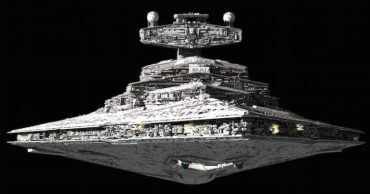
10. Rogue One: A Star Wars Story (2016)
Lucasfilm executives reviewed early cuts of Rogue One: A Star Wars Story and immediately spotted structural and tonal problems that required major changes. The original assembly reportedly leaned too heavily on war-film grit, lacking sufficient character clarity. Naturally, this worried the studio, which believed audiences needed stronger emotional anchors. The production scheduled extensive reshoots, bringing in writer-director Tony Gilroy to revise scenes, sharpen dialogue, and reshape the narrative flow. Cast members returned months after principal photography ended to shoot rewritten sequences designed to strengthen motivations and tighten pacing.
The third act underwent the most dramatic overhaul once filmmakers realized the climax lacked urgency and narrative cohesion. Early trailers even included shots that never appeared in the final film because the ending changed so significantly during rewrites. The revised version emphasized sacrifice, unity, and continuity with the original 1977 story, which aligned the film more closely with franchise lore. Those late script changes transformed a troubled production into one of the most critically praised entries of the modern era. If anything, it proved that emergency rewrites can sometimes save a blockbuster rather than sink it.
 Follow Us