In the modern music industry, selling song catalogs has become one of the most lucrative financial moves an artist can make. Instead of waiting decades to collect royalties from streaming, radio play, and licensing, many performers now choose to cash out early in exchange for massive lump-sum payments. Investment firms and record companies view classic songs as reliable long-term assets, making catalogs worth hundreds of millions of dollars.
However, not every artist wants to part with their life’s work. Taylor Swift famously fought to regain control of her masters by rerecording her early albums, while Anita Baker spent years reclaiming rights to her recordings. Prince, long before them, warned artists about signing away ownership and battled for control of his catalog. For those who do, they either sell partial stakes or transfer full rights. Either way, the motivation is often the same: financial security, estate planning, or diversification options. Here are 13 artists whose catalog deals reshaped both their fortunes and the music business.
Neil Young
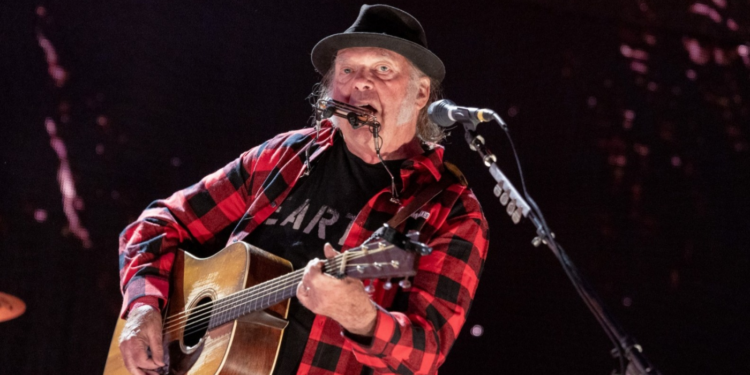
Canadian-American singer-songwriter Neil Young joined the growing list of major artists to adopt the modern catalog-sale boom in 2021. That year, Hipgnosis Songs Fund acquired a 50% stake in Neil Young’s songwriting catalog, giving the company rights to a huge portion of his legendary body of work. Although the exact price was undisclosed, industry estimates widely placed the deal at around $150 million.
The agreement included more than a thousand songs spanning decades of music history. Young said he chose Hipgnosis because of its stated devotion to protecting artistic integrity and song legacy. Rather than selling outright, he retained a partial ownership stake, ensuring he still had influence over how his music is used commercially.

Justin Bieber
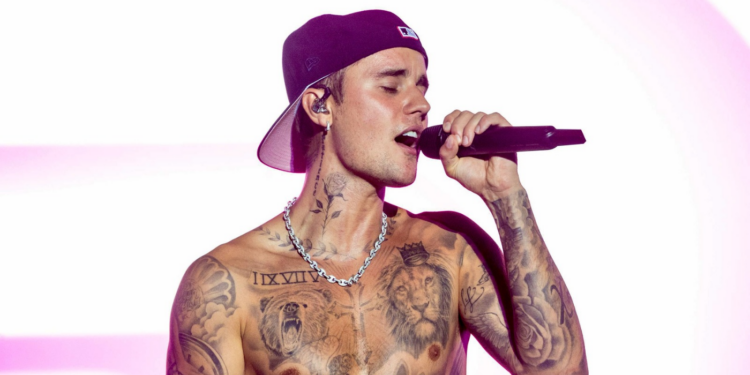
Justin Bieber shocked the industry and fans in 2023 when he sold his entire back catalog to Hipgnosis Songs Capital. The deal was valued at over $200 million and included publishing rights, neighboring rights, and royalties from his recordings released through 2021. The transaction made headlines because Bieber was only in his late twenties at the time, far younger than most artists who make such moves. Executives described it as the largest catalog acquisition ever for an artist of his generation. The sale reflected both the value of streaming-era hits and the increasing willingness of younger stars to treat their music as financial assets.
Britney Spears
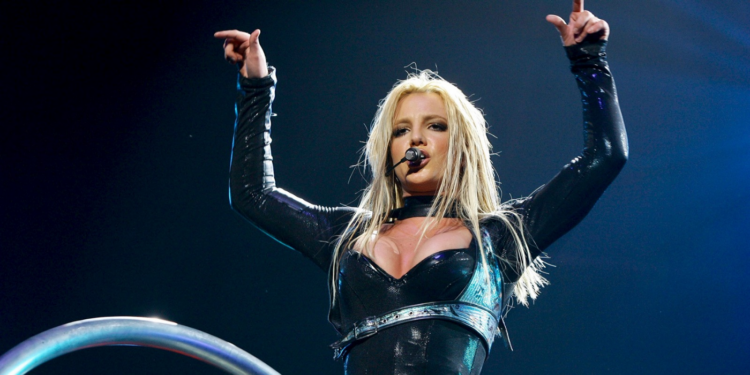
Britney Spears joined the catalog-sale trend in late 2025 with a blockbuster deal. Although the deal was struck in December 2025, it became public knowledge in February 2026. She sold the rights to her music catalog to publishing firm Primary Wave for about $200 million, according to reports. The agreement included many of her biggest hits, such as “…Baby One More Time,” “Toxic,” and “Oops!… I Did It Again.” The move came years after she retired from performing and publicly said she did not plan to return to the music industry. Selling her catalog has allowed her to secure a massive payout while still sustaining cultural influence through her iconic songs.
Katy Perry
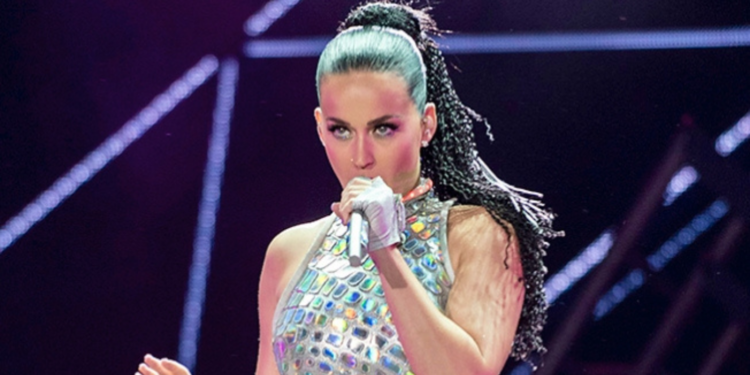
Katy Perry sold her music rights in 2023 to Litmus Music for a reported $225 million. The deal covered her stake in master recording royalties and publishing rights for five albums released between 2008 and 2020. Those albums include chart-dominating releases like Teenage Dream and Prism, which produced multiple No. 1 singles. The sale made hers one of the biggest catalog deals of that year and demonstrated how valuable modern pop catalogs can be when they contain global hits with long streaming lifespans.
David Bowie
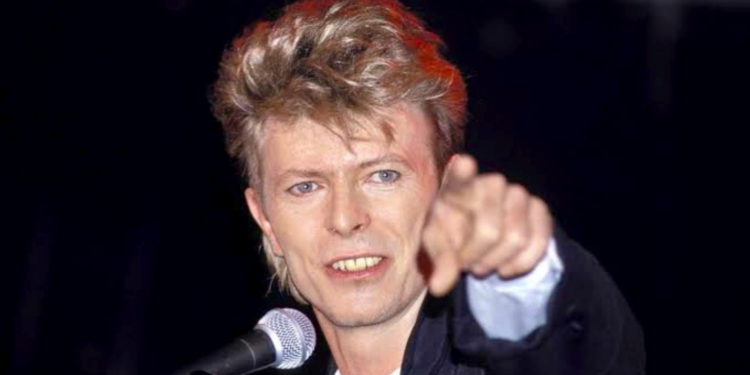
English singer-songwriter David Bowie pioneered catalog monetization long before it became trendy. In 1997, he created the famous “Bowie Bonds,” financial instruments backed by future royalties from his songs. That deal earned him roughly $55 million upfront and became a case study in music finance innovation.
After Bowie’s death, his estate continued the strategy. In 2022, it sold its publishing catalog to Warner Chappell Music for about $250 million, giving the company control over decades of classic material. The transaction showed how estates now treat music catalogs as legacy assets that can fund future generations.
Paul Simon
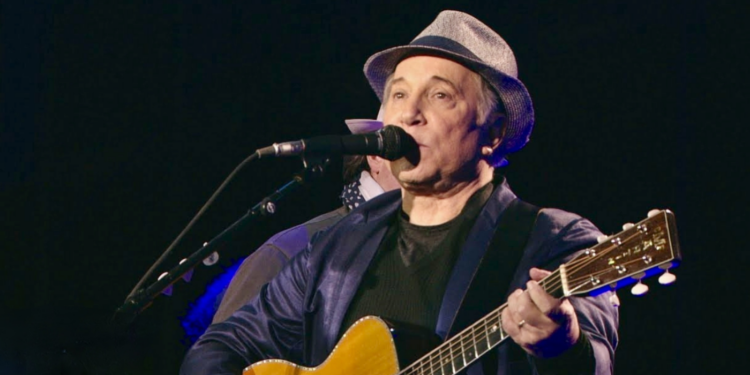
Paul Simon sold his song catalog to Sony Music Publishing in 2021. The agreement reportedly covered his entire songwriting library, including classics from his solo career and his work with Simon & Garfunkel. Industry estimates valued the deal at around $250 million. For Simon, the decision was partly about long-term preservation. Sony already administered its catalog, making the transition seamless. By transferring ownership, he ensured his songs would remain actively promoted and licensed worldwide long after his retirement from touring.
Sting
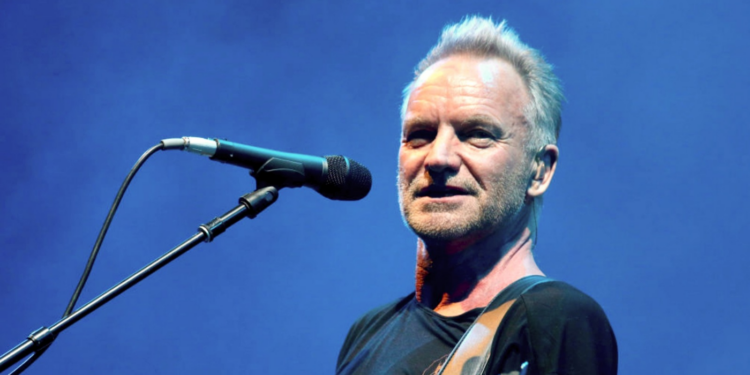
Sting also sold his entire songwriting catalog to Universal Music Publishing Group in a deal worth roughly $300 million. The acquisition included his solo hits and songs from his time with The Police, such as “Every Breath You Take.” The sale covered more than four decades of music, making it one of the largest single-artist publishing deals ever. Analysts viewed it as proof that evergreen classics can command extraordinary valuations. For Sting, it provided immediate wealth while guaranteeing professional management of his musical legacy.
Phil Collins/Genesis
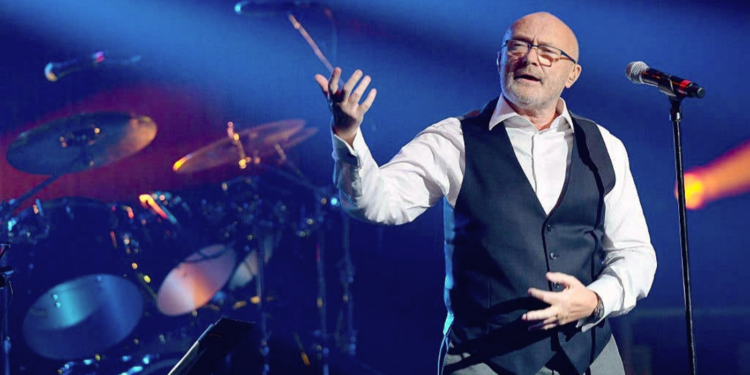
Phil Collins and his Genesis bandmates also joined the trend by selling a large portion of their catalog rights. In 2022, the group and Collins reportedly sold a stake in their publishing and recorded music rights for about $300 million. The package included hits from Genesis and Collins’ solo career, spanning progressive rock anthems and pop ballads. Investors were attracted by the consistent global streaming metrics for songs like “In the Air Tonight.” The deal demonstrated that catalogs tied to multiple successful acts can command especially high prices.
Bob Dylan
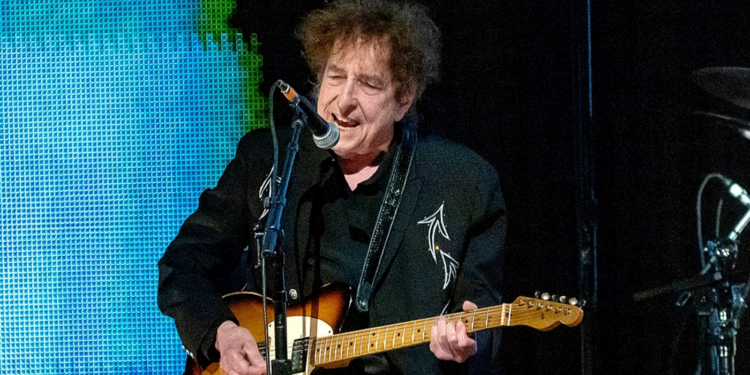
Bob Dylan completed one of the most famous catalog deals in history. Universal Music Publishing bought his songwriting catalog for more than $300 million, while Sony later purchased his master recordings for around $200 million. Combined, those transactions valued Dylan’s body of work at well over half a billion dollars. The agreements covered hundreds of songs, including classics that shaped modern songwriting. Dylan’s sales established a benchmark that encouraged many other artists to undertake similar deals.
Pink Floyd
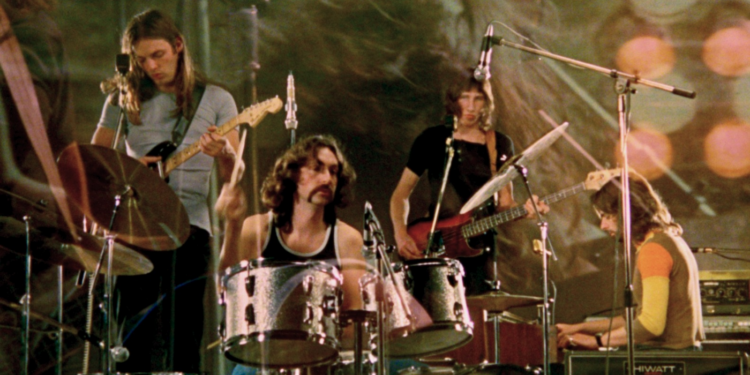
Pink Floyd’s catalog has long been considered one of the most valuable in rock history. In recent years, the English band explored selling its recorded-music and publishing rights in a deal reportedly valued in the hundreds of millions. Negotiations attracted multiple buyers keen to acquire legendary albums such as The Dark Side of the Moon. Even partial rights to Pink Floyd’s music are highly lucrative, given its consistent worldwide streaming and licensing demand. Whether sold in full or in pieces, the catalog’s estimated price tag illustrates how classic rock catalogs can rival major corporate acquisitions in value.
Bruce Springsteen
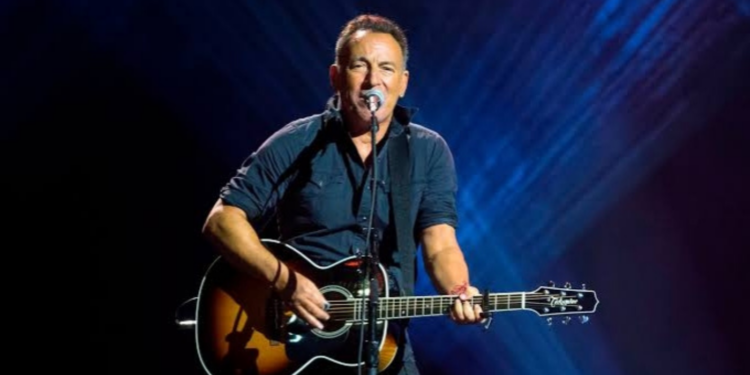
Bruce Springsteen closed one of the biggest catalog deals ever when he sold his masters and publishing rights to Sony Music for over $500 million. The agreement covered his entire recorded catalog and songwriting output. Analysts said the price reflected the durability of his music across several generations and formats. For Sony, acquiring Springsteen meant securing one of the most reliable long-term revenue streams in popular music.
Queen
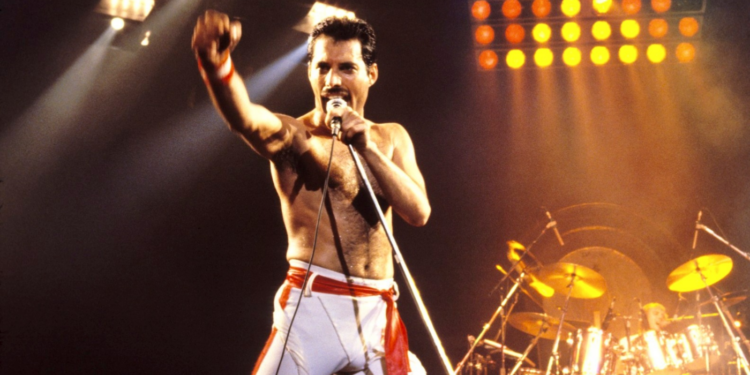
Queen’s music catalog has also been the subject of enormous transactions. In 2024, Sony Music reportedly acquired the British rock band’s catalog for slightly over $1 billion, making it one of the most expensive music rights deals ever. The catalog’s value stems from global hits like “Bohemian Rhapsody” and “We Will Rock You,” which generate steady revenue from films, commercials, and sports events. Queen’s sale highlighted how iconic catalogs can rival major film franchises in terms of financial value.
Michael Jackson
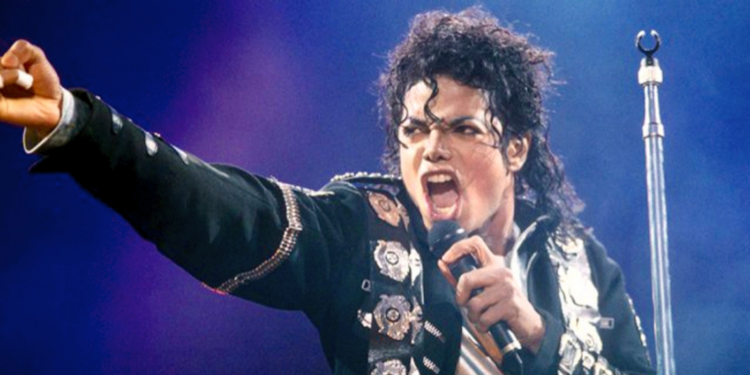
Michael Jackson recognized the power of music rights earlier than most artists. In 1985, he purchased ATV Music Publishing, gaining ownership of a vast catalog that included the Beatles’ songs. The investment later merged with Sony’s publishing arm, forming Sony/ATV, one of the largest music publishers in the world.
Decades later, Sony bought out Jackson’s estate’s stake in the company for hundreds of millions of dollars. The deal, collectively now worth over $1 billion, underscores Jackson’s reputation as not just a pop superstar but also a visionary businessman. His strategy helped redefine how artists view ownership and long-term value.
 Follow Us