Stephen King has more adaptations than any modern author, but volume does not equal victory. The biggest problem is not that the stories are “too weird” or “too long.” The problem is format. Some of his best books are built for slow escalation, character layering, and community wide dread, which is exactly what long form television does best. When studios compress that architecture into a two hour feature, the story often becomes a highlight reel instead of an experience.
That is why a proper TV adaptation matters. The best modern examples prove it: when a series has enough runway, it can protect pacing, deepen relationships, and let the horror feel earned instead of rushed. If you have ever watched an adaptation and thought the plot points were there but the soul was missing, you already understand the gap. This list focuses on five books that still deserve the right version, with clear reasons they would work right now in a streaming era built for limited series events.
For context, the conversation around “failed” versions of his work is not new. Plenty of projects get remembered as cautionary tales, and many of them are discussed alongside rankings of Stephen King movie adaptations where the execution missed the point. These five picks are not “unadaptable.” They are simply waiting for a format that matches the story.
1. ‘The Long Walk’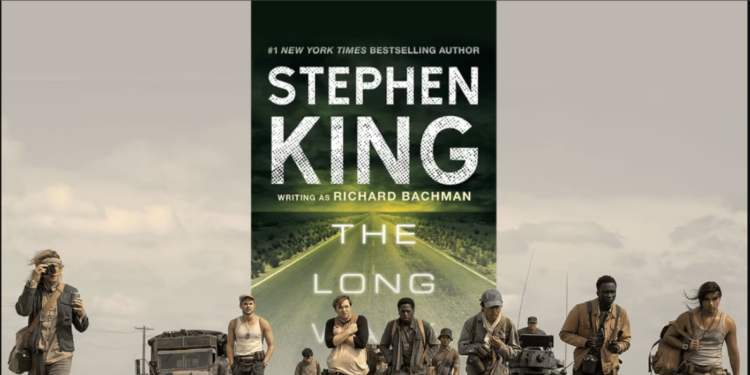
The Long Walk is built for television because it is not just a premise, it is a pressure cooker. The narrative depends on time. You need long stretches to feel the fatigue, the paranoia, the shifting alliances, and the way small choices become life or death. A film usually turns this into a concept sprint. A series could turn it into a psychological marathon where each episode tightens the moral screws.
What makes it perfect for a limited series is the structure. Each episode can track a specific phase of collapse: early bravado, the first real losses, the group fracturing, the quiet moments where fear turns into cruelty. The real horror is not the rules, it is what the rules pull out of people. That is also why it fits the current appetite for prestige survival drama, the same audience that binge watches “what would you do” scenarios and argues about them for weeks.
A strong adaptation would also avoid the biggest mistake: turning it into spectacle. This story is about endurance and manipulation. It needs restraint, not constant action beats. If you want proof that slow burn dread still sells, look at how modern audiences engage with franchise horror icons like Pennywise when the narrative builds tension instead of rushing to shocks.
2. ‘Duma Key’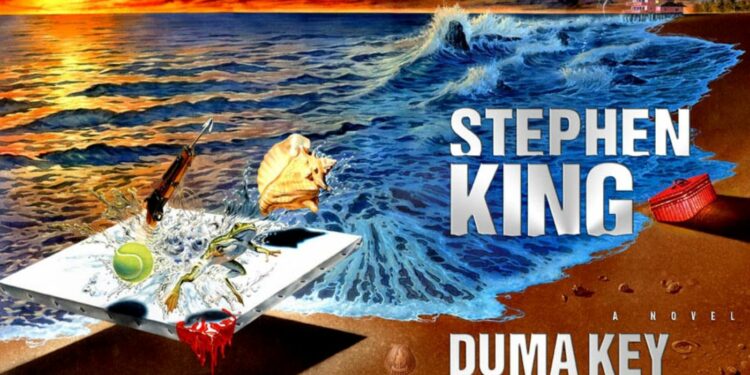
Duma Key is one of the most underrated entries in his catalog, and that is exactly why it is ideal for streaming. The story has room for character transformation, grief, recovery, and the creeping realization that creativity can open doors you can not close. A series could give the protagonist’s emotional healing real weight while slowly revealing the supernatural cost.
The biggest advantage for TV is atmosphere. The setting needs time to breathe. You want the island’s beauty to feel seductive before it becomes threatening. A short film version often has to rush the “weird” part. A series can earn it. It can show how routine becomes ritual and how art becomes a conduit. It is also a natural fit for a modern audience that responds to elevated supernatural drama, where the fear comes from meaning more than gore.
There is also a strong visual hook here. The paintings are not just props, they are plot engines. A smart showrunner could use the artwork as episode anchors, letting each piece reveal a new layer of the haunting. Done right, it would land in the same conversation as other prestige horror that critics take seriously, which is one reason many viewers keep searching for broader “best horror” lists like best horror movie roundups to guide what they watch next.
3. ‘Revival’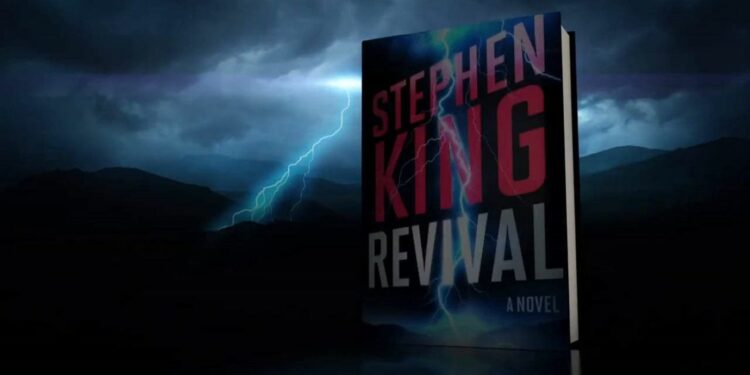
Revival feels like it was engineered for a limited series. It starts with a grounded, intimate loss, then expands into spiritual dread, ethical obsession, and existential horror that hits like a freight train. The key is the slow reveal. The story’s most devastating ideas do not work if they arrive too early. Television lets you plant questions, misdirect the audience, then deliver the final truth when it has maximum impact.
A modern adaptation would also benefit from today’s tone. Streamers are more open to bleak endings and moral ambiguity. That matters here because the story is not “scary” in a traditional way. It is terrifying because it dismantles comforting assumptions. A feature film might soften that. A series can lean in and let the audience sit with discomfort.
It also has a built in character engine: the relationship between the narrator and the preacher figure. You can map their lives across time, showing how trauma mutates into obsession. That long arc is where the power lives. This is the kind of story that could become appointment viewing, the way audiences chase mystery shows and spend weeks dissecting clues, similar to how they track unresolved questions in modern franchises like Gen V.
4. ‘The Girl Who Loved Tom Gordon’
The Girl Who Loved Tom Gordon is simple on paper and brutal in practice, which is why it is often mishandled. The story is survival horror with a child’s perspective, and the real threat is not just the woods. It is dehydration, fear, hallucination, and the mind’s need to create meaning when reality becomes unbearable. A film can tell the plot. A series can make you feel it.
The right approach would treat the forest like a character and the girl’s inner world as the real battleground. Each episode could focus on a new stage of deterioration, with the “presence” becoming more vivid as her condition worsens. The point is not to turn it into a monster show. The point is to show how isolation reshapes perception and how hope can be both a tool and a trap.
It would also be a smart counterprogramming series. Not every Stephen King adaptation needs a huge cast and sprawling mythology. A contained, performance driven survival story would stand out in a crowded slate. The demand for character centered tension is strong, and viewers who search for psychologically grounded stories often overlap with audiences who binge true crime shows because they want realistic stakes and human behavior under stress.
5. ‘Insomnia’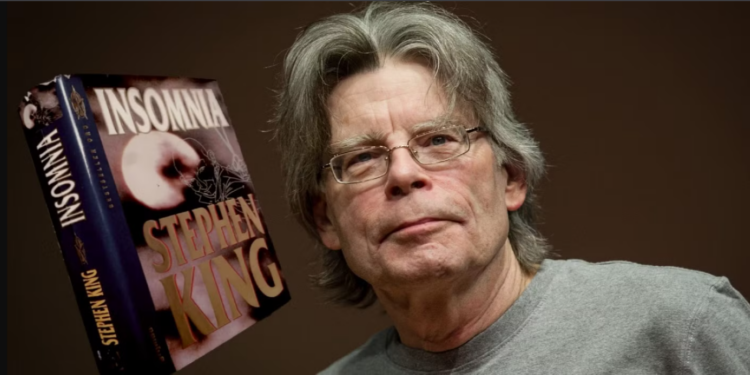
Insomnia is a perfect example of a book that needs time to make sense. The premise sounds strange until the themes lock in. You need room for the protagonist’s exhaustion to warp reality and for the cosmic rules to unfold without turning into exposition dumps. A film version usually gets trapped between explaining too much and not explaining enough. A series can pace the revelations and keep the viewer oriented while still preserving mystery.
What makes this especially timely is the current appetite for metaphysical stories that still feel human. The protagonist is not an action hero. He is a man losing sleep and losing certainty. That vulnerability is what makes the supernatural elements hit harder. A strong adaptation would lean into the psychological realism first, then let the larger mythology arrive naturally.
This story also offers something many Stephen King projects lack: an older lead with a full emotional life. That is valuable in a market that is finally giving mature characters more prestige space. If executed with careful tone, it could attract both horror viewers and drama viewers, which is how streaming hits become cultural conversation instead of niche content.
 Follow Us