In cinema, a genre can be the flavor of the month. One massive hit can spur endless carbon copies, sequels, remakes, and reimaginings. As a result, that same genre can then burn out, leading to audience fatigue, dwindling box office numbers, and intense critical backlash.
However, it only takes one visionary film to break the cycle and breathe new life into a dying format. Of course, the cycle continues and burnout is inevitable, but the film etches itself into the annals of cinematic history and becomes a blueprint for future filmmakers looking to break the mold. So, here are six movies that got it right.
6. Pulp Fiction (1994)
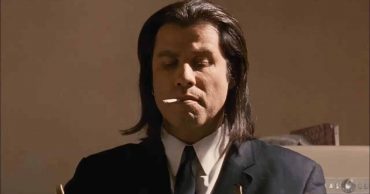
Who’d have thought that criminals like burgers too? Quentin Tarantino‘s sophomore feature film totally flipped the crime genre on its head by stripping back and humanizing people we would normally see as evil. While the characters of Pulp Fiction aren’t exactly people we’d want to encounter in real life, Tarantino made it fun to hang out with them for two and half hours.
The 80s and early 90s crime genre was dominated by muscle-bound action heroes, hyper-stylized noir tropes, and generic, one-dimensional mobsters who only spoke in threats. Tarantino already altered the genre in 1992 with Reservoir Dogs, but he built upon it in 1994 with this Oscar-winning classic. Hearing ruthless hitmen discuss European McDonald’s menus and foot massages right before a hit proved criminals have mundane, everyday lives between crimes. But it wasn’t just the dialogue that made Pulp Fiction so unique; it replaced mindless action with carefully timed bursts of violence, all wrapped up in a non-linear format.

5. Unforgiven (1992)
By the time Unforgiven hit movie theaters in 1992, the traditional Western movie was seen as dead and buried. This was due to decades of cheesy, white-hat vs. black-hat tropes, and overly romanticized versions of the Old West that audiences grew tired of. After pivoting from the genre for a while, Clint Eastwood returned and delivered a much more grounded and realistic look at the Old West.
Unforgiven isn’t your typical Western movie about revenge or justice, it’s a slow-burn character study of a criminal who has to unleash a lethal side of himself that faded when he had children. Eastwood completely removed the romance and exposed the ugly, unglamorous reality of violence. Even the action scenes are understated, showcasing a much slower style, allowing us to feel the full weight of the situation. Will Munny (Eastwood) is not a suave hero; he is an aging, flawed man who struggles to mount his horse and kills out of cold necessity, not glory. This Oscar-winning classic birthed the “anti-Western” or gritty revisionist Western. It showed that the frontier was messy, morally gray, and driven by myth-making, laying the groundwork for darker Westerns like 3:10 to Yuma, Deadwood, and The Revenant.
4. Scream (1996)
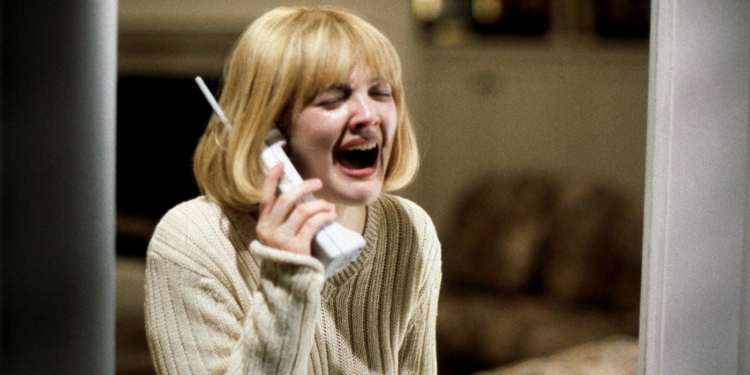
The slasher genre is a sub-genre of horror that feels like it’s here to stay. However, every decade or so, people lose interest as more innovative sub-genres take over. Scream is a prime example of how to get the audience locked in again, delivering the perfect amount of tropes but splicing them with intricate nuances that you wouldn’t think belong in a horror movie.
Wes Craven and Kevin Williamson infused the genre with self-awareness. The characters aren’t mindless targets; they are teenagers who have actually watched horror movies and know the “rules” of how to survive them. In turn, this invented the modern meta-horror film. It blended genuine terror with witty, self-referential comedy, instantly revitalizing the slasher and inspiring a wave of self-aware late-90s horror like I Know What You Did Last Summer and The Faculty.
3. Shaun of the Dead (2004)
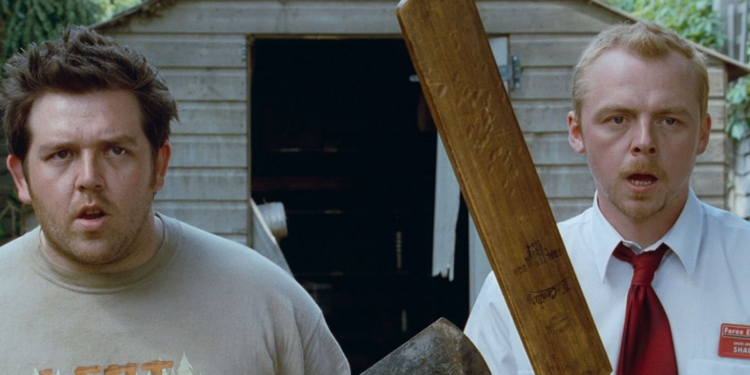
When the trailer for Shaun of the Dead landed back in 2004, it would have been easy to pass it off as another horror movie spoof riding the wave of the Scary Movie franchise. But really, the only spoofing aspect of the film is its name – a comedic play on Dawn of the Dead. Writer/director Edgar Wright chose to instead pay homage to his favorite zombie movies, injected sharp comedy, and treated the horror scenes as if this was a pure, unadulterated terror flick.
Shaun of the Dead elevated homage to an artform. It proved a horror comedy could have incredible cinematography, sharp editing, and real emotional heart. With an underlying romance story and a late coming-of-age arc for Shaun, this film directly paved the way for smart, heartfelt genre-blends like Zombieland and Warm Bodies.
2. Spider-Man (2002)
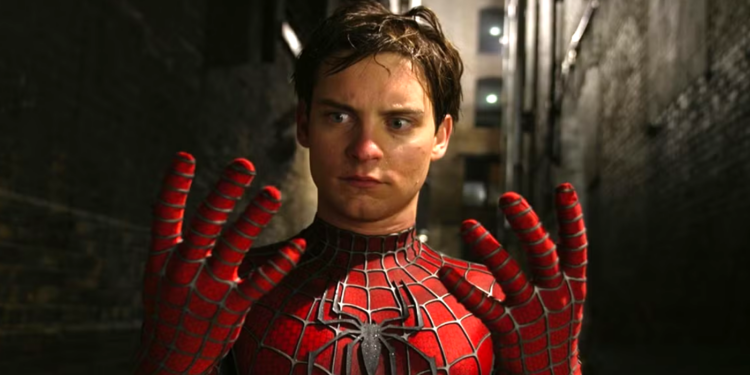
It’s hard to imagine now, but at the turn of the millennium, superhero movies were considered a massive box-office gamble. After the disastrous, neon-soaked failure of Batman & Robin (1997), the majority of Hollywood viewed comic book adaptations as cheesy, niche, and highly risky. While X-Men (2000) proved there was mild interest, Sam Raimi‘s Spider-Man was the true catalyst that turned comic book movies into a dominant cultural force.
Raimi didn’t run away from the comic book heart; he embraced the vibrant color palette, the earnest emotional stakes, and the classic “nerd-makes-good” melodrama. He focused entirely on the “man” over the “super.” Peter Parker isn’t a brooding billionaire; he is a broke kid trying to pay rent, pining after the girl next door, and dealing with everyday teenage rejection. His powers are a burden as much as a gift. This box office smash hit proved superheroes could be bright, colorful, and emotionally resonant. It created the structural blueprint for the modern superhero origin story that the MCU eventually built its empire upon.
1. Casino Royale (2006)
Casino Royale did two major things when it hit cinemas in 2006: it took the James Bond universe back to the gritty brawling style of the Sean Connery era, and reignited the spy genre. As the film that introduced us to Daniel Craig as Bond, a new 007 came with it. The film streamlined the franchise’s tropes, eliminating the gadgets, the camp, and the bulletproof armor. What this did was allow us to really get to know Bond beyond his tough-as-nails allure.
While the action is still there, and when it lands – it’s ruthless – we learn that Bond isn’t unbreakable. Daniel Craig’s Bond bleeds, makes rookie mistakes, gets brutally tortured, and genuinely falls in love – showing the psychological toll of being a government assassin. So, how did this create a blueprint shift? Well, Casino Royale totally reinvented the “gritty reboot” for legacy franchises. It proved you could modernize a middle-aged character by grounding them in visceral, realistic action, a template later echoed by films like Taken.
 Follow Us