Cliffhangers are one of the many tools TV shows use to keep viewers interested, and they’re most often used when a show starts sliding into “boring” territory. Plus, a great cliffhanger is like a shot of espresso to tired eyes when it delivers on its promise. Most shows, though, often save this awesome trick for season finales, when it’s time to say goodbye for another year.
The five television projects on this list did things a bit differently. From brand new revelations to false flags, every episode ends with a reason to keep watching. Whether the show aired on basic cable, premium cable, or plain old network TV, the effect was the same.
1. Damages Made Viewers Wait Five Seasons for One Answer
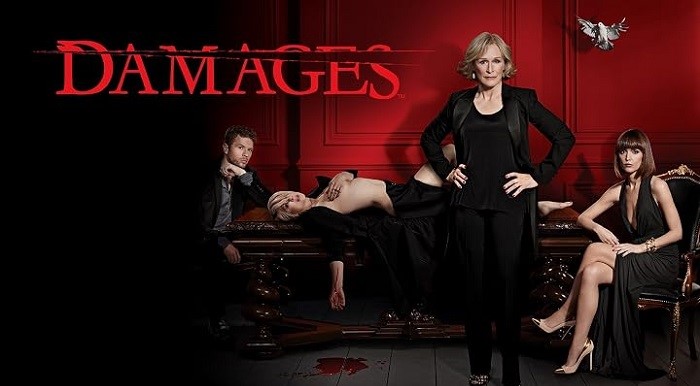
The first scene on Damages shows a woman covered in blood, stumbling around a city street with no idea what just happened to her. That woman is Ellen Parsons (Rose Byrne), and anyone who thought they’d get answers anytime soon had another thing coming. The show splits every season into two timelines, one in the present and one flashing forward to show exactly how everything ends. This ultimately meant that each episode simply added one more piece to a puzzle audiences couldn’t fully see yet.
Glenn Close plays Patty Hewes, a lawyer so shady she makes used car salesmen look like saints. Is she Ellen’s mentor or the person trying to destroy her? FX aired three seasons, and then DirecTV swooped in to finish the story. The 2012 finale finally confirmed what everyone suspected. Patty was both. She had indeed ordered the hit on her own protégée, an attack Ellen barely survived, earning that status as a two-faced villain who hid her intentions behind a mask of compassion. Would that reveal have landed half as hard without several fake-outs that trained audiences to distrust every calm scene? Probably not.

2. The Blacklist Turned One Question Into Ten Seasons of Television
James Spader plays Raymond Reddington, a career criminal who walks into FBI headquarters like he owns the place and offers them a deal. He’ll hand over dangerous criminals one by one, but only if a fresh-out-of-Quantico profiler named Elizabeth Keen (Megan Boone) works every case with him. That was a deal that sounded simple enough. It was anything but simple.
Every closed case just made viewers ask the same question louder. Who is Raymond Reddington really, and why does he care so much about Agent Keen? Even when the show killed her off in the season 8 finale, the mystery somehow got even bigger. Season 9 revealed that someone in Reddington’s own inner circle had orchestrated the whole thing. NBC ran the show for 10 seasons and 218 episodes. That’s a lot of secrets to keep straight.
3. Homeland Found A Way to Make Audiences Forget How Many Times Brody Should Have Died
By the end of season 3, Nicholas Brody had survived so many close calls that fans started joking he was secretly immortal. He’d walked away unscathed from a suicide bombing that should have ended him but went sideways. He had his cover blown more times than anyone can count and was also tangled up in enough scandals to end a dozen political careers. Damian Lewis played him with this exhausted, haunted look that made viewers feel bad for him even when he was doing terrible things.
Then the season 3 finale happened. Brody helps assassinate an Iranian official, and Claire Danes‘s Carrie Mathison can only sit in a car and watch as he’s hanged in a Tehran courtyard. This time, though, there was no last-second rescue for a character most viewers had started rooting for. Showtime kept the show going for five more seasons after that, following Carrie through crisis after crisis. But honestly, none of it would have hit nearly as hard without those three seasons of near misses first.
4. How to Get Away With Murder Put the Spoiler in the Title and Still Surprised Viewers
The title literally tells the viewer the premise: these people get away with murder. It’s enough to make the show boring. So creator Pete Nowalk had to get creative with the how and the who, and he did it by dropping a fresh body or a courtroom bombshell at the end of almost every season. Viola Davis played Annalise Keating, a law professor who spent six years helping her students hide evidence, frame people, and turn on each other in increasingly messy ways.
The marketing leaned into it so hard that guessing who would die each season became its own fan sport, like fantasy football but with more crying. The 2020 finale used a flash-forward to reveal Annalise’s fate only after a full trial and a speech that basically summed up her entire mission statement. Watching the pilot after that finale feels like reading a book where someone already highlighted all the important parts.
5. The Walking Dead Broke the Internet With One Bat Swing
Fans of The Walking Dead were not okay for six months. The season 6 finale of AMC’s zombie series ended with Negan (Jeffrey Dean Morgan) beating someone to death with a baseball bat, and then the screen cut to black right away without revealing who it was. Fans spent the entire summer arguing about it, which is the kind of thing one only experiences after a series finale, not a cliffhanger one has to sit with for six months.
Season 7 finally confirmed it was Glenn (Steven Yeun) and Abraham (Michael Cudlitz), and yes, people are still mad about Glenn. The show ran for 11 seasons total, based on Robert Kirkman‘s comics, and it ended episodes on screams and gunshots and faces caught just out of frame so often that it became a running joke. Did it always work? No. But the long waits for these revelations certainly made for interesting conversations.
 Follow Us


