For many viewers, Phoebe Waller-Bridge begins and ends with Fleabag. The British comedy-drama’s success was so overwhelming that it became easy to forget it was not the starting point of her career. While that series earned major awards and cultural attention, it represents only a fraction of her influence across film, television, and theater. Long before the awards and acclaim, Waller-Bridge was already developing a distinctive voice as a writer and performer.
Her creative choices have earned her respect within the industry, even if broader recognition has lagged behind. She has quietly shaped some of the most talked-about projects of the last decade, often without the recognition accorded her peers. From revitalizing existing franchises to creating original characters that feel startlingly real, her contributions are both wide-ranging and impactful.
A Writer Who Redefined Modern Television
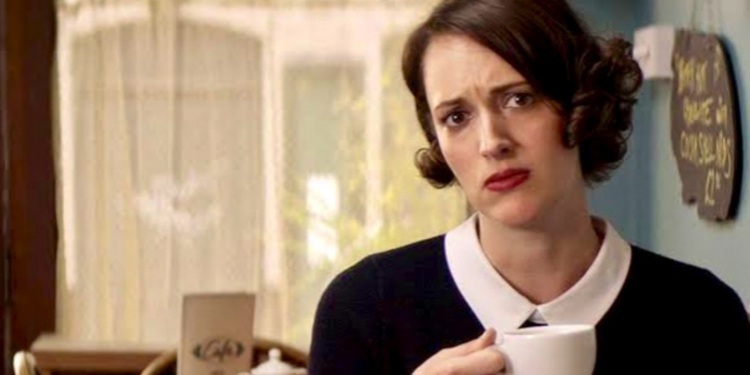
Phoebe Waller-Bridge’s influence on modern television begins with her fearless approach to storytelling. She writes characters who are flawed, contradictory, and often uncomfortable to watch, yet deeply recognizable. Rather than smoothing over emotional messiness, her scripts lean into it, allowing humor and pain to coexist. This approach helped shift expectations around what television comedy could achieve, especially when driven by character rather than punchlines.
Her breakout series Fleabag stands as a clear example of how she reshaped narrative structure on television. Fleabag, which began as a one-woman stage play, became a television phenomenon for its fearless honesty. By directly addressing the audience, Waller-Bridge turned the fourth wall into a storytelling tool rather than a gimmick. The device created intimacy, drawing viewers into the protagonist’s inner life while also exposing her self-deception.
Beyond her own creations, Waller-Bridge’s impact extends to projects where she helped define tone and voice. Her work on the Killing Eve TV series further demonstrated her range as a storyteller. As the head writer for the first season, Waller-Bridge helped establish the show’s unique mix of thriller tension and dark comedy. The dynamic between Eve Polastri (Sandra Oh) and Villanelle (Jodie Comer) was defined by sharp dialogue and psychological complexity, setting the foundation for the series’ success. Although Waller-Bridge stepped back after the first season, the tone she established remained central to the show’s identity.
Phoebe Waller-Bridge is an Actress Who Elevates Every Role
While writing is often her primary focus, Phoebe Waller-Bridge is also a compelling screen presence. Her breakout performance in Fleabag remains the clearest example of her acting instincts. The character is deeply flawed, frequently contradictory, and emotionally guarded, yet Waller-Bridge makes her impossible to dismiss. She invites the audience into the character’s inner world without asking for sympathy, trusting viewers to form their own judgments. That balance between intimacy and distance is difficult to achieve and speaks to her confidence as a performer. It is a performance built on control rather than excess.
While she hasn’t racked up many major acting roles, Phoebe Waller-Bridge has consistently delivered impactful, memorable performances. Outside of her own creations, Waller-Bridge brings a similar level of intention to supporting roles. In Solo: A Star Wars Story, her voice performance as L3-37 gave the character a distinct personality that went beyond comic relief. She infused humor with purpose, turning a secondary character into one of the film’s most memorable presences.
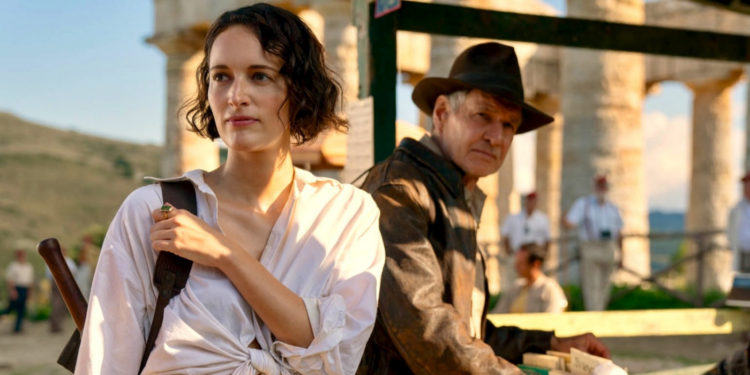
Phoebe Waller-Bridge’s role in Indiana Jones and the Dial of Destiny further demonstrated her ability to enhance a story without overwhelming it. Sharing scenes with an iconic lead, Waller-Bridge delivered a sharp, skeptical, and emotionally grounded performance. She avoided playing a familiar archetype—a generic sidekick—instead giving the character dimension and agency. These choices reflect an actor who understands how to serve the story first, which is precisely why her performances linger long after the credits roll.
Phoebe Waller-Bridge Has Been a Creative Force Behind the Scenes
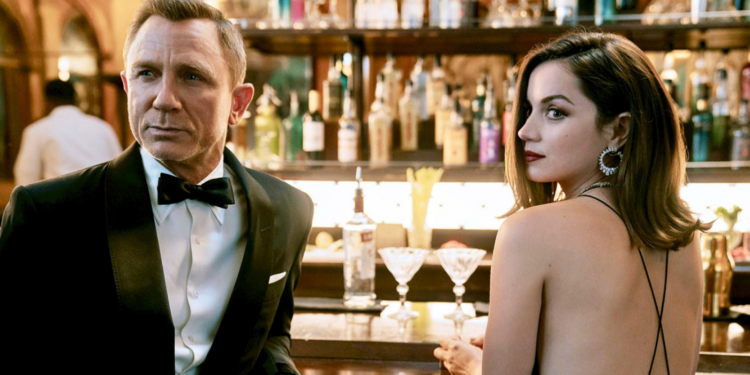
One of the least visible but most significant aspects of Phoebe Waller-Bridge’s career is her behind-the-scenes influence. She has been brought in to work on major film scripts, often without formal credit, because studios trust her instincts. Waller-Bridge’s reported involvement in refining the screenplay for Daniel Craig’s final James Bond film, No Time to Die, is a clear example of how valued her perspective has become. These contributions rarely generate headlines, yet they shape the final product in meaningful ways.
Hollywood frequently relies on writers who can sharpen dialogue and deepen character motivation without rewriting an entire script. Waller-Bridge has become one of those trusted voices, particularly for projects seeking a balance between emotional weight and entertainment. This kind of work is both demanding and discreet, so it often goes unnoticed by the general public. As a result, her impact is larger than her public profile suggests. Her most recent project is Amazon MGM Studios’ upcoming TV series Tomb Raider, where she serves as developer and showrunner.
Why Phoebe Waller-Bridge Still Largely Remains “Underrated” in Hollywood
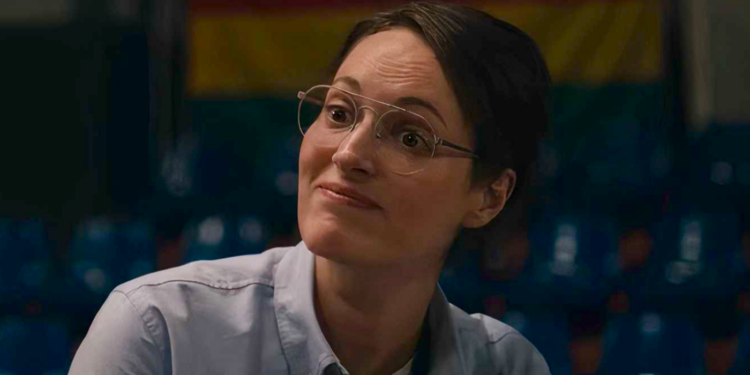
Calling Phoebe Waller-Bridge underrated is not a dismissal of her awards or acclaim. However, it is a recognition of how narrowly her talent is often discussed. Many conversations still center almost exclusively on Fleabag, overlooking the breadth of her work. When creators are defined by a single project, their wider influence can fade into the background. In Waller-Bridge’s case, that influence spans genres, formats, and roles.
Another reason the label persists is her refusal to fit neatly into one category. She is not only a writer, or only an actor, or only a producer. She moves fluidly between these roles, which can make it harder for audiences to grasp the full scope of her career. Hollywood often prefers clear labels, and Waller-Bridge’s versatility resists that simplicity.
There is also the question of visibility versus impact. Waller-Bridge does not constantly promote herself or maintain a relentless public presence. Instead, she lets the work speak for itself, even when that work happens quietly behind the scenes. In an era driven by constant exposure, this approach can lead to underestimation, even when Phoebe Waller-Bridge’s results are undeniable.
 Follow Us