The Greatest Showman became the rare modern musical that refused to die after opening weekend. It grew through repeat viewings, viral soundtrack momentum, and a cast that audiences genuinely wanted to follow outside the circus tent. In 2026, people are not just searching “who is in it.” They are searching ages, relationship status, and what each performer did next, because the movie effectively turned into a star-making machine for multiple lanes at once.
This is a cast-first breakdown, with each H2 focused on a real person. You will see who carried the vocals, who had the most screen-time leverage, and who used The Greatest Showman as a springboard into bigger franchises or prestige projects. If you like cast rabbit holes, this format works the same way as other “where you know them from” guides such as cast explainers.
Hugh Jackman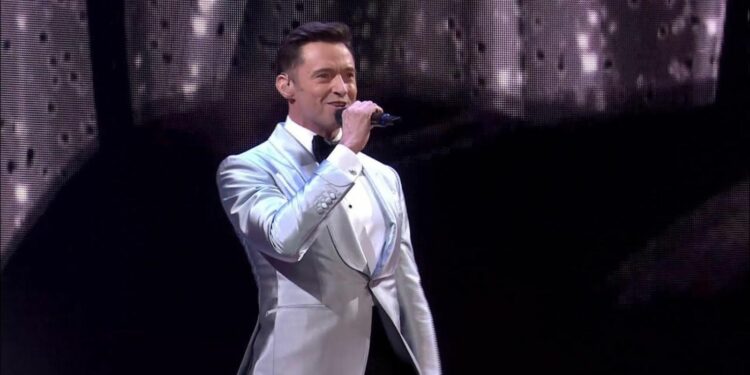
Hugh Jackman plays P.T. Barnum, and he is the engine that makes the film’s optimism feel earned instead of corny. His biggest advantage is that he can sell spectacle while still sounding like a real human being. By the time The Greatest Showman landed, Jackman already had the rare “global star plus stage credibility” combo, so the movie did not introduce him. It rebranded him as a modern musical lead for a new audience.
Since The Greatest Showman, Jackman’s career has continued to balance prestige and crowd-pleasers. He is the type of performer whose name alone can lift a project’s financing. That is why his presence still drives searches the same way big franchise names do, and why people keep revisiting his filmography the way they do with other long-running Hollywood anchors like career deep dives.
Zac Efron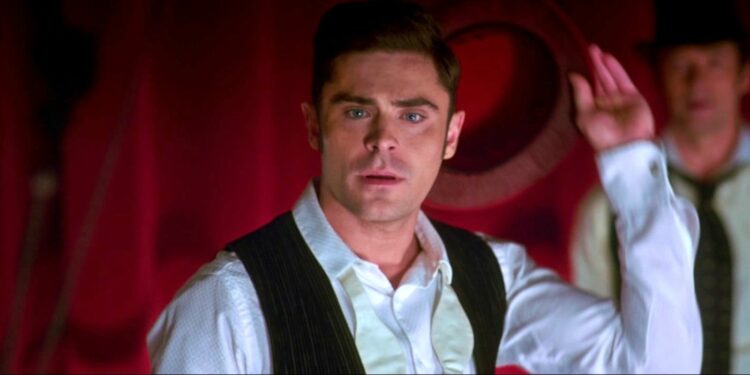
Zac Efron plays Phillip Carlyle, and his job is to be the audience’s “entry point” into the Barnum world. Efron’s performance works because he is believable as both a romantic lead and a guy learning how to be brave in public. The most valuable thing The Greatest Showman did for him was repositioning: it helped him move from former teen idol to adult leading man with musical credibility.
After The Greatest Showman, Efron leaned into physically demanding roles and projects that sell transformation. That range keeps him clickable, because audiences love “before and after” narratives, especially when a familiar face starts taking riskier work. That same curiosity is what fuels net worth and career-turn articles such as net worth roundups and “what happened to” searches.
Zendaya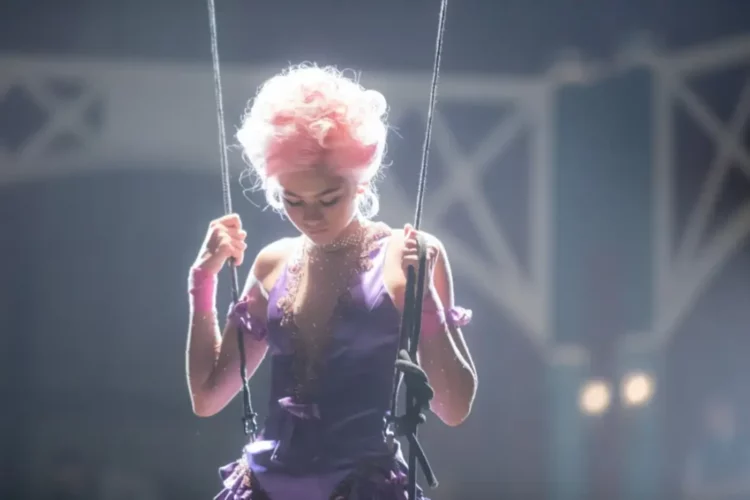
Zendaya plays Anne Wheeler, and her impact is bigger than her screen time because the film gives her the most emotionally resonant romance arc. She also benefits from a simple truth: the camera loves her, and she moves like a dancer even when she is standing still. For many viewers, The Greatest Showman was their first “oh, she is the real deal” moment before she became a defining face of prestige television and blockbuster cinema.
Since The Greatest Showman, Zendaya’s career has operated like a blueprint for modern stardom: selective roles, high-fashion visibility, and performances that keep expanding her credibility. She is also a magnet for “how old is she” and “where have I seen her” searches, the same behavior patterns driving cast-focused traffic across the site, including big-franchise interest like cast ranking pieces.
Michelle Williams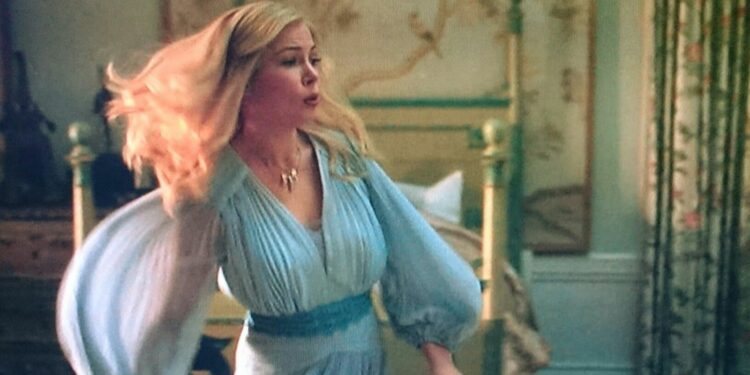
Michelle Williams plays Charity Barnum, and she brings an emotional seriousness that stops the movie from floating away into pure fantasy. Williams is a prestige-first performer, so her presence adds legitimacy. In a cast full of big musical swings, she grounds the story with restraint, which is why her scenes land even for people who do not normally like musicals.
After The Greatest Showman, Williams continued to stack awards-caliber work while also stepping into higher-profile mainstream roles. That blend matters, because it keeps her in both critical conversations and mass-audience recommendation loops. In terms of search behavior, she tends to spike when people watch one project, then spiral into “what else has she done” lists, similar to how actor-focused pieces like roles roundups perform.
Rebecca Ferguson
Rebecca Ferguson plays Jenny Lind, and she delivers the film’s most “mythic” performance, with a character written like a legend walking into a room. Ferguson’s advantage is her screen presence: she can look like a star from another era while still feeling modern. Even though the vocals are not her own, the performance still works because she sells the power dynamic and the tension.
Since The Greatest Showman, Ferguson has moved deeper into franchise-level visibility and high-profile films. That trajectory is exactly what audiences love to track, because it turns a supporting role into a “before they were everywhere” moment. It is the same curiosity that drives searches for rising stars such as everything guides.
Keala Settle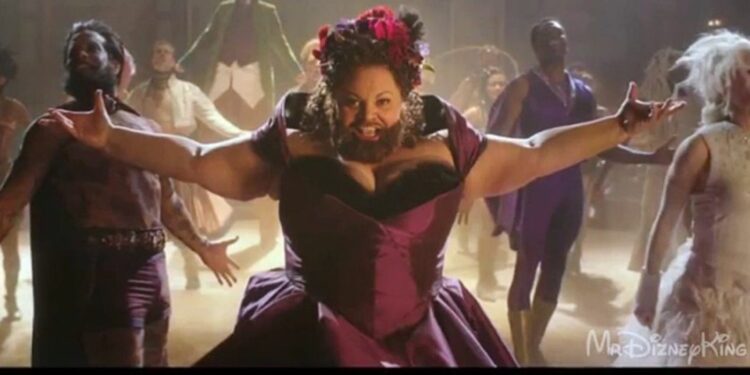
Keala Settle plays Lettie Lutz, the bearded lady, and she owns the film’s emotional center through “This Is Me.” Settle’s role matters because it is not just a performance, it is a statement. The moment became a cultural clip, a karaoke staple, and a confidence anthem that helped push the soundtrack into long-term relevance.
After The Greatest Showman, Settle’s career has been powered by vocal identity: the kind of voice audiences remember instantly. That can create a durable career in live performance, theatre, and selective screen roles, because the brand is the instrument. The search intent is usually song-driven first, then cast-driven second, which is why musical cast lists keep ranking alongside celebrity deep dives.
Jeremy Jordan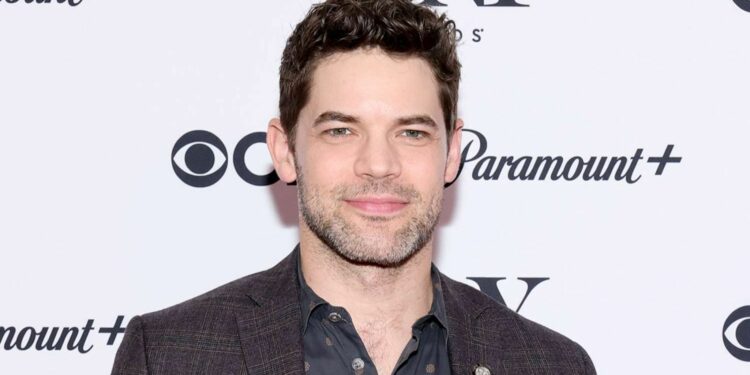
Jeremy Jordan plays Phillip Carlyle’s singing voice, and that detail alone has become a constant search query because so many viewers rewatch the movie and realize the vocals do not match the face. Jordan is a Broadway and stage powerhouse, so the soundtrack becomes a showcase of what he does best. The internet loves “who actually sang it” trivia, and Jordan benefits from that recurring discovery cycle.
Since The Greatest Showman, Jordan has continued to build a career around vocal performance and stage credibility, which is a different lane than mainstream celebrity fame but often just as stable. People who care about singing talent tend to go deep, and once they learn the truth, they start hunting for other work, which is why cast and voice articles such as voices lists pull strong interest.
Paul Sparks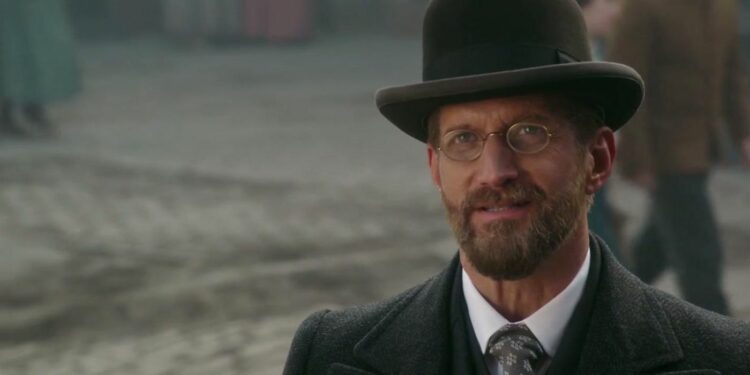
Paul Sparks plays James Gordon Bennett, and his role is smaller but important because he represents the “old power structure” Barnum is fighting against. Sparks is a classic character actor whose face shows up in serious television and films, so viewers often recognize him without knowing his name. That recognition is exactly what creates cast-search spikes.
After The Greatest Showman, Sparks continued to appear in prestige projects where his job is to sharpen tension and add realism. These are the careers that quietly become enormous in credit count and consistency. If you want to understand why people keep clicking cast explainers, it is because actors like Sparks trigger the “where do I know him from” reflex every time.
Sam Humphrey
Sam Humphrey plays Charles Stratton, the performer Barnum brands as General Tom Thumb, and he is one of the film’s emotional anchors. The part works because Humphrey sells two things at once: the charm of a crowd pleasing act and the private sting of being treated like a novelty. That tension is why audiences remember him long after the big musical numbers fade and why “Tom Thumb actor” searches spike after rewatches.
Outside the film, Humphrey’s public profile is naturally quieter than the marquee stars, but the role still carries long tail visibility because the movie itself never really leaves rotation. What also keeps interest alive is his off screen story. He has spoken openly in interviews about living with a rare form of dwarfism and the confidence battles that came with it, which adds context to why his performance lands as more than just spectacle.
 Follow Us