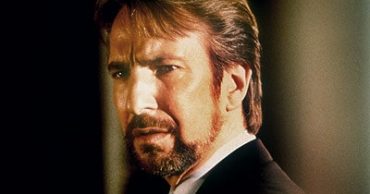
Idiocracy is one of those cult comedies that keeps getting rediscovered because the premise is simple, uncomfortable, and weirdly easy to quote. What people keep searching for in 2026 is not just “who was in it,” but what the cast did after playing a world that feels closer every year. This breakdown focuses on the actors first, with the characters they played and the most relevant career beats since the film.
If you are building a watchlist off cast rabbit holes, this is the kind of cast guide that helps you connect dots fast. You will see who pivoted into prestige TV, who became a voice acting staple, who quietly stacked credits, and who used Idiocracy as a strange little stamp on an already long career.
Luke Wilson
Luke Wilson plays Joe Bauers, the “average guy” protagonist whose normalcy becomes a superpower in the future. His performance works because he stays grounded while everything around him spirals into absurdity. After Idiocracy, Wilson leaned into steady, character-driven work rather than chasing a single defining franchise. He appeared in films like Old School earlier in his career, but in the years since, his best moves have been playing sincere, human roles that keep the satire from turning into pure cartoon.
What makes Wilson’s post-film arc interesting is the consistency. He has remained a recognizable lead who can also blend into ensembles, which is why he keeps popping up in mid-budget movies and TV projects that do well on streaming. That staying power is exactly what turns a cult credit into long tail relevance, especially when audiences keep rewatching Idiocracy and then looking up “where is he now.”
Maya Rudolph
Maya Rudolph plays Rita, and she is the movie’s secret weapon because she sells the emotional stakes without flattening the comedy. Her post-Idiocracy career became a masterclass in range: sketch comedy, voice work, ensemble films, and high-profile TV. Rudolph’s real advantage is that she can do heightened humor while still feeling like a person, which keeps her in demand across formats.
She also became a major voice acting presence, which is one of the smartest ways performers build durable careers without relying on one breakout role. If you track the way actors quietly dominate animation, you start to see the same pattern over and over: consistent work, recurring characters, and long-term studio relationships. It is the same ecosystem that makes “voices you recognize” lists blow up, like actors showing up in unexpected franchises.
Dax Shepard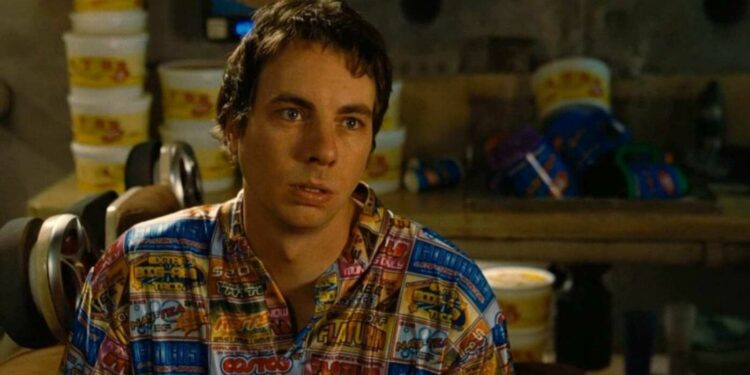
Dax Shepard plays Frito Pendejo, and the performance is deliberately loud, fast, and weirdly charming. Shepard’s later career became more multi-lane: acting, hosting, producing, and building a public-facing brand through long-form conversations. If you look at who survives past the “comedy sidekick” phase, it is usually the people who create an additional platform that does not depend on casting directors.
Shepard’s trajectory is a reminder that cultural relevance does not always come from the next movie. Sometimes it comes from controlling your own distribution, showing up weekly, and becoming a personality audiences follow wherever you go. That is the same business logic behind modern entertainment fortunes, even when people are not listed in net worth headlines.
Terry Crews
Terry Crews plays President Camacho, and the role is basically an energy drink turned into a human being. Crews makes it work because he commits fully, with a performance that is both ridiculous and weirdly commanding. After Idiocracy, Crews leveled up into one of the most recognizable entertainers of his generation through sitcom success, hosting, commercials, and action-comedy roles.
His career also shows how a performer can become “brand-safe” without becoming boring. That balance matters, because it creates repeat opportunities across TV, streaming, and family-friendly projects. Crews is proof that the right comedic persona can turn into a long-term business asset, especially once audiences reframe Idiocracy as a cult classic and re-evaluate who carried the movie.
Justin Long
Justin Long plays Dr. Lexus, the smug, corporate-coded “smart guy” who is not actually as smart as he thinks. Long’s strength is timing: he knows exactly how to push arrogance without breaking the scene. Since Idiocracy, he has kept a steady career across comedy, genre films, and guest TV roles, often showing up in projects that become streaming staples years later.
Long is also part of a larger pattern where actors who are “reliably watchable” become more valuable over time because audiences keep meeting them again through algorithmic recommendations. You see it constantly when a movie jumps platforms, spikes, and then people start searching the cast because they recognize a face but cannot place it.
David Herman
David Herman plays multiple roles in the film, including the sarcastic narration and supporting characters that help the world feel lived-in. Herman’s real dominance has been voice acting, where his range turns him into a behind-the-scenes engine for animated series. That kind of career is easy to underestimate because it is not always celebrity-forward, but it is often the most stable path in the industry.
Voice work also creates a different kind of fandom. People might not know the name immediately, but they know the sound. Once audiences connect the dots, they go on deep dives the same way they do with animation casts and gaming casts, because “where else have I heard that voice” is a never-ending search loop.
Patrick Fischler
Patrick Fischler plays a memorable supporting role that adds texture to the chaos, and he represents the “that guy” category of actors who make everything better in small doses. Fischler’s career is built on steady character work across TV and film, often in projects that reward repeat viewing. These are the careers that do not trend every week but quietly become enormous when you look at total credits.
He is also the kind of performer audiences spot in prestige TV and immediately want to identify. That behavior is a huge driver for cast articles, because people do not just want trivia. They want to map familiar faces across decades of shows and movies, the same way they do when chasing cast connections through rankings pages or franchise deep dives.
Mike Judge 
Mike Judge is the creative mind behind Idiocracy, and his fingerprints matter because his style is specific: observational satire that is funny because it is plausible. Judge’s broader career includes creating and shaping projects that became cultural reference points. The big takeaway is that his work ages in a way most comedies do not, because he builds jokes on incentives, systems, and human laziness rather than just punchlines.
In 2026, the movie’s longevity looks less like a “random cult hit” and more like a predictable outcome of Judge’s comedic worldview. When people call Idiocracy “ahead of its time,” what they usually mean is that the satire was rooted in behavior patterns that did not change, they just got louder. That is also why audiences who like satire often overlap with people who binge director-focused ranking content and style breakdowns, similar to how cinematography ranking lists pull in obsessive viewers.
 Follow Us