It’s easy to assume that Hollywood fame, fortune and global adoration act as an invisible shield against suffering. Yet there’s an age-old saying that goes “money can’t buy you happiness”. The truth of the matter is that mental health doesn’t care about box office numbers or red carpet glamor. In fact, this can often compound the problem.
Underneath the polished celebrity images and electrifying performances are real human beings engaged in intense personal struggles. A-list stars are not immune to the overwhelming pressures of life. In the face of intense media attention, these five actors have decided to peel back the glamorous facade of Hollywood and use their influential voices to debunk stereotypes and reassure everyone that it is perfectly okay to not be okay, and there is a path to feeling better.
5. Will Poulter
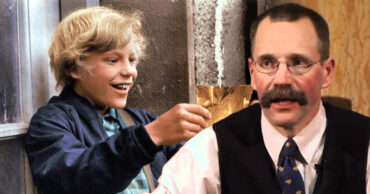
Will Poulter rose to fame at a tender age, something that can put tremendous pressure on any child. However, before the public attention came his way, he was already battling mental health issues. He has lived with severe obsessive-compulsive disorder, generalized anxiety, and chronic intrusive thoughts since childhood. On Fearne Cotton’s Happy Place podcast, he opened up about how isolating OCD felt before he had the language or diagnosis to understand what he was experiencing.
Poulter has become one of the more outspoken young actors on the subject, pushing back against the double standard he sees in how society treats mental versus physical health – arguing that a broken leg earns far more sympathy and patience than a mind that needs some extra help. Despite the weight of his condition, he’s continued to build an impressive career, taking on demanding, high-profile roles in projects like The Bear and various Marvel films. He has shared the screen with heavyweights like Leonardo DiCaprio, Tom Hardy, and Chris Pratt, proving that mental health issues can be overcome even in the most high-pressure environments.

4. Florence Pugh
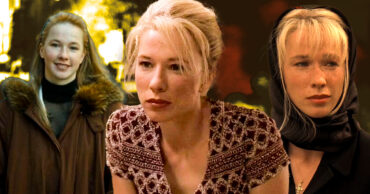
Although she is relatively new to Hollywood, Florence Pugh has left an impressive mark both on and off screen. She is a massive advocate for de-stigmatizing mental health issues in media. While promoting Thunderbolts*, she spoke candidly about the importance of discussing anxiety, depression, and vulnerability. Pugh praised the film for tackling themes of depression and shame on a massive commercial blockbuster budget, something that is rarely seen in these kinds of films. Crucially, her words come from a place of wisdom as someone who has suffered herself.
In a vulnerable interview on The Louis Theroux Podcast, she dove into a period in her own life when she suffered, revealing that her immersive rendition in the 2019 horror film Midsommar plunged her into six months of depression. To authentically portray her character Dani’s extreme grief, Pugh admitted she “abused” and manipulated her own emotions. She would project horrific scenarios, like imagining her own family’s funerals, to stay in character. She noted that she didn’t realize the psychological damage until after she wrapped production and went straight into filming the light-hearted Little Women. By Christmas that year, she faced a severe depressive wave and recognized it was the unaddressed fallout from Midsommar.
3. Ben Affleck
If you want an example of how cruel the internet can be, look no further than the “sad Affleck” memes that have been circulating for years now. While Ben Affleck has stated he at first found them funny, that soon shifted when he worried about the impact it would have on his children. While most people post these memes in a light-hearted manner, they come with a level of disrespect as they are actively making fun of a person who has long struggled with mental health issues.
Affleck revealed in a Good Morning America interview that he has experienced depression and anxiety, and has taken various antidepressants since he was 26 years old. He explained that he often used alcohol to numb painful feelings, anxiety, and depression, creating a relentless cycle where the substance ultimately worsened his underlying mental health conditions. His story serves as a broader commentary on celebrity culture – a reminder that the unguarded moments turned into viral content often represent something far more human and painful than they appear.
2. Jon Hamm
Jon Hamm has spoken frankly about a lifelong struggle with depression rooted in early, significant loss. His early years were stricken by grief, losing his mother at age 10 and his father at age 20. The Mad Men star has described how that second wave of grief left him completely unmoored, admitting he was in what he’s called “bad shape” during that period.
Hamm has been especially open about the role therapy and antidepressants played in his recovery, crediting them with helping reset his brain chemistry enough that he could get out of bed, rather than sleeping through the day as he once did. What sets Hamm’s story apart is how directly he frames mental health treatment in practical, almost mechanical terms. With a similar analogy to Will Poulter, Hamm has compared antidepressants to a cast on a broken bone – a tool that allows the body, or in this case the mind, to heal properly. It’s a comparison that continues to resonate with fans looking to destigmatize medication as part of mental health care.
1. Alan Ritchson
Alan Ritchson, the towering star of Amazon’s Reacher, has spoken in-depth about a mental health journey that nearly ended in tragedy. In 2019, he attempted suicide before being diagnosed with bipolar disorder at age 36. He later received an ADHD diagnosis at 40. Discussing the experience on the Inside of You podcast and in a 2024 interview with The Hollywood Reporter, Ritchson described how a vision of his three sons, imagined as adults, stopped him in the moment.
He has since become vocal about how his symptoms show up on set – depressive episodes that he sometimes masks by working harder, and manic episodes that can surface as intense perfectionism or impulsive spending. What makes Ritchson’s story really hit home is how it turns assumptions on their head. A six-foot-three action star who’s known for physical roles, he’s not the image most people associate with mental illness – proof that these struggles are totally invisible, even in someone who looks like they possess the strength of a superhero.
Read Next: This 2002 Adam Sandler Movie Predicted The Gen Z Mental Health Crisis
 Follow Us