The Sound of Music remains one of Hollywood’s most beloved musicals. Released on March 2, 1965, The Sound of Music was based on the 1959 stage musical, which was adapted from Maria von Trapp’s 1949 memoir The Story of the Trapp Family Singers. While a fictional retelling of the memoir, the 1965 film became a critical and commercial hit.
Six decades after its release and with most of its original cast dead, The Sound of Music continues to attract younger and newer generations of audiences. Beyond its long list of remarkable stories and musical numbers, The Sound of Music has its fair share of Easter eggs and behind-the-scenes facts. Here are 10 facts you probably didn’t know about The Sound of Music’s production at the time.
1. The Real Maria von Trapp Makes a Cameo in the Wedding Scene
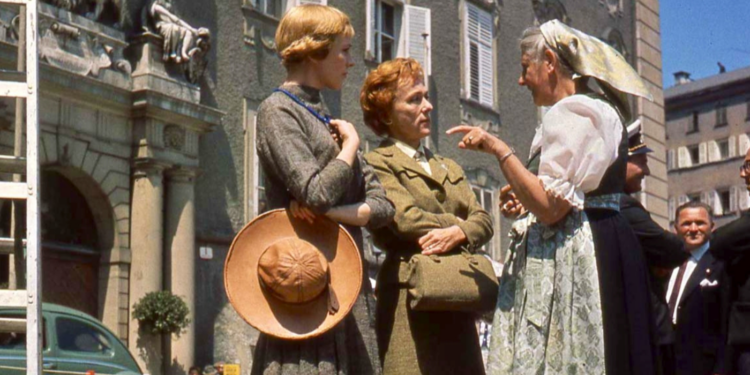
Director Robert Wise consulted the real Maria von Trapp for certain inputs during production. She was occasionally on set during filming. As Julie Andrews walks towards the church in the wedding scene, the real Maria von Trapp is one of the extras who look on just outside the church doors. Given that the real Maria von Trapp was relatively unknown to most viewers, many missed her brief appearance in the film.

2. The Real von Trapp Children’s Names and Ages Were Changed for Legal Reasons
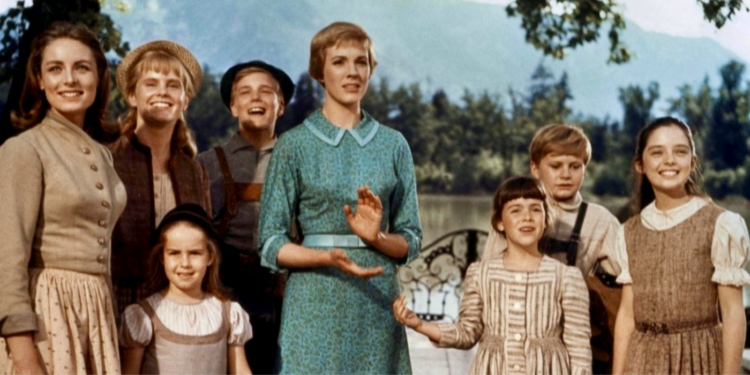
The filmmakers changed the real von Trapp Children’s names for privacy. The studio wanted to protect the family’s real identity. Their ages and birth order were also changed to support the script. The real siblings were closer in age than the film suggested. These choices gave the writers greater freedom in character arcs and clearer contrast in storytelling. The goal was a more family-friendly story.
3. Christopher Plummer Accidentally Called Julie Andrews “Captain,” and the Mistake Stayed in the Film
Christopher Plummer slipped during the heated argument scene between his Captain von Trapp character and Julie Andrews’ Maria. In the heated argument, Plummer mistakenly calls Andrews “Captain.” The moment came from pure instinct, not a scripted line. Plummer, who realized the mistake instantly, continued the scene without interruption. Director Robert Wise loved the slip’s natural feel, believing the mistake added charm to the tense moment.
4. Maria’s Courtyard Trip in “I Have Confidence” Was Also an Accidental Slip That Was Kept in the Final Cut
Maria’s stumble during the “I Have Confidence” sequence was never planned. Julie Andrews slipped while running across the courtyard toward the von Trapp villa. The uneven ground caused her foot to catch, which briefly sent her off balance. Since the moment looked natural, the cameras kept rolling. Director Robert Wise later reviewed the footage and realized the fall added emotional truth to the scene, and decided to keep it.
5. Julie Andrews Almost Declined Playing Maria Because It Felt Too Similar to Mary Poppins
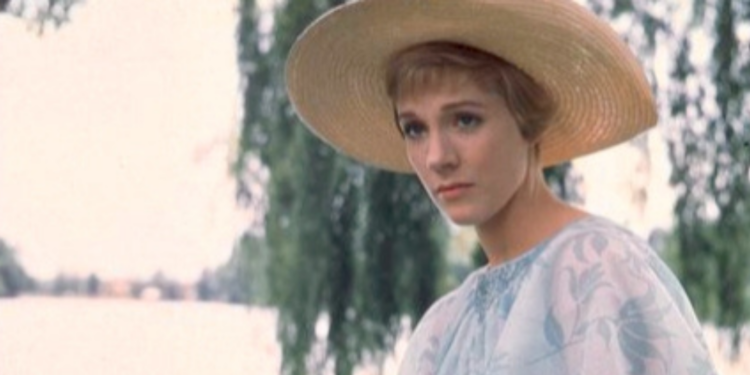
While it’s almost impossible to imagine anyone else as Maria, Dame Julie Andrews nearly turned down the role. She feared the character felt too close to her part in Robert Stevenson’s live-action animated musical fantasy Mary Poppins. She worried audiences might see both roles as identical. However, director Robert Wise never doubted Andrews. She remained his first and only choice for Maria after taking on the project. Andrews was already respected on Broadway, yet few had watched her on film. Mary Poppins had not been released when The Sound of Music’s casting began.
6. Christopher Plummer Disliked His Character and the Movie
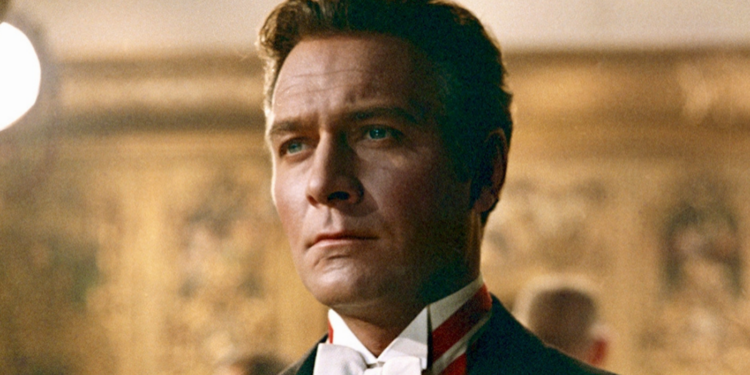
Christopher Plummer struggled with the film’s cheerful tone during production. He disliked the movie’s sentiment and often joked about it. He used teasing nicknames to express his discomfort, calling the movie “The Sound of Mucus” or “S&M” and referring to Julie Andrews as “Ms. Disney.” However, despite this tension, Plummer’s polished performance never reflected his private doubts. Julie Andrews later admitted that Plummer’s cynicism grounded the film’s emotion.
Christopher Plummer also reportedly battled personal stress throughout filming. He drank and ate heavily during production in Austria, with his indulgence eventually affecting his costume fittings. Plummer later admitted that his habits reflected his moods. In later years, he also admitted he had misjudged Andrews during early filming and praised her kindness. Their friendship lasted until Plummer’s death.
7. The Real Archbishop of Salzburg Appears in the Wedding Scene
The wedding scene faced a surprising issue during filming. The actor hired to play the bishop never arrived at the altar. This wasn’t his fault, as the crew forgot to call him to the set at the right time. This created an unexpected gap in a very important scene. Just like the real Maria von Trapp hung around the set during the wedding scene, the real then-Archbishop of Salzburg, Andreas Rohracher, also happened to be present at the location. He agreed to appear, adding an authentic and memorable twist to the scene.
8. The Film Employed 4,500 Extras
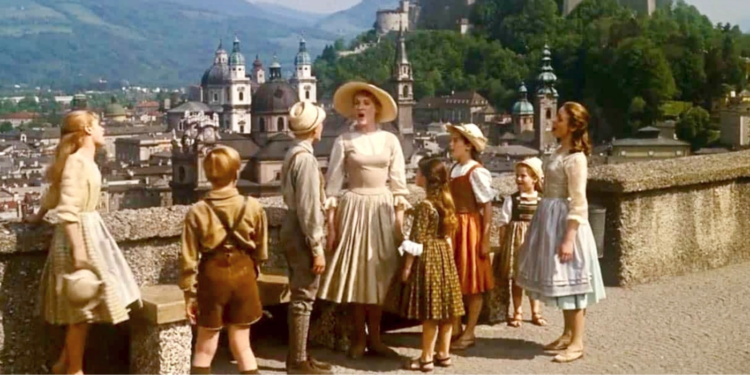
The Sound of Music used an incredible 4,500 extras during production. Although the main cast was quite a handful, the studio also held large casting calls across the region. Many of the extras came from the filming location. Although not every one of them was credited, their presence contributed to the success of one of cinema’s greatest musicals.
9. Debbie Turner’s Loose Teeth Led to Multiple On-Set Replacements
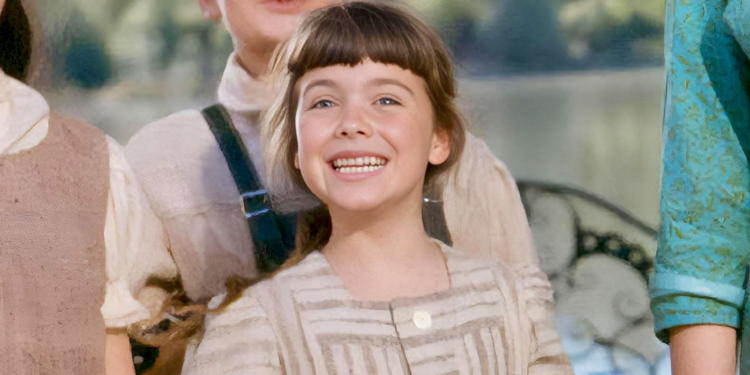
Debbie Turner, who portrayed Marta von Trapp, was 8 years old when The Sound of Music was released. Being younger during production, she had many loose baby teeth, which created continuity problems for the crew. When a tooth fell out during production, the makeup team quickly stepped in with a solution. They fitted her with small false teeth to keep her smile consistent on camera.
10. Cast and Crew Wore Skirts at Nonnberg Abbey to Respect the Nuns
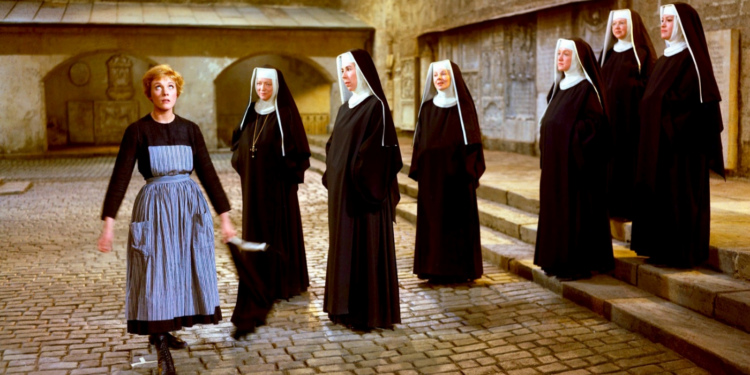
While filming at Nonnberg Abbey in Salzburg, the production team followed strict dress guidelines. Female cast and crew members wore skirts instead of trousers. The decision aimed to respect the resident nuns’ traditions. The Abbey’s rules reflected its centuries-old religious customs.
 Follow Us