Every film and television project begins with a vision, but not all of them follow the same path to completion. Studios set deadlines, directors map out schedules, and actors commit to projects that typically wrap within months or a few years. This system helps control budgets and ensures that films reach audiences on time. However, a handful of filmmakers reject that pace entirely, choosing instead to let their projects unfold over many years.
When filming stretches over a decade, the process becomes far more complex and unpredictable. Actors age naturally, creative ideas evolve, and unexpected challenges reshape the final product. These movies often carry a depth and authenticity that shorter productions struggle to achieve. They reflect not just a story, but a journey of persistence and artistic commitment. Here are nine remarkable movies that took over a decade to film.
Tiefland (1954)
West German opera-drama Tiefland experienced a difficult, extended production under Leni Riefenstahl. Filming began in the early 1940s, but World War II disrupted production. Resource shortages and political complications forced repeated delays, making steady progress nearly impossible.
Riefenstahl resumed work after the war, but the project continued to face setbacks. She finally completed and released the film in 1954, more than a decade after filming began. The film reflects both her ambition and the turbulent period in which she worked. Its production history remains one of the most unusual in cinema.

The Thief and the Cobbler (1993)
The Thief and the Cobbler became one of the most ambitious animation projects ever attempted. Richard Williams started working on it in the 1960s and spent decades refining its intricate hand-drawn animation. He aimed to create a visually groundbreaking film that pushed the limits of the medium.
Production faced constant funding issues, which slowed progress over the years. Studios eventually intervened and released a modified version of the film in 1993. Despite its troubled history, the project gained a cult following for its artistry. The film remains a testament to long-term creative dedication.
Coffee and Cigarettes (2003)
Coffee and Cigarettes presents a unique case of long-form filming stitched into a cohesive feature. Director Jim Jarmusch shot individual black-and-white vignettes over nearly two decades, beginning in the early 1980s. He later compiled these disconnected conversations into a single anthology-style film, giving it a unified theme centered on casual dialogue over coffee and cigarettes. Each segment reflects a different moment in time, both in style and in the actors’ lives.
The film features a wide range of performers at different stages of their careers, adding to its layered texture. Jarmusch did not initially plan a decade-spanning structure, but the slow accumulation of scenes naturally created one. This long gestation period gives the film a fragmented yet intentional rhythm. As a result, it feels less like a traditional movie and more like a time capsule of independent cinema.
12 (2003)
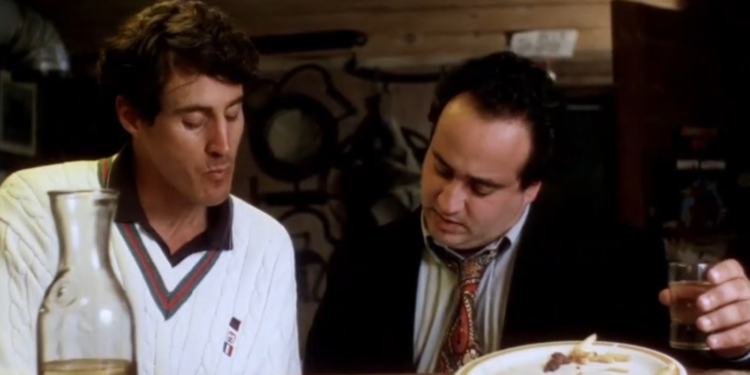
12 reflects a rare experimental approach to long-form filmmaking, shaped by director Lawrence Bridges’ commitment to an unconventional production style. Bridges worked on the indie project for over a decade, collecting and assembling footage that did not follow traditional production timelines. Instead of treating filming as a single continuous phase, he allowed the project to evolve gradually as ideas, resources, and material came together over time. This slow-building process gave the work a distinct structure that separates it from standard narrative filmmaking.
Boyhood (2014)
Boyhood stands as one of the clearest examples of long-term filmmaking done right. Richard Linklater began shooting the film in 2002 and continued filming for twelve years. He followed the same group of actors throughout that period, including Ellar Coltrane, who grew from a child into a young adult on screen. This approach allowed the film to capture real aging rather than relying on makeup or recasting.
The result feels deeply authentic because time moves naturally within the story. Each scene reflects genuine changes in the actors’ lives, which gives the film a unique emotional weight. Linklater took a significant risk by committing to such a long timeline, but the payoff proved worth it. The film earned widespread acclaim and showed how patience can elevate storytelling.
The Other Side of the Wind (2018)
The Other Side of the Wind represents one of the most complicated productions in film history. Orson Welles started filming in 1970, but financial issues and legal disputes repeatedly halted progress. He continued shooting scenes over several years, but he never completed the project during his lifetime.
After Welles died in 1985, the film remained unfinished for decades. A dedicated team later used his notes and footage to finally complete it in 2018. The finished film offers a rare glimpse into Welles’ creative vision and the challenges he faced. Its long journey to completion highlights the resilience required to bring an unfinished masterpiece to life.
The Man Who Killed Don Quixote (2018)
The Man Who Killed Don Quixote endured decades of failed attempts before reaching completion. Terry Gilliam first tried to make the adventure-comedy film in 1989. Production setbacks, including funding issues and natural disasters, repeatedly forced him to stop.
Gilliam refused to abandon the project despite the challenges. He returned to it multiple times over the years, determined to finish it. The film finally premiered in 2018 after nearly thirty years of effort. Its journey highlights the persistence required to bring a long-delayed vision to life.
Mad God (2021)
Mad God represents a labor of love that spanned more than three decades. Phil Tippett began working on the stop-motion film in the late 1980s. He paused the project at times but returned to it whenever he could, gradually building its dark and surreal world. The film’s handmade style reflects years of meticulous effort. Tippett relied on traditional techniques that required patience and precision. The long production allowed him to refine every detail. The final result stands as a unique and deeply personal artistic achievement.
Merrily We Roll Along
Merrily We Roll Along stands out as one of the most unusual long-term film projects in modern cinema. Director Richard Linklater plans to shoot the musical over about two decades, following the characters in real time as they age. This approach mirrors his earlier work on Boyhood, but pushes the idea even further by applying it to a stage musical adaptation. The production began filming in the early 2020s and continues gradually, with actors committing to return over many years.
The story itself follows friendship, ambition, and disillusionment, themes that gain extra weight when captured across real aging. Instead of relying on makeup or recasting, Linklater lets time naturally shape the performances. This method creates a rare continuity between real life and fiction. If completed as planned, the project will stand as one of the longest-running narrative film productions ever attempted.
 Follow Us