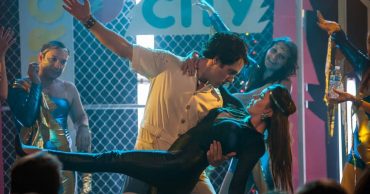
With a career spanning over two decades, Logan Marshall-Green has had a relatively impressive run on television. With his screen debut in the 2003 episode “Soulless” in Law & Order: Special Victims Unit, he has starred in over 30 projects across film and television. Over the years, he has built a reputation for playing damaged men, conflicted authority figures, and outsiders who carry quiet storms behind their eyes.
Television audiences have watched him move through crime dramas, political thrillers, and psychological series with equal conviction. Each role has carried a distinct pulse, leaning into restraint, intelligence, and emotional precision. These eight examples reveal how he transforms controlled intensity into scene-stealing brilliance.
24
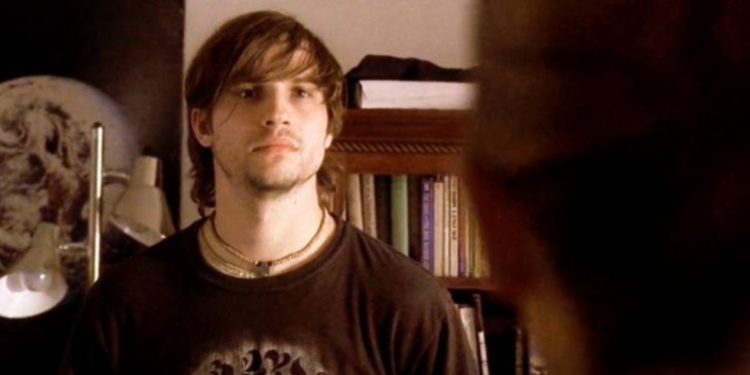
Logan Marshall-Green joined the 24 cast in Season 4 as Richard Heller, the rebellious son of Secretary of Defense James Heller (William Devane). While the show thrived on high-stakes counterterrorism plots, Marshall-Green’s performance grounded the chaos in something personal. He portrayed Richard as idealistic but impulsive, which created tension between him and his powerful father. In a series known for rapid pacing, he slowed scenes down just enough to make the emotional conflict matter.
Richard could have felt like a stock “troubled son” archetype, but Marshall-Green added vulnerability and stubborn conviction. He gave the character a moral center that clashed with the ruthless decisions unfolding around him. His scenes with the Heller family carried real dramatic weight amid ticking clocks and political crises. Even in a massive ensemble led by Kiefer Sutherland, he carved out moments that felt intimate and raw, even though he appeared in only 6 episodes.

The O.C.
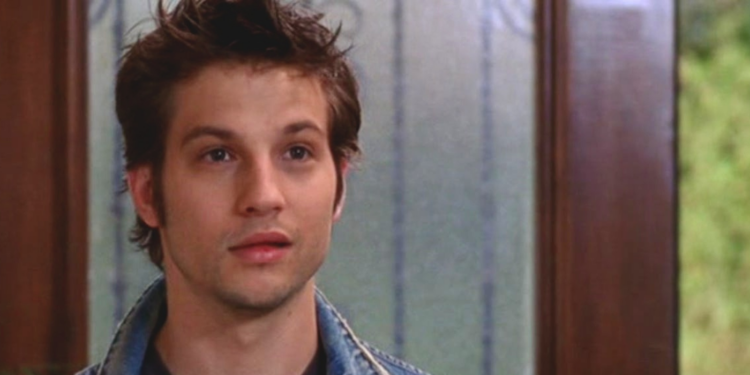
In the second season of The O.C., Logan Marshall-Green joined the cast as Trey Atwood, the volatile older brother of Ryan (Ben McKenzie). Trey arrived as a destabilizing force, and Marshall-Green leaned into that unpredictability without turning him into a cartoon villain. He captured Trey’s charm, resentment, and simmering anger in equal measure. Audiences felt the danger every time he entered a scene.
The character’s downward spiral pushed the show into darker territory than many expected from a teen drama. Although Marshall-Green never softened Trey’s flaws, he allowed flashes of insecurity to break through. The balance made the character both unsettling and tragic. Marshall-Green’s arc remains one of The O.C.’s most talked-about storylines because he played it with such unsettling conviction.
Traveler
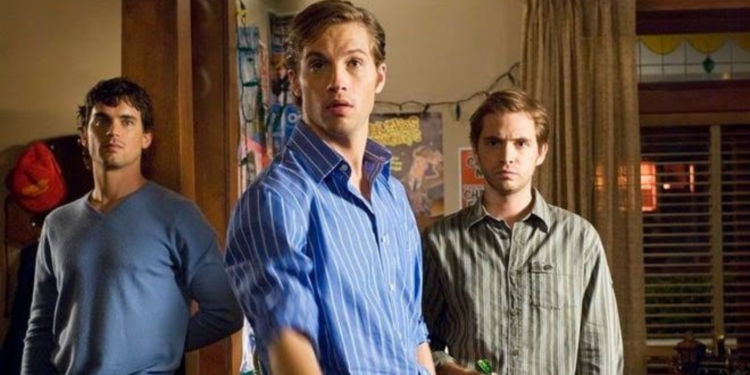
Traveler centered on three friends framed for a terrorist attack, and Logan Marshall-Green’s performance as Tyler Fog stood at the heart of the conspiracy. He infused Tyler with quiet intensity and moral ambiguity. As secrets unraveled, he let suspicion flicker behind his eyes without overplaying it. Despite the show’s short-lived run and unresolved arc, Marshall-Green’s subtlety kept audiences guessing about Tyler’s true loyalties.
Dark Blue
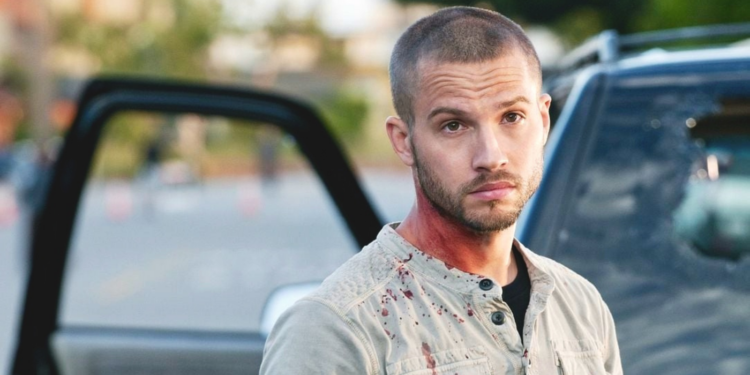
When Logan Marshall-Green stepped into Dark Blue as undercover officer Dean Bendis, he immediately injected volatility into the series. The TNT drama followed an elite Los Angeles unit that blurred the lines between law and morality to take down dangerous criminals. Marshall-Green played him as fearless and impulsive, a cop who dives headfirst into danger without always thinking about the cost.
The recklessness gave the show an unpredictable edge whenever he appeared. What makes the performance stand out isn’t just the swagger, but the fracture underneath it. Marshall-Green reveals Dean’s insecurity and hunger for approval in quick flashes between bursts of bravado. In a cast led by Dylan McDermott, Marshall-Green still manages to command attention through intensity and emotional detail.
Quarry
Quarry gave Logan Marshall-Green one of his richest television roles as Mac Conway. His character was a Vietnam War veteran who returned home to suspicion and isolation. Marshall-Green carried the series with a haunted, internalized performance. Mac rarely expresses his trauma openly, yet Marshall-Green communicates it through posture, silence, and controlled rage. He anchors the show’s bleak atmosphere with emotional authenticity.
The series explores alienation and moral compromise, and he fully embraces those themes. He doesn’t chase sympathy for Mac, but presents a man cornered by circumstance and his own decisions. Critics praised the show’s mood and performances, and much of that power stems from Marshall-Green’s steady, brooding presence at the center.
Damnation
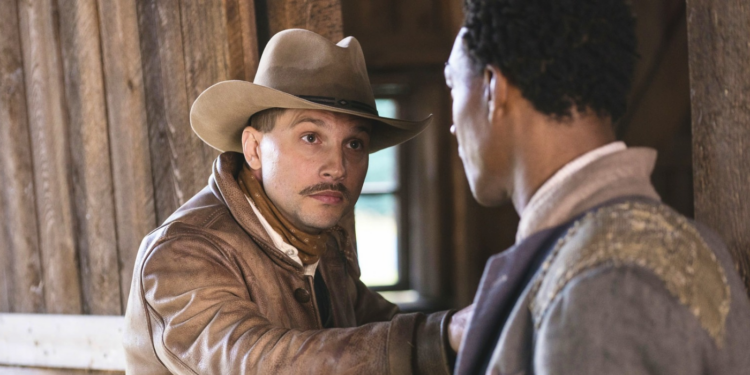
Logan Marshall-Green stepped into the period drama Damnation as Creeley Turner, a strikebreaker hired to crush a labor uprising in 1930s Iowa. On paper, Creeley could have played as a straightforward antagonist, a cold enforcer sent to intimidate desperate farmers. Marshall-Green refused that simplicity. He gave Creeley a sharp mind, a dry wit, and a code of personal discipline that made him far more compelling than a standard villain.
Instead of shouting threats, he leaned into calm precision, letting small gestures and deliberate pauses do the heavy lifting. Such control made Creeley unpredictable. In confrontations with community leaders and hired gunmen alike, Marshall-Green projected intelligence and moral ambiguity rather than brute cruelty. In a show filled with fiery speeches and sweeping period drama, Marshall-Green grounded the chaos in psychological realism.
And Just Like That…
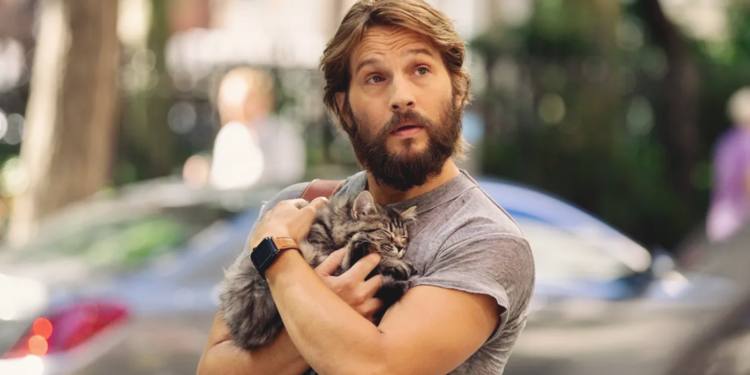
When Logan Marshall-Green stepped into And Just Like That…, he entered one of television’s most culturally recognizable worlds. The revival of Sex and the City thrived on sharp dialogue, layered relationships, and emotional candor, which leaves little room for actors to coast. Marshall-Green embraced that rhythm immediately, having joined the cast in the third season. What makes his performance stand out lies in how naturally he integrates into an established ensemble without feeling like an accessory. In a revival filled with nostalgia and expectation, he proved once again that quiet control can steal the spotlight.
Marshals
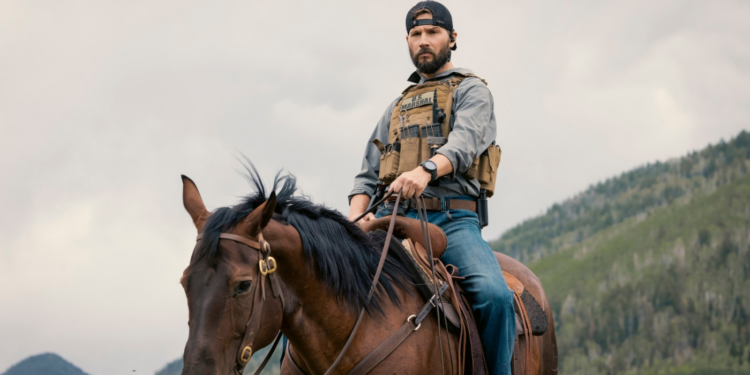
When Marshals arrived as both a spin-off and a sequel to the cultural juggernaut Yellowstone, expectations ran high. The series expands the modern Western universe Taylor Sheridan built, shifting the focus to federal law enforcement while maintaining the rugged moral terrain that defined its predecessor. Logan Marshall-Green stepped into that landscape with the kind of grounded authority that feels earned rather than imposed. In a franchise known for towering personalities and operatic confrontations, Marshall-Green keeps his performance tightly coiled and deliberate. The performance positions him as a compelling bridge between Yellowstone’s legacy and its expanding universe.
 Follow Us