The next five years of film and television are already being shaped by a small group of young actors who combine critical respect, box office pull, and algorithm-friendly popularity. They are not just “rising stars” anymore. They are the faces studios build slates around, the names that drive greenlights, and the performers audiences search for across platforms. By 2030, these seven will likely sit where veterans like Denzel Washington and Daniel Day-Lewis do now: shorthand for reliability, prestige, and cultural weight.
What separates this group is not just talent. It is their ability to move between blockbusters, awards contenders, and high-engagement streaming projects without burning out their brand. They understand that in an era of franchise fatigue and content overload, the real power lies in being both artistically credible and algorithm-proof. Here is why these seven names are positioned to dominate Hollywood by 2030.
Florence Pugh – From Indie Powerhouse to Franchise Anchor

Florence Pugh built her reputation on emotionally intense work in films like Lady Macbeth and Midsommar, then proved she could elevate IP with her scene-stealing turn in Little Women and the superhero world of Black Widow. Casting teams love that she can bring arthouse credibility into massive franchises without losing specificity or edge.
Pugh also understands long-tail visibility. Her supporting role in Oppenheimer expanded her reach to audiences who track prestige cinema closely, while her streaming work keeps younger viewers locked in. By 2030, expect her to be the default choice when studios need someone who can make a potentially generic role feel dangerous, human, and unpredictable at the same time.
Austin Butler – The New Go-To Leading Man
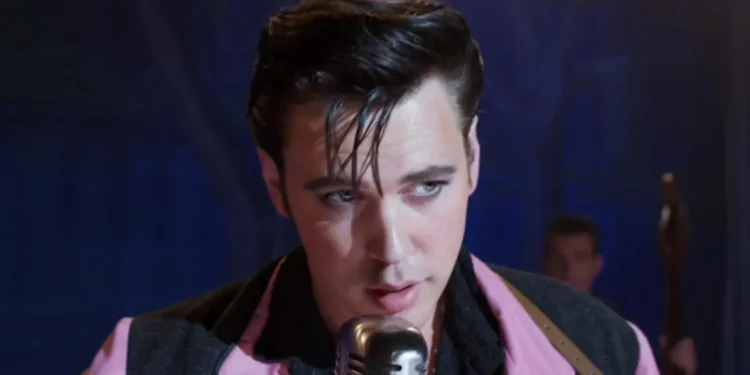
Austin Butler went from relative unknown to awards-season fixture with his transformative performance in Elvis. That role proved he could carry a film almost single-handedly, handle intense physical and vocal demands, and still deliver something emotionally grounded. Studios noticed that he can make biopics feel like events rather than homework.
His move into large-scale epics like Dune: Part Two positions Butler as the rare actor who can satisfy both franchise expectations and director-driven cinema. He is on the path once reserved for the kind of stars who became the actors who earned the most for a single movie, because he offers box office potential, awards buzz, and long-term brand value in one package.
Zendaya – The Cross-Platform Icon
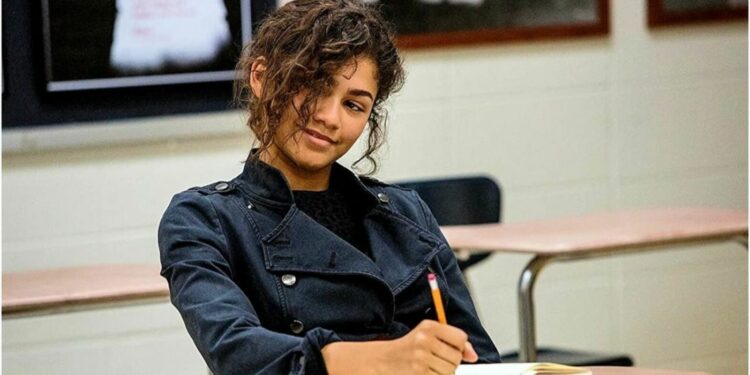
Zendaya Coleman has already proven that she can dominate both television and film. Her work in Euphoria redefined what a young adult performance could look like on TV, while projects like Spider-Man: Homecoming and Dune showed she can operate comfortably inside global franchises. Few performers move between teen-focused content and serious prestige material with this much authority.
Zendaya also wields cultural influence that rivals major musicians like Taylor Swift. Her fashion choices, interviews, and social presence all amplify the projects she appears in. By 2030, she is likely to be both a top-billed actor and a producer shaping which stories about young women get told at the highest level of the industry.
Timothée Chalamet – The New Face of Auteur Blockbusters
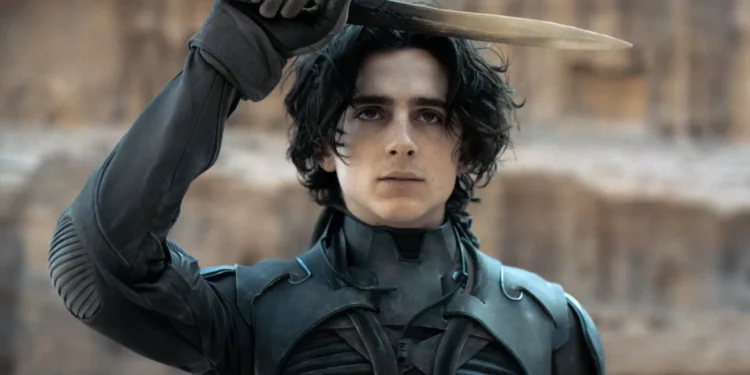
Timothée Chalamet became a critical darling with Call Me by Your Name, then pivoted into large-scale IP without losing his indie credibility. In Dune and Wonka, he proved that introverted, emotionally complex leads can still drive large box office returns, especially when paired with visionary directors.
His filmography already resembles a curated list of the top 10 movies of the 21st century–style contenders, and he tends to choose collaborators who elevate long-term career value rather than short-term paychecks. By 2030, Chalamet is likely to be the default casting choice when studios need someone who can make ambitious, director-led projects feel commercially viable.
Anya Taylor-Joy – The Genre-Hopping Specialist
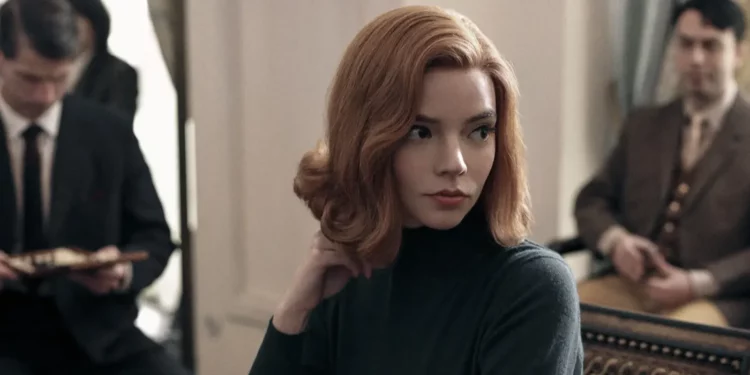
Anya Taylor-Joy has quietly built one of the most flexible résumés of her generation. She broke out in horror with The Witch, jumped into high-concept thrillers like Split, and then conquered the limited-series space with The Queen’s Gambit. That last project proved she could anchor a global streaming phenomenon without relying on existing IP familiarity.
Her move into action territory with projects tied to the Mad Max universe signals where studios think she is heading: someone who can make challenging genre work feel prestige-worthy. In a marketplace where the best horror movie of every year often doubles as a career-launching vehicle, Taylor-Joy has already shown she can both elevate and transcend genre labels.
Paul Mescal – The Intimate Dramatist Scaling Up
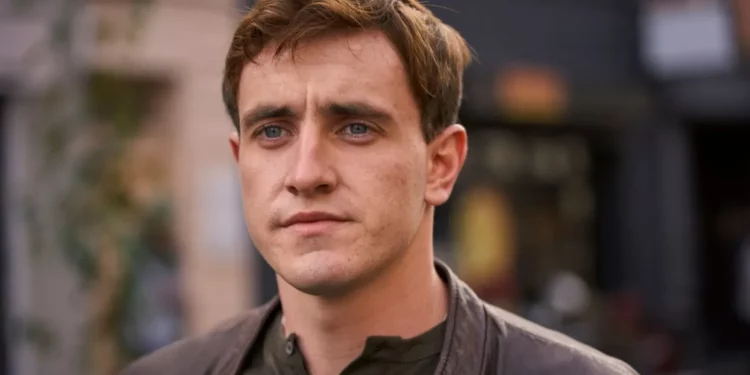
Paul Mescal first captured attention through the aching vulnerability of Normal People, then followed it with the quietly devastating film Aftersun. Those performances marked him as one of the most intuitive actors of his age group, particularly in roles that explore masculinity, grief, and emotional repression.
Now that Mescal is stepping into larger projects like historical epics and studio dramas, he brings that same interior intensity to bigger canvases. He feels less like a future franchise mascot and more like the kind of performer critics will compare to heavyweights like Washington or Day-Lewis. By 2030, expect him to be the first name mentioned whenever casting discussions center on emotionally complex leading men.
Jenna Ortega – The New Horror and Genre Queen
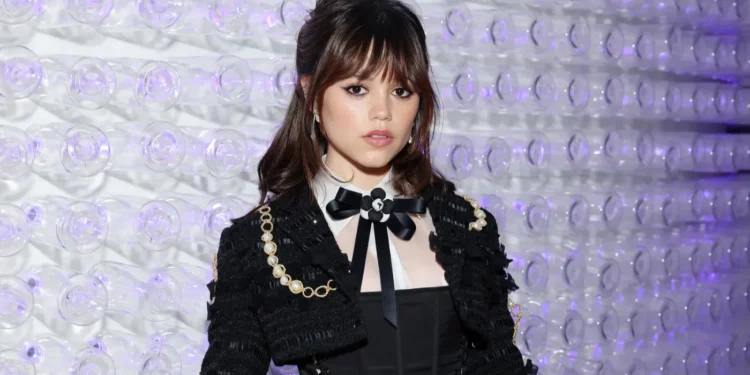
Jenna Ortega has emerged as the most important young face in modern genre storytelling. Her work in Scream, X, and especially Wednesday turned her into a must-cast presence for projects targeting younger, highly online audiences. She brings a specific mix of deadpan humor, vulnerability, and edge that fits perfectly with current horror and dark-comedy trends.
Ortega’s success mirrors how the Lost cast once became central to TV’s Golden Age conversation: she is the conversation starter for an entire wave of projects. If she continues choosing filmmakers who respect her instincts, she is poised to dominate not only horror but also offbeat dramas and genre-bending limited series by 2030.
 Follow Us