There’s something about the past that remains relevant even in the present day. It’s why people like to collect old trinkets, buy old houses, and spend hours in public library archives. The first newspaper in the U.S. was printed in 1690, but even old newspaper clippings, comics, and snippets can be relevant now.
That’s what we found out when we came across the Instagram page “Yesterday’s Print” that shares vintage newspaper clippings. Some of them include headlines, others are poignant old-timey comics, and some are simple, short jokes from the funnies section. So, join us in rediscovering old-school humor from vintage newspapers that can still be relevant today!
More info: Yesterday’s Print
#1 The Baltimore Sun, Maryland, June 15, 1924
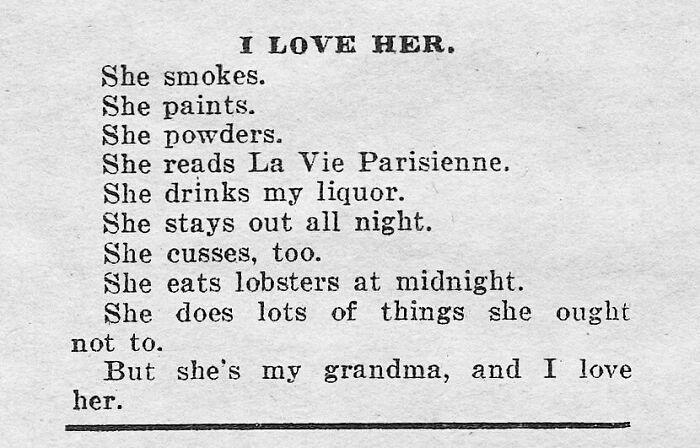
Image source: yesterdaysprint
#2 The Circleville Herald, Ohio, April 2, 1928
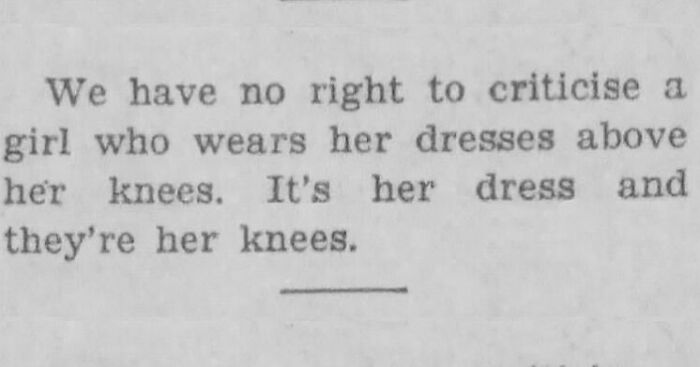
Image source: yesterdaysprint
#3 The Oskaloosa Independent, Kansas, August 25, 1877
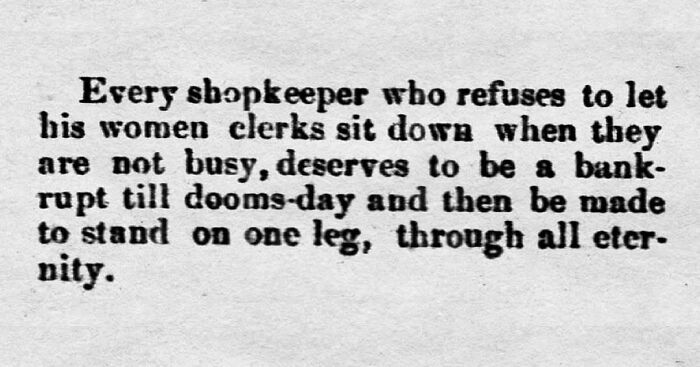
Image source: yesterdaysprint
The history of American newspapers is quite fascinating. Yes, the first-ever paper was published in 1690, but it had to close down after its first issue. It turns out that the publishers ran it without obtaining a license. The man behind it, Benjamin Harris, had to go to jail for it.
The newspaper was titled “Publick Occurrences Both Forreign and Domestick” and came out only in Boston. Although it was ill-fated, it was quite modern for its time. It was the first multi-page (only four) newspaper and featured topics like politics, crime, and even gossip and scandal. The last of the four pages was left blank so that readers could write in their piece of news and hand it in to be published in the next issue.
#4 The Age-Herald, Birmingham, Alabama, September 12, 1913
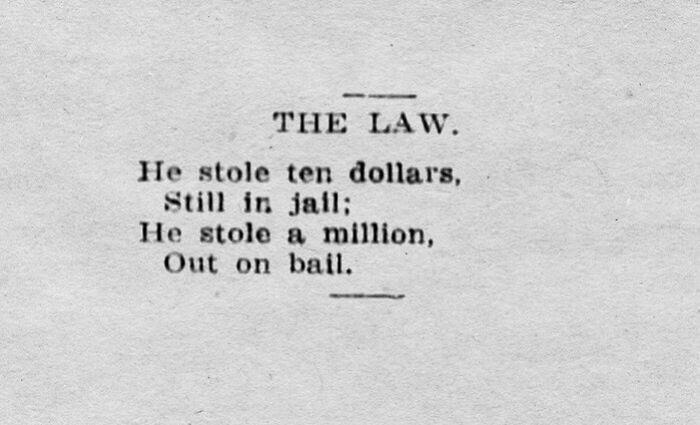
Image source: yesterdaysprint
#5 Vancouver Daily World, British Columbia, June 27, 1921
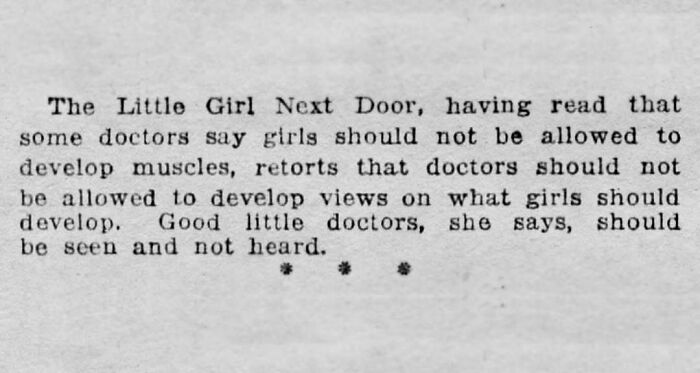
Image source: yesterdaysprint
#6 St. Louis Post-Dispatch, Missouri, February 22, 1904
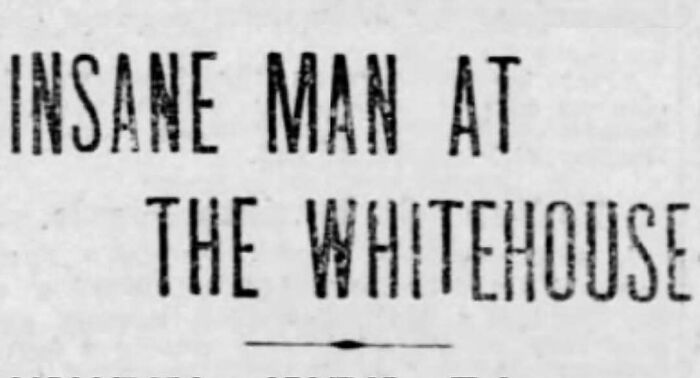
Image source: yesterdaysprint
1690 was still British America times, so this and many subsequent newspapers that followed it were closely related to the British government. Although public sentiment was different, the papers avoided criticizing it. The next newspaper, The Boston News-Letter, survived after its initial release.
However, it was a tool of the colonial establishment. At the top of every issue, there was a phrase, “Published by Authority,” just like in the “London Gazette.” The format of this newspaper sort of set the tone for what papers in 18th-century America looked like. There was only one sheet of paper, with text written on both sides in two columns. At the end of the second page, readers could buy ads, but newspaper advertising became lucrative only in the 19th century.
#7 The Dothan Eagle, Alabama, November 23, 1916
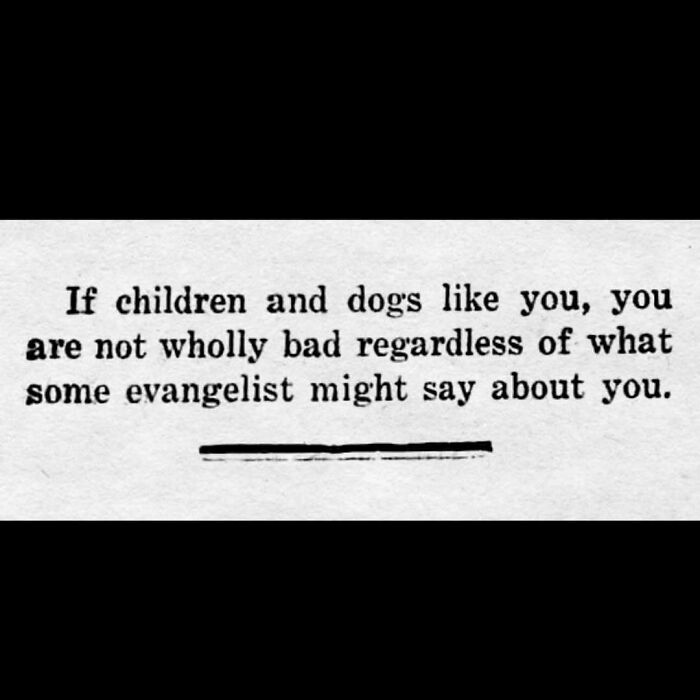
Image source: yesterdaysprint
#8 The Atlanta Constitution, Georgia, April 26, 1932
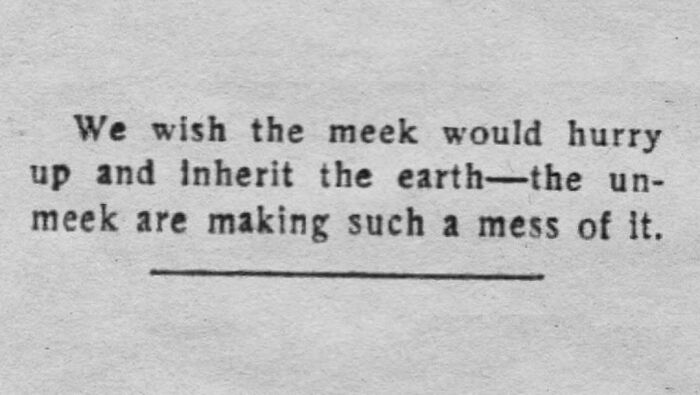
Image source: yesterdaysprint
#9 The Frankfort Index, Kansas, April 26, 1930
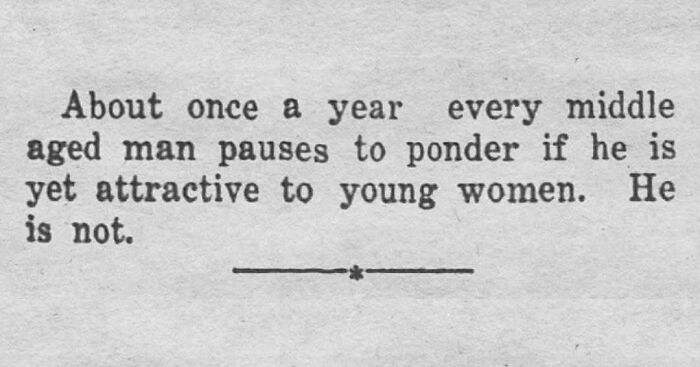
Image source: yesterdaysprint
In the beginning of the 19th century, newspaper circulation was in the thousands in America. Not everyone would read them, given that illiteracy was still quite common. As time went by, printing technology became more advanced, and the telegraph and the telephone allowed for quicker communication (editors and publishers communicated mainly by letters).
#10 The Atlanta Constitution, Georgia, June 25, 1932
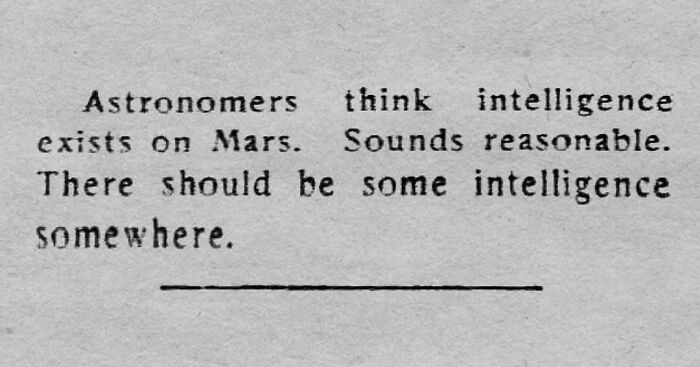
Image source: yesterdaysprint
#11 Clarion-Ledger, Jackson, Mississippi, April 6, 1939
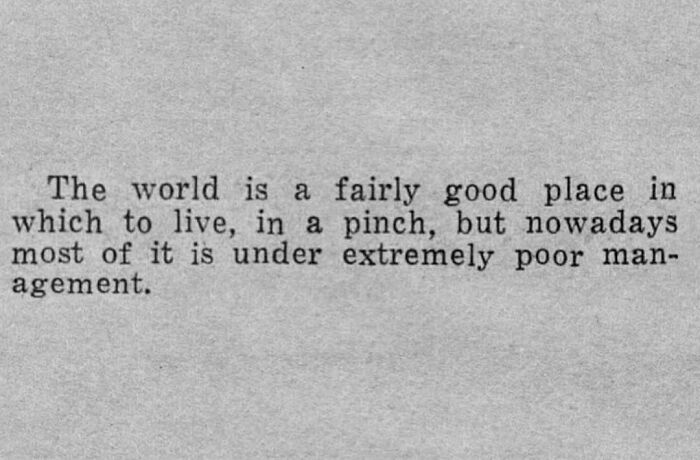
Image source: yesterdaysprint
#12 Harrisburg Telegraph, Pennsylvania, March 29, 1881
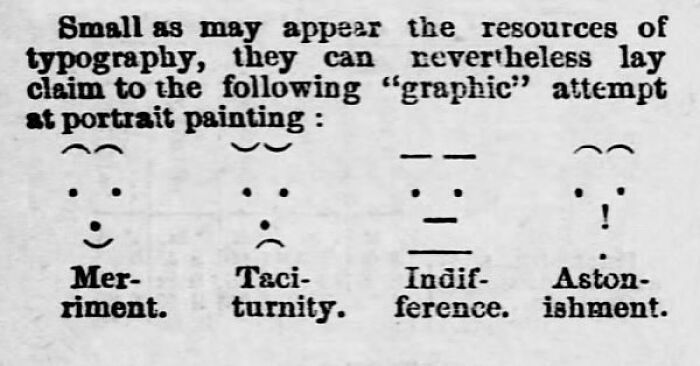
Image source: yesterdaysprint
In the 1830s, “penny papers” started to pop up. To make newspapers available for the masses and the working class, publishers started selling cheap, mass-produced newspapers that cost only one penny. Some examples include The Boston Herald, the Philadelphia Public Ledger, and the Baltimore Sun. At first, they were only available in the big cities, but, with time, spread to smaller cities in the South and the West.
#13 The Daily Herald, Provo, Utah, May 22, 1931
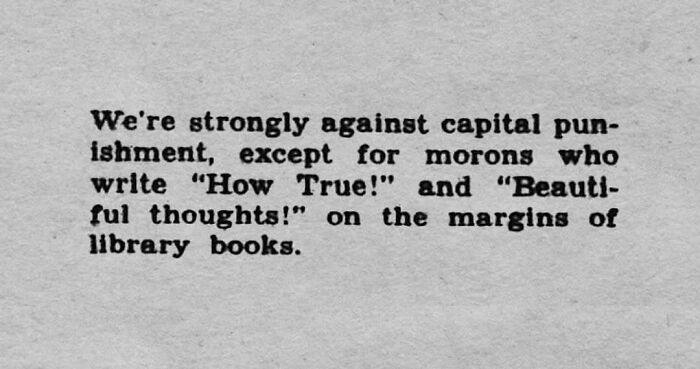
Image source: yesterdaysprint
#14 Marion County Herald, Palmyra, Missouri, January 31, 1923
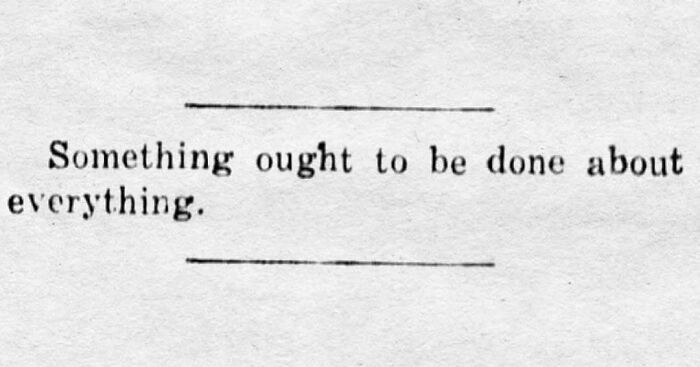
Image source: yesterdaysprint
#15 The Topeka Daily Capital, Kansas, December 10, 1905
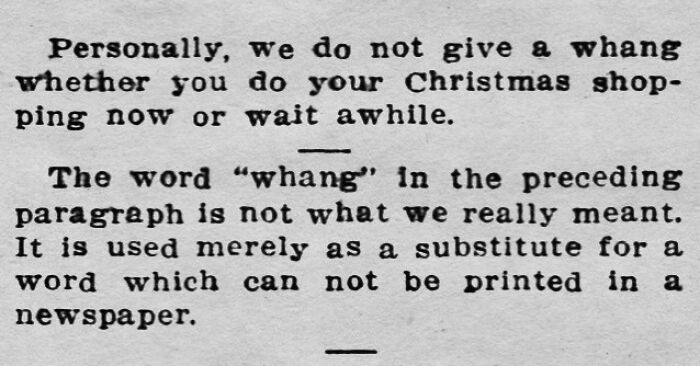
Image source: yesterdaysprint
In the early 20th century, newspapers were almost the main source of news for all Americans. Except for maybe the radio, it was the only place people would find out about what was going on in the world. Alternative, or “underground,” newspapers began publishing, with different interest groups wanting one that represented them, whether by trade, ethnicity, occupation, or religion. The “Village Voice” of Greenwich Village in New York was one of them, which began publishing in 1955. It was a place for artists and various creatives like Jonas Mekas and Linda Solomon.
#16 The Pantagraph, Bloomington, Illinois, September 27, 1943
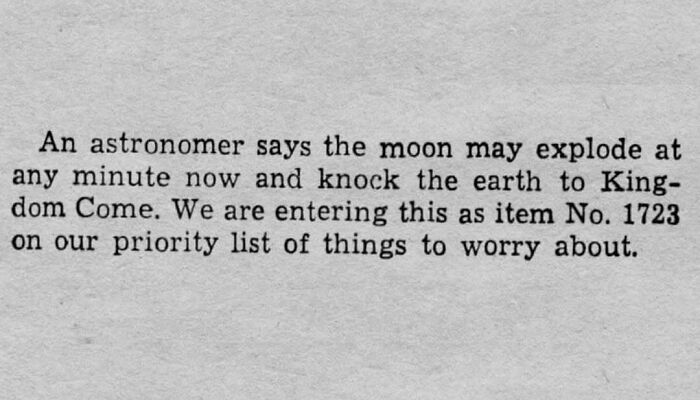
Image source: yesterdaysprint
#17 St. Louis Post-Dispatch, Missouri, July 13, 1885
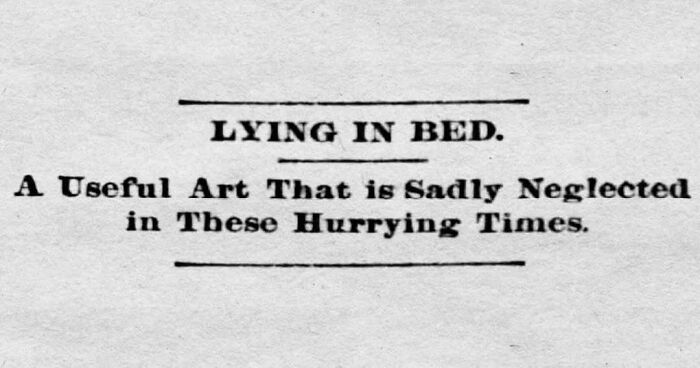
Image source: yesterdaysprint
#18 The Morning Tulsa Daily World, Oklahoma, October 28, 1921
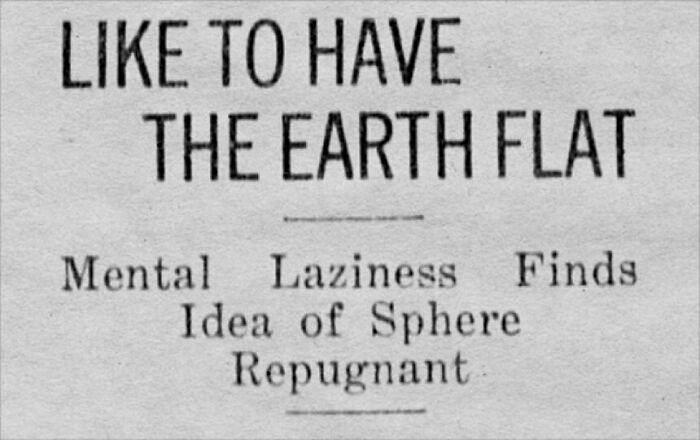
Image source: yesterdaysprint
Today, newspapers aren’t really that popular. Since the 2000s, the number of newspaper publishers in the U.S. has reducedby more than half. In 2002, there 46,000 of them, and in 2022, only 22,000 were left. In the 2010s, many publications and newspapers moved online and retained a pretty solid viewership of more than 10 million readers. Since 2020, even online newspapers have been experiencing an increasingly significant decline.
#19 The Austin American, Texas, April 27, 1934

Image source: yesterdaysprint
#20 The Paducah Sun-Democrat, Kentucky, August 21, 1939
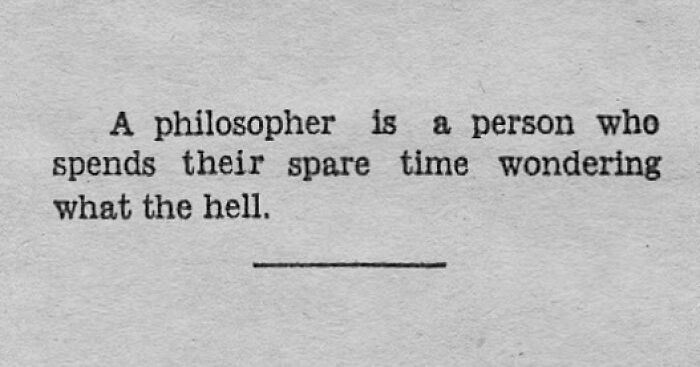
Image source: yesterdaysprint
#21 The Gazette, Montreal, Canada, February 18, 1933
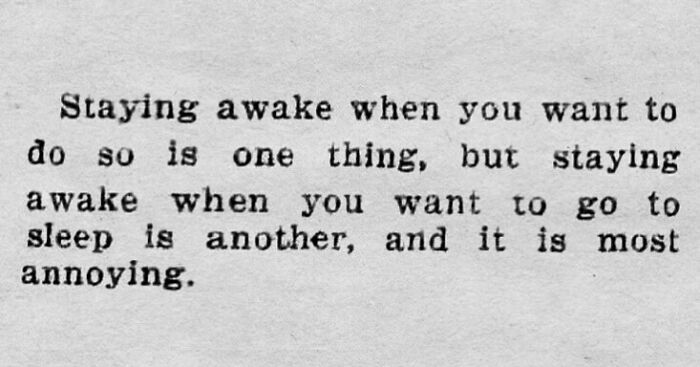
Image source: yesterdaysprint
Why aren’t we reading newspapers anymore? Julian Novitz, a lecturer in the Department of Media and Communication at Swinburne University of Technology, explains that our attention spans are no longer compatible with weekly or monthly newspapers and magazines.
“Casual readers are less willing to wait for a weekly or monthly print magazine to arrive in the post or on a newsstand. The ready availability of free, or significantly cheaper, digital content may deter them from purchasing print subscriptions or individual issues.”
#22 Picture Post, England, March 25, 1939
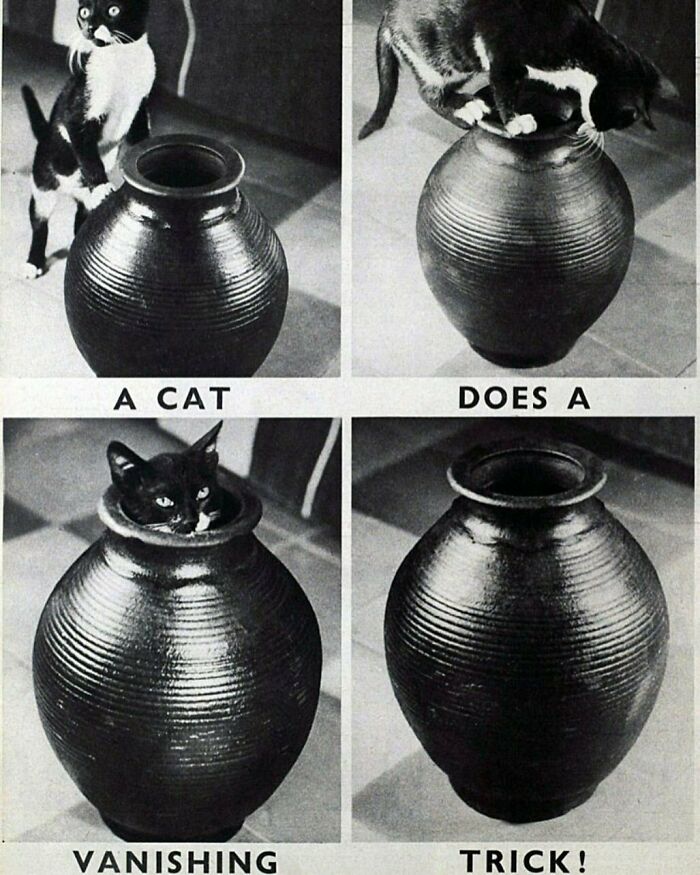
Image source: yesterdaysprint
#23 Provo Evening Herald, Utah, November 24, 1937
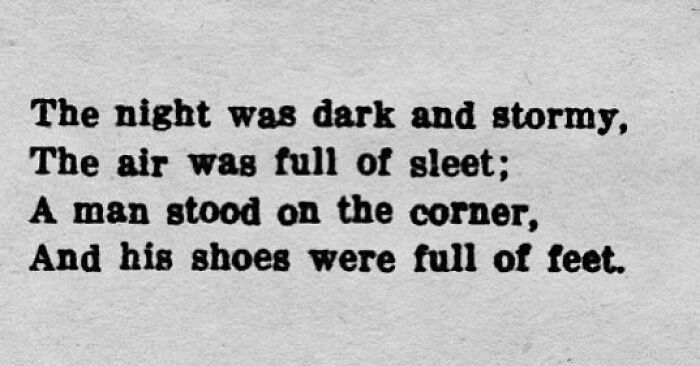
Image source: yesterdaysprint
#24 The Leavenworth Times, Kansas, April 19, 1912
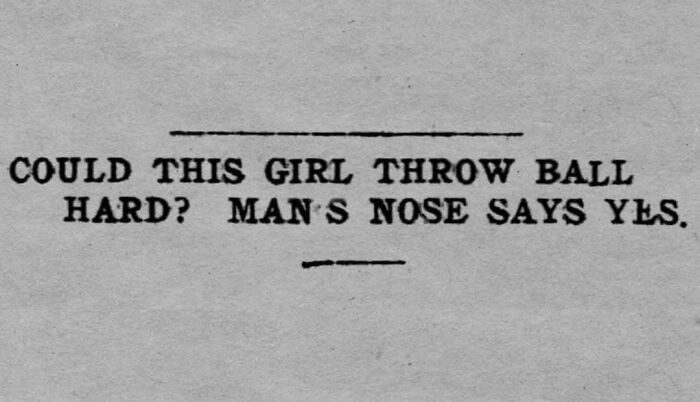
Image source: yesterdaysprint
However, even if print magazines and newspapers are experiencing a decline in readership, they’re still here. To make print materials interesting, some magazines and newspapers offer something more than just the written word. Recently, people buzzed on social media about the newest issue of Vogue UK that included a stylish notebook. “I don’t even use a diary, just gonna get it to stand on my vanity,” one person said.
#25 The Austin American, Texas, June 20, 1934
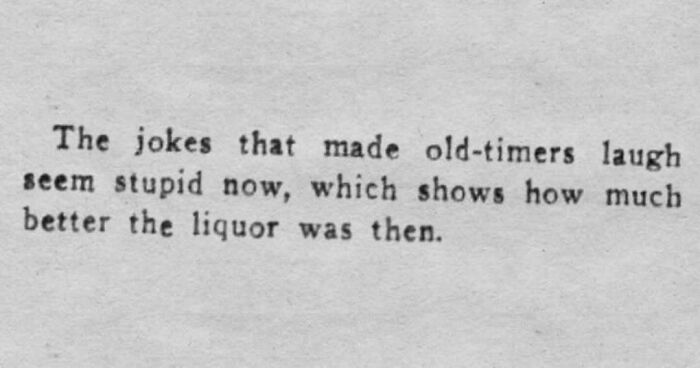
Image source: yesterdaysprint
#26 Douglas Island News, Alaska, November 15, 1918
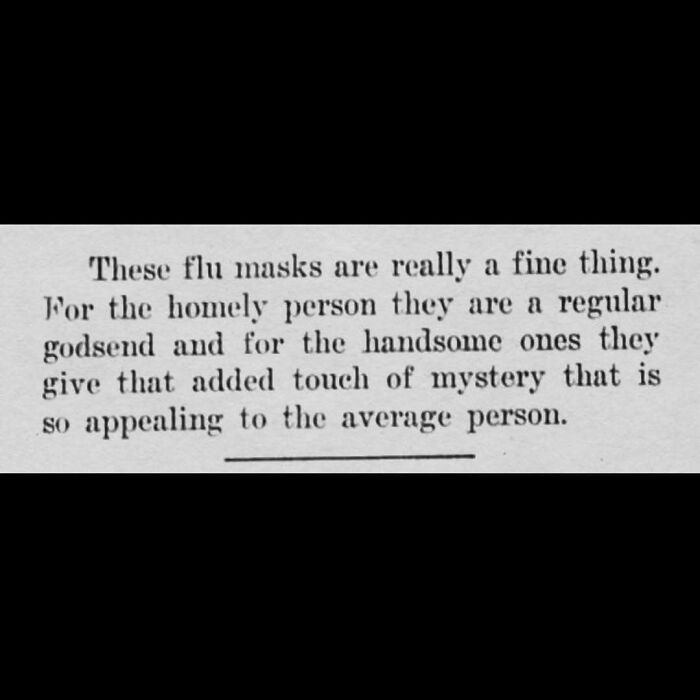
Image source: yesterdaysprint
#27 Robert Benchley In The San Francisco Examiner, California, October 22, 1934
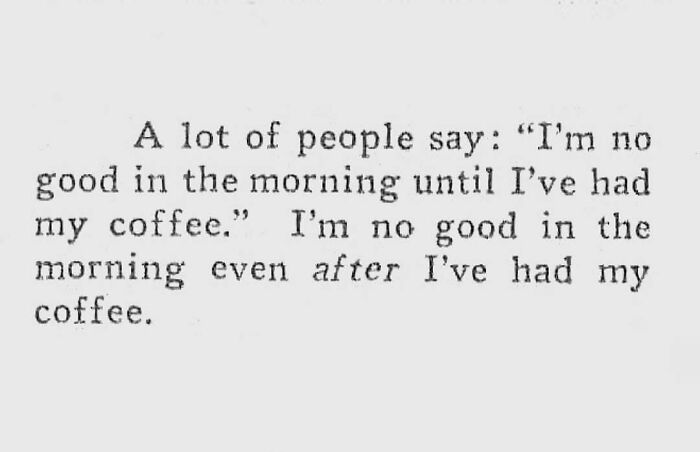
Image source: yesterdaysprint
That’s a nice marketing strategy, of course, but there are other elements at play. Some experts note that people are experiencing “digital fatigue” and want to consume more and more physical media. So, perhaps newspapers and print magazines won’t go out of style that quickly.
New Yorker’s staff writer Nathan Heller explains the long-lasting appeal of print media like this: “What made magazines appealing in 1720 is the same thing that made them appealing in 1920 and in 2020: a blend of iconoclasm and authority, novelty and continuity, marketability and creativity, social engagement and personal voice.”
#28 The Birmingham News, Alabama, June 24, 1922

Image source: yesterdaysprint
#29 The Indianapolis Star, Indiana, July 26, 1925
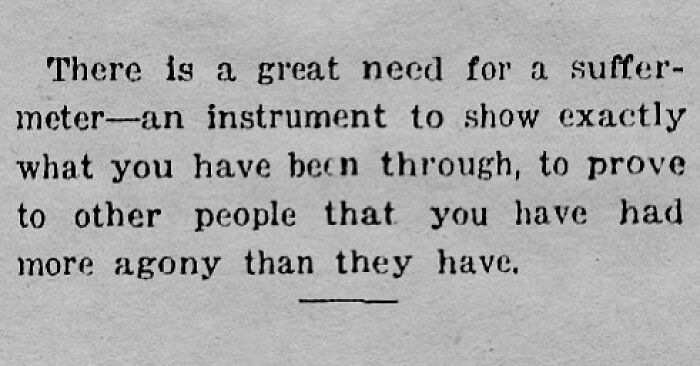
Image source: yesterdaysprint
#30 Evening Star, Washington Dc, January 3, 1901
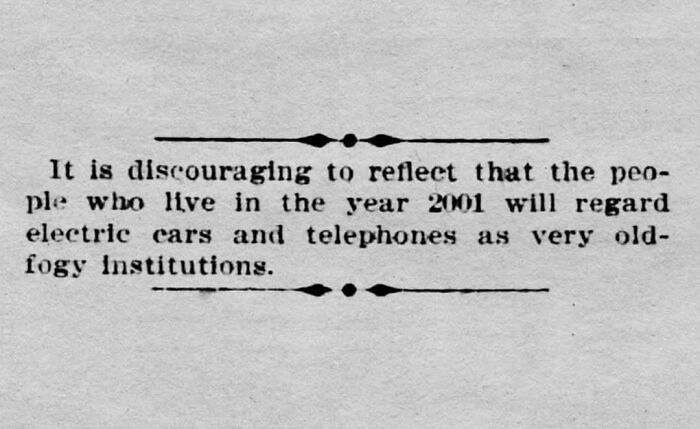
Image source: yesterdaysprint
What do you think of these old newspaper clippings, Pandas? Have they brought you back in time at least a little bit? Or are they just as poignant and relatable as if they were written for a publication today? Let us know your thoughts in the comments! And if you’re in the mood, we also have some vintage ads that did not stand the test of time for you to enjoy (or cringe at).
#31 The Call-Leader, Elwood, Indiana, July 29, 1915
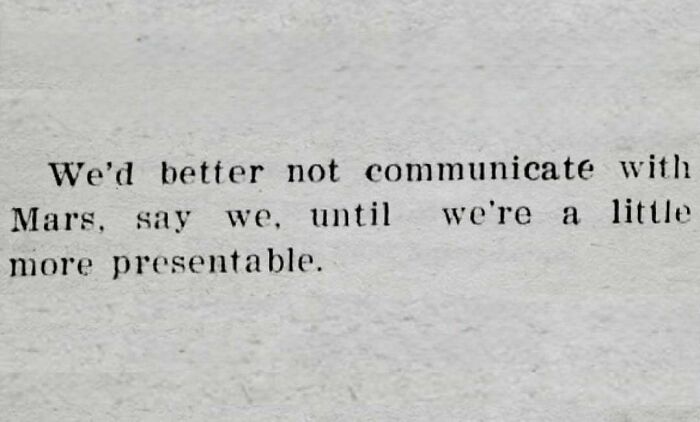
Image source: yesterdaysprint
#32 The Courier-News, Bridgewater, New Jersey, May 29, 1931
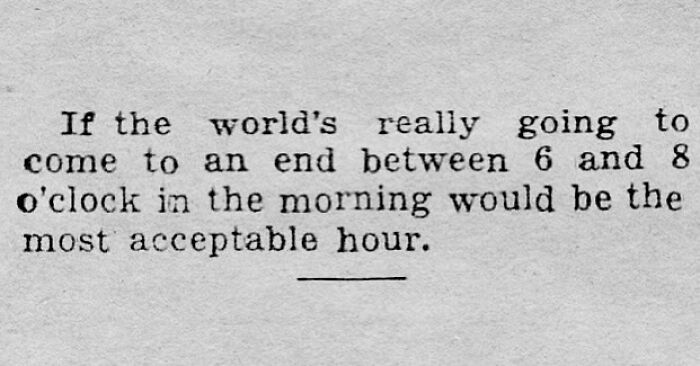
Image source: yesterdaysprint
#33 The Topeka Daily Capital, Kansas, October 9, 1902
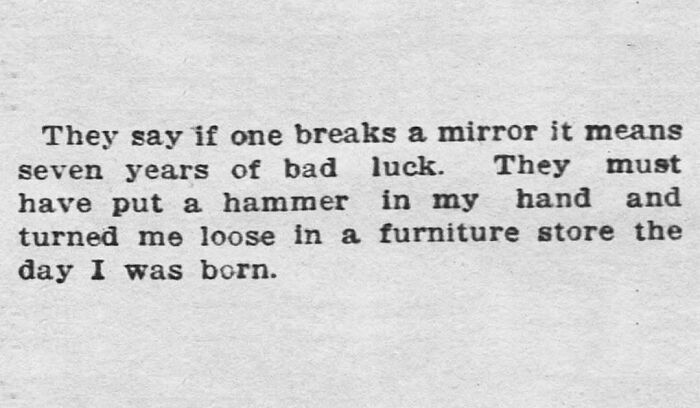
Image source: yesterdaysprint
#34 The Akron Beacon Journal, Ohio, September 8, 1925

Image source: yesterdaysprint
#35 The Bakersfield Californian, California, July 25, 1925
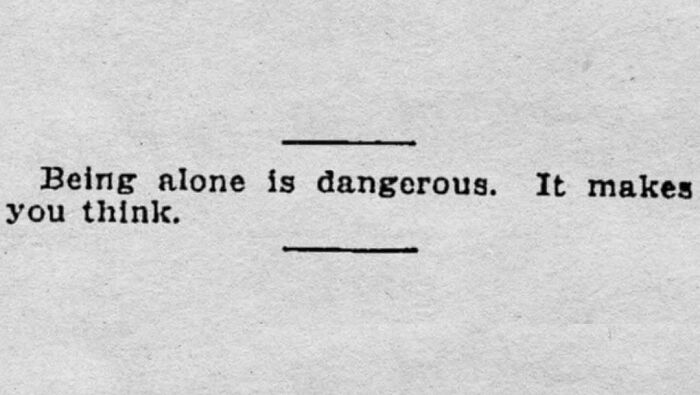
Image source: yesterdaysprint
#36 The Atlanta Constitution, Georgia, April 13, 1932
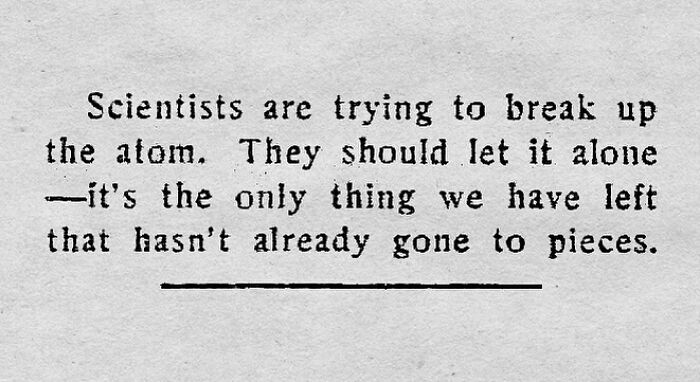
Image source: yesterdaysprint
#37 Manhattan Republic, Kansas, April 19, 1934
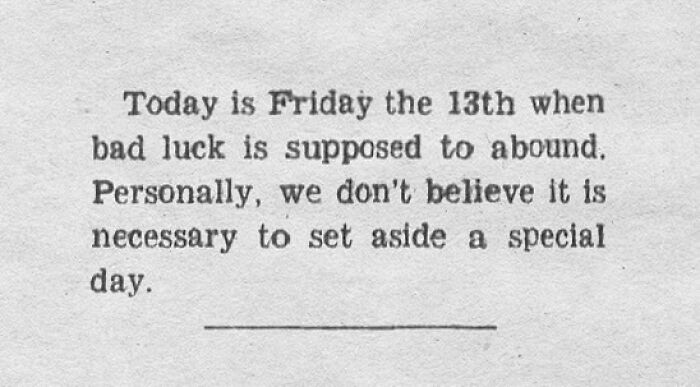
Image source: yesterdaysprint
#38 The News-Review, Roseburg, Oregon, April 23, 1931
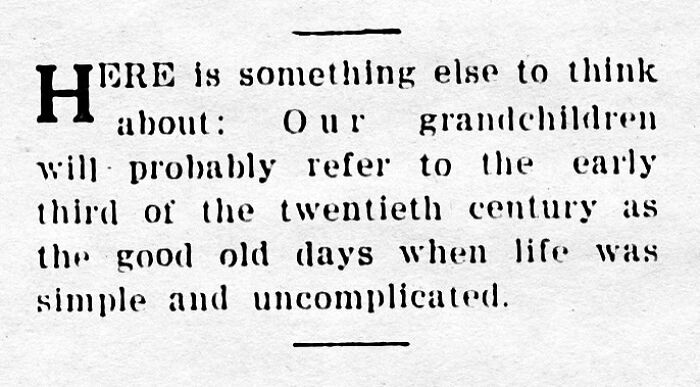
Image source: yesterdaysprint
#39 Illustrated Sporting And Dramatic News, England, January 5, 1945
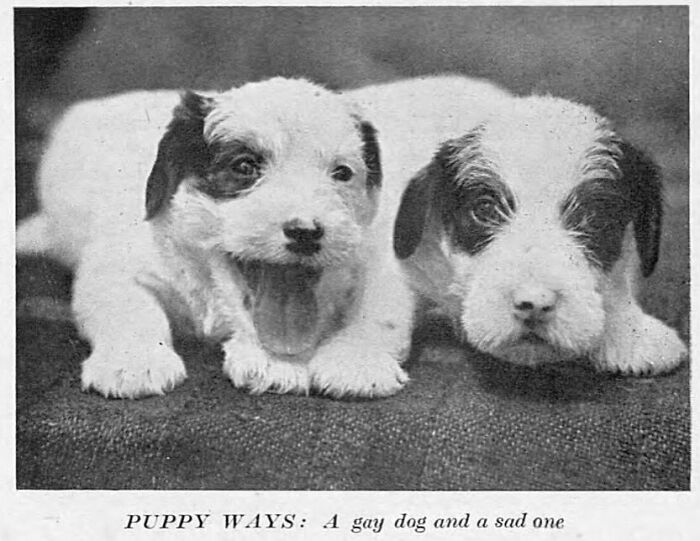
Image source: yesterdaysprint
#40 The San Francisco Examiner, California, February 18, 1912
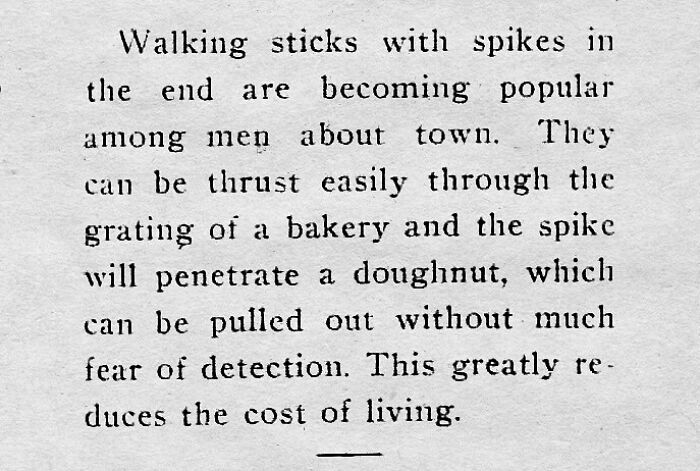
Image source: yesterdaysprint
#41 The Fool-Killer, Pores Knob, North Carolina, June 1, 1925
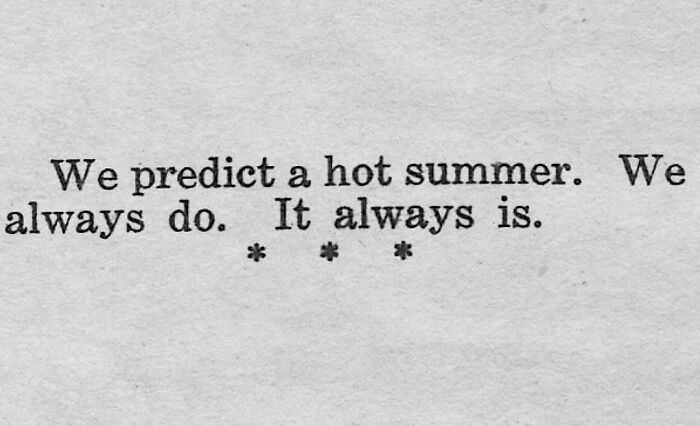
Image source: yesterdaysprint
#42 The Wichita Beacon, Kansas, August 9, 1918
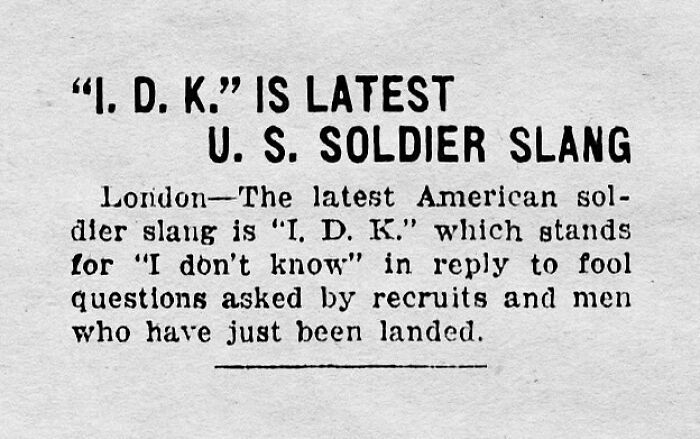
Image source: yesterdaysprint
#43 Plainfield-Courier News, New Jersey, April 16, 1937
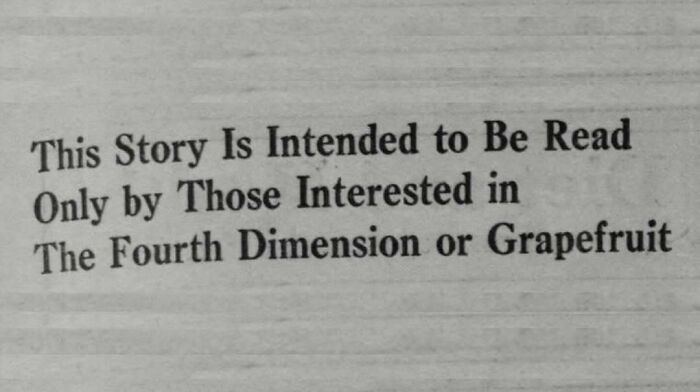
Image source: yesterdaysprint
#44 Chariton Courier, Keytesville, Missouri, December 16, 1904
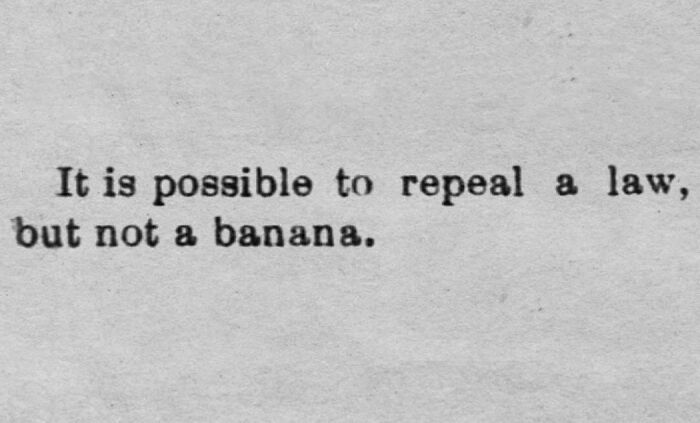
Image source: yesterdaysprint
#45 Altoona Times, Pennsylvania, November 19, 1909
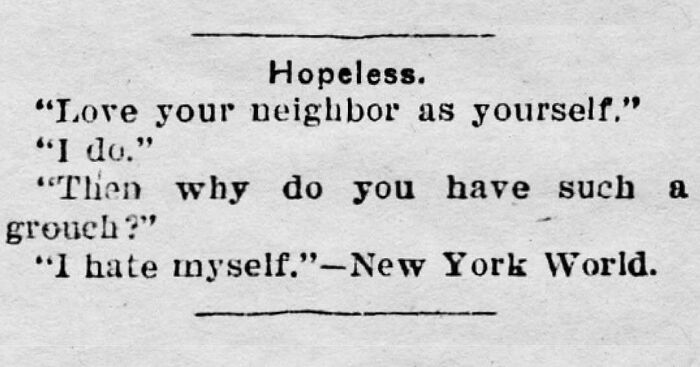
Image source: yesterdaysprint
#46 The Atchison Daily Globe, Kansas, January 7, 1904
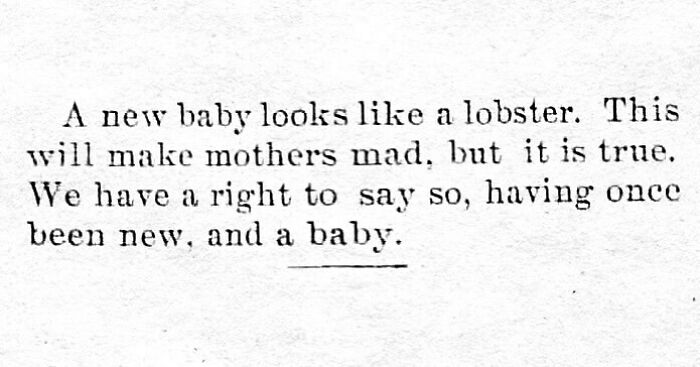
Image source: yesterdaysprint
#47 Butler Citizen, Pennsylvania, March 1, 1918
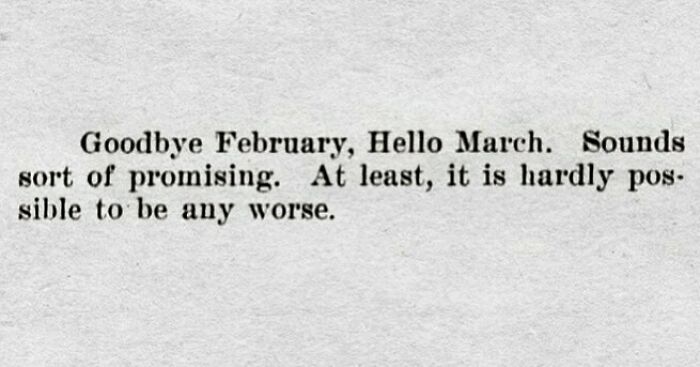
Image source: yesterdaysprint
#48 St. Louis Post-Dispatch, Missouri, May 20, 1908
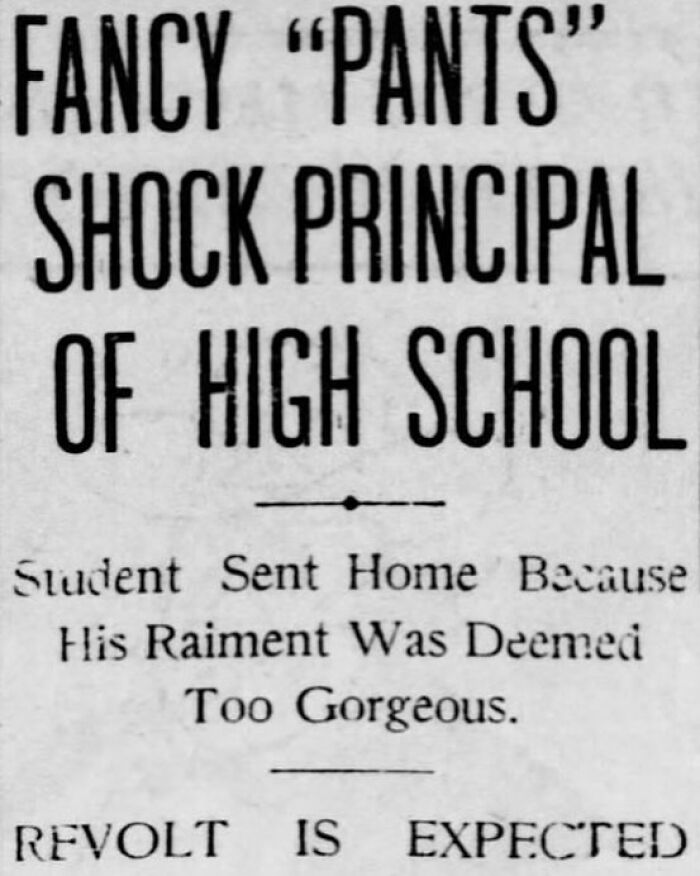
Image source: yesterdaysprint
#49 Detroit Free Press, Michigan, August 29, 1939
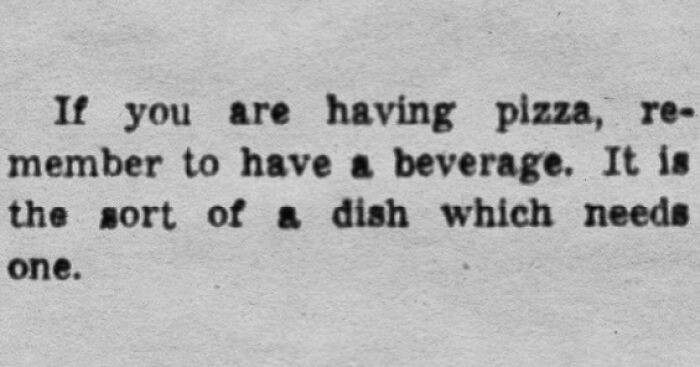
Image source: yesterdaysprint
#50 The San Bernardino County Sun, California, May 11, 1936
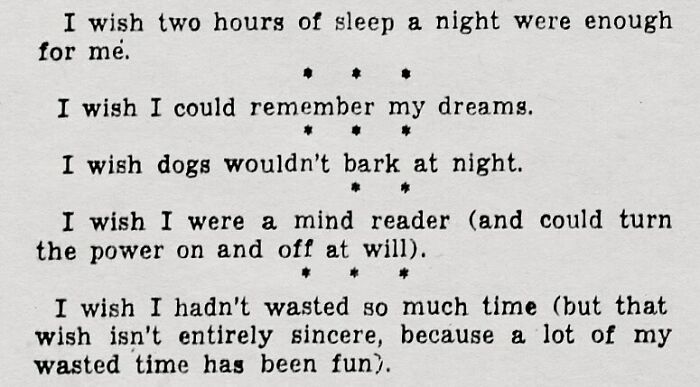
Image source: yesterdaysprint
 Follow Us