Any relationship and a marriage in particular need both partners engaged for things to work. If one partner checks out, then it’s hard to see why the other should still keep trying. People often “quiet quit” jobs they don’t care for anymore, but this idea can go beyond just the workplace.
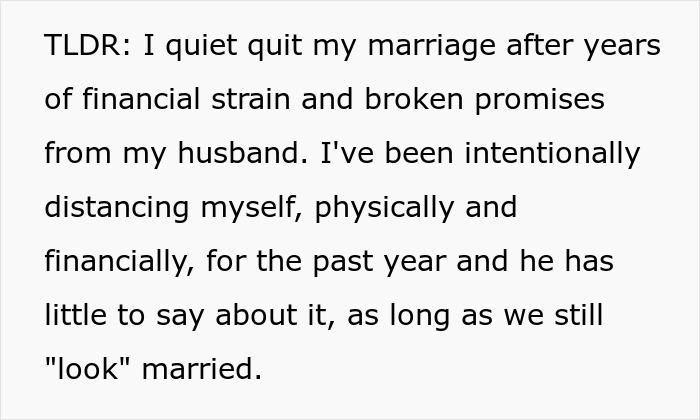
A woman went online to vent about her marriage after her husband would not stop breaking his promises for years. She described how she’d practically “quiet quit” her marriage and started treating him like a roommate, only to find he simply didn’t notice or care. We reached out to the wife in the story via private message and will update the article when she gets back to us.
A partner not keeping their word constantly is a pretty big red flag

Image credits: Getty Images / Unsplash (not the actual photo)
So one woman slowly came to the realization that her marriage wasn’t going to last
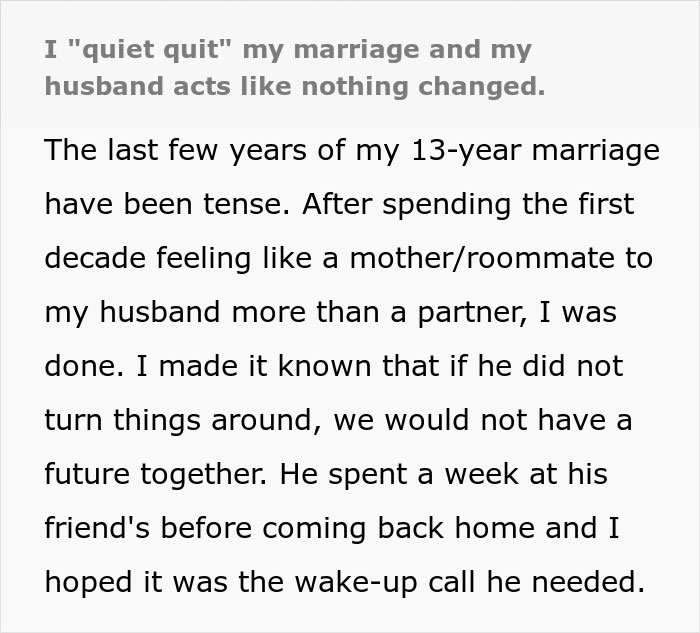
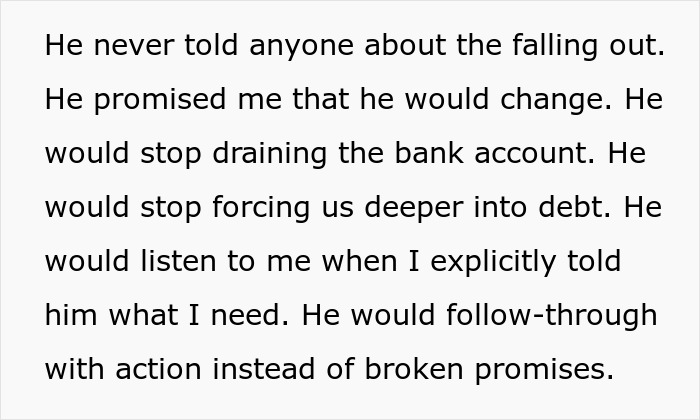
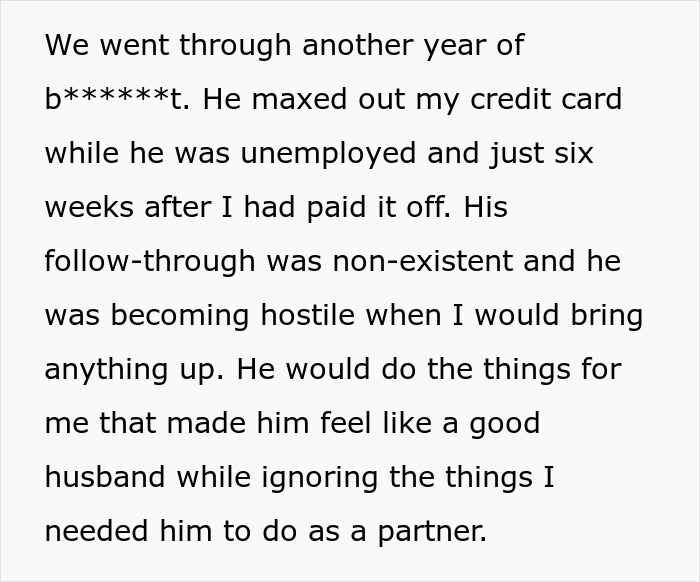
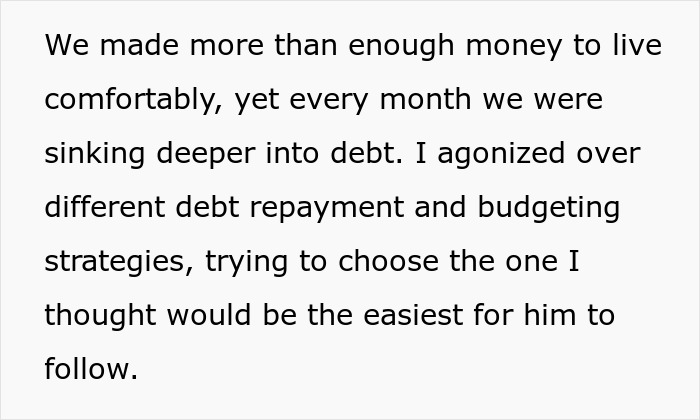

Image credits: MART PRODUCTION / Pexels (not the actual photo)

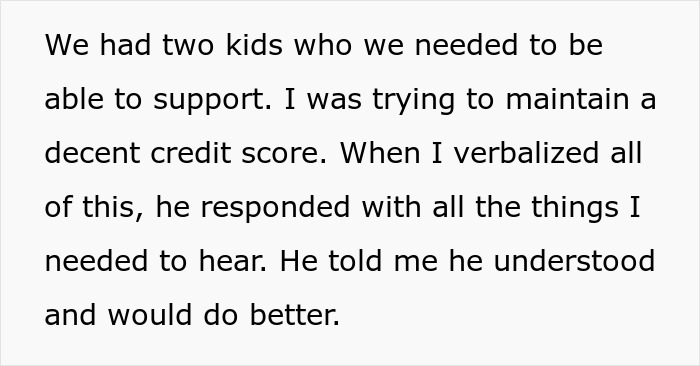
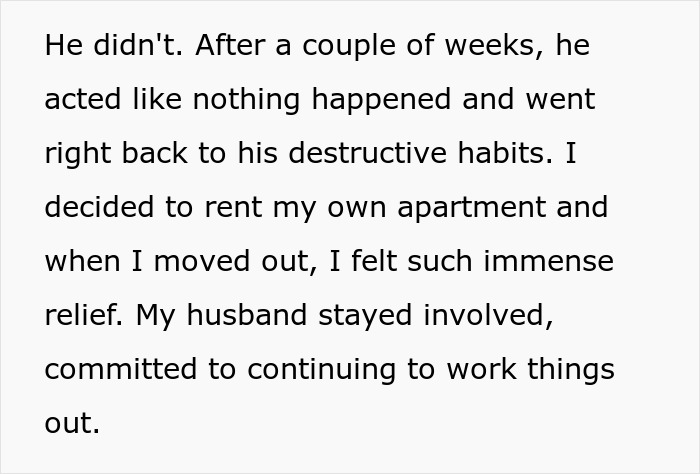
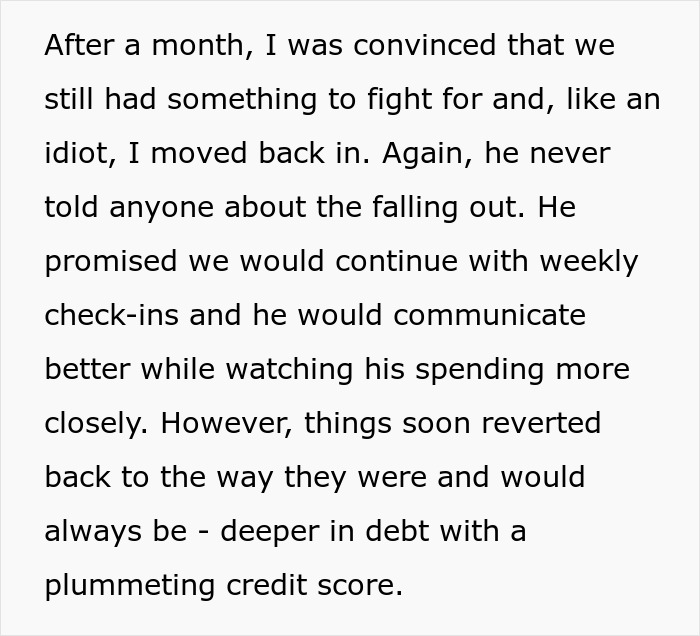

Image credits: Getty Images / Unsplash (not the actual photo)


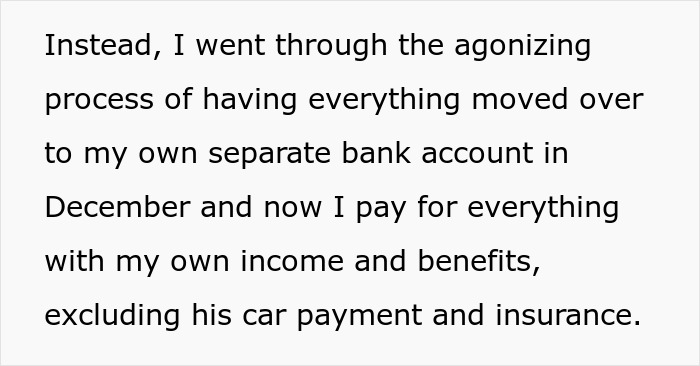

Image credits: Nataliya Vaitkevich / Pexels (not the actual photo)

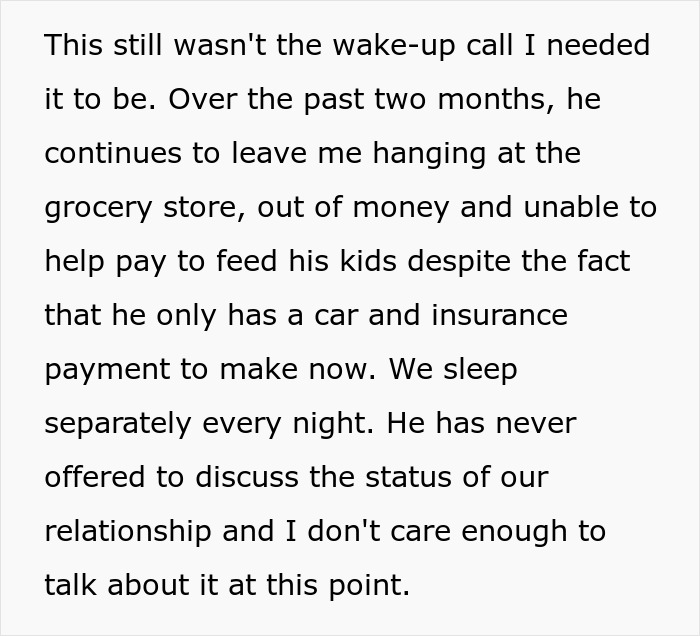
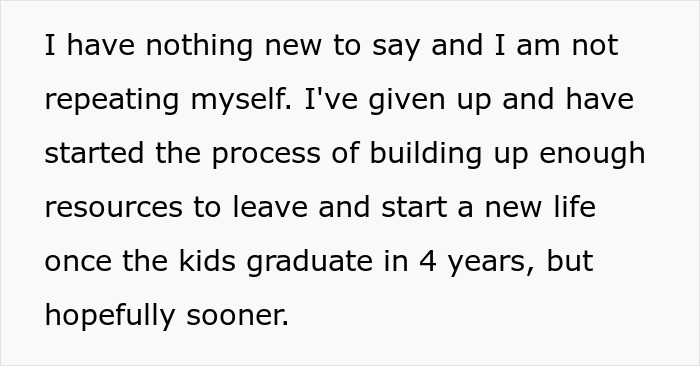

Image credits: Tima Miroshnichenko / Pexels (not the actual photo)
Later she added some more details
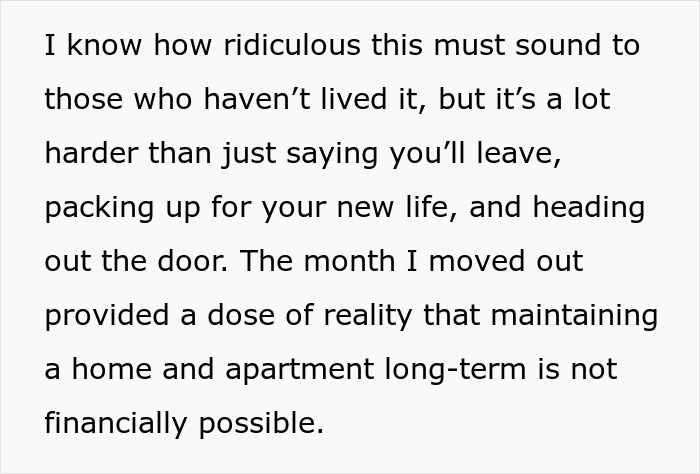

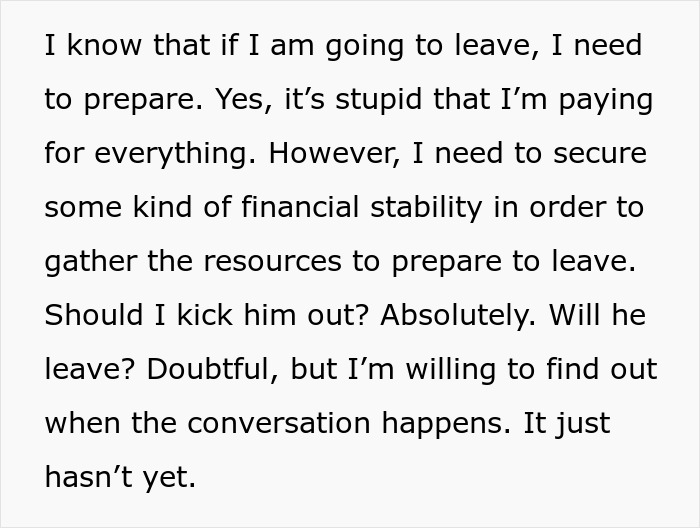
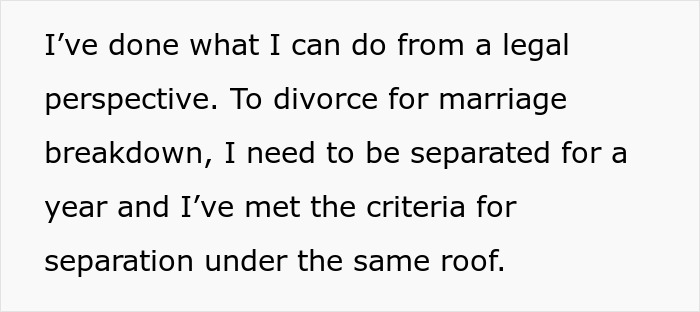

Image credits: Getty Images / Unsplash (not the actual photo)

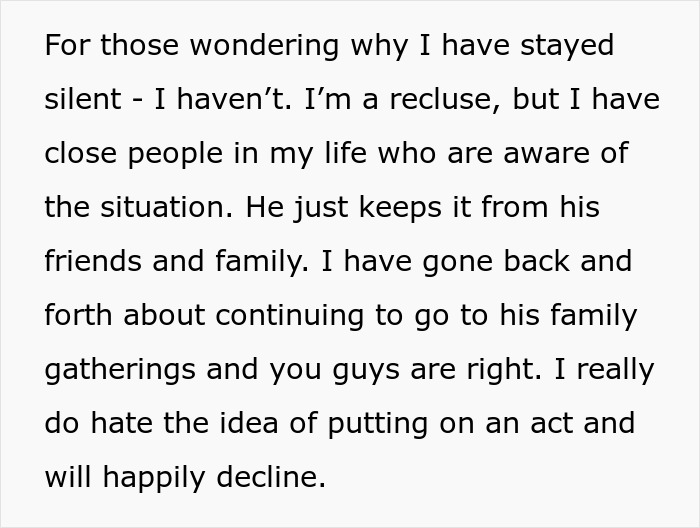
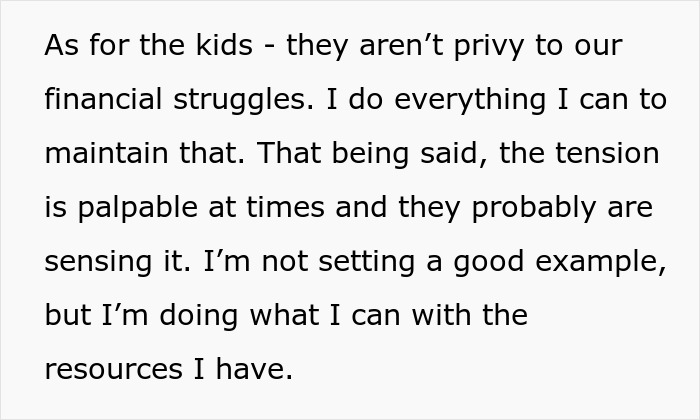
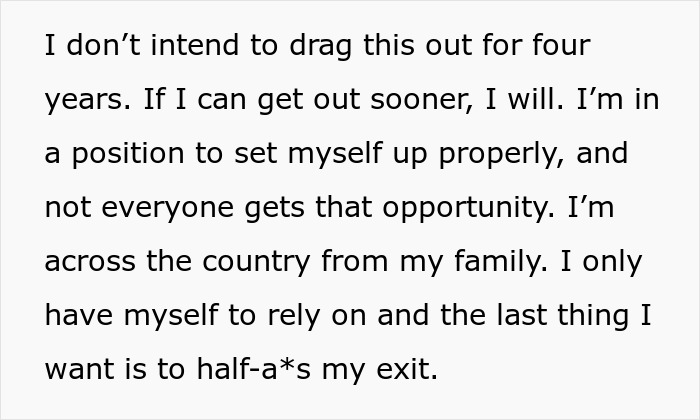
Image credits: Calm-Anteater-3486

Image credits: Alena Darmel / Pexels (not the actual photo)
It can be hard to face the reality that one’s marriage is falling apart
When a marriage begins to fracture, the signs aren’t always found in explosive arguments or dramatic betrayals. Often, the slow erosion of a partnership is marked by a concept recently dubbed “quiet quitting” within a relationship. This occurs when one partner, exhausted by a cycle of broken promises and unmet needs, stops fighting for the connection and starts building an emotional and practical exit strategy while still physically occupying the same home. It is a state of survival rather than cohabitation, where the goal shifts from intimacy to self-preservation.
One of the most profound indicators that a marriage is failing is the shift from being partners to becoming “co-parenting roommates.” In a healthy dynamic, spouses function as a team, but when the relationship breaks down, the “mother/roommate” dynamic often takes over. This imbalance is frequently rooted in a lack of accountability, particularly regarding shared responsibilities. According to research from the Gottman Institute, when one partner consistently ignores the “bids for connection” or the explicit needs of the other, the relationship enters a danger zone known as stonewalling or emotional withdrawal.
Financial infidelity and instability are also major catalysts for marital collapse. It isn’t just about the money itself, but the breach of trust and the “financial hostage” situation that occurs when one partner’s destructive habits jeopardize the family’s security. When a spouse repeatedly drains bank accounts or maxes out credit cards despite clear agreements to stop, they are effectively telling their partner that their immediate impulses are more important than the collective future. This creates a deep sense of betrayal that is often harder to heal than physical infidelity. Psychology Today notes that financial stress is one of the leading predictors of divorce, specifically when it involves secrecy and a refusal to change behavior after a “wake-up call.”

Image credits: Alena Darmel / Pexels (not the actual photo)
Separating after more than a decade together can cause a lot of anxiety
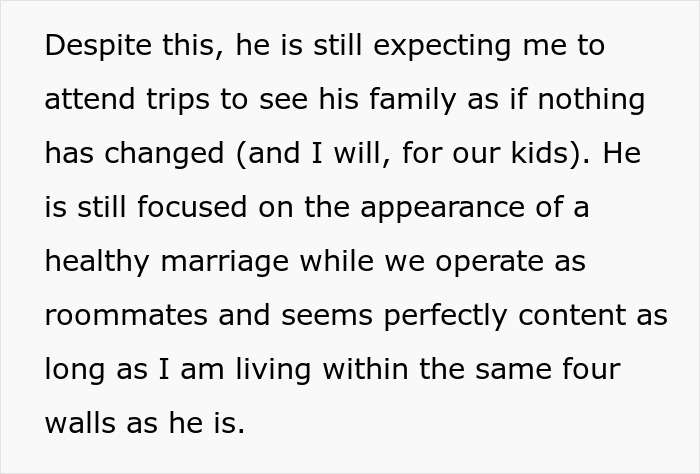
Perhaps the most haunting sign of a dying marriage is the “performative” relationship. This is a scenario where one partner is more invested in the image of a successful marriage than the actual health of it. They may insist on attending family events, taking photos, and maintaining the façade of a happy couple while living in separate bedrooms and barely speaking behind closed doors. This obsession with appearances acts as a barrier to genuine healing.
If one person is content as long as they are “within the same four walls,” they are choosing the comfort of a status quo over the hard work of reconciliation. This creates a profound sense of isolation for the partner who is essentially mourning the marriage while still being expected to play their part in the play.
The final stage of this decline is often marked by a total separation of lives, financially, physically, and emotionally, while still legally bound. When a person begins to feel “immense relief” at the thought of being alone or moving out, it is a clear sign that the marriage has become a source of trauma rather than a sanctuary. Building a “secret” life, such as saving money in private accounts or planning an exit years in advance, is a protective measure against a partner who has proven themselves unreliable. At this point, the relationship isn’t just failing, it has been replaced by a strategic plan for freedom. It is a quiet, heavy transition from hoping for a change to simply waiting for the right moment to leave for good.
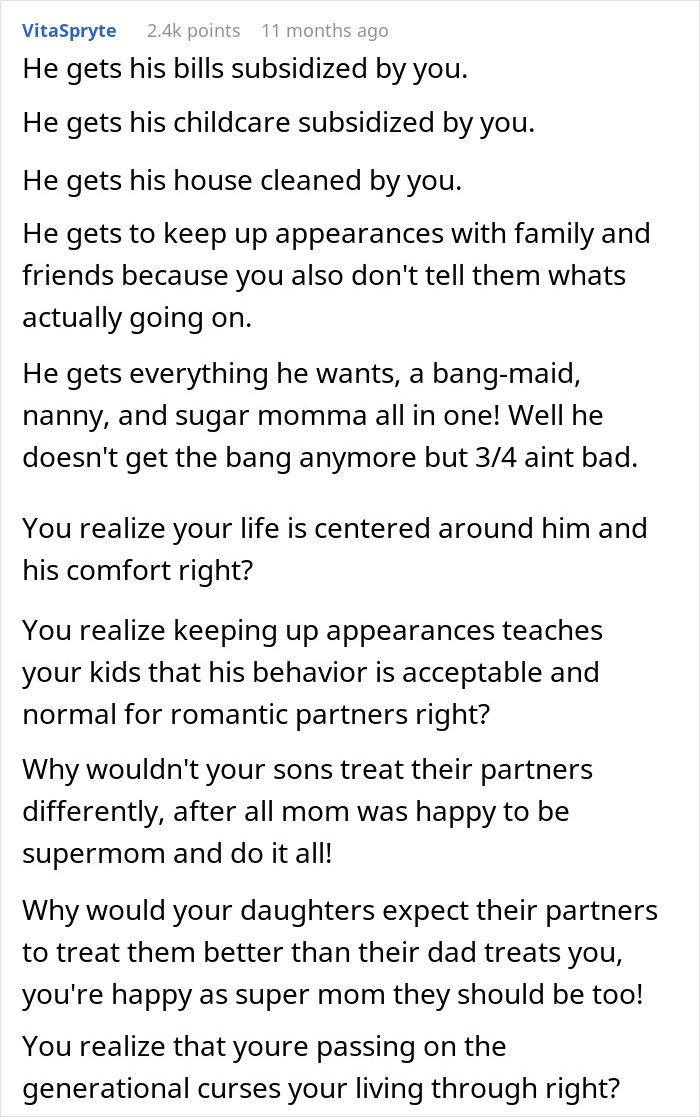
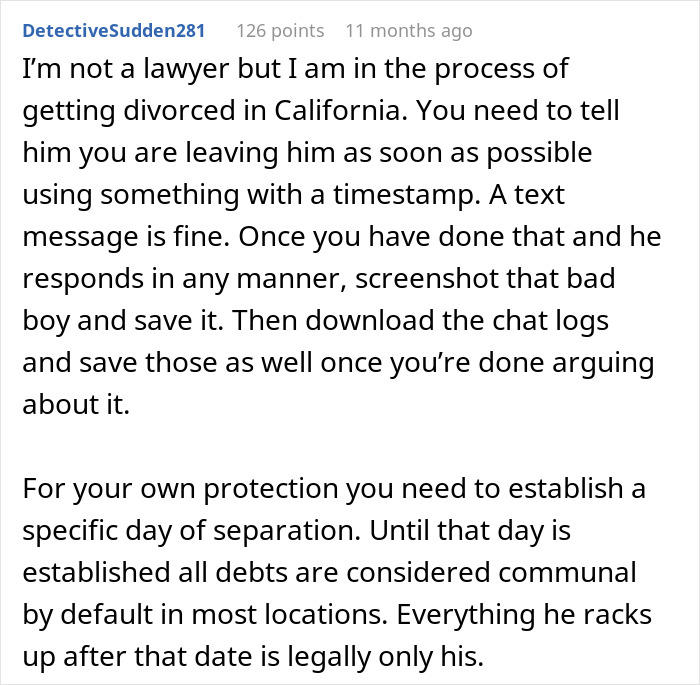
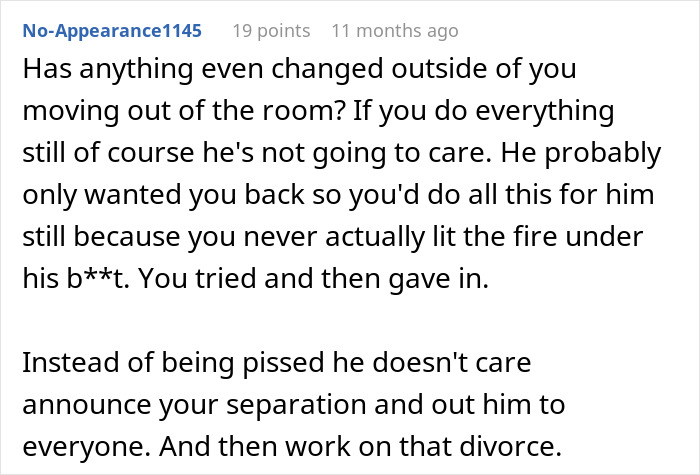
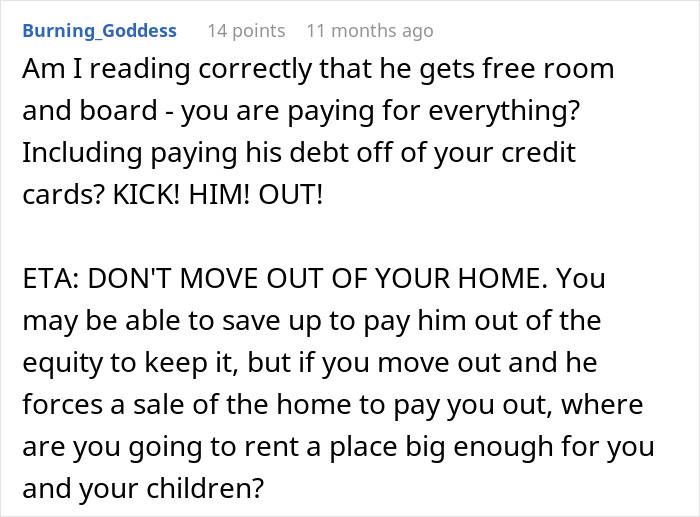
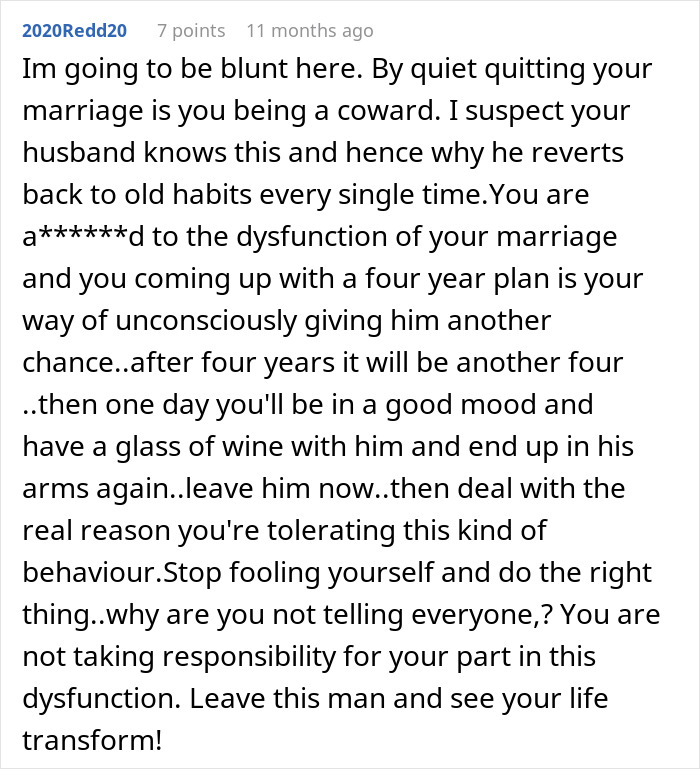
Many readers thought she should just leave him




















 Follow Us