
Prestige TV is usually sold on its leads, but it is the supporting characters who turn a good show into an obsession. They deepen the world, complicate morality, and keep viewers talking long after the finale. In series like Breaking Bad, Game of Thrones, and other ensemble dramas often grouped among the era’s most important shows, the “side” players quietly became the emotional core. In an age where even the biggest television stars are judged by longevity and impact, these characters changed the rules.
What makes a supporting character truly influential is not just popularity. It is their ability to shift how writers structure stories, how networks market their series, and how future shows are cast. The figures below didn’t just steal scenes. They redefined entire archetypes, inspired spin-offs, or reframed what audiences expect from “secondary” roles in serialized storytelling. Their influence can be felt across everything from casting decisions to which ensembles rank among the most valuable and talked about on TV.
Jesse Pinkman – ‘Breaking Bad’

Aaron Paul’s Jesse Pinkman begins as comic relief and evolves into the show’s raw conscience. Across Breaking Bad, Jesse’s arc from small-time dealer to shattered survivor forced audiences to re-evaluate who the story was really about. His moral bruises made Walter White’s transformation even more horrifying; every time Jesse suffered, the cost of Walt’s choices became impossible to ignore.
Jesse’s popularity also altered how prestige series handle “sidekick” roles. Instead of staying in the background, he drove some of the show’s most daring narrative swings and eventually headlined El Camino. That journey showed showrunners that a supposedly secondary character could carry full-length stories, expanding the long-term commercial and creative value of deep ensembles.
Saul Goodman – ‘Breaking Bad’ and ‘Better Call Saul’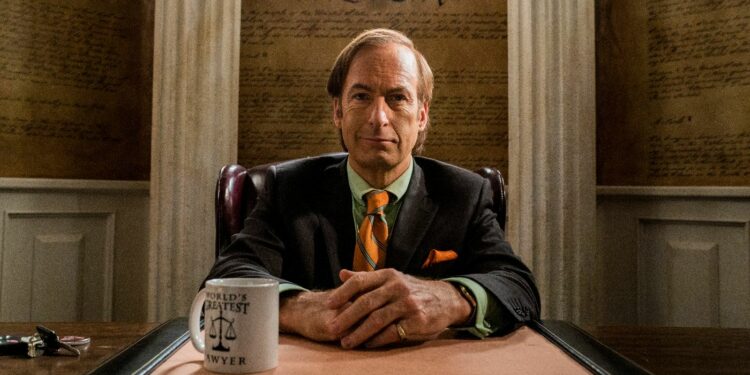
When Bob Odenkirk first appeared as Saul Goodman, he seemed like a one-note comic distraction. Over time, the morally flexible lawyer became a structural pillar of Breaking Bad and then the tragic center of Better Call Saul. His arc from sleazy operator to deeply compromised human being proved that spin-offs could match or even surpass their parent series in complexity.
Saul’s influence reaches beyond one franchise. His success reshaped how executives evaluate supporting characters when considering expansions, especially in universes where the Lost cast or other ensembles are rich with untapped backstories. The model is clear: build a layered supporting role now, and you might be building the foundation for tomorrow’s flagship drama.
Omar Little – ‘The Wire’Michael K. Williams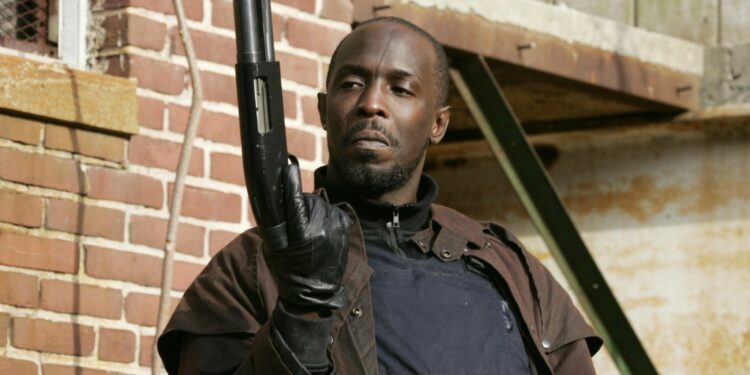
Michael K. Williams turned Omar Little into one of television’s most iconic figures. In The Wire, Omar is a stickup man who robs drug dealers, operating under a personal code that is stricter than that of the police or politicians. His whistle, trench coat, and shotgun became mythic imagery, but it was his contradictions—tenderness and brutality, vulnerability and swagger—that rewrote expectations.
Omar showed that a queer, Black antihero could be the moral compass of a series without being sanitized or tokenized. His presence pushed writers toward more nuanced portrayals of marginalized characters and proved that prestige TV could handle complex intersectional identities with unflinching honesty, not just surface representation.
Tyrion Lannister – ‘Game of Thrones’

Peter Dinklage’s Tyrion Lannister began as the clever outsider and evolved into the show’s emotional and political anchor. Across Game of Thrones, Tyrion’s wit, trauma, and strategic mind turned him into the character many viewers trusted most. His perspective often framed the show’s debates about power, class, and war.
Tyrion’s success had industry-level consequences. It proved that a fantasy series could hinge on sharp dialogue and moral ambiguity as much as spectacle, and that an ensemble like the Game of Thrones cast could sustain multiple breakout stars. For future fantasy dramas, the lesson was clear: invest in layered supporting roles, because they may become the true cultural touchstones.
Tom Wambsgans – ‘Succession’ 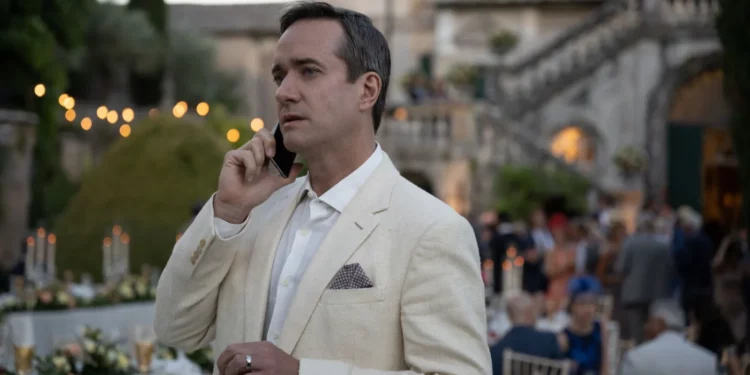
Matthew Macfadyen’s Tom Wambsgans, introduced as a slightly pathetic in-law in Succession, quietly became one of its most devastating figures. Tom’s mixture of sycophancy, insecurity, and sudden ruthlessness captured the psychological cost of orbiting billionaires. His shifting relationship with Shiv Roy turned into one of TV’s most cutting marriage portraits.
Tom showed how a supporting character can embody an entire show’s thesis. He is both victim and perpetrator, desperate for acceptance yet willing to betray anyone. That duality influenced how newer prestige dramas write corporate and political underlings, using supporting players to expose systems of power with painful clarity rather than simple satire.
Ben Linus – ‘Lost’

Michael Emerson’s Ben Linus entered Lost as a seemingly minor figure and quickly took over the narrative. His calm voice, cryptic motives, and shifting allegiances made him the mystery engine for multiple seasons. Each reveal about Ben forced viewers to rethink what they knew about the island, the Others, and the show’s morality.
Ben’s evolution from background captive to central antagonist helped cement ensemble dramas as long-tail businesses, where characters introduced late can still reshape the story. That approach continues in shows where supporting players rival leads in audience attachment, and where the financial value of ensembles—from prestige dramas to the General Hospital stars—depends on how many characters feel indispensable.
Mike Ehrmantraut – ‘Breaking Bad’ and ‘Better Call Saul’

Jonathan Banks brought weary gravitas to Mike Ehrmantraut, a fixer who operates with professional discipline and quiet sadness. In Breaking Bad, Mike adds texture to the criminal world; in Better Call Saul, he becomes a tragic study in how a “man who gets things done” loses pieces of himself with every job.
Mike’s presence proved that an older, stoic supporting character could command as much attention as flashier leads. His storyline influenced how later series wrote enforcers, bodyguards, and “company men,” turning them from generic muscle into fully realized people whose choices hammer home the cost of violence and loyalty.
Kim Wexler – ‘Better Call Saul’

Rhea Seehorn’s Kim Wexler is arguably the most important addition the prequel made to its universe. Better Call Saul begins as Jimmy McGill’s story, but as Kim’s ambition, integrity, and appetite for risk deepen, the show gradually orbits her moral struggle. By the final season, many viewers were more concerned with Kim’s fate than with how Jimmy becomes Saul.
Kim’s impact reaches beyond one franchise. She reset expectations for how women are written in prestige crime dramas: not just spouses or foils, but fully equal partners in both brilliance and self-destruction. Her arc has already influenced how critics talk about the richest cast members and most compelling performers across modern ensembles, because she demonstrated how a “supporting” role can ultimately define the soul of a series.
These characters changed more than their own shows. They proved that audiences will invest deeply in people who were never supposed to be the center of the story. That insight has pushed writers’ rooms to design casts where nearly every secondary role has its own mini-arc, fan base, and potential spin-off value. It also influences which ensembles become the focus of industry coverage, from The Blacklist cast to emerging ensembles on streaming platforms.
 Follow Us


