Remember when the Beast gifted Belle an entire library, and all of us swooned at the idea of not only receiving such a gift, but having so many books all to ourselves? Or was it just me who dreamed of shelves lined with every novel my heart could desire? According to a terrifying article in The Atlantic titled “The End Of Reading Is Here,” that could be true, because only 38% of Americans apparently read books.
The post made it seem like the ‘bookworm’ is an endangered species that needs conservation, or else reading rates will keep plummeting. In the last 20 years in the US, there has definitely been a decline in how often folks read for pleasure, and high rates of screen time, doomscrolling, and consuming endless shows have surely contributed to this problem.
Now, as someone who personally owns more than 200 books, has read over a 1000 in her lifetime, and keeps a dedicated Excel sheet to help locate and keep track of what all she’s read, I know what a difference immersing oneself in a story or novel can truly make. Don’t just take my word for it; research by cognitive neuropsychologist Dr. David Lewis in 2009 shows that reading for just 6 minutes can reduce stress levels by up to 68%.
So, to kickstart the revival of the almost-extinct bookworms, Bored Panda reached out to three avid readers: one who is a writer, another who’s a book reviewer, and a research scholar to get their perspective on this situation and to gather some advice as well. As Stephen King so wisely put it, “Books are a uniquely portable magic,” which is why we want to fill the world with that whimsy all over again.
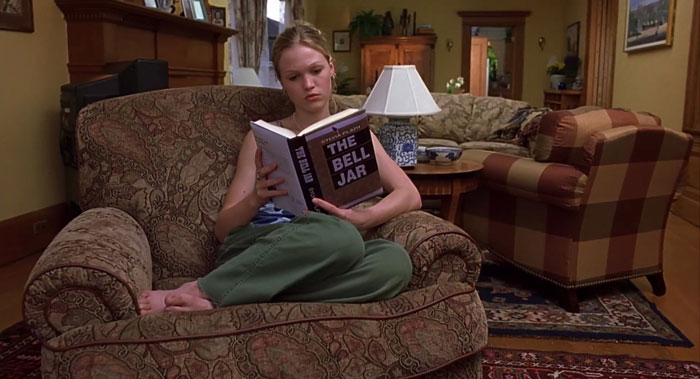
Reading is at risk, and it has been for quite some time
Before we even dive into the many ways people can jump back into loving books, it’s important to first understand what’s happening to the American literary landscape. According to a National Endowment for the Arts report surveying 17,000 individuals, fewer than half of U.S. adults read literature.
In 1982, around 56.9% of the population read, and that number has declined by 10 percentage points in 20 years. That represents a loss of around 20 million potential readers, with the steepest decline among young folks around 18-34 years of age. From being the group that’s most likely to pick up literary works to now being the least likely, this downward trend is definitely concerning.
The research also shows that in 1990, literature purchases made up 5.7% of people’s total recreational spending, while technology was at 6%, but by 2002, electronics spending jumped to 24% and book buying dropped to 5.6%. It’s almost as if people have so many other entertainment options that reading a novel just doesn’t cut it anymore.


Getty Images / Unsplash (not the actual photo)
People used to read for fun; now it’s treated like homework
Earlier, folks browsed through books at shops and picked one they liked best so they could go home, curl up with a cup of coffee, and dive into a new story. Unfortunately, that joy of reading seems to have shifted over time, with people treating finishing a novel as a task to check off as soon as possible.
That’s probably why the NAEP’s research found that 14% of students report reading for fun every day, which should be something to rejoice at, if only the rate wasn’t 13% percentage points lower than it was in 2012. A 1992 survey of adults found that 61% read some literature for pleasure at least once a year, but that figure dropped to 49% by 2022.
This drop in reading seems to have occurred even though researchers included novels, magazines, newspapers, audiobooks, and literature on tape. So, regardless of the medium, this concerning decline seems to have been happening steadily for the last 80 years and might continue unless we figure out why.

Brooke Cagle / Unsplash (not the actual photo)
If readers seem to be going extinct, are the phones to blame?
The smartphone revolution began around January 2007, when Apple introduced the iPhone, and since then people seem to have been pulled into a digital landscape that diverts their attention from reading. Consuming content online requires only passive participation, which is why most teens spend nearly 4.8 hours a day on social media.
This, coupled with the ease of scrolling, makes digital life seem like an attractive trap that’s taking up most of our time. To add to this, AN White, who is a reader, book reviewer, and aspiring novelist, states that “phone screen time is most likely at an all-time high, and I suspect it of being the biggest culprit. Factors like economic status and overworking can reduce a person’s ability to enjoy any kind of hobby in their free hours, and reading is likely the first to go, given that it requires focus and active attention. Especially when the phone is right there, ready to hijack our dopamine systems for the profit of a large corporation.”
What’s interesting, or maybe even worrisome, is that in 1999 the Kaiser Family Foundation conducted a study that showed that the average American child lives in a household with 2.9 televisions, 1.8 VCRs, 3.1 radios, 2.1 CD players, 1.4 video game players, and 1 computer. If there were so many devices and options for distraction available then, just imagine what it’s like now, over two decades later.
The convenience of these digital options has certainly proved to be the path of least resistance compared to reading. Even AN White mentioned that “A friend of a friend who is a new mom recently found herself frustrated by a direct question that someone asked her, which was, ‘What do you do for fun?’ She made a few attempts at brushing it off by saying, well, she’s a new mom. What free time? The other person was insistent, and she had to admit that when she has a few minutes, she just scrolls. She didn’t like that this was her answer, so she intentionally went out and bought a book.”

The displacement effect plays a major role in why people don’t have as much time for books as they used to
The idea is that people have a limited amount of leisure time each day, and if they’re engrossed in media, it can overshadow their hobbies and other interests. People who are actually interested in reading tend to spend nearly 1 hour and 34 minutes doing it, according to research.
Sharon George, a writer, research scholar, and former professor of philosophy, also explained that “reading takes hard work; it takes discipline. For one to engage in this activity would require them to shut off many things in order to carry it out. We live in a fast-paced world, and we want to have things at our fingertips. Reading is anywhere but near your fingertips. You just can’t touch the letters and get what you want. It is a commitment that requires your whole body, soul, and mind.”
That’s probably why the average American who doesn’t enjoy delving into novels spends a mere 16 minutes reading, which is shocking when you compare how high most people’s screen time is. The digital revolution has certainly contributed to this skewed attention economy, but AN White mentioned that there seems to be an ”interesting countercultural movement happening in which people are giving up their smartphones.”
She shared: “I see videos all the time of people explaining how it felt to get rid of their phones and what they did instead. I met someone at a concert this year with a flip phone and separate digital camera, like she was straight out of the early 2000s despite being about 20 years old. When I asked about it, she said, ‘My iPhone broke, and my screen time was so high, higher than I think is normal for most people, so I just decided not to replace it.’ I thought that was incredibly cool.”

Is digital reading the solution to this literary decline?
If people are already spending so much time online, maybe e-readers and audiobooks could solve this reading crisis. As of 2024, 72 million Kindles have been sold across 90 countries, accounting for over 85% of e-reader device sales worldwide. People who use these devices tend to read an average of 35 e-books annually, which is 4 times the amount regular readers do.
Audiobooks have also been having a moment, and around 53% of American adults have listened to at least one novel. The American Foundation for the Blind invented this accessible reading option in 1932, and since then it has taken off across different demographics.
Although audiobooks and e-readers seem like an almost magical solution to our literary crisis, data collected by the University of Valencia from 450k+ students show that digital reading does not seem to pay off in terms of reading comprehension compared with physical texts. This means that if a student spends 10 hours with a print book, their ability to understand it will be 6-8 times higher than if they read the same material online in a similar amount of time.
This poor comprehension with digital devices may be because they often serve multiple purposes besides reading, which can distract people. Another reason could be the quality of content consumed online, which may be lower and use less sophisticated vocabulary. This doesn’t mean people should avoid reading books digitally, but that they could use it alongside print media occasionally.
Check out more about this research right here
Reading doesn’t just transport you to a new world; it can also reduce your stress in this realm
Many parents read stories and poems to their little ones, even when they’re very young, and science shows this can greatly impact a child’s social and emotional understanding of the world. Kids who grow up enjoying reading tend to articulate their feelings and emotions much better than children who don’t.
95% of teachers also say reading gives children the vocabulary to express themselves while helping them develop the cognitive skills needed to deal with life’s problems. The benefits of delving into a book aren’t just for kids; they’re for adults too and can improve wellbeing, reduce stress, promote relaxation, and even increase empathy.
Neuroscience research by The Queen’s Reading Room in 2024 found that spending just five minutes reading fiction can reduce stress levels by up to 20%. Their study also found that 35% of folks turn to books for comfort, compared to 31% who used wine or 5% who took a hot bath to relax.
That’s why it’s up to us to get back into reading, but the question is how to do that when the Internet, doomscrolling, and life’s responsibilities pull us in every direction. Although there’s no one-stop solution, we’ve come up with three simple ways to revive your passion for reading.

Christin Hume / Unsplash (not the actual photo)
Step one: the things that are keeping you from reading
Book clubs, online communities, digital readers, and audiobooks are great ways to get back into literature, but none will work unless you figure out why you don’t want to read a novel. Sharon George shared her personal experience: “I had to first figure out what was keeping me from reading, like what was my specific struggle, and I found out that it was Instagram.”
Once she understood what was standing in her way, she deleted that app off her phone and told us that “when I was free from my other work, I had nothing to entertain me, and so I would pick a book. I also have a designated time for my reading, so I try to let nothing interfere with that schedule.”
Taking time off social media might seem drastic, especially for the few of us who love seeing what the world is up to, but this kind of extreme measure might actually work in our favor. AN White mentioned that she tries to have “Internet-free weekends to force myself out of the scrolling habit. On Saturdays and Sundays, I leave my phone and laptop in another room. I don’t stream anything on the TV.”
She also mentioned that since she and her husband are physical media collectors, they watch DVDs, play records, solve puzzles, or cook, and read a lot during that time.
“It’s been a learning experience, to say the least, and at first there’s always this inherent ‘itchiness’ and boredom that I must overcome. I always find it interesting when an issue arises, and I must solve it using only my critical thinking skills, without Google or AI. The result is that I arrive on Monday more refreshed, with this feeling that it was a very long weekend. It’s the closest I’ve gotten in my adult life to that feeling I had in middle school, when I could read a 400-page book in a day or two,” she added.

Samantha Hentosh / Unsplash (not the actual photo)
Step two: accepting your book choices without criticism
We’ve always been taught to never judge a book by its cover, but apparently some bookworms look down on certain readers for their choices. This kind of judgment can make a newbie feel hesitant to pick up the books they like, and can ultimately keep them from spending time reading.
You can even check out this video by a book de-influencer to understand how such beliefs affect readers
It’s a shame if someone picks up a novel and puts it right back down just because they’re afraid of other people’s opinions. That’s why Addey Vaters, a contemporary romance writer and reader based in Colorado, advises: “Don’t judge yourself and your tastes. If the genre of book that gets you back into reading is vampire melodrama or young adult romance, that’s okay! There’s an audience for every type of book out there.”
She mentioned that people go through all sorts of phases in life, and their literary tastes can change too. That’s why she says, “Read whatever is appealing to you and run with it; maybe that means returning to your favorite genre from high school or trying something new. Take on the mindset that any and all books are welcome as long as they get you back into reading again.”
Sharon George also explained that “it’s important you choose a good book, the ones that will draw you into it. Pick a book which will capture your imagination or feed your curiosity. Ask a friend about it or a mentor. They will be sure to guide you.”

Getty Images / Unsplash (not the actual photo)
Step three: the wondrous world of BookTok
Who says TikTok is just for silly videos and dances, when a burgeoning community of book lovers and readers is right under our noses? This subcommunity on the platform arose as a way for people to discuss, review, recommend, and joke about books and literature. Since its beginning, it’s become a huge force for readers to discover new authors and for newbies to get into reading.
The niche community of BookTok is a great space to ignite the fire of reading, as people’s short, engaging videos filled with recommendations, emotional reactions, and trending challenges are quite a lot of fun. This online space doesn’t just make reading more fun; it has also had a tangible impact in the real world, with Bloomsbury seeing a 220% rise in profits in 2020, and U.S. book sales rising by 9%.
AN White did explain that while “BookTok is the first obvious trend that comes to mind that actually does tend to increase reading, the drawback is often that it creates niches. If you’re into fantasy, you’ll get a lot of content about fantasy. If you’re into romance, same thing. If you’re not into any specific niche, then the BookTok algorithm may not appeal to you, and then you don’t get pushed bookish content at all, or very little.”
She also explained that when she listened to Algospeak by Adam Aleksic, he mentioned that age, race, location, and other identifiers are now considered as “cores.” For example, “cottagecore” or the “clean girl aesthetic.” That’s the data the algorithm uses not only to push content, but to sell you things.
That’s why AN White mentioned that “this not only makes me skeptical, but perhaps even disinclined to use that as a source for finding my next read. However, if it works to get someone into reading who might have otherwise not gotten into it, then I think that’s great.”
Reading doesn’t have to be a chore, a task, or homework that you need to dread; it should seamlessly be made part of your daily life again

If just perusing one novel can help you feel calmer and better about your day, maybe it’s best to take those 6 minutes and read something in print. As Addey Vaters puts it so beautifully, “Make reading a part of your habits and part of your community. Set aside time to read each day, even if it’s only 10 or 15 minutes. Read a book that looks interesting with a friend and exchange notes.”
She said that if you integrate reading into your lifestyle and involve your friends and family, you’ll be much more likely to rediscover your passion for books because reading will be fun. In fact, the whole process is relational, and research on teens found that young folks tend to be more curious and open to picking up books when their friends recommend them.
So if you want to make reading part of your daily life, set time aside, involve your friends, check out local or online communities, and don’t judge your book by its cover.
 Follow Us