No parent gets it right all the time, that’s just reality. Most people grow up with parents who tried their best, even if they messed up along the way. But then there’s another reality as well — some parents can be super controlling or intrusive.
That’s exactly what one man experienced when his parents started involving his 12-year-old son in conflicts from his divorce.
Sharing his story online, he revealed how his child was being asked to shoulder emotional responsibilities meant for adults — a situation that forced him to take drastic steps to protect his family.
A man’s parents started interfering in his family life after his divorce

Image credits: The Yuri Arcurs Collection / freepik (not the actual photo)
He said they involved his 12-year-old child in the emotional family drama
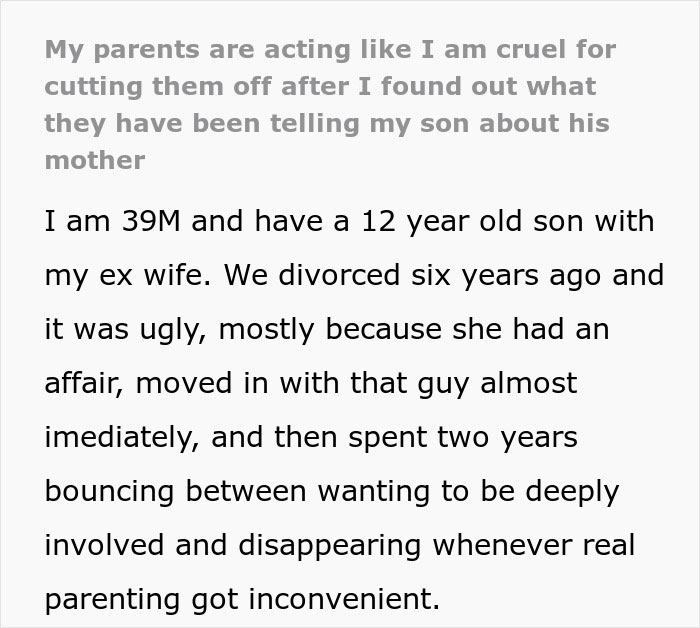
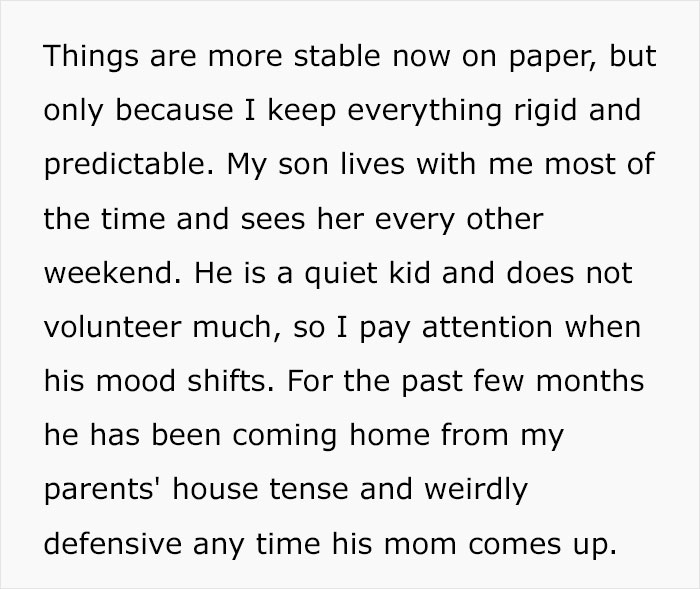

Image credits: freepik (not the actual photo)
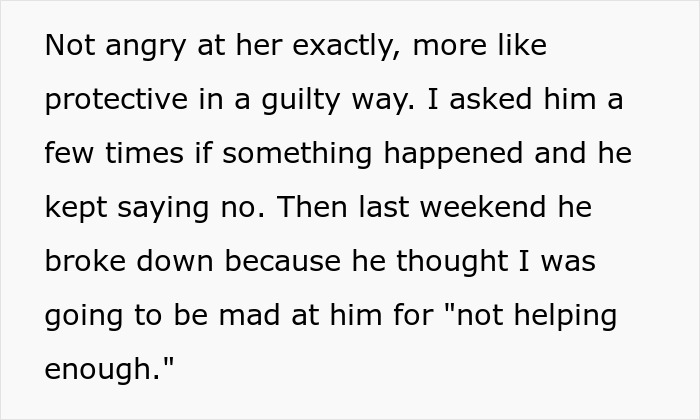
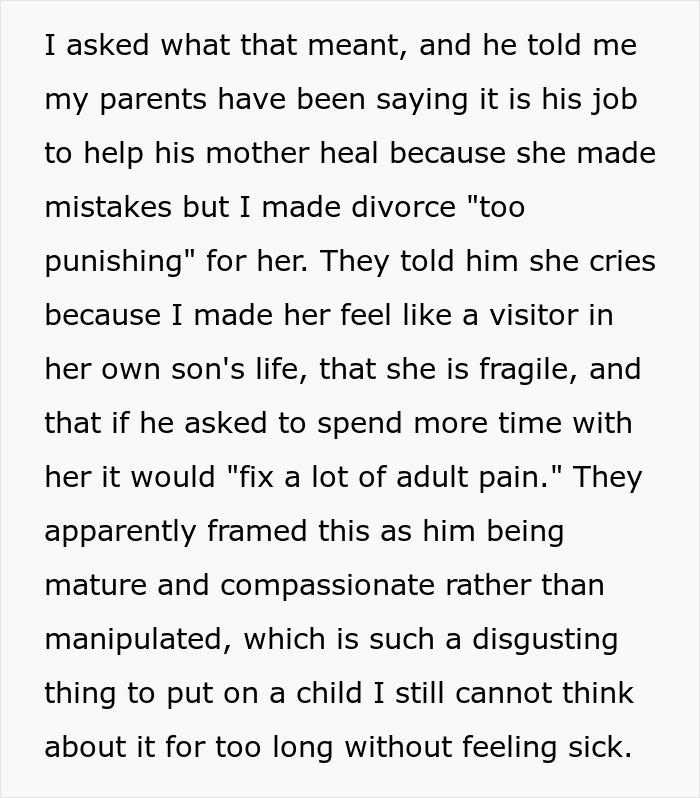
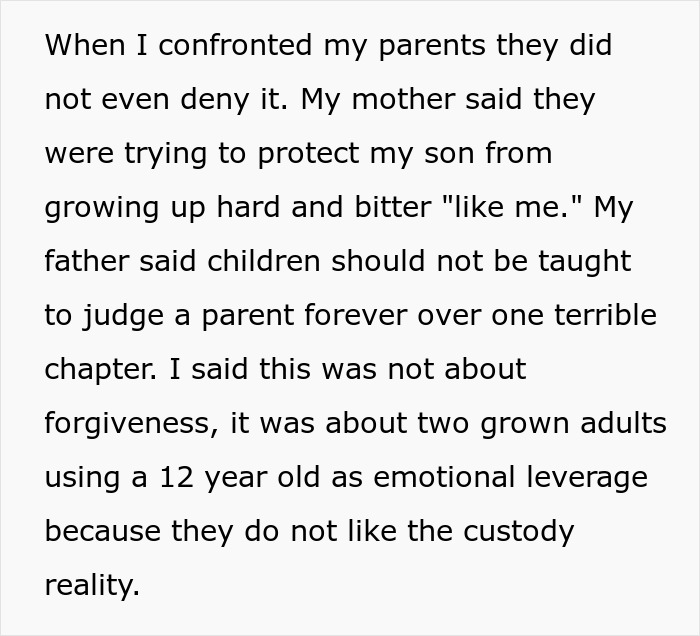

Image credits: krakenimages.com / freepik (not the actual photo)
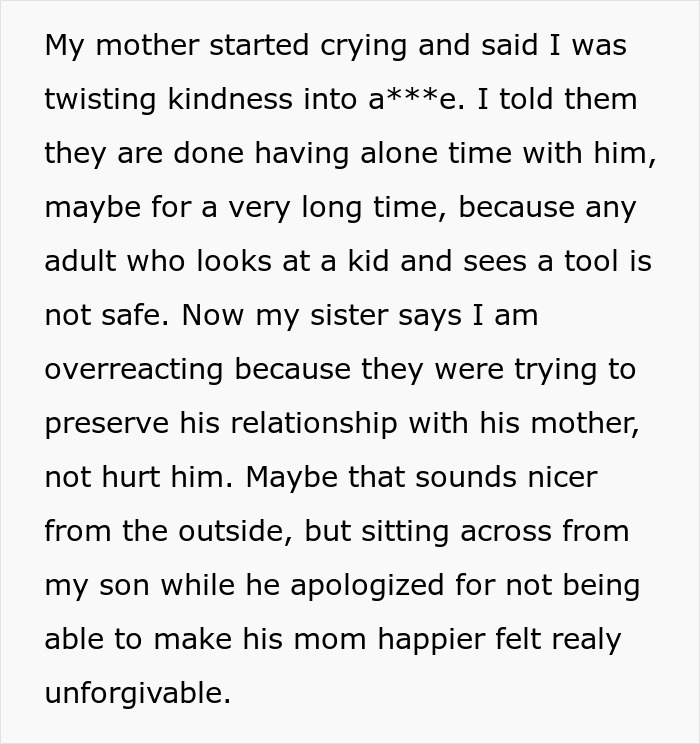
Image credits: VoltNauti21
Even well-meaning parents can sometimes cross a line
Some parents think that just because they brought their child into this world, they get some sort of VIP pass to their life.
They mean well (usually), but that doesn’t change the fact that they might overstep, micromanage, control, or ignore their child’s needs.
Experts say this kind of parenting often looks more like control than love.
“The biggest toxic trait that I see loving parents do by mistake is not understanding that their child has their own path and purpose in life,” says Dawn Friedman, a licensed professional clinical counselor.
Being overly controlling with their kids can be a serious toxic parenting trait, experts say. It can look like interfering in their child’s relationships, social life, everyday decisions and even undermining their independence.
“If you have toxic parents, you may struggle with, or have struggled with, anxiety, depression, and anger in response to feeling manipulated, deceived, pressured, or even humiliated,” writes family psychologist Jeffrey Bernstein, PhD.
Research shows that adult children who view their parents as overly intrusive or controlling are less likely to turn to them for support, particularly during important life decisions.
There’s a concept in family systems theory called enmeshment. It’s when personal boundaries are so blurred that one person’s choices feel like a direct reflection on someone else. Instead of seeing a child as independent, their decisions are taken personally.
For example, it can show up as disappointment when a child chooses a different career path or a romantic partner, or as subtle frustration when they don’t follow the same traditions or lifestyle they were raised with.
Over time, this way of thinking can make the child feel responsible for meeting expectations rather than making their own choices.
Setting boundaries can be key to healthy relationships
Experts generally agree that the first big step in dealing with super intrusive or entitled parents is literally naming your limits.
It can look like refusing to discuss personal topics, setting boundaries around how much time you or your children spend with them, and taking a step back when things get too messy.
“Parents don’t suddenly change and become nontoxic. You may have to distance yourself from them to heal and that can be a hard pill to swallow,” says psychologist Chivonna Childs.
“Setting boundaries is exactly what you would do with any other toxic person in your life, so it should be the same with family. We have to let them know what’s appropriate and what’s not because boundaries will help you heal. If they can’t respect those boundaries, we have to love them from a distance. That allows us to be free from their toxicity,” she adds.
When boundary setting fails, cutting off ties with parents is not unheard of. In fact, in a recent survey, 16 % of American adults said they are currently estranged from a parent.
Out of these, 34% cited manipulative behavior as the reason for estrangement. About another 34% cited physical or emotional abuse, while 31% said lies or betrayal were the main reasons.
As conversations around boundaries become more mainstream, more adults are realizing that relationships, even within families, don’t automatically guarantee unlimited access.
At the end of the day, this is about more than just one family’s conflict… it’s a reminder that protecting your kids’ emotional well-being sometimes means making tough choices with the people you love.
It also raises a question for all of us: how far would you go to keep your child out of family drama, and what boundaries would you be willing to enforce to make that happen?
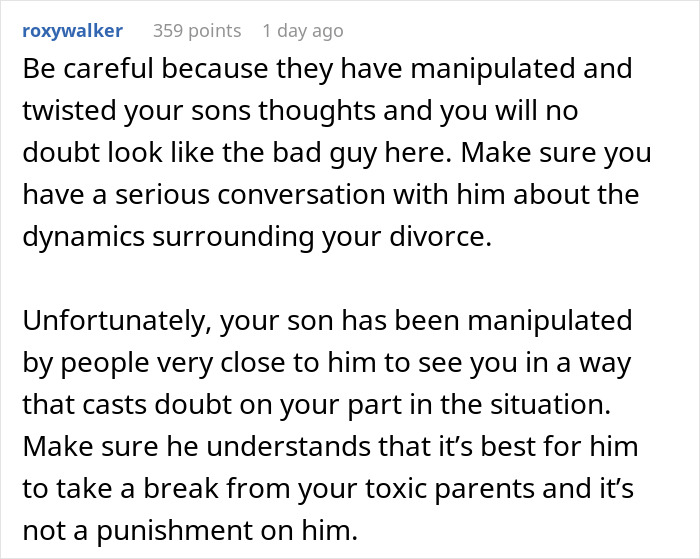
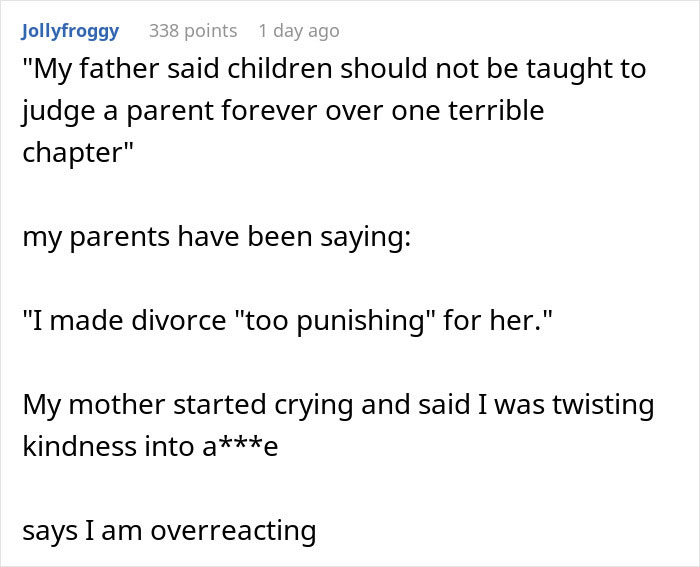
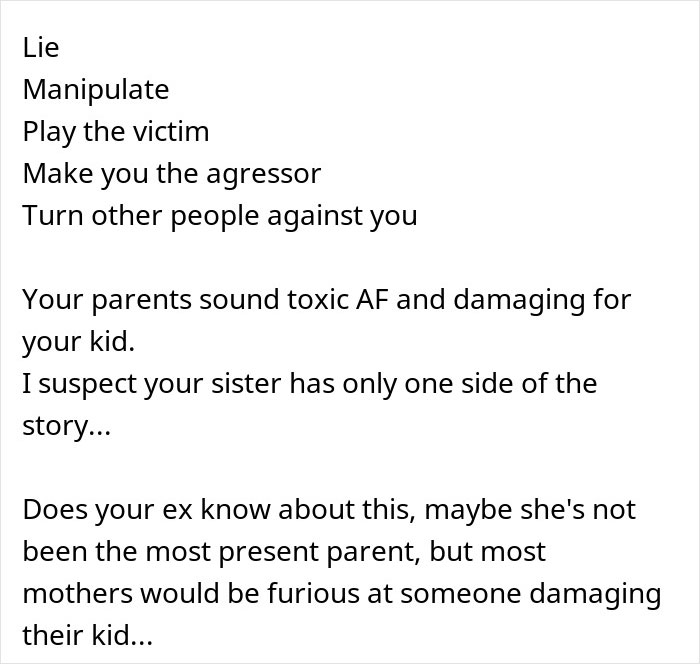
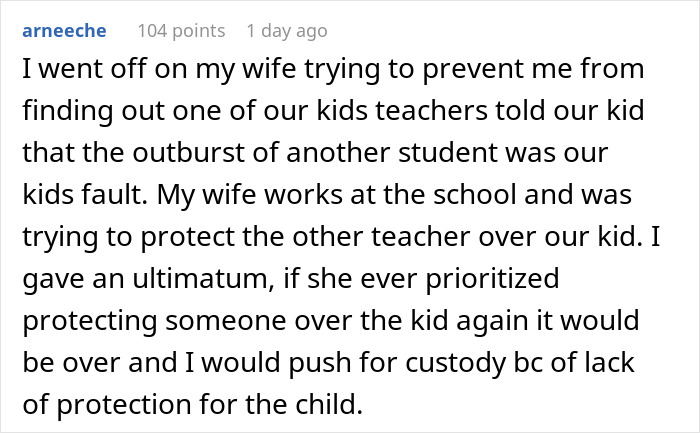
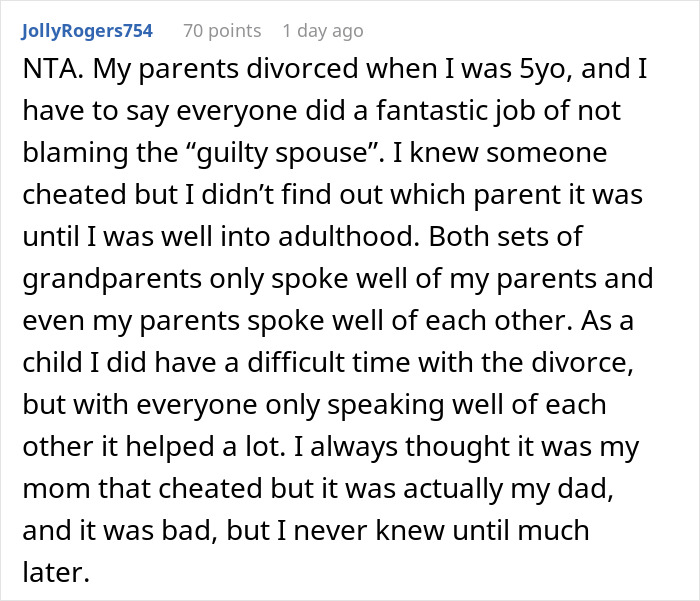
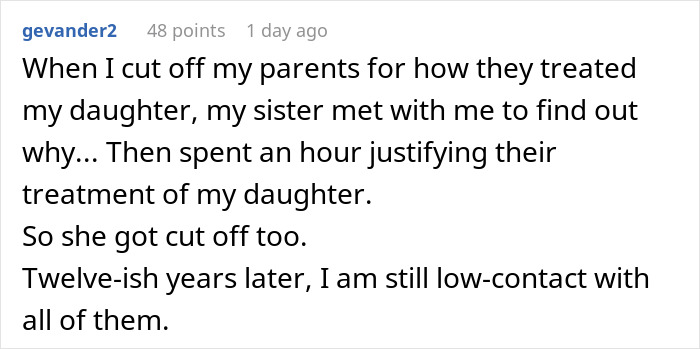
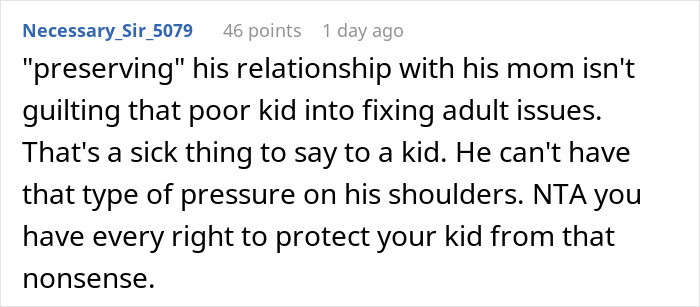
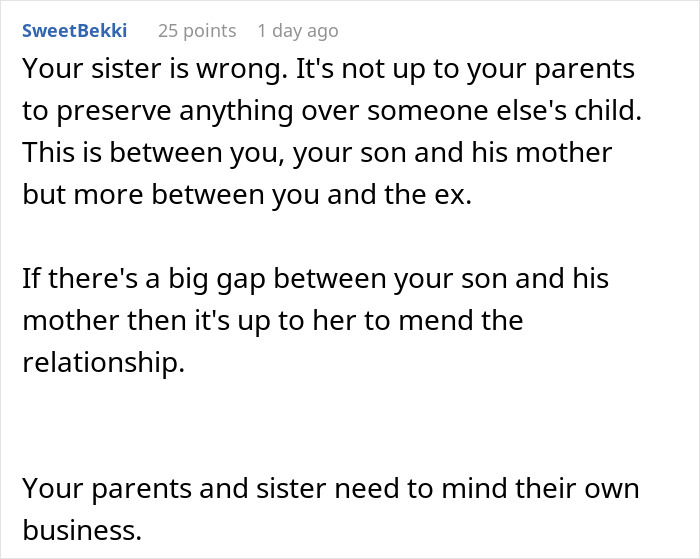
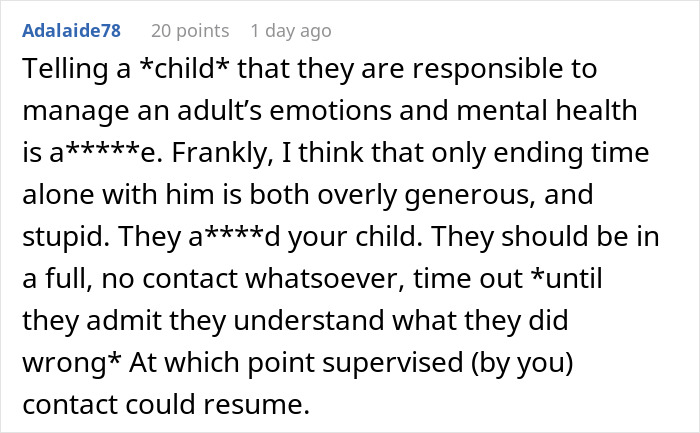
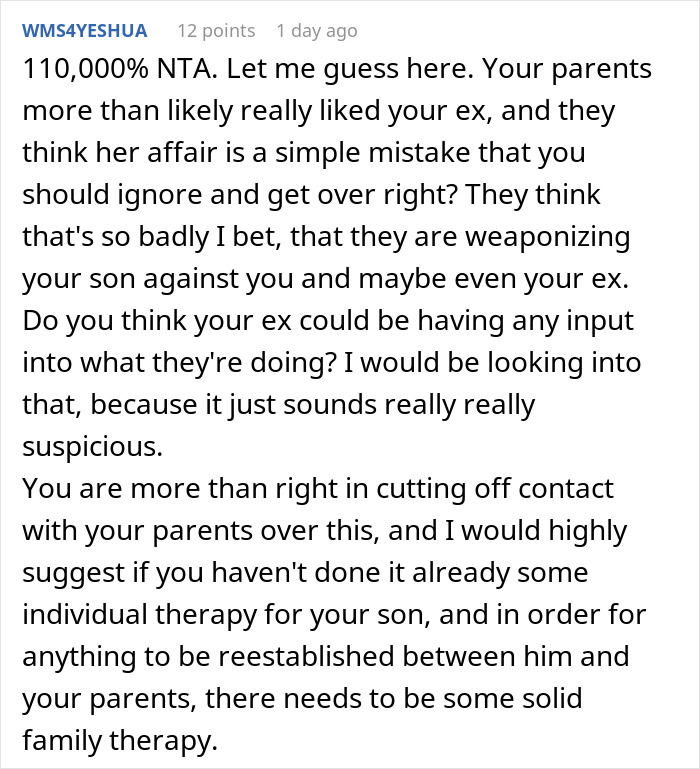
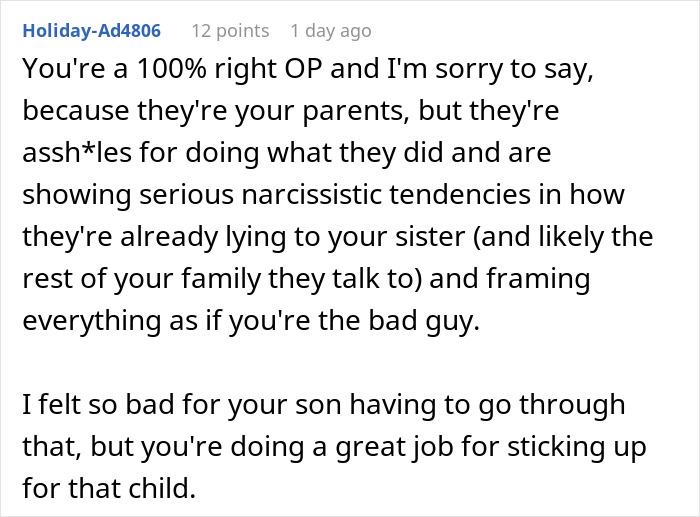
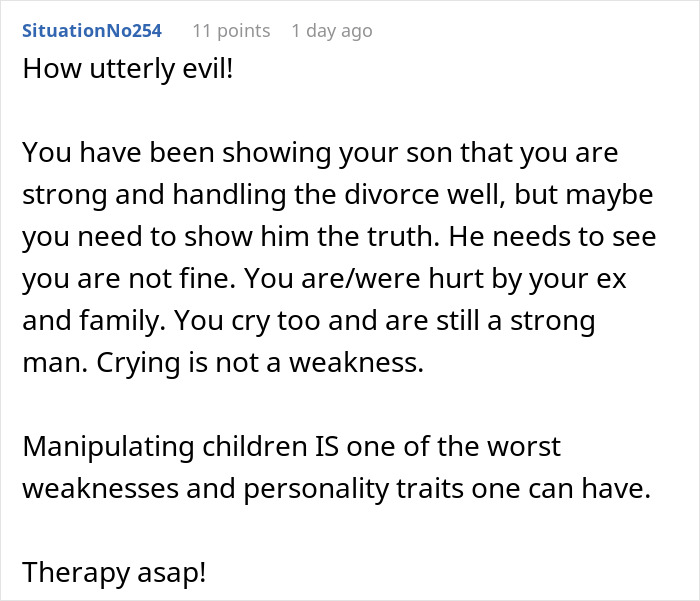
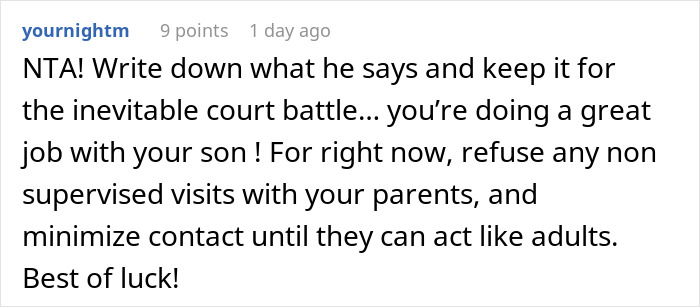
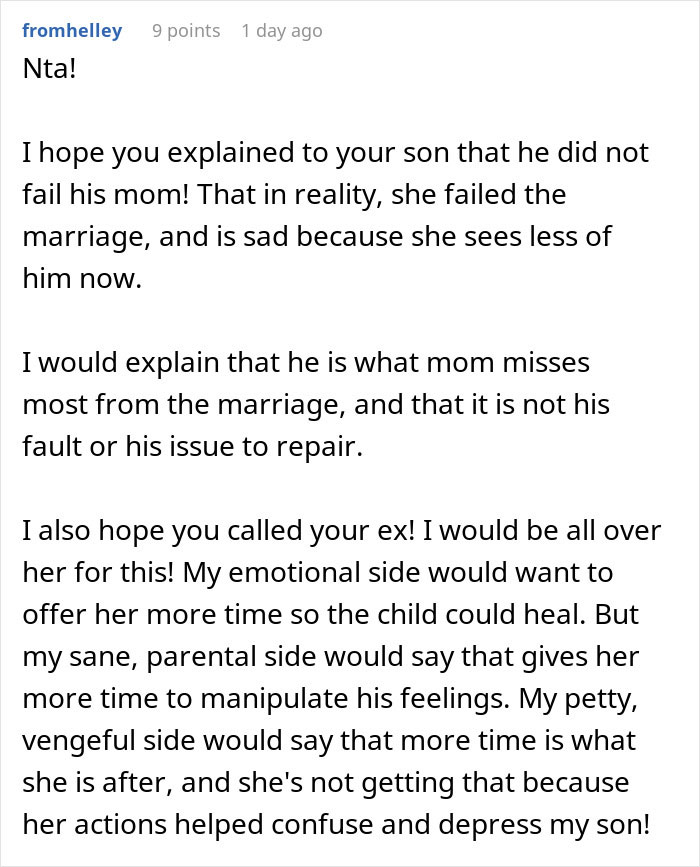
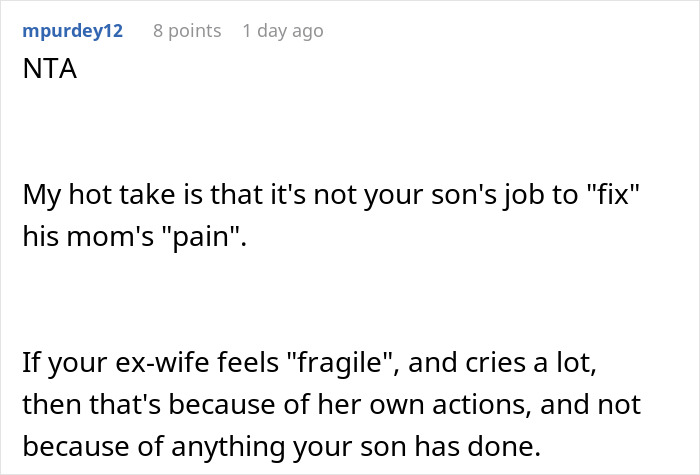
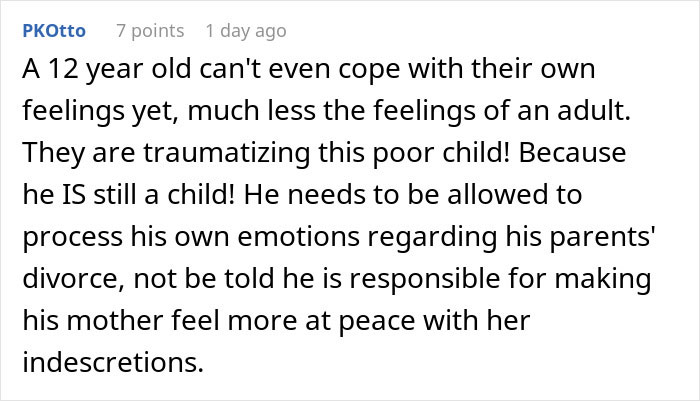
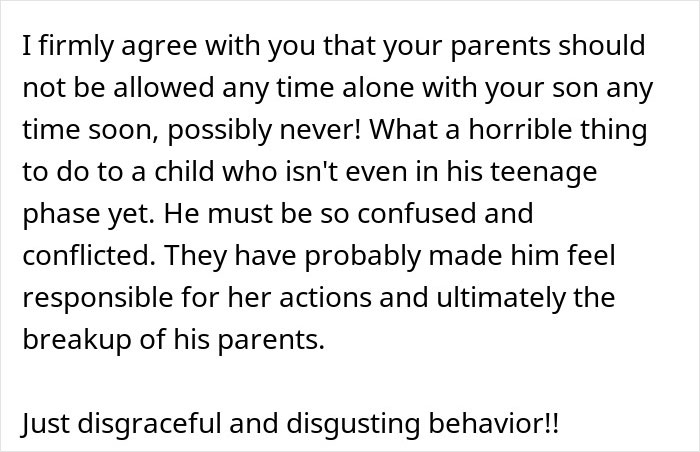
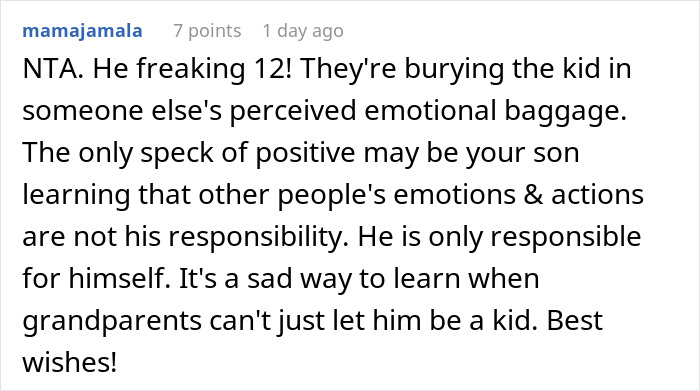
A lot of comments were filled with outrage against the man’s parents







 Follow Us