30 years ago, Fargo shocked moviegoers with its grim woodchipper scene. However, it captivated for much more than that. A tale of Minnesota nice turning to bloodshed and carnage was unlike anything we’d seen before. Indie filmmaking had been reinvented.
With a modest budget of $7 million, the Coen Brothers managed to turn a simple premise into something that has become a cultural phenomenon, spawning a successful TV show and earning preservation in the United States National Film Registry. But beyond the accolades lies a treasure trove of behind-the-scenes stories, hidden easter eggs, and production secrets that reveal just how this deceptively simple film became a masterpiece. So, let’s take you through them.
William H. Macy’s Wacky Audition
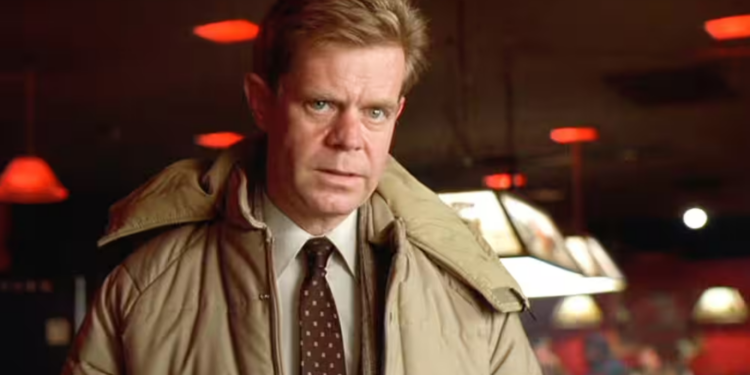
In Fargo, William H. Macy took on the role of Jerry Lundegaard, a bumbling car salesman in deep financial trouble. To get himself out of his mess, he hires two criminals (played by Steve Buscemi and Peter Stormare) to kidnap his wife in hopes of his rich father-in-law paying the ransom. Of course, things go drastically wrong.
The role of Jerry is complex – a seemingly mild-mannered man who does something utterly deplorable and falls into depravity as a result. Macy secured his part by not only proving himself capable for such nuance, but by also proving he was the most committed of all potential actors up for the role. He was initially considered for a smaller role but impressed the Coens so much they asked him to read for Jerry. When he learned they were still auditioning in New York, he flew there unannounced and boldly told them: “I’m afraid you’re going to screw up your movie and cast someone else in this role,” adding jokingly, “You don’t give me this role, and I’ll shoot your dog.”
Frances McDormand’s Pregnancy Preparation
An extra layer of tension was added to Fargo by making the out-of-depth detective Marge Gunderson (Frances McDormand) pregnant. To prepare for her role, McDormand shadowed a pregnant St. Paul police officer and reportedly modelled Marge on her sister, a chaplain at a women’s maximum-security prison. For the physical side of things, McDormand wore a birdseed-filled “pregnancy pillow” that weighed about the same as a growing fetus, helping her naturally embody the pregnant character. During shooting in the famously cold Minnesota, she left her prosthetic pregnancy suit in her cold trailer overnight, and one of the silicone breasts froze and popped.
The Coens’ Creative Quirk
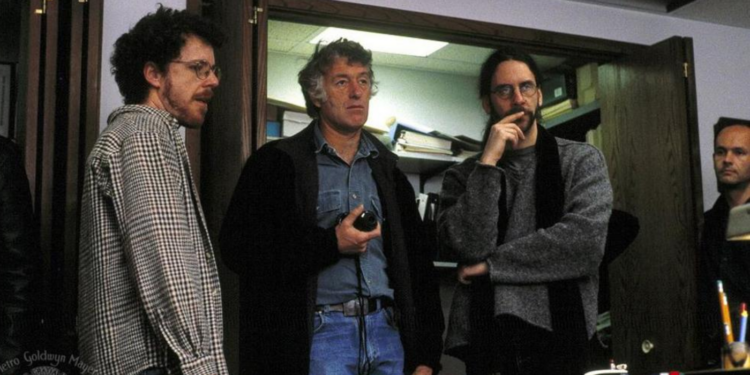
Read any Coen Brothers script and you’ll find a tight and intricate work of art. Dialogue is precise and abasolutely key for their vision – even the stutters are written in. However, they have been known to let actors play with the material.
Joel Coen asked McDormand and John Carroll Lynch to create a backstory for their characters. They decided Marge and Norm met on the police force, and when they married, Norm quit since Marge was the better officer, taking up painting as a hobby. Also, the scene where Jerry doodles in a rather tense moment wasn’t in the original script; Macy was actually doodling between takes, and the Coens decided to incorporate it into the movie.
Fargo, No Fargo
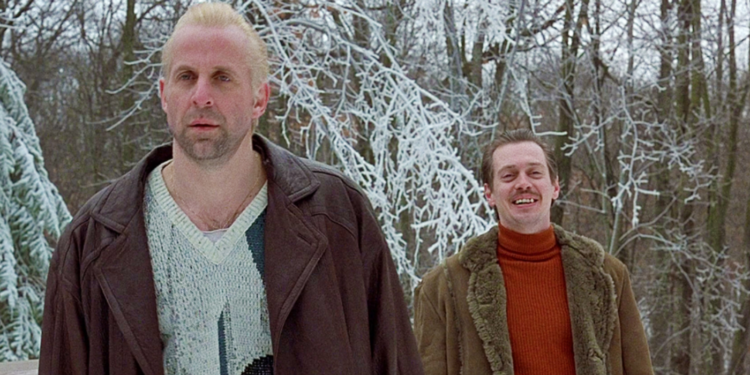
Fargo kicks off in Fargo, North Dakota, where the initial kidnapping scheme is plotted. However, filming took place in Minnesota, particularly around the Twin Cities and Brainerd area, with the title symbolizing a journey away from normalcy. The scenes conveying Fargo were actually shot in parts of North Dakota (like Grand Forks and Grafton) to capture the snowy look. Although most of the “Minnesota nice” thriller takes place just over the river, the Coen Brothers used Fargo as a narrative springboard. Really, the city Fargo symbolises a stray away from good to evil, with the Minnesota nice evaporating as characters cross the river literally and metaphorically.
The “True Story” Controversy
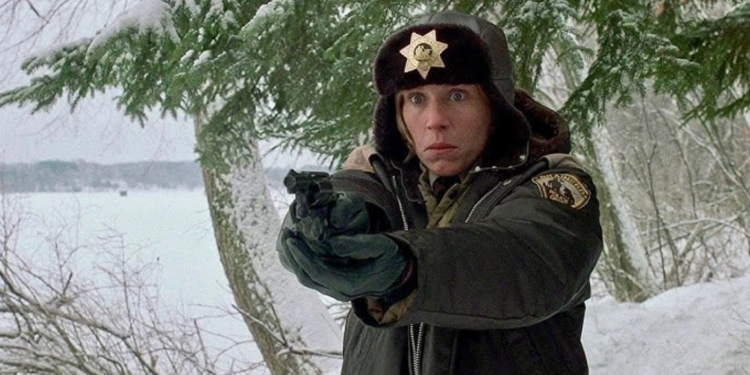
Fargo opens with a title card that states the film is based on a true story from 1987 but names have been changed to respect the survivors. In reality, the film is completely fictional. Joel Coen explained the artistic decision, saying: “If an audience believes that something’s based on a real event, it gives you permission to do things they might otherwise not accept.” The cast and crew even initially believed that what they were making was a true story.
However, certain scenes were inspired by real-life events, such as the infamous woodchipper sequence. This scene is loosely based on the horrific 1986 murder of Helle Crafts, a flight attendant from Connecticut, whose husband Richard disposed of her body through a woodchipper. It is also widely speculated that Jerry’s character may have been inspired by John McNamara, who defrauded General Motors by manipulating serial numbers.
The Tragic Urban Legend
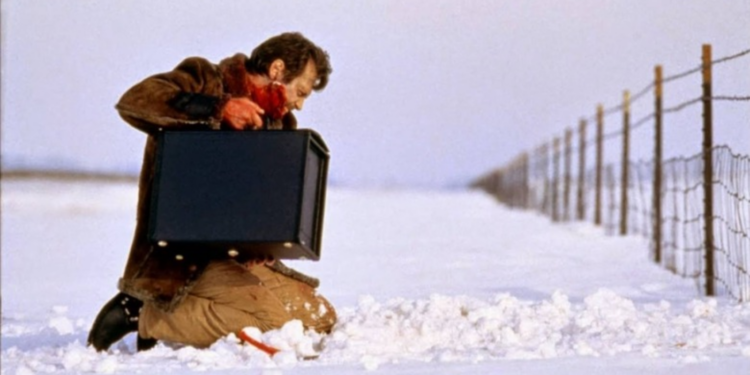
After the woodchipper scene, one of the most memorable moments of Fargo is the scene where Carl (Steve Buscemi) buries the money. This would even tie in to an episode of the TV series years later. In the real world, this scene seeped into a bizarre story that got out of hand.
In 2001, media outlets falsely reported that a Japanese woman named Takako Konishi had travelled to North Dakota searching for the fictitious buried money from the film and froze to death. This inspired the 2014 film Kumiko, the Treasure Hunter. In reality, Konishi had made the trip to Fargo for different, more tragic reasons. She journeyed there to take her own life in her ex-lover’s hometown. It was later reported that the urban legend stemmed from a police officer who wanted to create an alluring story.
Read Next: Back to the Future 40 Years Later: Easter Eggs & Behind the Scenes Trivia
 Follow Us