We spend a lot of time chasing the best jobs for work-life balance. Dozens of professions and recruiters promise flexible schedules, remote work options, and other perks that supposedly make room for real life.
But deep down, most of us share the same fear of landing in a job where balance doesn’t just feel tough but feels impossible.
Modern work culture loves to brag about boundaries and personal time, but those ideals still remain out of reach for millions. Long hours, emotional burnout, unmanageable workloads, and the constant expectation to be available create a pressure cooker for workers.
Some roles quietly demand more and more until there’s nothing left to give. They pull time, energy, and attention away from life outside of work, often without offering much control or support in return.
#1 Teachers
Teaching is often treated as a job that ends when the school day does, but much of the work happens out of sight.
Lesson planning, grading, parent communication, staff meetings, and administrative tasks regularly spill into evenings and weekends, long after students have gone home.
That extra labor adds up quickly. Teachers work an average of 15 additional hours per week, most of which are unpaid, according to RAND.
Beyond instruction, they are expected to act as counselors, mentors, disciplinarians, and safeguards, often while managing large class sizes and limited resources.
Despite contractual hours suggesting otherwise, 50-hour workweeks are common, making sustained balance difficult to maintain.

Image source: carleplaceteachersassociation / Instagram
#2 Hospitality Staff
Hospitality jobs are built around everyone else’s free time. Nights, weekends, and holidays are the busiest periods for servers, bartenders, chefs, caterers, conference staff, and receptionists.
The work is physically demanding, often requires standing for hours at a time, and offers little flexibility or opportunity to work remotely.
Long shifts are the norm rather than the exception. Chefs frequently work 12 to 14-hour days across most of the week, with limited chances to take time off during peak seasons.
Front-of-house staff face similarly long hours while managing customer expectations and managerial pressure. After stretches like that, time off is often spent recovering, not relaxing.

Image source: servers_r_us / Instagram
#3 Event Planners
Event planning looks glamorous until you realize the work happens almost entirely during everyone else’s free time. Nights, weekends, and holidays are spent organizing other people’s celebrations, then staying on-site to make sure nothing goes wrong.
Because many planners are self-employed or freelance, unsociable hours often feel unavoidable if they want to stay profitable.
What really wrecks work-life balance here is the unpredictability. Schedules can change by the hour, clients expect constant updates, vendors cancel or fall behind, and planners are still expected to fix everything with little notice.
Long weeks are common during peak seasons, and the downtime that follows is often spent recovering rather than actually resting.

Image source: innovativeminds_events / Instagram
#4 Marketing Professionals
Marketing is often dismissed as easy from the outside, but the work rarely stops once something goes live. There are always assets to tweak, numbers to review, and client expectations to manage.
Campaigns run on hard deadlines, platforms change without warning, and the pressure to deliver results never really switches off.
Many marketing professionals can work remotely and have some flexibility on paper, but the real problem is the always-on digital culture.
Messages come in after dinner, deadlines stretch into late nights, and client meetings eat into personal time. Over time, the constant connectivity makes it hard to draw a clear line between work and life.

Image source: Blixbox91 / reddit
#5 Startup Entrepreneurs
Startup entrepreneurs are often assumed to have flexible schedules and more freedom than people working for large companies, but the reality is usually the opposite.
Many don’t have anything resembling work-life balance because the business depends entirely on their availability, decision-making, and follow-through.
The strain comes from constant pressure and uncertainty. In the early stages, one person is responsible for everything, from product development and marketing to payroll, fundraising, and operations.
Much of that effort comes with no guarantee of success, which makes it difficult to justify stepping away. When every role falls on the same shoulders, rest and recovery are often the first things to disappear.

Image source: itscartermckinney / Instagram
#6 Truck Drivers
For truck drivers, work-life balance is often limited by geography alone. Long-haul routes can keep them away from home for days or weeks at a time, with irregular sleep schedules and meals dictated by rest stops rather than routine.
Even shorter routes often involve overnight or early-morning hours, making recovery time essential.
Regulations cap driving hours, but drivers are still allowed to spend up to 11 hours behind the wheel in a single shift, as outlined by the FMCSA.
Combined with pressure to maximize mileage, those long stretches take a toll on quality of life and emotional well-being. Isolation, chronic fatigue, and prolonged time away from family push many drivers to eventually leave the profession altogether.

Image source: trucker.cassie / Instagram
#7 Journalists
Journalism is built around deadlines, breaking news, and attention cycles, which leaves little room for predictable personal time.
Research from Muck Rack shows that around half of journalists experience severe burnout, to the point of considering leaving the profession, largely due to relentless schedules.
Industry demands keep journalists working nights, weekends, and holidays, whether they’re reporting on location or filing from home.
As newsrooms shrink and performance metrics tighten, the workload intensifies, leaving many journalists feeling permanently on call. Over time, the constant responsiveness required by the job steadily erodes any sense of balance.

Image source: womeninjournalism / Instagram
#8 Social and Community Service Workers
Social and community service workers play a vital role in society, yet their jobs often come with some of the weakest boundaries between work and personal life.
The sense of mission that draws many people into the field can quickly become a trap, loading them with heavy emotional responsibility on top of overwhelming caseloads and long hours.
Burnout is common across the care and service sector. Chronic underfunding, staffing shortages, and regular exposure to trauma push more work into already packed schedules.
When evenings and late nights are routinely spent catching up on cases, real rest becomes difficult, and recovery starts to feel permanently out of reach.

Image source: social_workers_life / Instagram
#9 Investment Bankers
Investment banking is widely known for pushing work-life balance to its limits. High salaries are a major draw, but they often come at the expense of family time, rest, and interests outside of work.
Weeks that stretch deep into overtime are common, making sustained balance difficult from the start.
The imbalance is built into the job’s structure. Deal flow sets the schedule, which means personal plans can disappear with little notice. Weekends are never guaranteed, and even time off usually comes with the expectation of being reachable.
Over time, that constant availability erodes any meaningful separation between work and life.
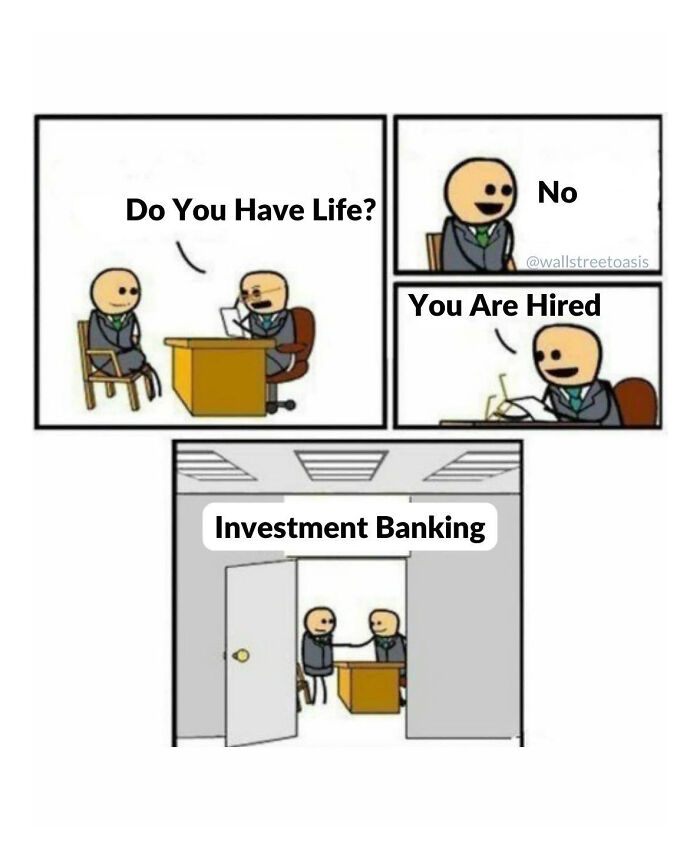
Image source: wallstreetoasis / Instagram
#10 Surgeons
For surgeons, planning personal time is difficult because schedules revolve around on-call demands. When they are needed, it often means long operations, overnight emergencies, or sudden complications that require immediate attention.
Workdays can easily blur into nights, with little opportunity to rest between cases.
The strain starts early in a surgeon’s career. Training years are notoriously intense, with residents working extended shifts for relatively low pay. Even later on, high compensation does not shield surgeons from disrupted sleep, limited downtime, and constant mental attachment to work.
As noted by the Bureau of Labor Statistics, average salaries are high, but the personal cost of maintaining that role remains significant for many.

Image source: surgeonsofinsta / Instagram
#11 Healthcare Professionals
Healthcare professionals include nurses, doctors, and emergency staff, and while some roles come with more predictable hours than others, most face intense demands with very little downtime.
High stress levels are common across the field, especially in hospital settings where the work is constant and the stakes are high.
Some roles, such as dentistry or pharmacy, follow more regular schedules, but hospital-based staff often deal with relentless workloads, mandatory overtime, and rotating shifts.
Regular exposure to trauma, injury, and death adds an emotional burden that follows many workers home.
Over time, exhaustion makes it difficult to stay present outside of work, and for some, burnout becomes severe enough to push them out of the profession entirely.
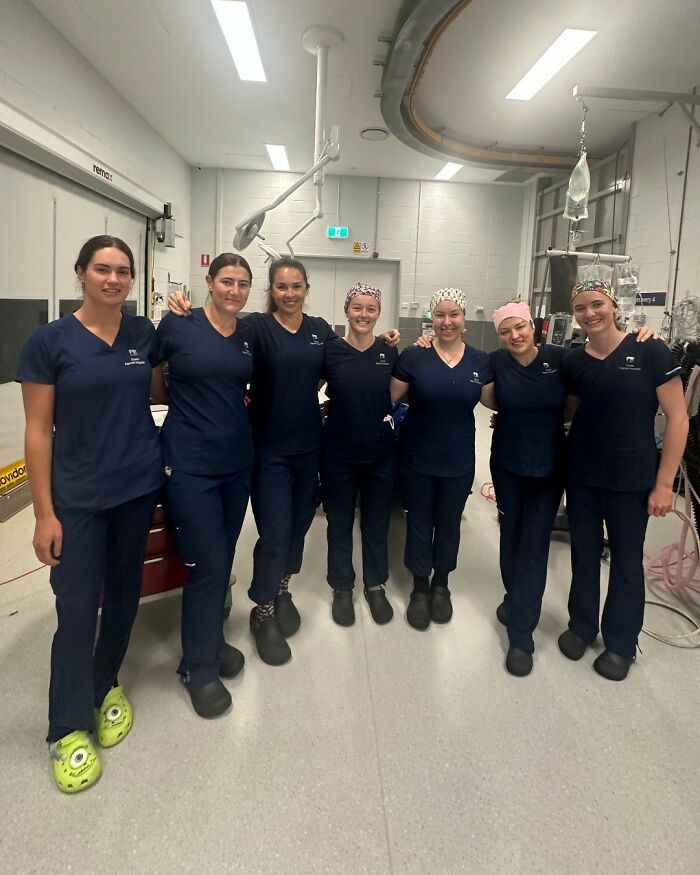
Image source: sconeequinegroup / instagram
#12 Accountants
Outside of peak season, accounting can look like a job with solid hours and dependable routines, which is exactly why the busy stretches feel so brutal.
Tax season and audits regularly push workweeks far beyond normal limits, leaving little flexibility and enormous pressure to deliver precise results on tight deadlines.
What makes the imbalance especially draining is how predictable it is. Accountants know exactly what’s coming but fall into a cycle of working late, sleeping, and repeating the same routine day after day.
While firms may compensate well, time off after peak periods rarely does enough to undo the exhaustion that builds up.

Image source: comical_cpa / Instagram
#13 Software Developers
Software development once carried the promise of a healthier split between work and personal life, but for many, it has turned into a constant push from one deadline to the next.
Tight timelines, lean teams, and nonstop updates mean work regularly spills over into personal time.
The imbalance isn’t only about how long the hours run, but the mental load that never really shuts off. Even when working from home, developers often stay glued to their screens long after the day is supposed to end.
Debugging issues, monitoring systems, and handling unexpected outages demand constant attention, and on-call rotations or late-night deployments leave little room for real downtime.

Image source: developer.planet / Instagram
#14 Cybersecurity Technicians
Cybersecurity comes with a brutal paradox: when the job is done well, nothing happens, but a single mistake can trigger a full-scale crisis.
While the tech sector is already demanding, cybersecurity technicians carry a uniquely high level of pressure because failures are immediate and visible.
The role often requires being on call around the clock, responding to incidents late at night, and constantly tracking new threats as they emerge.
That level of unpredictability makes sustained flexibility difficult, even in workplaces that aim to support it.
A 2025 report by Counter Terror Business highlighted how many cybersecurity teams lack adequate support, training, and investment, which helps explain why constant readiness and limited downtime wear people down over time.
What looks like a critical, high-impact role often turns into a long-term drain on personal life.

Image source: pjcourses / Instagram
#15 Management Consultants
Consulting is built around constant intensity, which leaves little room for slower periods. Management consultants juggle demanding clients, tight timelines, and frequent travel, often spending weeks on the road.
Even when work pauses briefly, attention is usually fixed on the next deliverable.
While consulting firms may offer strong benefits on paper, real career progression often depends on sacrificing personal time. Advancing means staying responsive to shifting plans, last-minute requests, and unexpected travel, sometimes across all seven days of the week.
Over time, the pressure to stay available erodes any sense of separation between work and life.
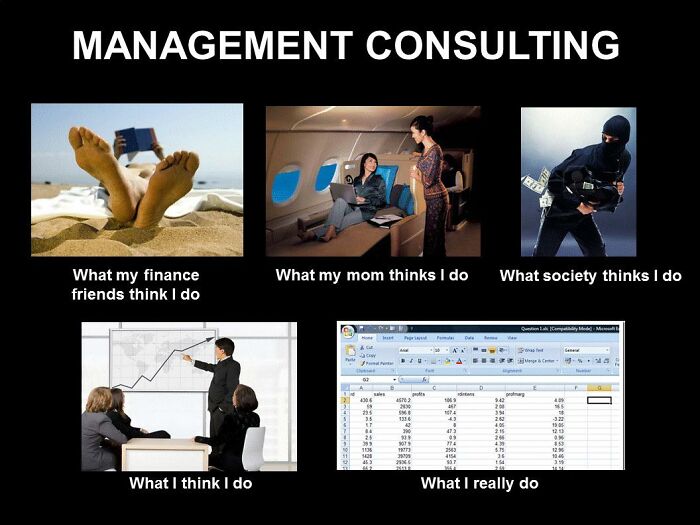
Image source: MgmtCon / reddit
#16 Retail Workers
Retail workers deal with many of the same scheduling problems as hospitality staff. Shifts can change from week to week, hours fluctuate without much notice, and weekends are rarely optional.
The imbalance stems from high demand and limited control, leaving many workers stretched thin and with few meaningful perks.
Time on the shop floor is physically demanding, especially in understaffed stores where breaks are limited and sitting down is rare. Managers often have little room to offer flexibility and may expect employees to be available for late-night or last-minute shifts.
Losing personal time would be easier to accept if compensation reflected the effort, but many workers would argue they don’t get paid enough for what the job demands.

Image source: teamtarget / Instagram
#17 Correctional Officers
For correctional officers, work is relentless by design. Maintaining security, order, and safety inside prisons leaves little room to refuse overtime or avoid unsociable hours.
Ongoing staff shortages place even more pressure on those who remain, with shifts that can stretch well beyond a standard workday.
The strain doesn’t stop when a shift ends. Irregular schedules, constant vigilance, and prolonged exposure to high-stress environments make it difficult to properly rest or switch off.
Over time, the combination of physical fatigue and mental exhaustion wears people down, with few incentives to offset the toll the job takes on their personal lives.

Image source: coronapd / Instagram
#18 Lawyers
In law, overwork is often treated as a badge of commitment rather than a problem. Long hours are rewarded, and many lawyers sacrifice evenings, weekends, and family time to meet client expectations and billable hour targets.
While some younger professionals are starting to challenge that culture, it remains deeply ingrained across much of the field.
Availability is expected even outside of large corporate firms. Emails arrive late at night, documents need attention over the weekend, and plans are frequently dropped for last-minute meetings.
Over time, the lack of boundaries becomes normalized, with many lawyers accepting constant sacrifice as the price of career progression.

Image source: lawyerissues / Instagram
#19 Paramedics
Paramedics work in a constant state of unpredictability, responding to emergencies while managing physical and emotional strain.
Long shifts, overnight calls, and chronic exhaustion make it difficult to maintain any consistent separation between work and personal life.
When fatigue and stress stack up, even day-to-day well-being becomes hard to predict.
Extended shifts are a core part of the job. Many paramedics work at least 12 hours at a time, with some shifts stretching to 24 or even 48 hours, as outlined by Perham Health.
Despite being essential to public safety, paramedics face high burnout and sleep deprivation rates, leaving little time to recover before the next call comes in.

Image source: hamilton.paramedic.servic / Instagram
#20 Quality Assurance Specialists
At first glance, working in quality assurance can seem like a fairly structured job with decent pay and clear goals.
Work-life balance issues usually creep in over time, especially right before a product launch, when timelines tighten, and QA specialists and technicians are expected to put in extra hours.
The biggest issue isn’t just the longer days, but the pressure that comes with no real authority. QA teams are often understaffed, expected to catch problems that arose earlier in the process, and then left to hold the blame without the power to change how work gets done.
Crunch periods may come and go, but they ramp up stress and make it hard to protect flexible schedules.

Image source: BoldPatter / reddit
 Follow Us