Tom Noonan, the American actor, writer, director, and playwright best known for playing Francis Dolarhyde in Manhunter, died at 74 after building one of modern character acting’s most distinctive careers. His towering frame and measured voice made him a natural choice for unsettling figures, but his strongest performances reached beyond physical intimidation. He could reveal loneliness, humiliation, tenderness, confusion, and buried rage while barely changing his expression.
Some viewers remember Noonan as the terrifying killer pursued by an FBI profiler in Manhunter. Others discovered him as Frankenstein’s monster in The Monster Squad, Cain in RoboCop 2, the Ripper in Last Action Hero, or Kelso in Heat. His larger legacy also includes independent filmmaking, theater, screenwriting, and the remarkable voice performance that placed him inside nearly every supporting character in Anomalisa.
Who Was Tom Noonan?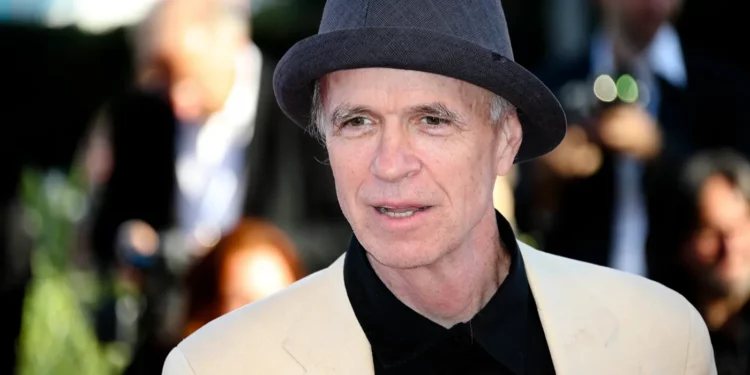
Tom Noonan was born Thomas Patrick Noonan in Greenwich, Connecticut, and trained at the Yale School of Drama before establishing himself in New York theater. One of his important early stage credits came in the original Off-Broadway production of Buried Child, the Pulitzer Prize-winning play by Sam Shepard. Theater gave Noonan a strong foundation in character, silence, physical presence, and the uncomfortable emotional spaces that later defined his screen work.
At approximately six feet six inches tall, Noonan was impossible to overlook. Filmmakers frequently cast him as criminals, monsters, assassins, and threatening outsiders, yet his acting rarely depended on size alone. His stillness often carried more tension than another performer’s shouting. He could make a character frightening by allowing the audience to sense thought, shame, or desperation moving underneath an apparently calm surface.
Noonan also resisted being limited to acting. He wrote plays, composed music, directed films, edited his own work, and helped establish the Paradise Factory theater in New York. His creative life moved between major Hollywood productions and intensely personal independent projects, placing blockbuster villains beside intimate stories about loneliness, emotional discomfort, and people struggling to communicate.
| Tom Noonan at a Glance | Details |
|---|---|
| Full Name | Thomas Patrick Noonan |
| Age | 74 |
| Best Known For | Playing Francis Dolarhyde in Manhunter |
| Major Films | Manhunter, The Monster Squad, RoboCop 2, Last Action Hero, Heat, Synecdoche, New York |
| Major TV Work | The X-Files, Hell on Wheels, The Blacklist, Damages, 12 Monkeys |
| Filmmaking Achievement | Wrote, directed, edited, and starred in What Happened Was… |
| Signature Strength | Combining physical menace with vulnerability, restraint, intelligence, and emotional unease |
| Legacy | A singular character actor and independent filmmaker who gave complicated inner lives to monsters and outsiders |

Why Manhunter Made Him an Unforgettable Screen Villain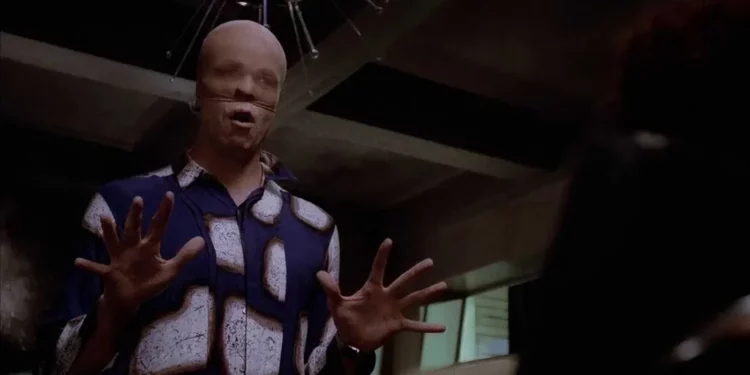
Director Michael Mann cast Noonan as Francis Dolarhyde, the serial killer at the center of Manhunter, the first screen adaptation of Thomas Harris’s novel Red Dragon. Dolarhyde murders entire families and believes he is transforming into a powerful being connected to the Great Red Dragon. Noonan approached him as a damaged man whose brutality grew from isolation, childhood abuse, physical shame, and a desperate desire to escape his own identity.
That approach created a villain who felt frightening even during moments without violence. Noonan’s scenes with Joan Allen, who played his blind co-worker Reba McClane, revealed how badly Dolarhyde wanted human connection. He became shy, protective, jealous, and briefly hopeful around her. The tenderness never erased the danger, but it forced viewers to recognize the wounded human being beneath the killer’s elaborate private mythology.
Noonan’s physical contrast with William Petersen, who played FBI profiler Will Graham, intensified the conflict between them. Petersen carried the nervous energy of a man entering a murderer’s mind, while Noonan appeared controlled until that control violently collapsed. The performance became one of the defining interpretations of Francis Dolarhyde and helped establish Manhunter as an important influence on later psychological crime films and television dramas.
How His Other Roles Expanded His Cult Following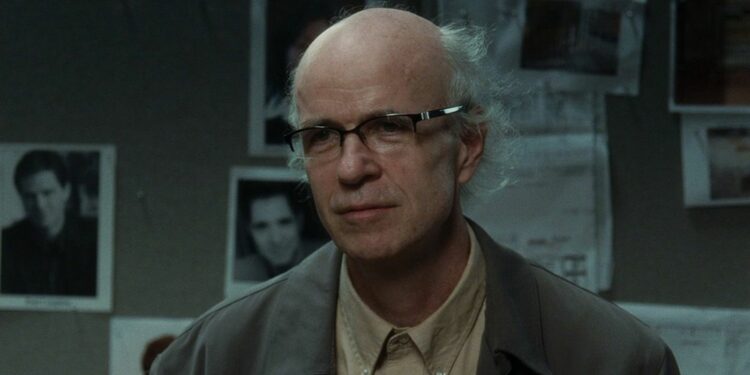
In The Monster Squad, Noonan found unexpected warmth inside Frankenstein’s monster. Director Fred Dekker used Noonan’s height and unusual features to create an imposing figure, but the monster’s friendship with a young girl gave the performance its emotional center. Noonan played him as gentle, frightened, and capable of affection, turning a familiar horror creation into one of the film’s most sympathetic characters.
His villains remained equally memorable. In RoboCop 2, he played Cain, a violent drug lord whose brain is placed inside a heavily armed machine. In Last Action Hero, he became the Ripper, an axe-wielding killer who crosses from fiction into reality and targets a young movie fan alongside Arnold Schwarzenegger’s Jack Slater. Noonan understood the exaggerated style of both films while keeping his characters physically dangerous and psychologically unpredictable.
His smaller role in Heat showed how much tension he could create with limited screen time. As Kelso, the knowledgeable criminal who provides information about an armored-car target, Noonan shared scenes with Robert De Niro and became part of another Michael Mann crime classic. Television later used his unsettling presence in memorable roles on The X-Files, The Blacklist, Hell on Wheels, and 12 Monkeys.
Why Tom Noonan’s Legacy Will Last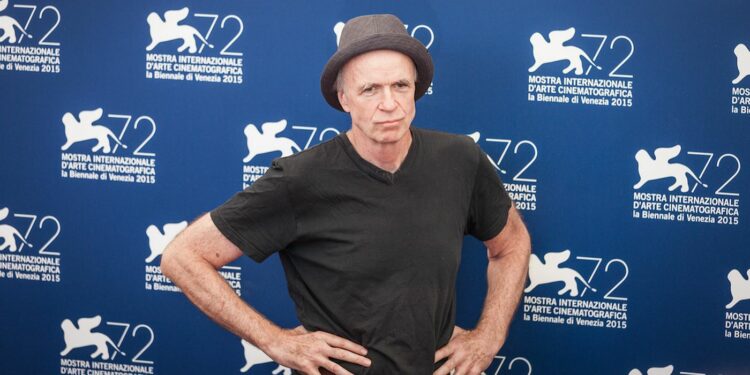
Noonan’s most personal achievement came through What Happened Was…, a 1994 independent drama he wrote, directed, edited, composed, and co-starred in with Karen Sillas. The story follows two lonely co-workers during an increasingly uncomfortable first date inside a New York apartment. Instead of relying on his familiar screen menace, Noonan examined insecurity, social performance, disappointment, and the painful distance between what people say and what they need.
His voice work in Anomalisa offered another remarkable example of his range. Directors Charlie Kaufman and Duke Johnson cast Noonan as nearly every person encountered by the protagonist, including men, women, hotel workers, strangers, and family members. His deliberately similar delivery made the world feel emotionally flattened, allowing the story’s two distinct voices to carry unusual emotional importance.
Remembering Tom Noonan means remembering a performer whose height caught the eye while his restraint held attention. He could dominate a scene through silence, make a monster heartbreaking, voice an entire world, or turn an awkward dinner into a devastating character study. Hollywood frequently saw a natural villain when it looked at him. Noonan’s finest work revealed an artist fascinated by the vulnerable person hiding inside every frightening exterior.
 Follow Us