Robert Duvall, the Oscar-winning American actor best known to many viewers as Tom Hagen in The Godfather, died at 95 after one of the richest screen careers in Hollywood history. His death marked the loss of a performer who helped define the New Hollywood era and then kept working across westerns, war films, courtroom dramas, crime stories, television epics, and character-driven dramas for more than six decades.
Duvall was never only one kind of actor. He could be quiet and devastating, intimidating and tender, ordinary and mythic, sometimes in the same role. His gift was making characters feel lived-in before they even spoke. Whether he was playing a Mafia consigliere, a broken country singer, a haunted soldier, a preacher, a cowboy, or a hard old judge, he brought the kind of natural detail that made acting look less like performance and more like memory.
Who Was Robert Duvall?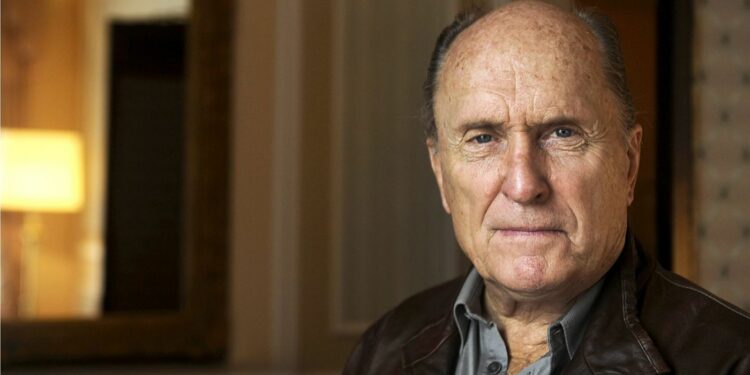
Robert Duvall was born Robert Selden Duvall in San Diego, California, and became one of the most respected American actors of the 20th and 21st centuries. His career began on stage and television before he moved into film, where he quickly became known for precision, restraint, and emotional honesty. He did not need dramatic speeches to take over a scene. Often, a pause, a glance, or a dry line reading was enough.
His film breakthrough came early with To Kill a Mockingbird, where he played Boo Radley in a mostly silent performance that still became unforgettable. That role already showed what later became one of his defining strengths: Duvall could make mystery feel human. He did not over-explain characters. He let the audience feel the history behind them.
Over time, he became one of Hollywood’s most trusted actors for complicated men. He could play loyalty without weakness, authority without glamour, and cruelty without cartoonishness. That is why directors repeatedly placed him in morally heavy stories. Duvall made flawed people feel specific, not generic.
| Robert Duvall at a Glance | Details |
|---|---|
| Full Name | Robert Selden Duvall |
| Age | 95 |
| Best Known For | Playing Tom Hagen in The Godfather and The Godfather Part II |
| Oscar-Winning Role | Mac Sledge in Tender Mercies |
| Major Films | The Godfather, Apocalypse Now, Tender Mercies, To Kill a Mockingbird, The Apostle, The Great Santini |
| Major TV Work | Lonesome Dove, Broken Trail, Stalin |
| Legacy | An Oscar-winning actor remembered for naturalism, restraint, toughness, emotional depth, and one of the greatest character-actor careers in American film |

Why The Godfather Made Him Immortal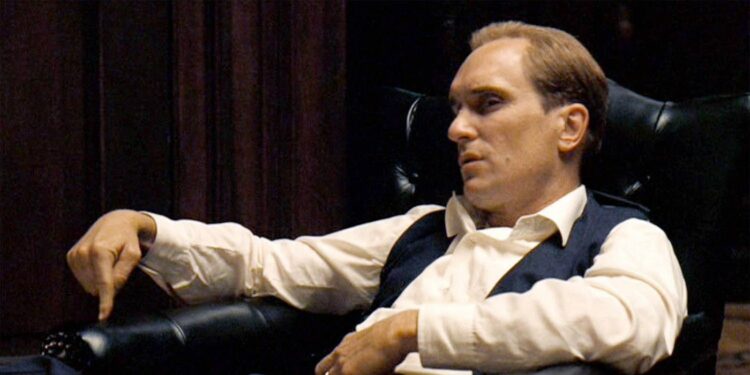
For many viewers, Robert Duvall will always be Tom Hagen, the calm consigliere of the Corleone family in The Godfather. The role was easy to underestimate beside louder figures like Vito Corleone, Michael Corleone, Sonny Corleone, and the violent world surrounding them. Yet Duvall made Tom essential because he played him as the family’s legal mind, emotional buffer, and quiet witness to the Corleone empire’s moral decay.
Tom Hagen worked because Duvall never pushed for attention. He listened. He measured. He absorbed bad news before anyone else fully understood it. In a film full of power moves, his stillness became its own form of authority. He gave the character a strange position inside the family: loved, useful, trusted, but never fully blood. That tension made Tom one of the saga’s most quietly tragic figures.
He returned in The Godfather Part II, where Tom’s loyalty became even heavier. By then, Michael’s world had grown colder, and Duvall made Tom seem like one of the last people who still remembered what the family used to pretend it was. The role did not rely on flash, but it became one of the clearest examples of Duvall’s genius. He could make restraint unforgettable.
The Roles That Proved His Range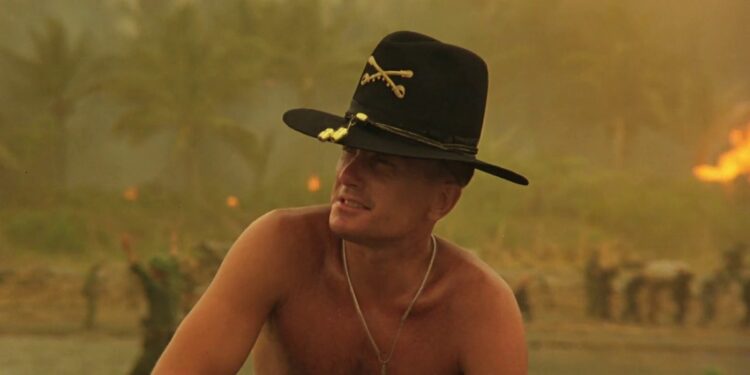
Duvall’s career was far bigger than the Corleone family. In Apocalypse Now, he created one of war cinema’s most quoted and unsettling figures as Lieutenant Colonel Bill Kilgore. The performance was terrifying because Kilgore was not played as a simple madman. Duvall gave him charm, confidence, absurdity, and complete moral numbness, turning him into a symbol of war’s theatrical insanity.
In Tender Mercies, he moved in the opposite direction. As Mac Sledge, a washed-up country singer trying to rebuild his life, Duvall gave one of his most delicate performances. The role won him the Academy Award for Best Actor because he made redemption feel small, slow, and believable. He did not sentimentalize Mac’s pain. He let the character earn peace one quiet moment at a time.
Then there was Lonesome Dove, where Duvall’s Augustus “Gus” McCrae became one of the great western characters in television history. Gus was funny, romantic, stubborn, brave, and full of life, a man who carried humor and melancholy together. The role introduced Duvall’s work to another generation and proved that his screen power was not limited to film. He could make television feel epic without losing intimacy.
Why Robert Duvall’s Legacy Will Last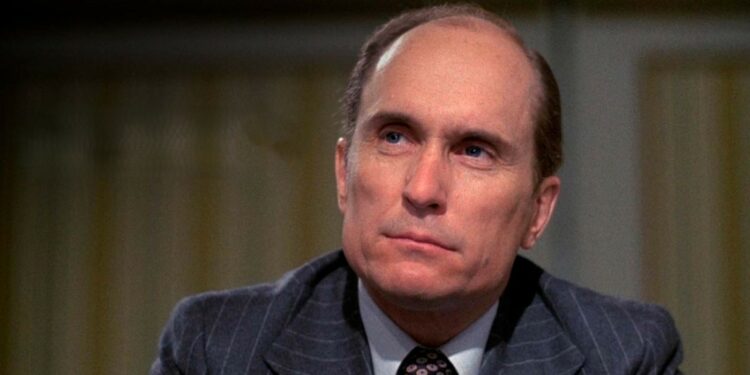
Robert Duvall’s legacy will last because he represented a kind of acting that never feels dated. He did not build characters from obvious tricks. He built them from behavior. The way a man sits, listens, walks, eats, argues, waits, or refuses to explain himself mattered in Duvall’s performances. He understood that real people do not announce their complexity. They reveal it by accident.
His career also connected several eras of American storytelling. He belonged to the same generation that reshaped film in the 1970s, but he continued working long after that movement became history. From To Kill a Mockingbird to The Godfather, from Apocalypse Now to Tender Mercies, from Lonesome Dove to The Judge, he remained a performer audiences trusted to bring truth into the frame.
Remembering Robert Duvall means remembering an actor who made quiet power feel enormous. He could dominate a scene without raising his voice and make flawed men feel painfully real without asking viewers to forgive them. His best work carries dust, silence, regret, humor, violence, faith, and age. That is why his performances will keep living beyond the moment of his passing. He did not just act in great American stories. He helped give them their soul.
 Follow Us