Countries go to war, maps get redrawn, leaders fall. But the deepest scars aren’t on the land — they’re on the people.
War changes a soldier, not just in spirit but in flesh.
The human face becomes its own kind of battlefield, carrying the weight of everything that’s been endured.
A young soldier from Ukraine, known online as Vitsyk, joined the army at the age of 18.
He recently posted two photos on social media: one from before the war, in civilian clothes with a faint smile, and one in uniform, dark and shadowed, showing the toll of frontline life. “I hardly remember myself before the war,” he wrote.
His post sparked a wave of responses. Soldiers across Ukraine began sharing their own photos — some taken months apart, others years — and the transformation is stark.
Look closely, and you can read the story of conflict just through their faces.
#1
I hardly remember myself before the war…
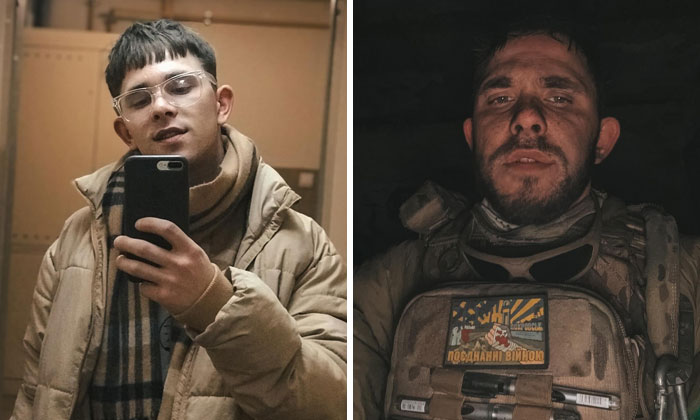
Image source: @vitsikkkk

#2
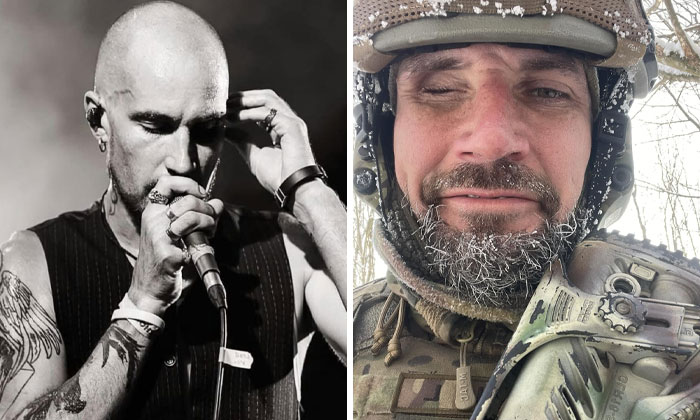
Image source: @zolotarev_well
#3
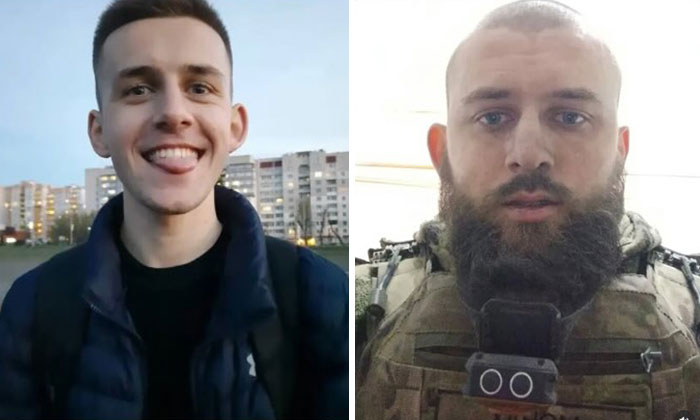
Image source: pro100_monah
War leaves its mark in several different ways, but the human face catalogs what the mind may try to forget.
So many soldiers in these pictures look like they’ve aged years in a matter of months.
Eyes sunk from sleepless nights and endless stress. Cheeks hollowed as the body burned through reserves of energy. Lines deepened across the forehead and around the mouth, reflecting constant tension and fear.
#4
The difference between the first and second photo is 17 days. 21.02.2022-10.03.2022
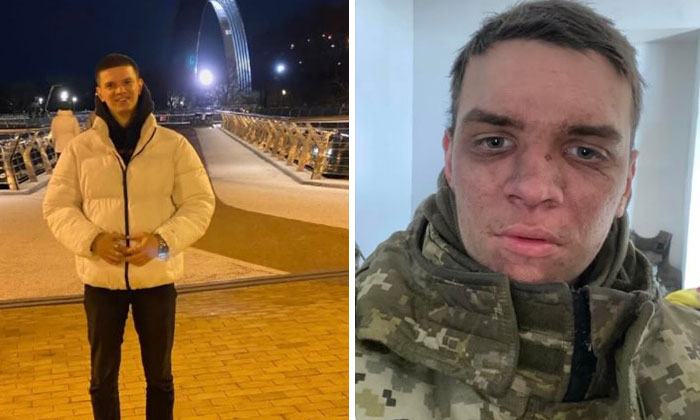
Image source: kelly.kko
#5
My brother who passed away, before and after
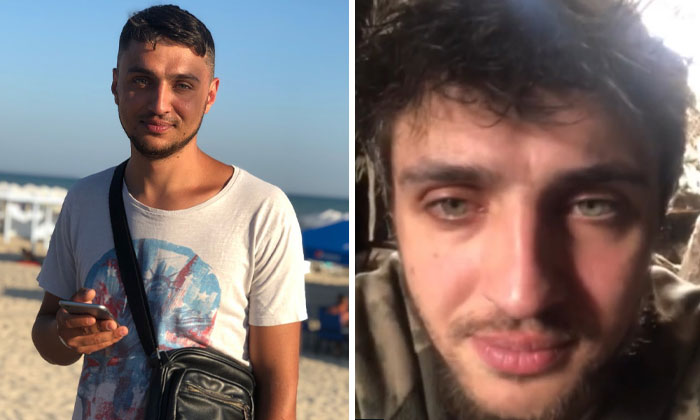
Image source: @liudmyla.kozlovets
#6
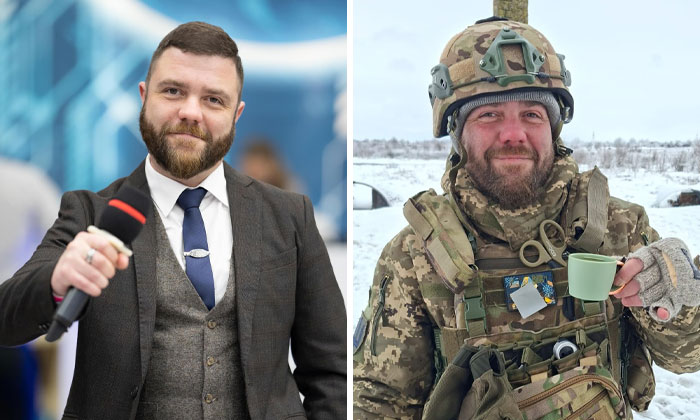
Image source: @vasilpoplavsky
Soldiers fight for months on end, sometimes without rest, food, or the chance to return home. They’re often sleep-deprived and constantly alert.
Their jaws look tighter, and the smiles have vanished in the new pictures.
Some faces look hardened and almost unrecognizable.
You can even see skin changes — pale from malnutrition, weathered from exposure, and marked with tiny scars.
#7
A little over a year difference.
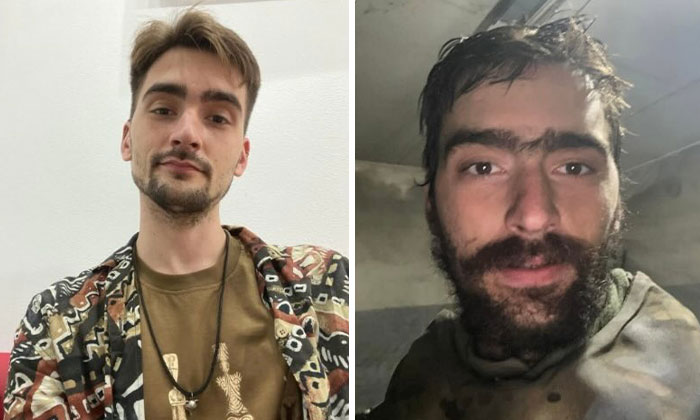
Image source: kriher.m
#8
20 / 25.
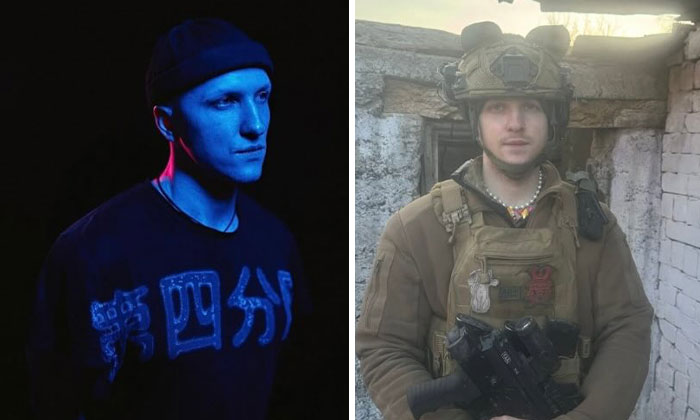
Image source: sergey_orlovskuy
#9
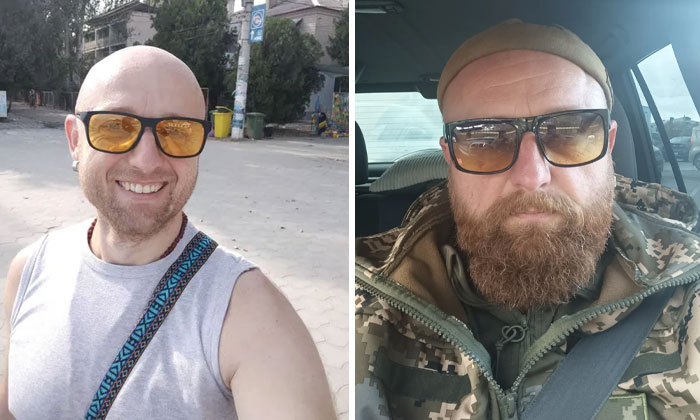
Image source: @do_schelchka
The Russia-Ukraine war began with the annexation of Crimea in 2014 and escalated into a full-scale invasion in February 2022.
Cities have been bombed, families displaced, and Ukrainians have been pulled to the frontlines, often without training or preparation.
No sanctions or battlefield losses have stopped the Russian offensive. Instead, they have pushed them to find new ways to cause destruction.
#10
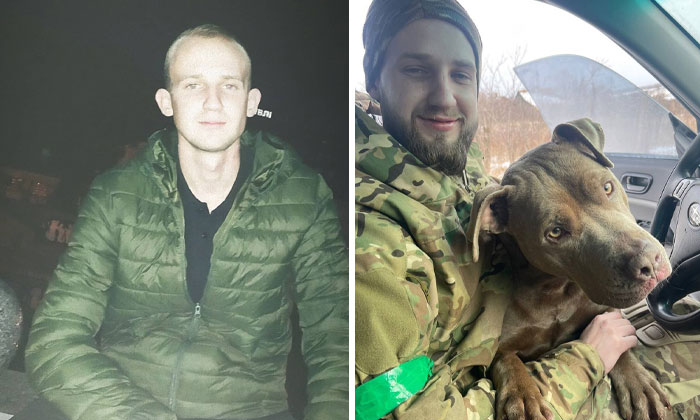
Image source: @nationukr
#11
Fall 2021 and Fall 2025
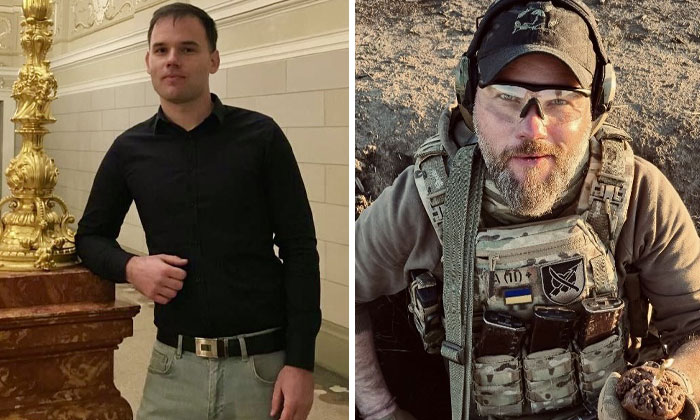
Image source: @sasha.usikov
#12
1st day of the war and now
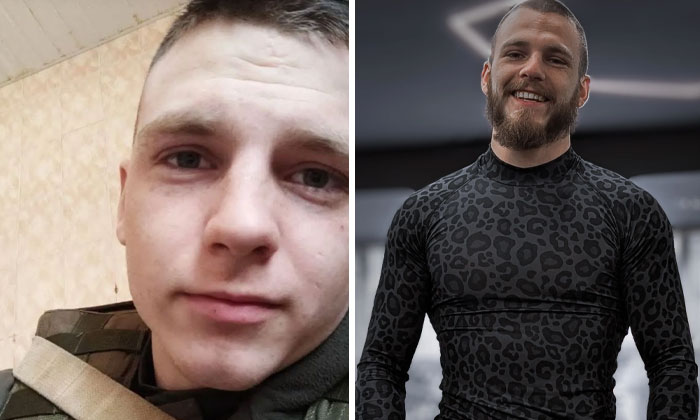
Image source: @yurii_snop/post
Ukrainian soldiers have adapted in remarkable ways. They’ve learned to use modern technology and operate in a war that shifts almost daily.
But no technology can fix the toll on their bodies as their minds stretch to exhaustion.
Studies show that stress triggers chemical reactions in the body — higher cortisol levels, changes in muscle tone, and disrupted sleep patterns. Over time, repeated trauma even shows up in facial muscles.
#13
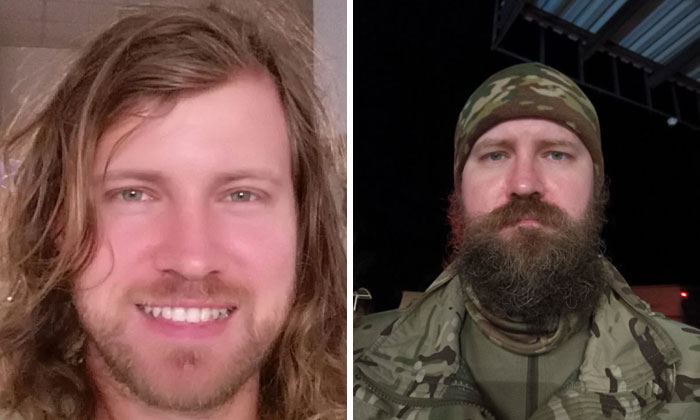
Image source: @demitsuru
#14
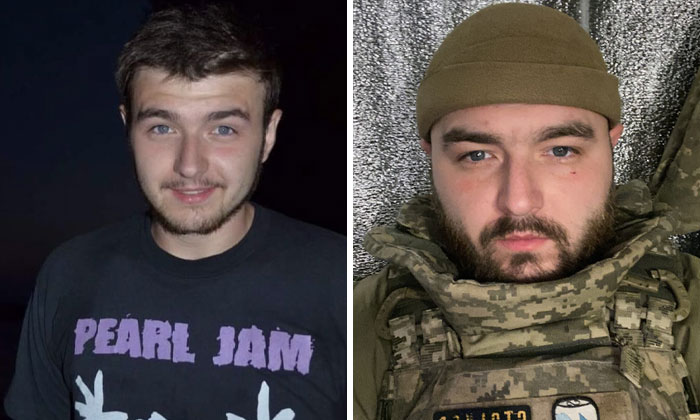
Image source: @olexandr_mkr
#15
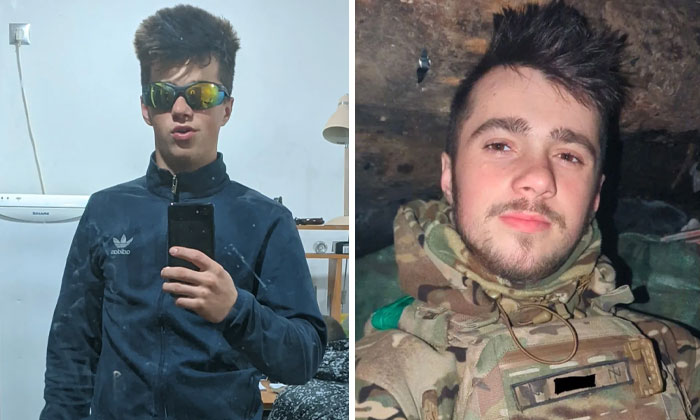
Image source: @smeshko_nazar
Hypervigilance, a common symptom of post-traumatic stress disorder (PTSD), makes a person furrow their brow or clench their jaw without realizing it.
Research shows that people who have gone through war-related trauma can show more facial asymmetry.
This imbalance is believed to be linked to the body’s stress response, showing how deeply trauma can affect the nervous system and even the way the face appears.
#16
2021-2025.
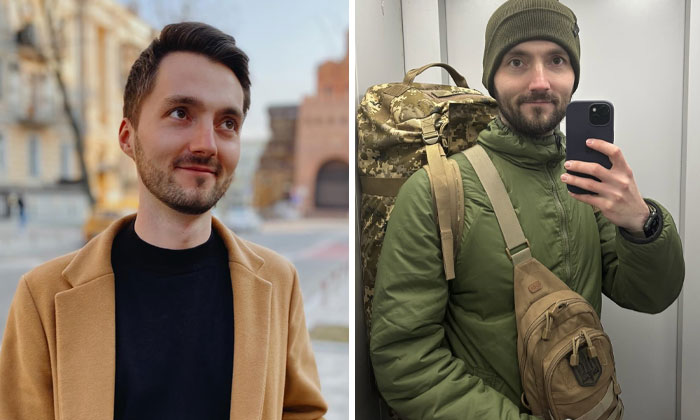
Image source: @mxtokyooo
#17
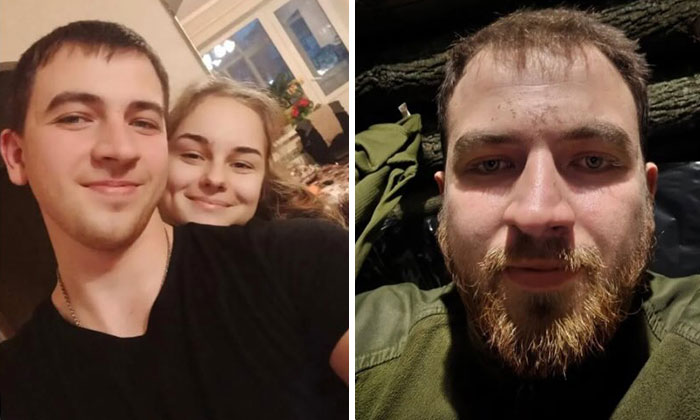
Image source: maksim.nikolaevv
#18
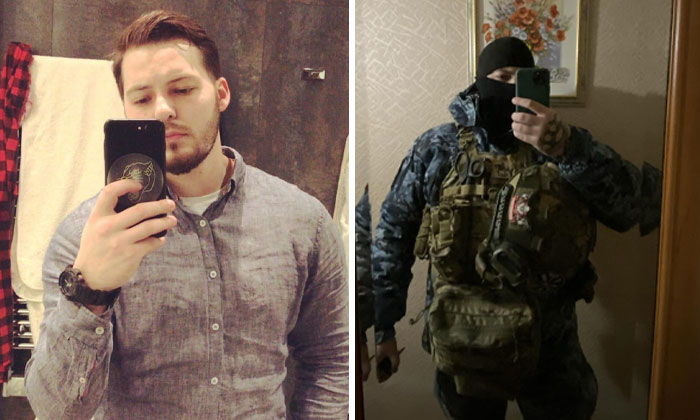
Image source: @serg_lavrov
Journalist Kostiantyn Honcharov, who volunteered in the war like many other Ukrainians, recently wrote that soldiers fight for months, sometimes years, without getting a chance to return to their normal lives for just a few days.
“Tired soldiers, on the front for weeks, sometimes months, desperately wait to be replaced, losing vigilance and fighting morale. Sleeplessness fogs the mind, and bodies are weakened by lack of food and water. In moments like this, you don’t think about or analyze a situation anymore, you just function, reacting to acute dangers and following orders.”
“Even just a short break would make it possible to return to the front with more strength, but these days every battle-ready unit is worth its weight in gold,” he wrote.
#19
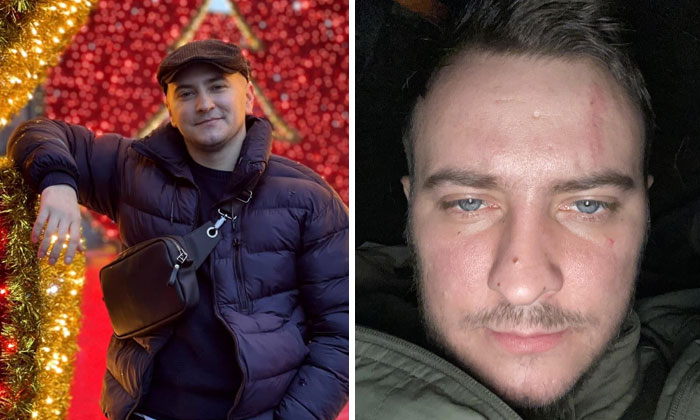
Image source: @ogo_normalno
#20
21 and 22
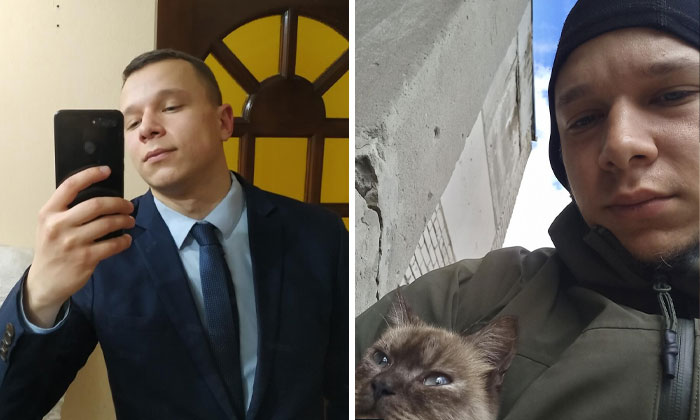
Image source: @marko_preacher
#21
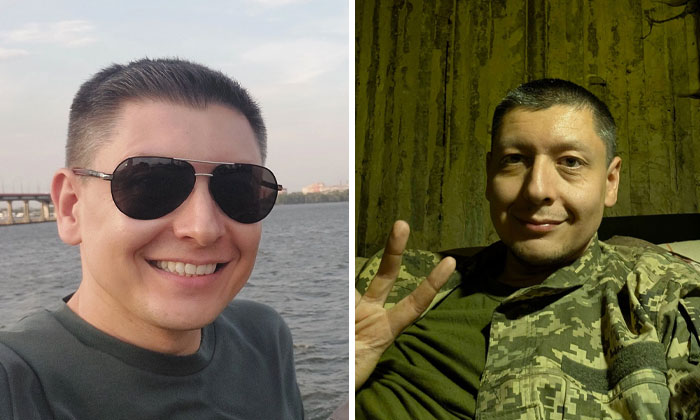
Image source: @zadraleks
This isn’t a social media trend. It’s a visual record of lives changed and youth cut short.
Each image is a window into the human cost of conflict. A cost no political analysis or military report can capture.
#22
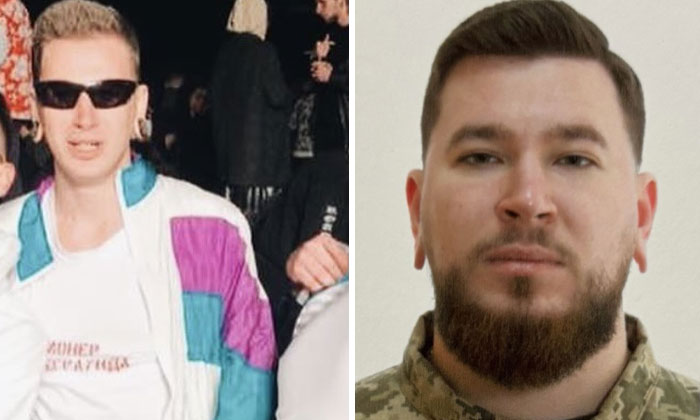
Image source: @ingvar_hater
#23
2021 and 2025
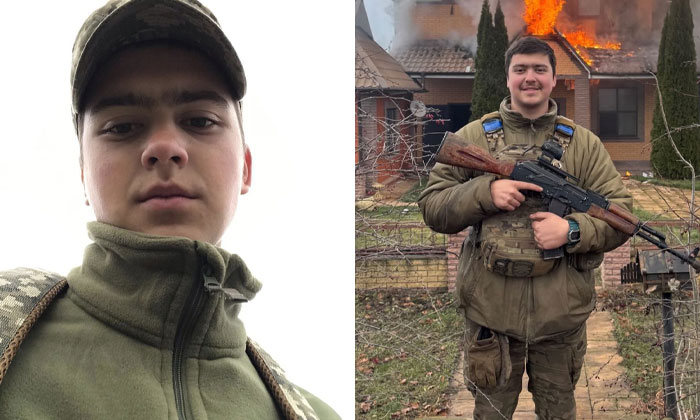
Image source: @_bogdan_265_
#24
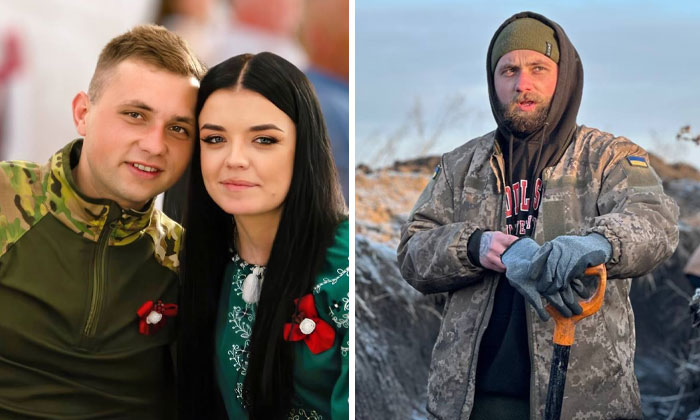
Image source: @___korvachkaaaa___
#25
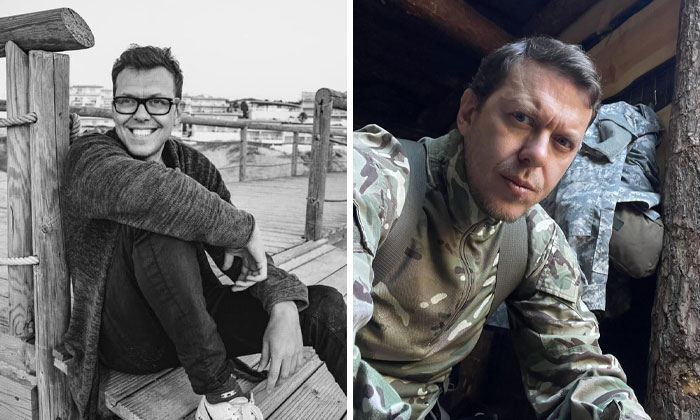
Image source: @sigard
#26
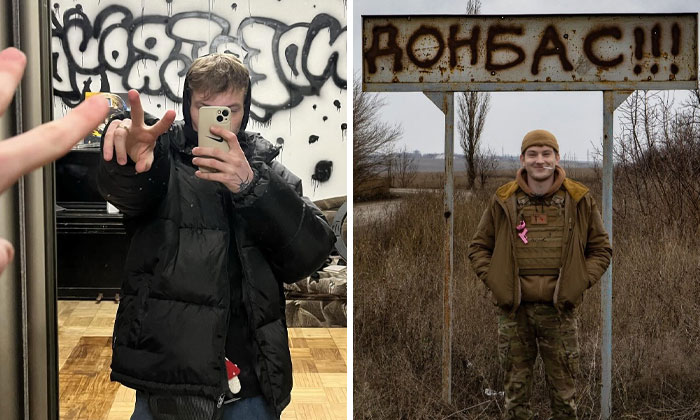
Image source: @yungplagguee
#27
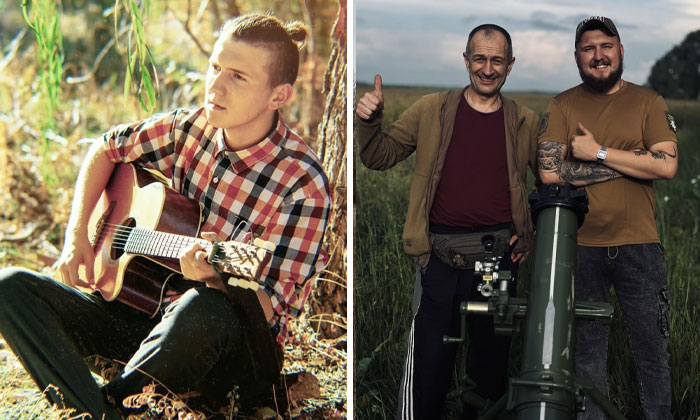
Image source: @f.r1.tz
#28
4 years apart.
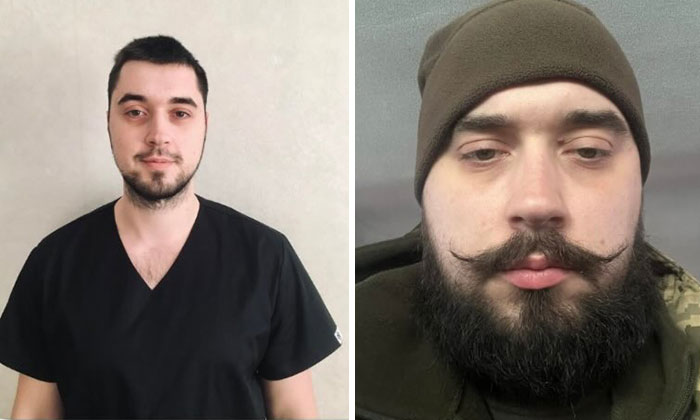
Image source: yarmak_d
#29
21/26
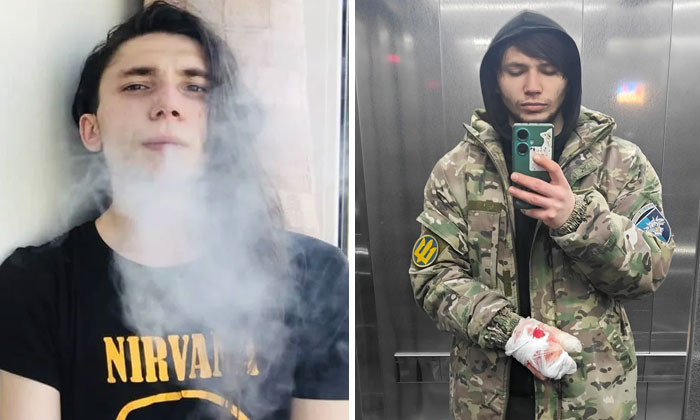
Image source: @vkhlopiachyi
#30
There is a difference is literally a year.
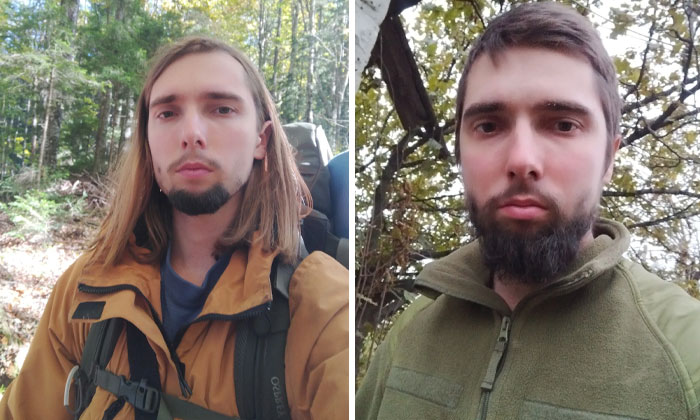
Image source: @atarashiki_ata
#31
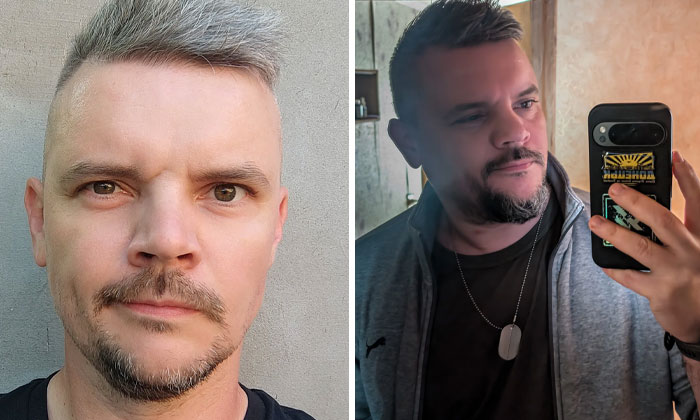
Image source: @osad4iy_dimon
#32
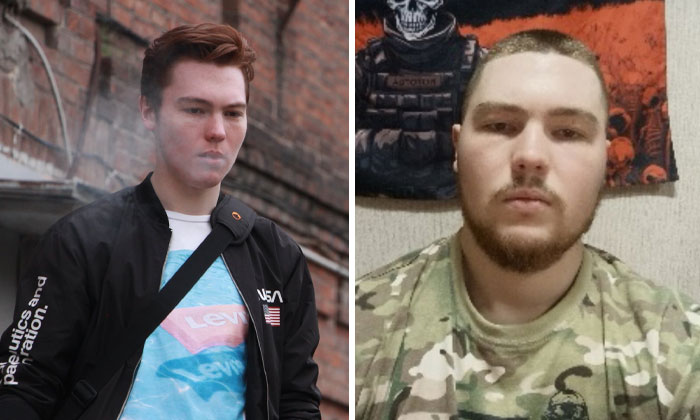
Image source: @rainynxd
#33
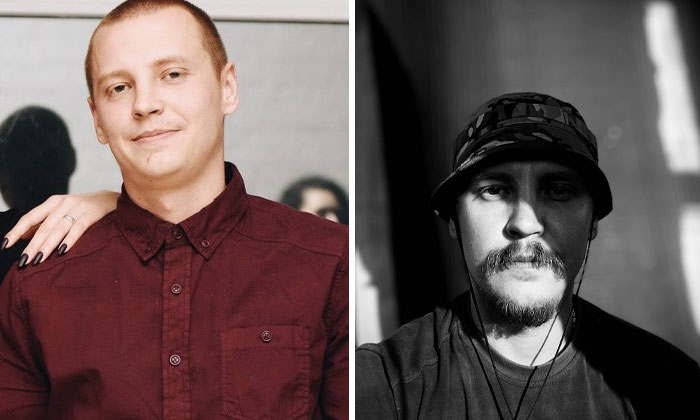
Image source: @krakovskyi_a
#34
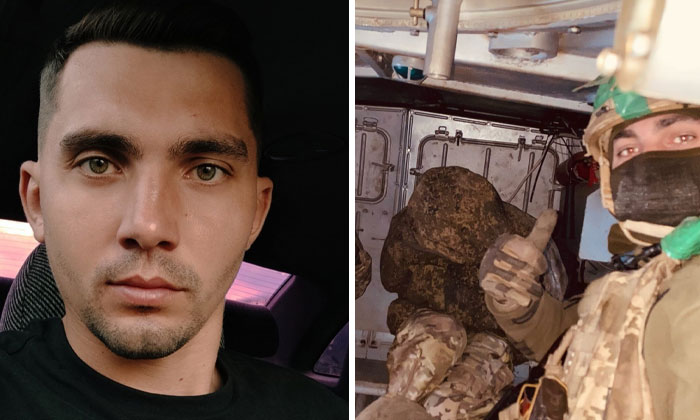
Image source: @nahornyi_oleh
#35
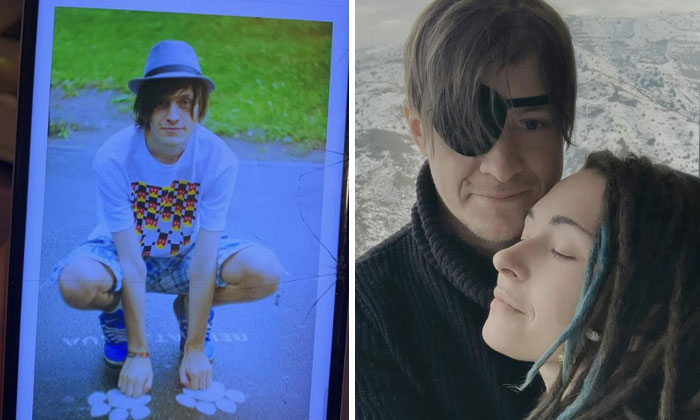
Image source: @maria_schizofrenia
#36
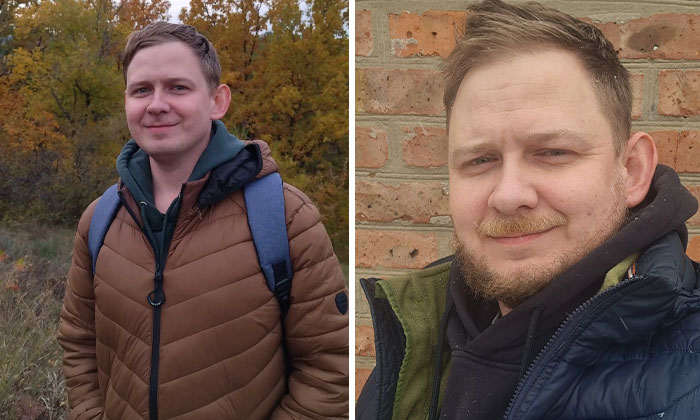
Image source: @oleksandr.hna
#37
20/25.
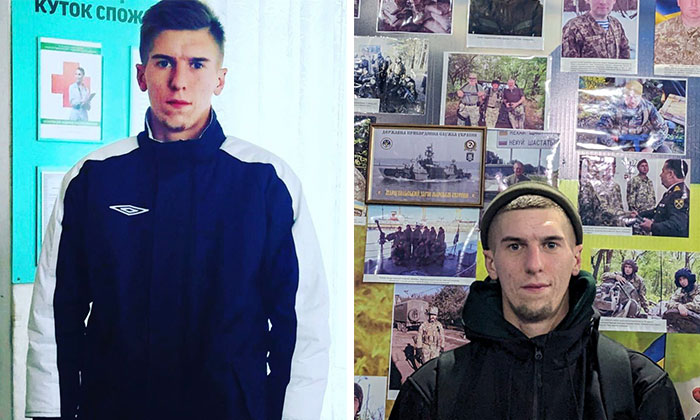
Image source: @andrewmusic_007
#38
2020/2026.
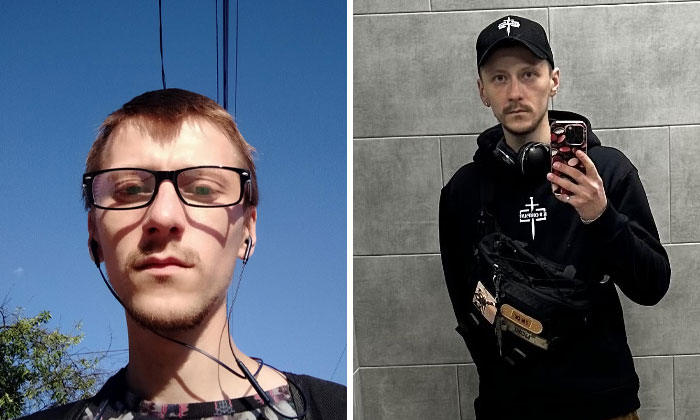
Image source: @andsobole
#39
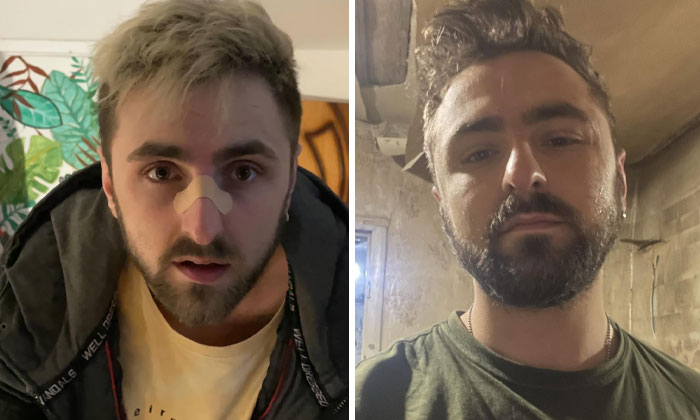
Image source: @tretyakdim
#40
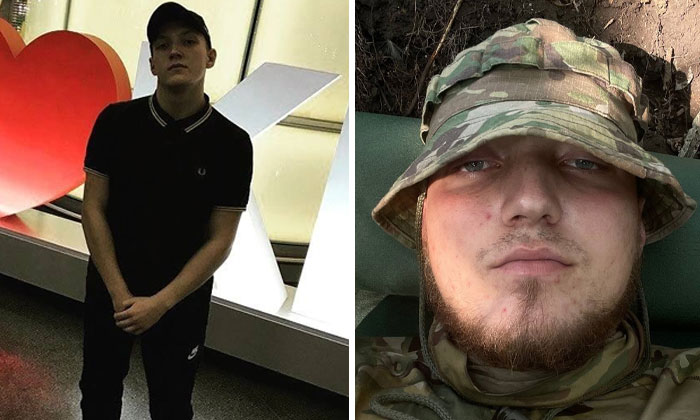
Image source: @14_danil.murich_88
#41
The difference 4 years makes.
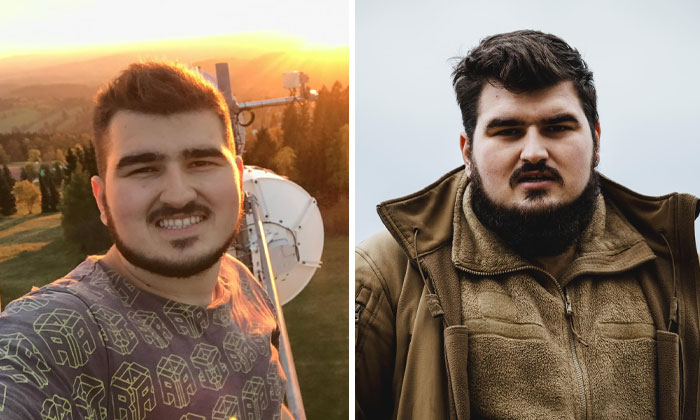
Image source: @bigval_1
#42
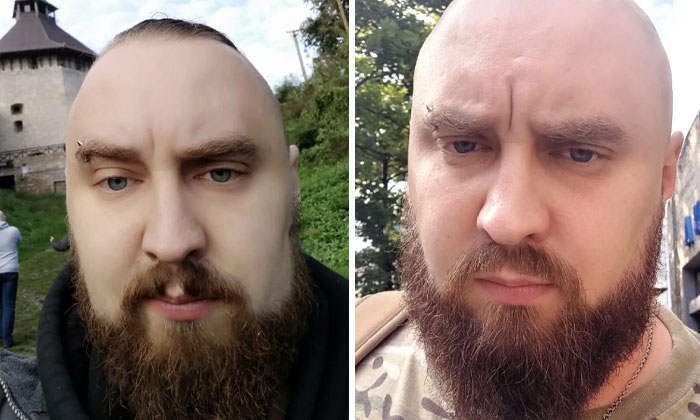
Image source: @ar_mor__
 Follow Us