Great films understand how easily audiences can confuse empathy with approval. A compelling performance or tragic backstory can make terrible choices feel understandable. This emotional manipulation sits at the heart of many unforgettable movies. It forces audiences to examine why they support certain characters.
Film history is full of characters who crossed moral lines yet still managed to maintain audience support. While some used charm to win people over, others relied on emotional wounds that invited sympathy. These eight characters prove that storytelling often works best in moral gray areas.
Jordan Belfort in The Wolf of Wall Street

Jordan Belfort enters Martin Scorsese’s film as a hungry stockbroker with massive ambition and relentless energy. Leonardo DiCaprio plays him with charm, humor, and confidence, which makes Belfort easy to follow. The film moves at a wild pace and frames his rise as thrilling entertainment. The energy pulls audiences into his world before they fully process the damage behind his wealth.
The real Jordan Belfort founded Stratton Oakmont on a pump-and-dump stock fraud scheme and pleaded guilty to securities fraud and money laundering. His crimes cost investors roughly $200 million. The movie never hides that truth, but Belfort’s charisma often overshadows it. Audiences leave impressed by his hustle instead of horrified by the wreckage he caused.
Arthur Fleck in Joker

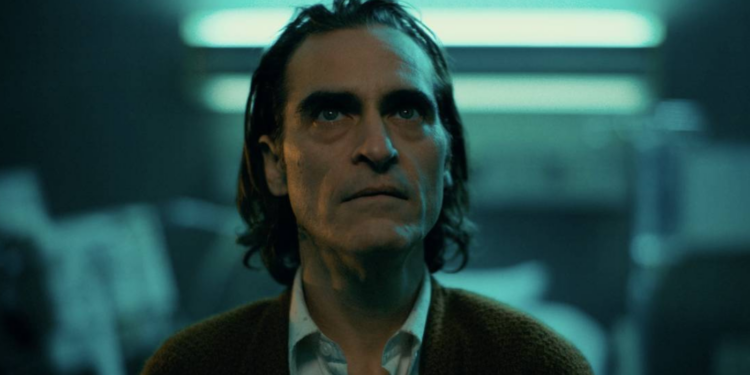
Arthur Fleck (Joaquin Phoenix) starts as a lonely, beaten-down man who wants connection and recognition. The film places audiences inside his suffering and shows how Gotham’s cruelty isolates him. The perspective creates empathy almost immediately, as audiences understand his pain long before they see his violence.
The emotional closeness makes his transformation into Joker feel tragic instead of terrifying. Arthur murders multiple people and sparks chaos across Gotham, yet audiences continue to frame him as a victim first. The film explores neglect and alienation, but it never presents murder as justice. Arthur’s pain explains his collapse, but it does not excuse his choices.
Amy Dunne in Gone Girl

Amy Dunne (Rosamund Pike) stands as one of modern cinema’s most complicated manipulators. Director David Fincher structures the story to make audiences question her husband and sympathize with her disappearance. When the truth emerges, Amy takes control of the narrative in a shocking way. Her intelligence and precision make her fascinating to watch.
Audiences admire Amy because she fights back against betrayal and public humiliation. The reaction ignores how far she pushes her revenge. Amy frames innocent people, fabricates abuse, and kills to protect her plan. Her brilliance makes her compelling, but her actions reveal how dangerous she really is.
Killmonger in Black Panther

Black Panther’s Killmonger remains one of the most debated antagonists in the Marvel Studios catalog. Michael B. Jordan gives him emotional depth and conviction. His anger grows from abandonment, systemic oppression, and generational trauma. Those experiences make his worldview understandable.
Audiences sided with Killmonger because his criticism of Wakanda carried weight. He challenged the nation’s isolation while Black communities worldwide suffered. While his point resonated, his method relied on conquest and global violence. The film gives him a powerful argument but draws a clear line against his brutality.
Tyler Durden in Fight Club
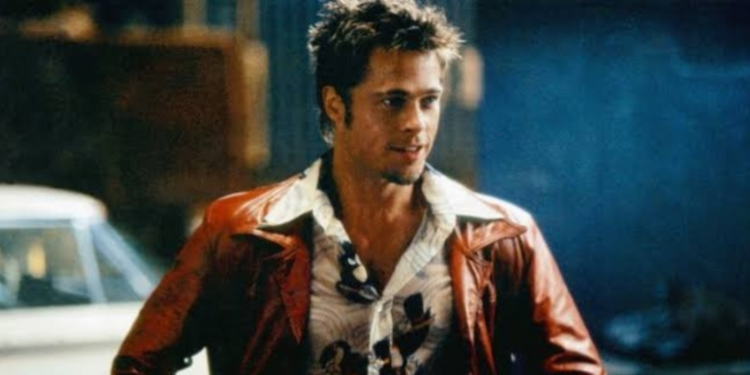
Tyler Durden represents rebellion against consumerism and modern emptiness. Brad Pitt delivers the role with magnetic energy that makes Tyler impossible to ignore. He speaks with certainty and offers frustrated men a sense of purpose. The confidence turns him into a symbol of freedom for audiences. Fight Club gradually revealed the danger behind Tyler’s philosophy. His movement shifts from underground fighting to organized extremism. Tyler rejects control but builds a cult based on obedience and destruction. Many fans celebrated his anti-establishment ideas while overlooking how violently those ideas evolved.
Frank Abagnale Jr. in Catch Me If You Can
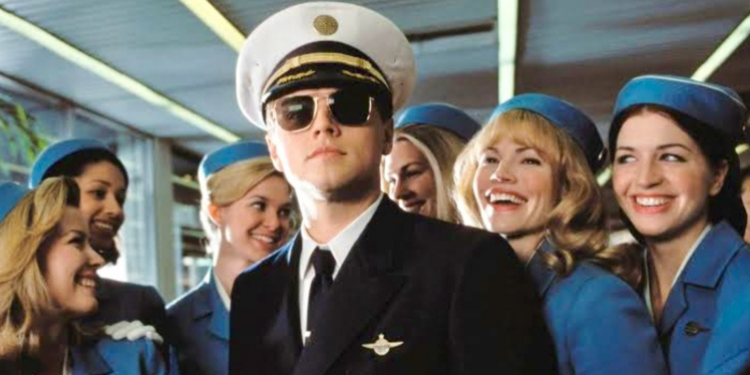
Frank Abagnale Jr. feels like the classic lovable criminal. Steven Spielberg frames his story with humor, adventure, and emotional vulnerability. Leonardo DiCaprio makes Frank clever and deeply human. His youth and loneliness make his crimes feel almost playful. In reality, Frank forged checks and impersonated professionals across multiple industries. He stole millions while running from the law. The film focuses heavily on his intelligence and emotional struggles, which makes audiences cheer for his escape. The charm often distracts from the financial harm he caused.
Henry Hill in Goodfellas
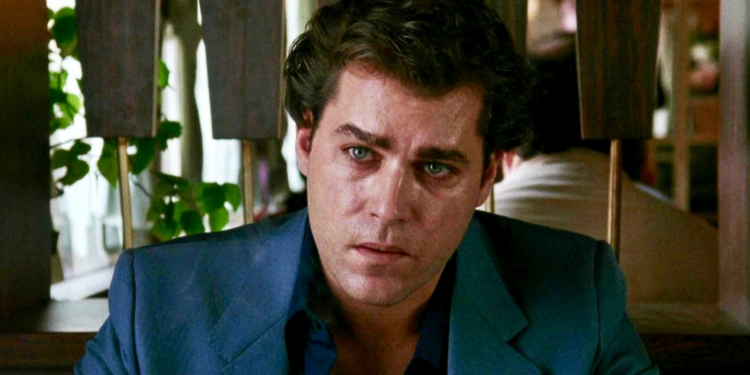
Henry Hill opens Goodfellas by admitting his lifelong obsession with gangster life. The honesty pulls audiences into his journey from the beginning. Ray Liotta gives Henry a sense of excitement and ambition that makes crime look glamorous. The lifestyle feels seductive because the film shows its rewards first. As Henry rises in the mob, violence and paranoia consume his world. He helps run robberies, drug operations, and murders. Director Martin Scorsese never hides the consequences, but Henry’s perspective keeps audiences emotionally attached. The attachment makes his downfall feel tragic, even though his choices built it.
Howard Ratner in Uncut Gems
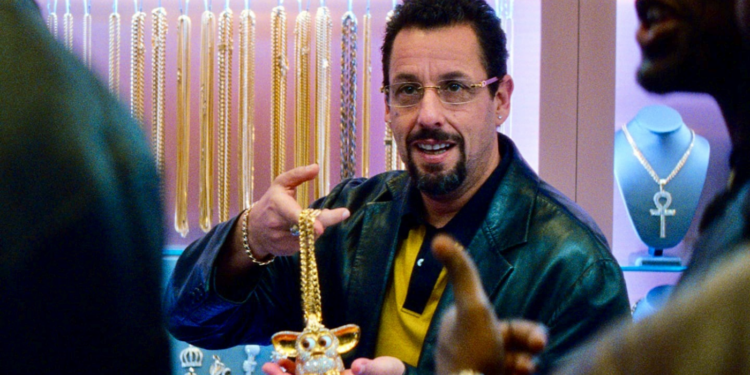
Howard Ratner creates chaos from the opening scene. Adam Sandler plays him as reckless, desperate, and endlessly persuasive. Howard lies, gambles, and chases impossible wins while destroying his personal relationships. Yet, his confidence makes audiences believe he might pull it off. The hope traps audiences in the same cycle Howard lives in. Every gamble feels like the one that could save him. Instead of stepping away, Howard doubles down and drags everyone around him deeper into risk. Viewers root for him because they want the tension to pay off, even when his decisions grow more destructive.
 Follow Us