Teruko Nakagami is best known publicly as the wife of Billy Dee Williams, the Hollywood actor famous for playing Lando Calrissian in the Star Wars franchise. But her story reaches further back than that marriage. Before Williams became an international movie star, Nakagami was married to legendary jazz saxophonist Wayne Shorter, and her photograph appeared on the cover of one of his most celebrated albums. Despite those connections, she has remained a relatively private figure whose personal life has rarely received the same attention as the famous men associated with her name.
What is publicly known about Nakagami reveals a life connected to two very different periods of American entertainment history. She married Shorter in 1961, became part of Williams’ life in 1972, and helped raise a blended family that included children from earlier relationships. Her marriage to Williams also survived a widely reported separation in 1993. Those details explain why people remain curious about her today, particularly because she has offered so little public commentary about her experiences.
Teruko Nakagami Was Part of Wayne Shorter’s Early Jazz Years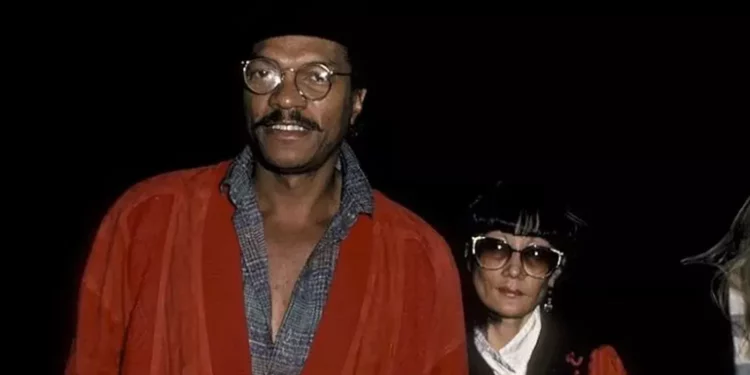
One of the more interesting details about Nakagami is that her connection to entertainment history began long before Billy Dee Williams entered the picture. She married Wayne Shorter in July 1961, during a period when he was establishing himself as one of jazz’s most promising musicians. Shorter would go on to perform with Art Blakey‘s Jazz Messengers and the celebrated quintet led by Miles Davis. During their marriage, Nakagami and Shorter welcomed a daughter, Miyako Shorter. Their relationship placed her within an important period of his artistic development, even though she maintained a personal life outside his growing musical reputation.
That connection is especially visible on the cover of Shorter’s acclaimed album Speak No Evil, recorded in 1964 and released in 1966. Nakagami, who was also known as Irene, appears alongside Shorter in the striking close-up photograph used for the artwork. The album also contains “Infant Eyes,” a composition dedicated to their daughter Miyako. Shorter later recorded another piece bearing his daughter’s name. Their marriage ended in divorce in 1966, but the artwork remains an enduring connection between Nakagami and one of jazz’s most recognizable recordings. Her name continues to surface in discussions of the album decades after its release.
| Topic | Publicly Known Detail | Why It Matters |
|---|---|---|
| Full Name | Teruko Nakagami, also known as Irene Nakagami. | Both names appear in accounts of her early life and marriage to Wayne Shorter. |
| Best Known For | Being Billy Dee Williams’ wife and Wayne Shorter’s former wife. | Her personal history connects Hollywood and jazz. |
| First Marriage | She married Wayne Shorter in July 1961. | The marriage began during an important period of Shorter’s musical career. |
| First Divorce | Her marriage to Shorter ended in 1966. | This marked the end of her first documented marriage. |
| Jazz Connection | She appeared on the cover of Shorter’s album Speak No Evil. | Her photograph remains part of an influential jazz recording’s artwork. |
| Marriage to Williams | She married Billy Dee Williams on December 27, 1972. | The relationship began before his worldwide fame as Lando Calrissian. |
| Children | She has two daughters, Miyako Shorter and Hanako Williams. | Her daughters connect her two marriages and family histories. |
| Blended Family | Williams also had a son, Corey Dee Williams, from an earlier marriage. | Their household included three children from different relationships. |
| 1993 Separation | Nakagami and Williams separated but remained legally married. | Their marriage continued legally despite their relationship difficulties. |
| Public Life Today | She has maintained a limited public presence. | Reliable information about her current personal activities remains scarce. |

She Married Billy Dee Williams Before His Star Wars Fame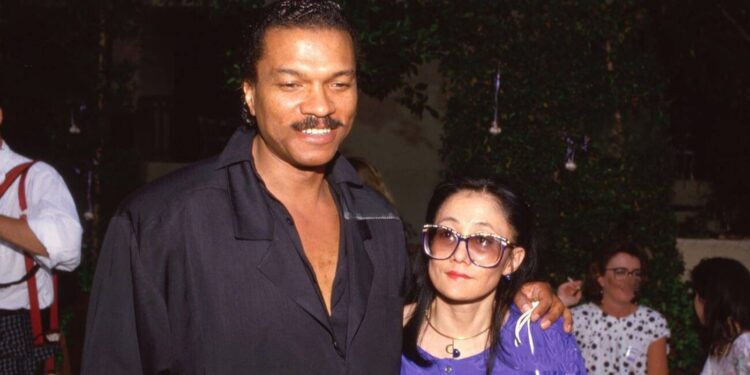
Nakagami married Williams on December 27, 1972, at a time when his acting career was entering an important new phase. That same year, he starred opposite Diana Ross in Lady Sings the Blues, helping establish the romantic leading-man image that would become central to his Hollywood reputation. He later reunited with Ross in Mahogany before achieving worldwide recognition through The Empire Strikes Back in 1980. Nakagami was Williams’ third wife, following his marriages to Audrey Sellers and actress Marlene Clark. Their relationship therefore began during his transition from an established performer into a major film star.
Yet the couple’s household appeared considerably quieter than Williams’ screen image might have suggested. A 1976 profile in Time described him living with Nakagami and their three children in a modest house in Los Angeles’ Laurel Canyon neighborhood. Away from filming, Williams spent time drawing, writing poetry, meditating, and pursuing other personal interests. That account offers a glimpse of their marriage before his association with Star Wars became permanent. Nakagami occasionally accompanied him to public events, but she never developed the kind of high-profile celebrity-spouse identity that might have been expected alongside such a recognizable Hollywood figure.
Their Marriage Brought Together Three Children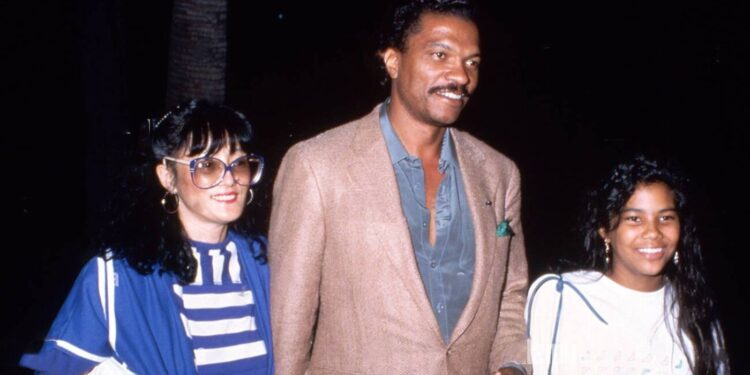
The family story is one of the clearest parts of Nakagami’s public biography. She brought her daughter Miyako from her marriage to Shorter, while Williams had a son, Corey Dee Williams, from his marriage to Audrey Sellers. Nakagami and Williams then welcomed their daughter, Hanako Williams, in 1973. That created a blended household with children whose family backgrounds connected the worlds of jazz and Hollywood. Corey later became involved in entertainment work, including the production of Return of the Jedi, while Hanako has been identified in published accounts as having worked in the Los Angeles art world.
Williams has occasionally spoken about fatherhood with affection, offering some of the few personal insights available about the household. During a 2024 interview with People, he recalled the births of Corey and Hanako as deeply meaningful experiences. His comments also made clear that family remained important to him despite the difficulties he acknowledged in his romantic relationships. Nakagami’s own experiences as a mother have received much less public attention, although her two daughters remain central to her biography. The blended-family connection is especially significant because it continued beyond the marriage itself, linking several generations of a family whose public history spans music, film, and television.
What Happened After Their 1993 Separation?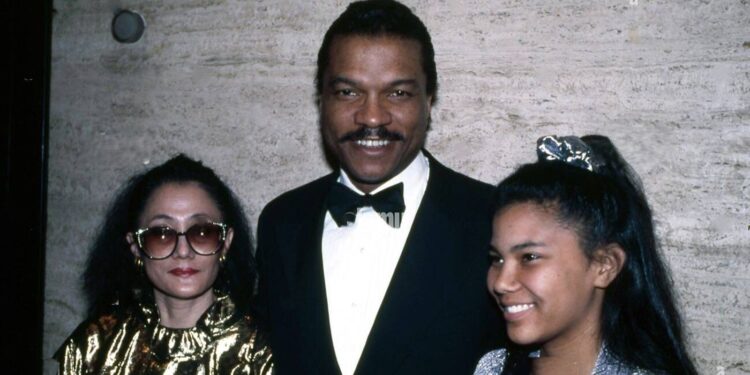
After more than two decades of marriage, Nakagami and Williams separated in 1993. Reports at the time described divorce proceedings, but the marriage was never legally dissolved. In February 2024, Williams confirmed to People that they had remained married despite their separation. While promoting his memoir, What Have We Here?: Portraits of a Life, he also spoke openly about his difficulties with monogamy and acknowledged his own infidelity. Those remarks provided an unusually candid look at his relationship history, although Nakagami has rarely offered a comparable public account. In another 2024 interview, Williams jokingly explained that he and his wife occupied separate areas of their home, suggesting an unconventional domestic arrangement after decades together.
Nakagami’s later life remains largely outside public view. There is little reliable information about her current professional activities, personal finances, or everyday routine, and her marriage has generated relatively few detailed interviews from her perspective. Williams’ comments in 2024 establish that they remained legally married at that time, while more recent circumstances are less clearly documented. What makes Nakagami’s story distinctive is the unusual path connecting her to two major entertainment figures across different decades. From appearing on a celebrated jazz album to raising a family during Williams’ Hollywood ascent, she has a documented place in both histories. Much of her own life, however, has remained beyond the public attention surrounding them.
 Follow Us