One of the joys of traveling is that you get to experience things you wouldn’t necessarily encounter at home. It may be food, architecture, a language or even a law, policy, or an idea that’s just so genius you wish you could bottle it and take it back with you.
As we know, life is not the same in different countries around the world. Each has its own unique ways to make citizens’ and visitors’ lives a little more joyful, efficient and comfortable. These ideas often aren’t about flashy tech or innovation that costs billions. Sometimes, they’re simple solutions to everyday problems.
Someone asked, “What’s one thing in your country (or somewhere you’ve been) that just makes sense—and the rest of the world really should copy?” and many of the answers read like a playbook for the most perfect country in the world. From bike highways to Braille menus in McDonald’s, people shared the things that made them sit up and take note whether home or abroad.
Bored Panda has selected the best for anyone who needs a reminder that the world isn’t all doom and gloom. Some might even inspire you to push for some positive changes in your own backyard.
#1
Japan has a law that the product displayed on packaging must be a real representation of the food inside.
This should be law everywhere.
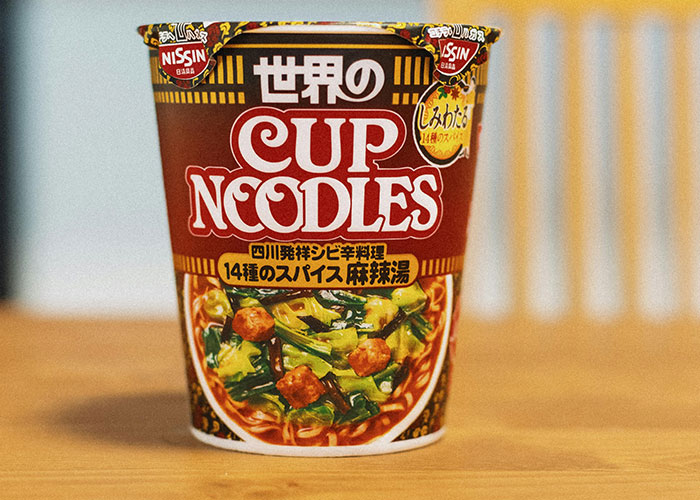
Image source: StillSimple6, Gu Ko/Pexels
#2
No tipping.
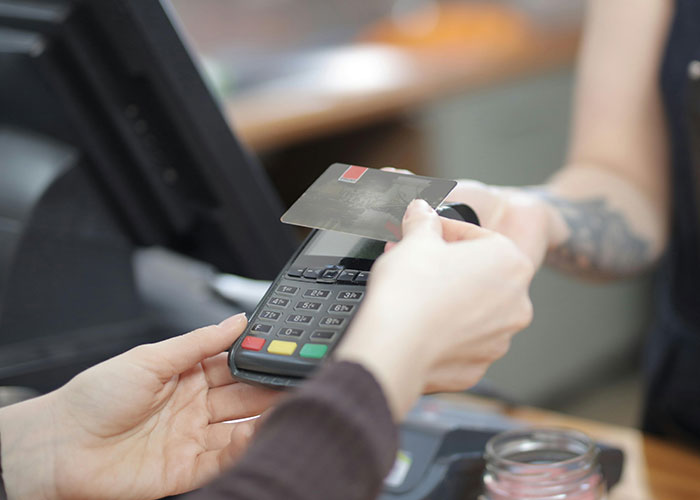
Image source: Impossible-Ship5585, Andrea Piacquadio/Pexels
#3
Bike highways. Basically wide bicycle paths between cities or towns that are not next to a major road.
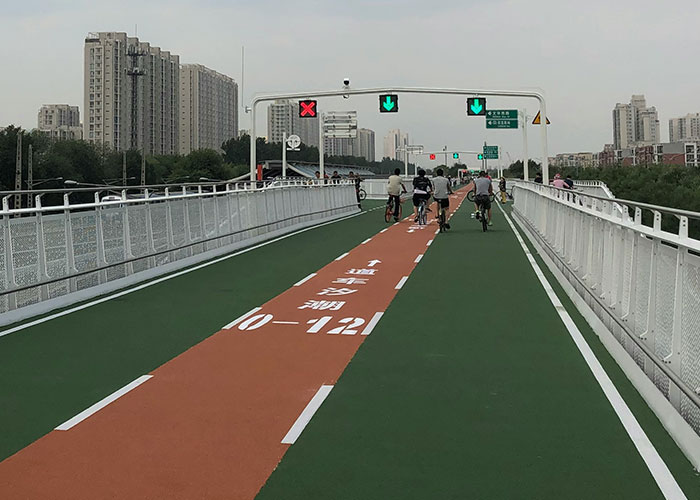
Image source: PygmeePony, Emir An/Unsplash
#4
The pfand system were you return bottles to the supermarket and get a small amount of money back.
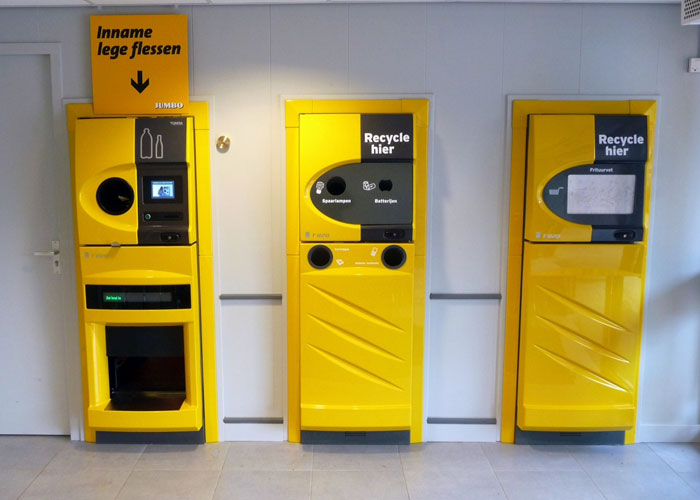
Image source: Particular_Neat1000, Romy2702
#5
Banning single use plastics.

Image source: HadeswithRabies, Tara Winstead/pexels
#6
Free menstrual products in schools and colleges (and many public bathrooms.). It’s made a huge difference to not only period poverty, but also the taboo surrounding these products. They are in all toilets and all pupils have easy access to their own provisions (including males taking products home for family members.)
As someone who works in a school in a deprived area, this has made a massive difference to our young people and makes me proud of our country.
Also edited to add free baby boxes too!
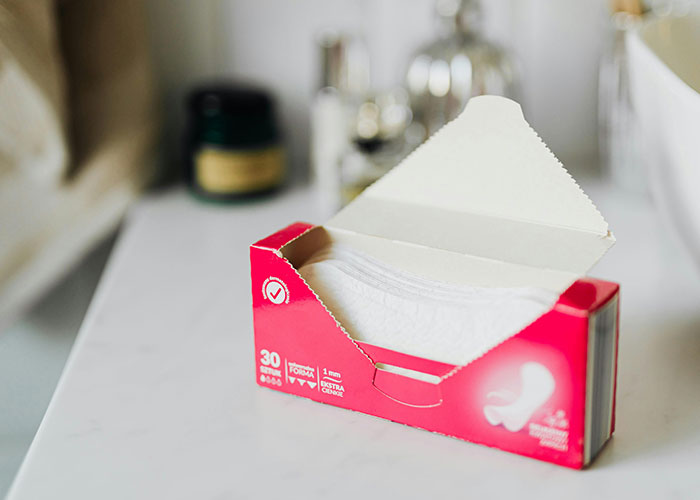
Image source: Starsteamer, Karolina Grabowska www.kaboompics.com/Pexels
#7
The Americans with Disabilities Act. It’s one of the few things my country has actually gotten right. Landmark legislation that requires all businesses and governments to make their services accessible to those with disabilities and to not discriminate against them. This is why you’ll find Braille menus in McDonald’s and why you’ll see 200-year old buildings with wheelchair ramps.
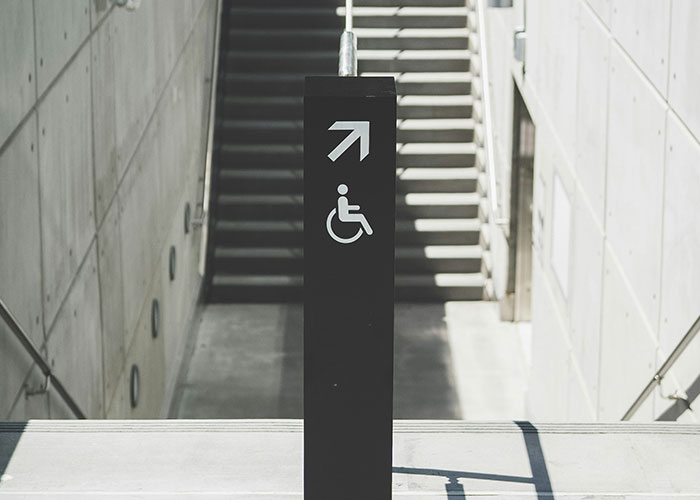
Image source: slothbear13, Joey Banks/Pexels
#8
Keeping the streets and every public place clean.
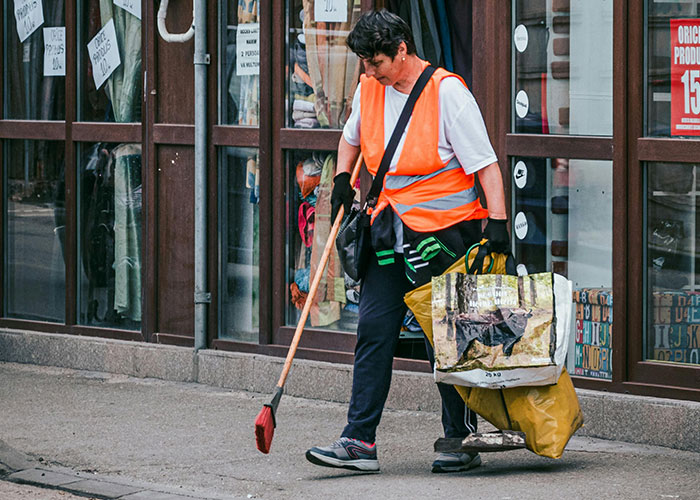
Image source: TamponBazooka, Cimpueru Filip/Pexels
#9
Free internet for subways, buses, and public places.
I’m sure it’s not exclusive to Korea but it is super convenient, and I hope more countries adopt this.
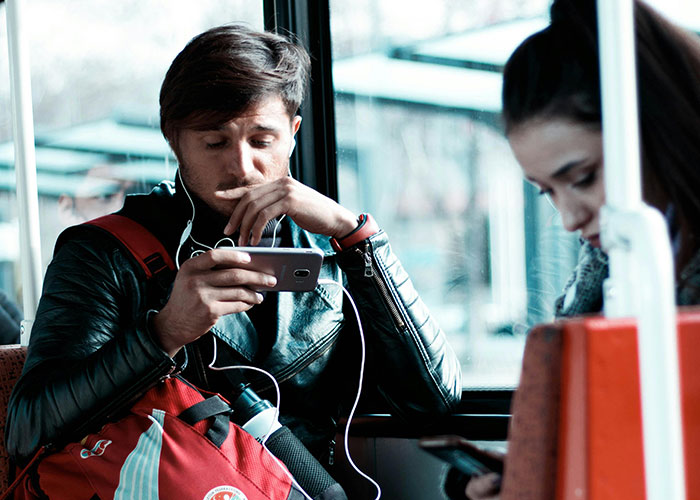
Image source: CommercialChart5088, Levent Simsek/Pexels
#10
Visited Norway recently. The tax taken from the large oil companies there is put into Norway’s renewable energy sector/research. Pretty good I reckon!
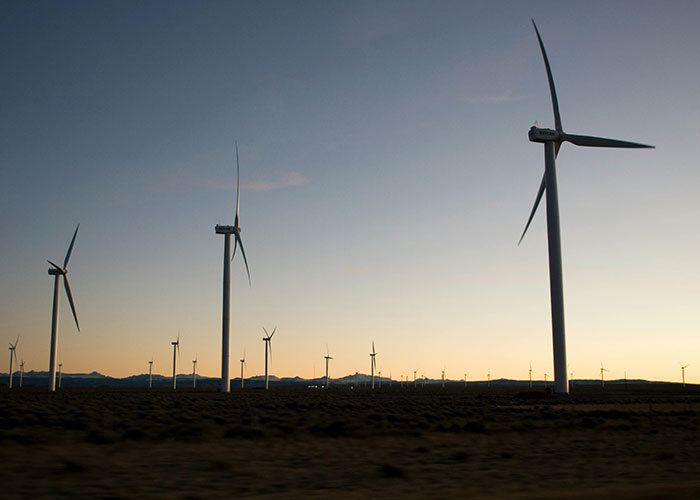
Image source: Ok-Pie-3581, Marshall Reyher/Pexels
#11
I love the Italian law that requires restaurants to show which menu items have been frozen.
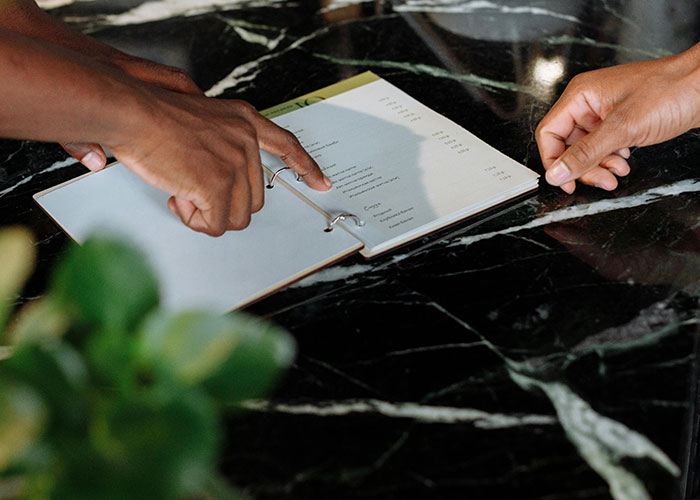
Image source: Pyrosvetlana, Thirdman/Pexels
#12
INFONAVIT, it’s basically, in a very simplistic way to describe it, like a public healthcare but for housing, this is a big part of why we have some of the lowest homelessness rates and highest home ownership rates in the world.
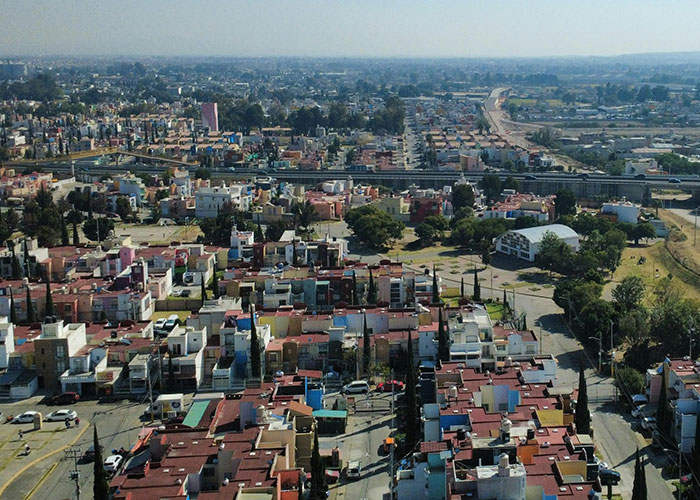
Image source: GamerBoixX, Aero Drone/Pexels
#13
4 day work week.
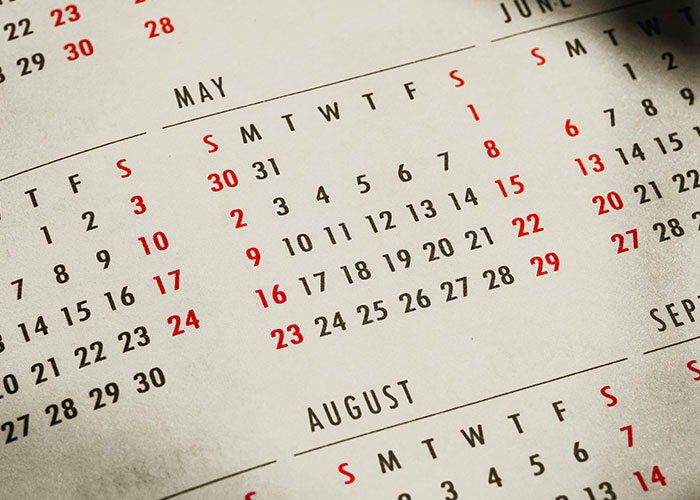
Image source: winterweiss2902, Nothing Ahead/Pexels
#14
Washing instead of wiping😭.
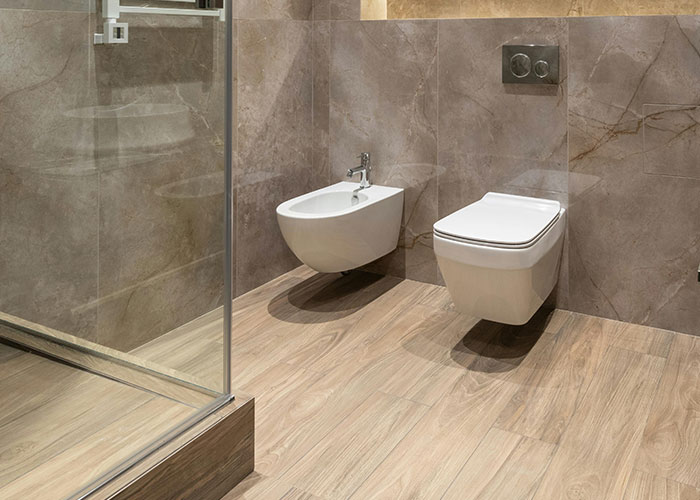
Image source: NUDGE_44, Max Vakhtbovych/Pexels
#15
Strong(er) unions.
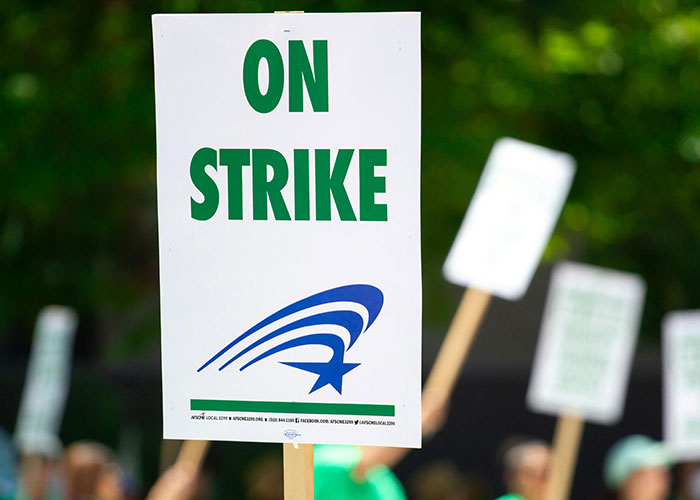
Image source: MaxiTheSmol, Martin Lopez/Pexels
#16
Compulsory voting.

Image source: Gobape, Edmond Dantès/Pexels
#17
Furasato Nozei ふるさと納税 – hometown tax program is brilliant. You get to move some of your tax to other parts of Japan (such as rural/farming). In return for this donation (which you’d pay anyway) you get 1/3 of the value as a gift from that prefecture – and you pick your gift from a long list of goods from that region; fresh veggies delivered every week, Wagyu, sushi fish, sake even electronics, cameras, furnitures and hotel rooms. You also get to claim the donation as a deductible only paying tax in the value of the gift. Win win as it moves tax revenue to the poorer areas and you get tax break.
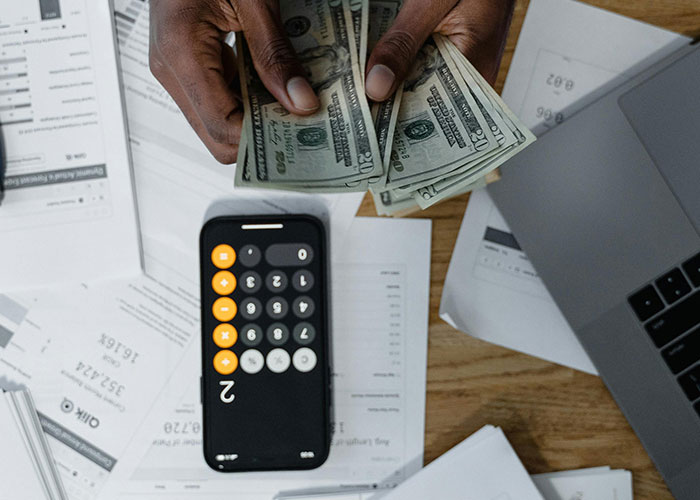
Image source: Delicious-Ad7376, Tima Miroshnichenko/Pexels
#18
SUS (Unified Health System). I know that a bunch of countries have different kinds of free health systems, but from the ones I had contact with, I still think ours is more inclusive/universal.

Image source: Fun-Butterscotch3035, cottonbro studio/Pexels
#19
Waiting for Brazil and Korea to say “successfully prosecuting a criminal president”.
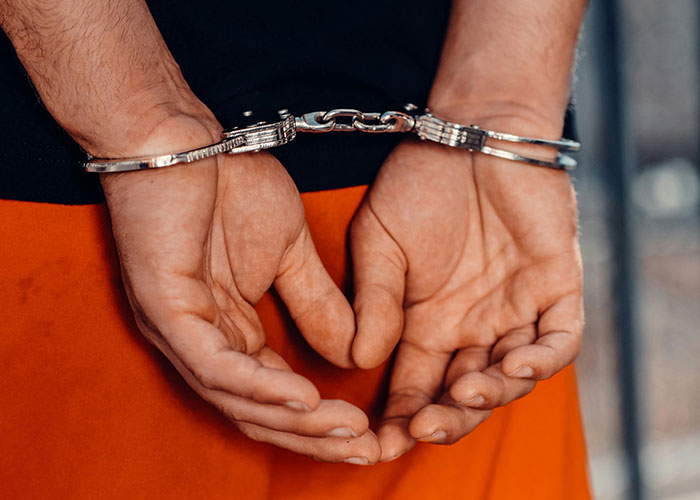
Image source: Palocles, Kindel Media/Pexels
#20
Compulsory voting by pencil and paper, always on Saturday (after 2 weeks of voting booths being open) with ranked choice / preferential ballots, organised by an independent electoral commission that:
1. determines electoral boundaries based on population (with no reference to political consequences),
2. moves heaven & earth to ensure ballots get to everyone in the country (in a language they can read), and
3. counts the votes by hand in front of witnesses representing all the candidates.
Also: completely banning political donations.
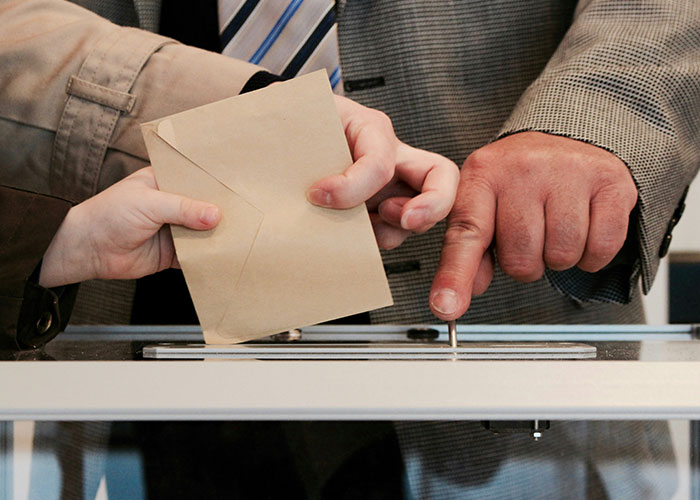
Image source: Express-Passenger829, Arnaud Jaegers/Unsplash
#21
The bidet.
Image source: leibaParsec
#22
The National Health Service. Even after 14 years of Tory underfunding, it’s an absolute marvel. I see the add-ons on bills that some Americans get just for things like holding their baby after they’ve given birth and it makes me sick,.
Image source: Blunder_Woman
#23
Sécurité sociale.
I can only admire your picture, OP. There are two good things in this picture : the railing of course, but also the bike-only road. I’ve been to Oslo, Norway once and an entire city with bike-only roads alongside the roard for cars is the best.
Image source: WhortleberryJam
#24
Trains being punctual.
Image source: Gokudomatic
#25
Small tea + convenience stores that you can walk 100m to on every street.
Image source: poolnoodlefightchamp
#26
Urban gondolas for public transportation. They are quiet, come continuously (no waiting for the next train or bus), and are ideal for hilly terrains.
Image source: castillogo
#27
Massive investments in infrastructure—besides the obvious like high-speed rail, 5G, and highways—also include widely distributed free public facilities (libraries, art galleries, restrooms), parks, greenways, and even well-maintained mountain hiking trails.
I understand all this requires money, but with all this in place, we can feel our tax dollars are actually worth it—not like stepping on a syringe the moment we walk outside.
Image source: Acceptable_Score153
#28
In Trondheim Norway they have a bicycle lift that every hilly city should have everywhere.
Image source: snajk138
#29
Display the price you have to pay in stores, restaurants,.. instead of a pre-tax price.
Image source: Difficult_Camel_1119
#30
Sweden only has gender neutral bathrooms in most public spaces. It’s individual stalls where the walls go all the way from the floor to the roof and they often even have their own sinks, so this is great for privacy and it’s really nice for trans/non-binary people. Also for fathers accompanying their little daughters to the bathroom.
Image source: 1Dr490n
#31
Free public restrooms.
Image source: PilotKnob
#32
In Hungary, there is a unique public health service called the “védőnő” system, often translated as the “health visitor” service or “public health nurse” system.
A védőnő is a specially trained health professional who provides preventive care and health education mainly for women, infants, children, and families.
Their responsibilities include:
* Regular check-ups for pregnant women, new mothers, and babies.
* Home visits to monitor the child’s development and living conditions.
* Guidance on breastfeeding, child nutrition, and parenting.
* Cooperation with family doctors, pediatricians, schools, and local health authorities.
The system was established in the early 20th century and is nationwide, with each neighborhood or district having its assigned health visitor.
It plays a major role in preventive healthcare, early detection of health or social problems, and family support — especially in maternal and child health.
Image source: Nevermind1982X
#33
The “Rettungsgasse”
As soon as a traffic jam forms on the highway, all vehicles must form an emergency lane through which emergency vehicles can pass. Regardless of whether an emergency vehicle is coming or not.
Image source: The_Keri2
#34
Taiwan has a lot of foreign workers, including a lot of Indonesians wearing hijabs. Nobody complains. There are Muslim prayer rooms in airports and railroad stations. People say, Oh, that’s nice. The government provides services in Indonesian, Tagalog, VN, and Thai. Most people appreciate that they are working hard. There are cases of bad examples, of course, but there is no tension or antagonism.
Image source: Yugan-Dali
#35
Chatting with random strangers while standing in line. It’s such a friendly way to pass the time.
Image source: Silly-Resist8306
#36
Going to the pub and waiting for everything to blow over.
Image source: ScootsMcDootson
#37
Generally making cities 15 minute with bike lanes and/or good public transport.
I live in Copenhagen. Its absolutely great living here.
Image source: Kriss3d
#38
A couple stuff from our wedding culture. The wedding photographers print a bunch of the photos (usually those of a couple people posing together) onto magnets, that are up on a board by around the time people start to leave. You get to take those that you’re in home, to have on the fridge or wherever as a nice memory.
Also, instead of bringing random gifts, there’s a box for people to put checks for the couple to start their newlywed life with.
Image source: _Libby_
#39
Voting on a regular basis on a lot of stuffs, at all levels.
Image source: Slimmanoman
#40
We were at least taught in school that most other countries don’t have dish drying cabinets above their kitchen sinks, which I think is crazy since it’s such a simple solution.
Image source: crinalex
#41
Want the Copenhagen foot rest things for Germany, but we have only car friendly street gadgets like Autobahn 🙄 For car lovers they make sense. Also we are a transit area, regarding our geographic position the Autobahns make some sense.
Image source: TwistInteresting1609
#42
No smoking in public places in Korea. Lovely.
Image source: Traditional-Buy-2205
#43
24/7 grocery stores.
Image source: Omnio-
#44
Hand holes for duvet covers!
Duvet covers have a big hole at the foot end, and small holes right at the top of the sides. To put it on, you insert your hands in the small holes, shimmy through, grab the duvet, and shake shake shake! So much easier to put it on this way.
Ikea used to have them, but silly foreigners thought it was a mistake, so now they sell them without holes. Treason!
Image source: Merinther
#45
Automated parcel delivery boxes on (basically) every corner of the country. Super convenient: you don’t need to go to the post office or wait at home to receive a delivery.
Image source: goldenhairmoose
#46
It’s not exclusive to Netherlands, neighbouring countries to the same. But music halls being supported by the local government as vital spaces for the arts and local community. As opposed to purely commercial ventures that survive only as long as it takes for someone to buy, demolish and build luxury apartments.
Image source: ah5178
#47
My beachside town has trams with surfboard holding racks inside. And catching the tram is virtually free!
Image source: Busy_Leg_6864
#48
So I heard this is not common in other countries but cheese slicer.
Image source: Aggressive_Path8455
#49
Siesta.
Image source: Penumbra_Bestia
 Follow Us