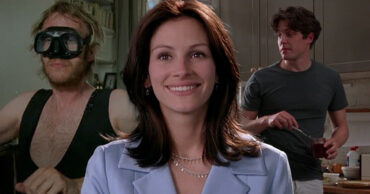
Some performances do more than frighten audiences. They rewrite how an actor is seen, unlock new types of roles, and sometimes even reshape whole genres. Villain transformations are especially powerful because they flip an actor’s established image and force viewers to confront someone they thought they knew. The eight turns below are not just great pieces of acting. They are career pivot points, the kind of roles that move performers from “reliable” to career defining and often place their films among the top 10 movies of the 21st century in critical conversations.
What connects these villains is not only intensity, but the sense that each actor crossed an invisible line. After these roles, casting directors, studios, and audiences stopped seeing them as just romantic leads, character actors, or prestige faces. They became artists who could anchor darkness, complexity, and moral chaos. That kind of leap is rare, and it is why these performances still shape careers, even years after release.
1. Heath Ledger in ‘The Dark Knight’
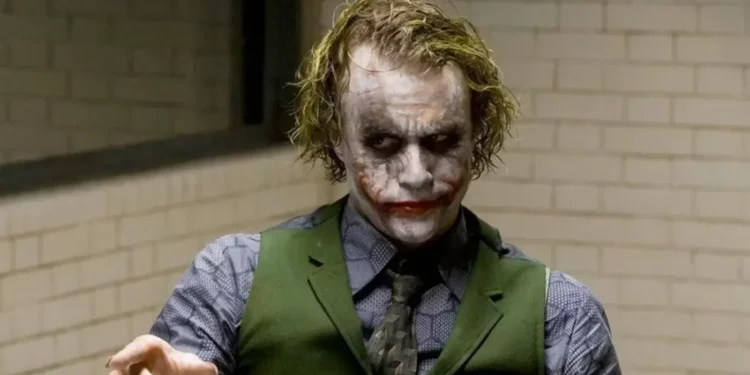
Heath Ledger’s Joker in The Dark Knight is the modern benchmark for comic book villains. Before this, Ledger was respected for romantic dramas and indie work, but this anarchic performance turned him into a legend. The smeared makeup, vocal choices, and loose physicality feel chaotic, yet every moment is calibrated. Afterward, “serious” villain roles had to answer to this standard, in the same way lists of the best horror movie of every year quietly measure themselves against transformative, unforgettable antagonists.
More importantly, Ledger’s Joker proved that genre films could deliver awards-level acting without sacrificing entertainment. Studios became more willing to let actors go strange, method, and psychologically dense inside tentpole projects. That shift changed not just his legacy, but how superhero cinema is cast and discussed.
2. Charlize Theron in ‘Monster’
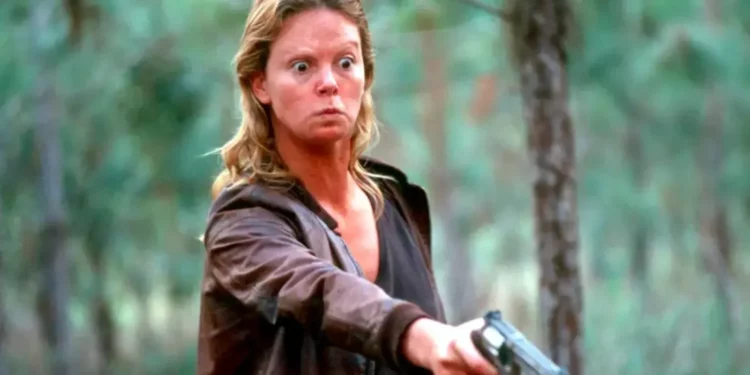
Charlize Theron was already known as a glamorous star, but her work in Monster shattered that image. The physical transformation gets most of the attention, yet the real power lies in how Theron builds Aileen Wuornos from the inside out, mixing desperation, rage, and flashes of vulnerability. It is one of those rare turns that reorients an entire career in a single film.
After this, Theron was no longer just a model-turned-actor who could handle drama. She became a go-to performer for morally complex leads and hard-edged genre stories. That evolution paved the way for her later work in action and sci-fi and helped expand Hollywood’s idea of what a “leading woman” villain can look like.
3. Christoph Waltz in ‘Inglourious Basterds’
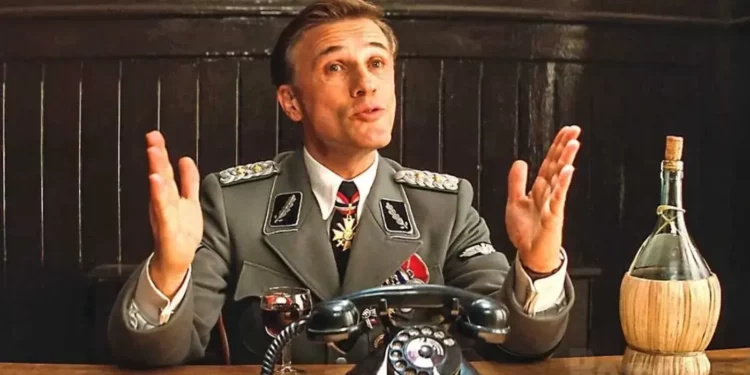
Before Inglourious Basterds, Christoph Waltz was largely unknown outside European circles. As Hans Landa, he delivered a villain so charming and terrifying that he instantly became a global star. His language skills, musical line readings, and ability to pivot from politeness to menace turned every scene into a negotiation the audience could not predict.
That single performance re-launched his career in Hollywood, leading to a run of high-profile roles as sophisticated antagonists. It is a clear example of how one carefully written and perfectly executed villain can move an actor from working quietly for decades to commanding international attention almost overnight.
4. Denzel Washington in ‘Training Day’
ng 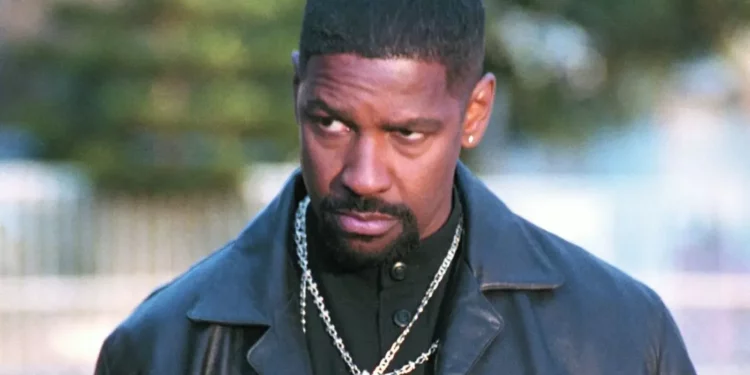
Denzel Washington had already built a towering career playing principled, heroic figures. His turn as Alonzo Harris in Training Day flipped that image with ruthless precision. Washington infuses the corrupt detective with charisma, humor, and sudden violence, creating a villain who is terrifying precisely because he is so persuasive. It stands out even among the most acclaimed work in Oscar-nominated Denzel Washington roles.
After this, Washington was no longer confined to moral anchors and inspirational leaders. The industry understood that he could embody corruption and seduction as convincingly as integrity. That expanded the types of thrillers and character studies that were built around him and showed how powerful it is when a long-respected star finally embraces darkness on screen.
5. Javier Bardem in ‘No Country for Old Men’
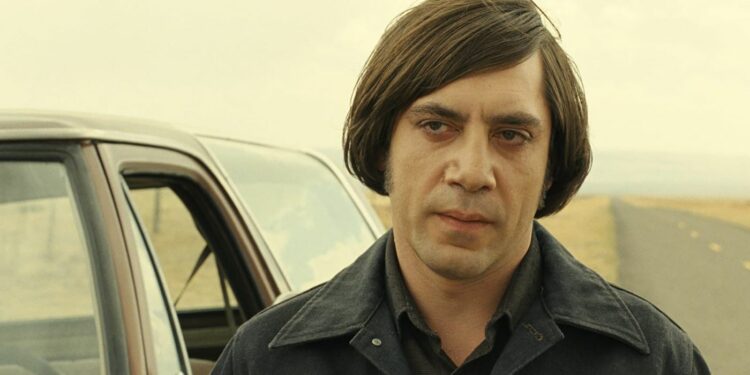
Javier Bardem’s Anton Chigurh in No Country for Old Men is one of the coldest villains ever put on film. The haircut is infamous, but it is the stillness that makes him unforgettable. Bardem plays Chigurh as a force of nature, guided by his own warped logic and a coin flip that decides other people’s fate. There is almost no backstory, yet the character feels mythic.
The role was central to the film’s emergence in discussions of the top 10 movies of the 21st century. For Bardem, it cemented his status as the rare actor who can move fluidly between European art films and major studio projects while maintaining a sense of danger. After Chigurh, any time he appeared on a poster, audiences expected something unpredictable and intense.
6. Rosamund Pike in ‘Gone Girl’
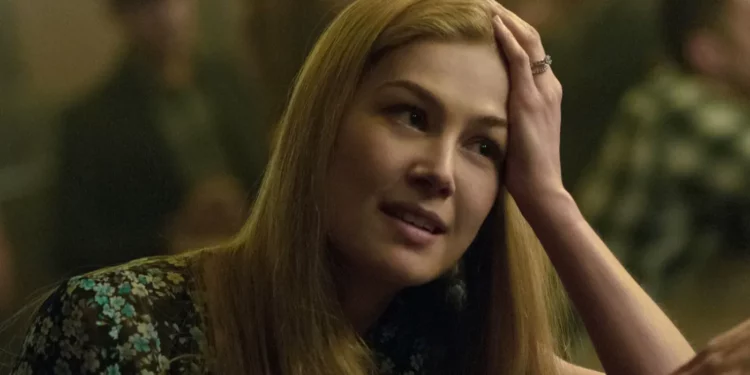
Rosamund Pike had been working steadily for years, often in polite or supporting parts. Her turn as Amy Dunne in Gone Girl turned that perception on its head. Pike constructs Amy as meticulous, calculating, and chillingly self-aware, delivering a performance that is both satirical and genuinely frightening.
That role permanently changed how she was cast. Suddenly, she was in demand for leads that required intelligence, edge, and emotional opacity. Amy joined the modern canon of complex female villains and helped expand conversations around how media frames “difficult” women, especially in psychological thrillers and domestic noir.
7. Anthony Hopkins in ‘The Silence of the Lambs’
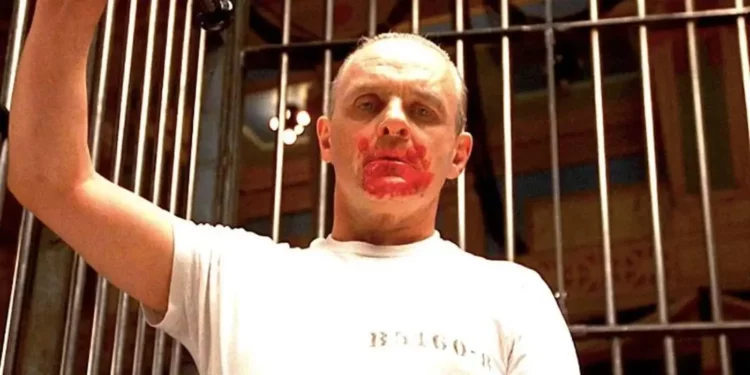
By the time The Silence of the Lambs arrived, Anthony Hopkins was already respected, but Hannibal Lecter elevated him into a different category. With limited screen time, Hopkins creates a villain whose calm voice and precise diction are more unsettling than any outburst. The performance is theatrical yet grounded, leaning into Lecter’s intelligence rather than just his brutality.
Afterward, Hopkins became the go-to reference point for cultured, articulate menace. The character spawned sequels, prequels, and endless imitators. More broadly, it proved that a villain with strong psychological detail could dominate awards season, influencing everything from casting choices to how prestige thrillers were written in the decades that followed.
8. Christian Bale in ‘American Psycho’
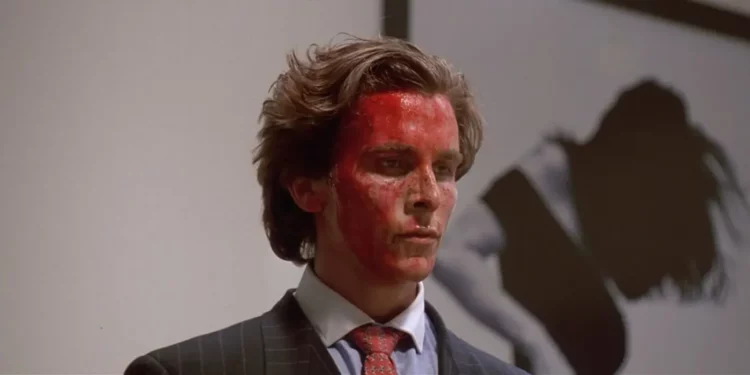
Christian Bale’s Patrick Bateman in American Psycho is a villain built out of surfaces: business cards, suits, skincare routines, and pop-music monologues. Bale walks a razor-thin line between horrifying and hilarious, letting Bateman’s emptiness speak for an entire culture obsessed with status. It is a role that could have collapsed into parody, yet Bale keeps it disturbingly plausible.
This transformation signaled to the industry that Bale was willing to go to extremes, both physically and psychologically. It laid the groundwork for later intensity in his career and placed him alongside performers discussed in pieces about the top 10 actors who earned the most for a single movie, where commitment and risk are part of the myth. Bateman became a reference point for toxic ambition, and Bale became permanently associated with roles that demand total immersion.
Taken together, these villain turns show how a single performance can tilt an entire career onto a new axis. By embracing darkness, ambiguity, and sometimes outright monstrosity, these actors did not just scare audiences. They expanded the range of characters they were trusted to play and influenced the kinds of stories studios were willing to finance. In modern screen culture, a great villain is not just an obstacle for the hero. It is often the clearest proof of an actor’s range, precision, and long-term staying power.
 Follow Us