Being the oldest sibling allows you to be more independent than your brothers and sisters, but you will also have to look after them. And while you might think that after moving out all the cooking and homework will sort themselves out, your parents could have a different expectation.
In this story, for example, the mother asked her 19-year-old son and his girlfriend to care for his eight younger siblings while she was in the hospital giving birth to a new baby.
The girlfriend was very much against this idea. But, because she wasn’t sure whether she was being unreasonable, she decided to ask the internet’s opinion.
Bored Panda sought the expertise of mental health consultant and author Imi Lo. She was kind enough to tell us why parents shouldn’t expect older siblings to care for the younger ones, even if they’re adults. She also explained what repercussions ‘parentification’ can have on children later in their lives.
More info: Eggshell Therapy | Imi Lo
Books: Emotional Sensitivity and Intensity: How to Manage Intense Emotions as a Highly Sensitive Person (Teach Yourself) | The Gift of Intensity: How to Win at Life and Love as a Highly Sensitive and Emotionally Intense Person
Parents often ask their older children to babysit the younger ones
Image credits: Gustavo Fring / pexels (not the actual photo)
But this teenager didn’t think the she and her boyfriend should look after his eight siblings


Image credits: Sarah Chai / pexels (not the actual photo)


Image credits: Ksenia Chernaya / pexels (not the actual photo)
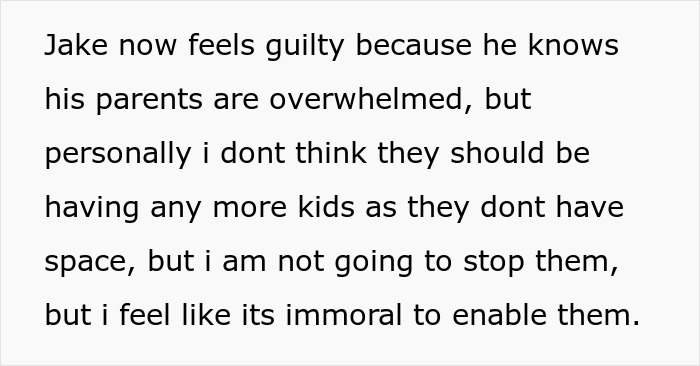

Image credits: Appropriate_Mud206
The teen clarified a few important details in the comments


Asking children to assume the role of the parent is not fair, even when they’re adults
Mental health consultant Imi Lo tells Bored Panda that parents should never assume that their children will help them with childcare. “While it may be common and generally accepted as the norm in some cultures for older siblings to take on significant caregiving duties, this does not make it healthy or appropriate,” she notes.
The biggest problem is when it happens while the older sibling is still a teen. “Even as an older sibling, you are still a child yourself, with your own developmental needs,” Lo explains. “Being tasked with adult-level responsibilities for your siblings is a form of what is known as ‘parentification,’ which can be very harmful.”
According to her, parentification “involves the reversal of roles and boundaries, where a child takes on roles and responsibilities that are not developmentally appropriate and beyond their capacity.”
Why is that a problem, you ask? The parentified child can often feel like the responsibility is too much. In some cases, the children can grow resentful of their younger sibling(s). At the same time, they might develop feelings of guilt because of that resentment. Parentified children also struggle to develop their own identity outside of the family.
Image credits: cottonbro studio / pexels (not the actual photo)
The effects of parentification follow children well into their adulthood
The mental health consultant says that adults who had to care for their younger siblings as children often struggle with certain issues. These can include:
Lo says that sibling relationships can be a great source of love and support. However, she emphasizes that the relationship should develop organically. When parents impose certain roles, there’s a risk the relationship won’t be as fulfilling.
Image credits: RDNE Stock project / pexels (not the actual photo)
Expectations for the adult sibling can strain their relationships
The mental health consultant explains that, in these situations, older siblings might find it difficult to detach from the family and build their own family unit.
“When older siblings are expected to automatically assume caregiving responsibilities, even into adulthood, it can significantly impact their autonomy, identity development, and pursuit of personal goals. Their own needs end up being subordinated to those of the family,” Lo says.
This can put pressure on the adult child’s relationship with their partner, as it possibly did in the woman’s story. Lo says that adult siblings find themselves in a ‘sandwich’ situation, as they’re caught between the needs of both families.
“Spouses and children may feel neglected or second in priority if significant attention is diverted toward the family of origin,” Imi Lo explains. “Conversely, parents and younger siblings may feel abandoned or unsupported if the grown sibling prioritizes their immediate family. These perceptions can lead to resentment and conflict across relationships.”
It can negatively impact the adult couple’s financial situation, too. “Financial support might be expected for younger siblings or aging parents in the family of origin,” Lo admits. “Balancing this while managing the financial needs of one’s own family can strain budgets and heighten tensions within both family units.”
At the end of the day, helping care for younger siblings shouldn’t be an automatically assumed role. “Parents need to be the parents, even if that means making difficult choices, rather than leaning too heavily on their older children. Older siblings have a right to their own lives and identities,” the mental health consultant explains.
Image credits: cottonbro studio / pexels (not the actual photo)
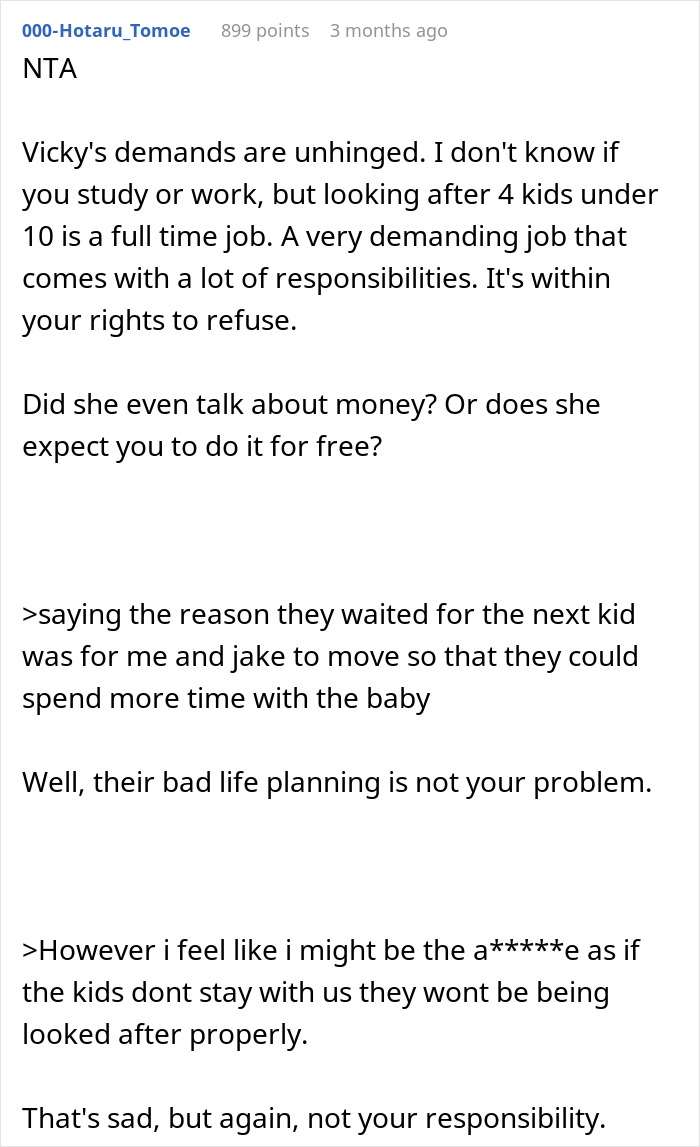
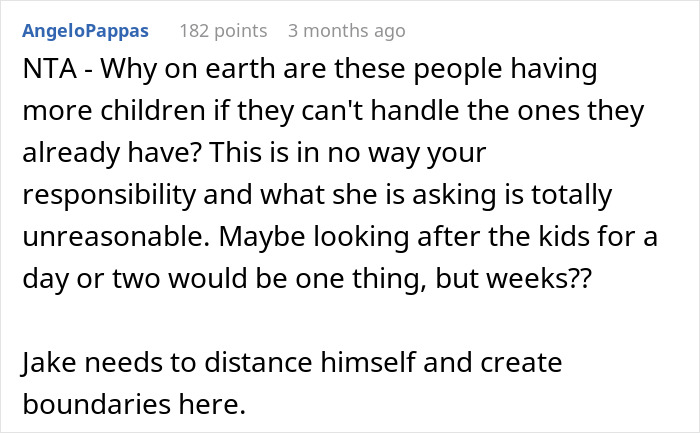
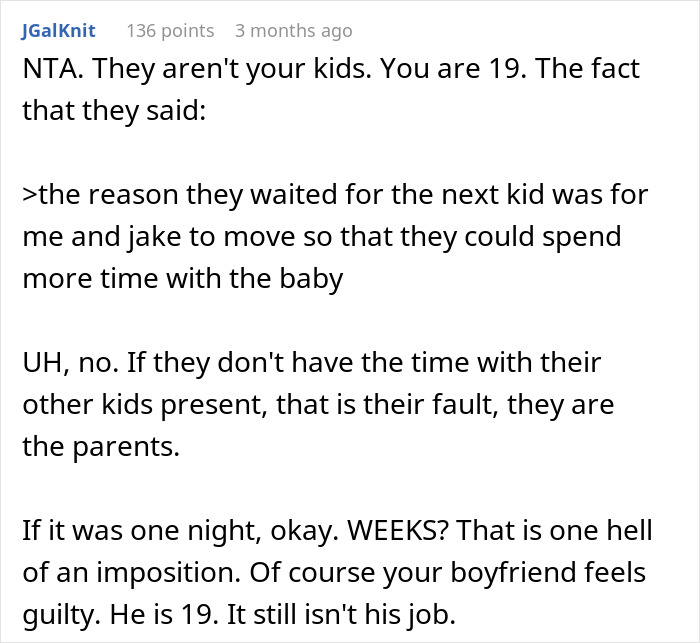
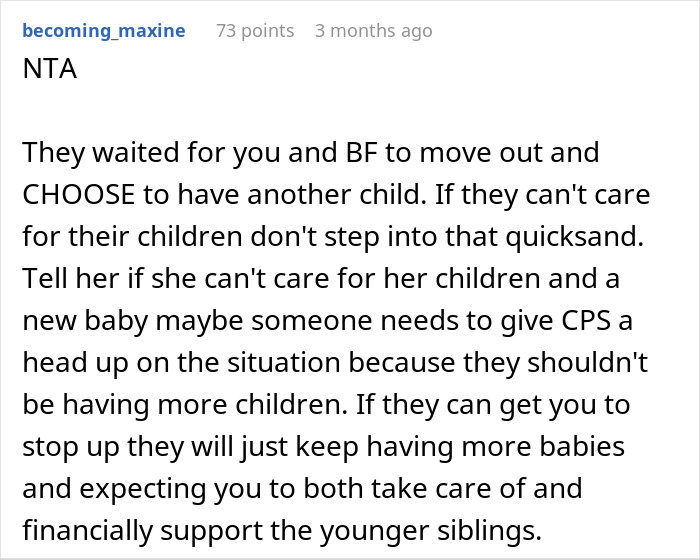
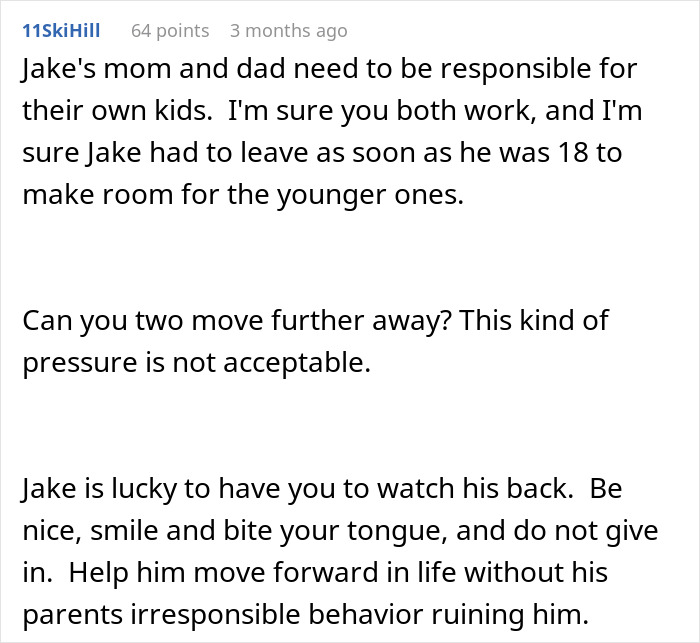
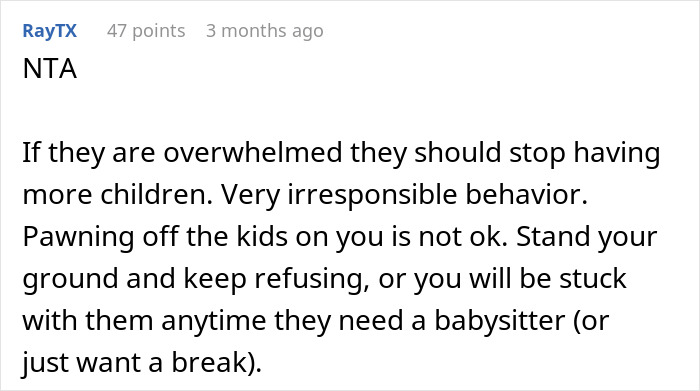
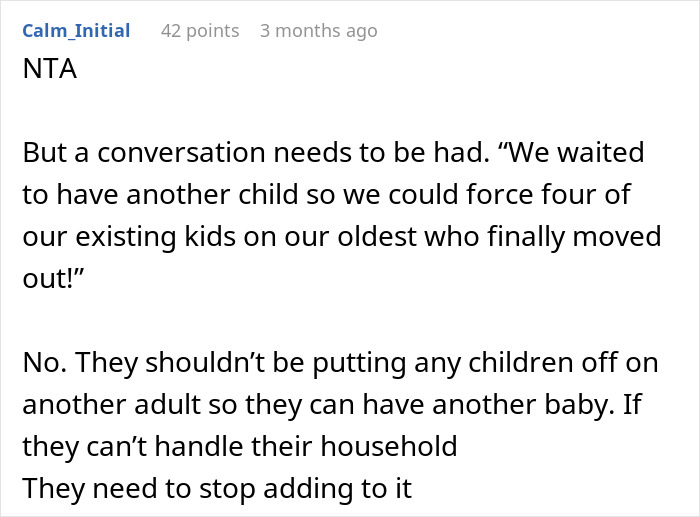
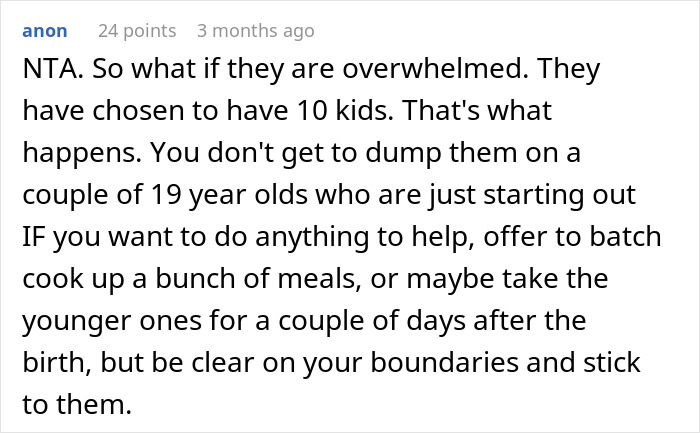
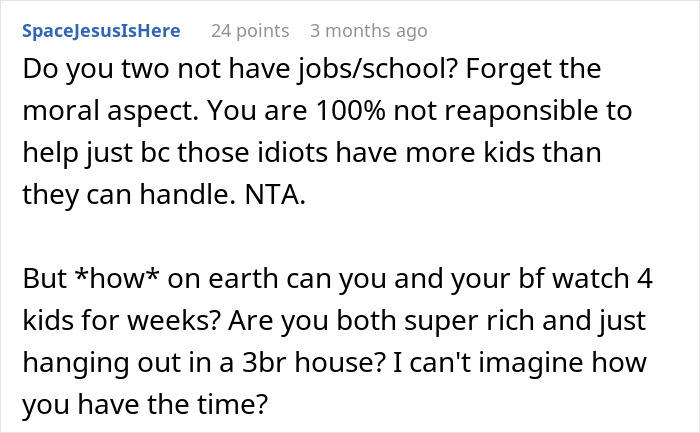
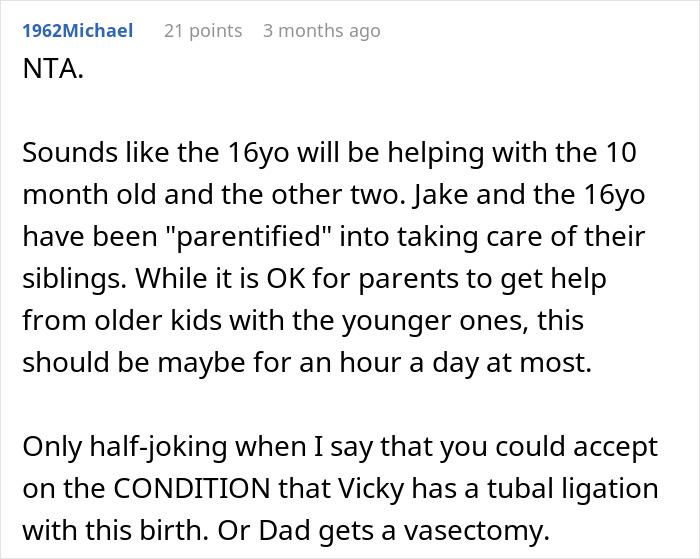
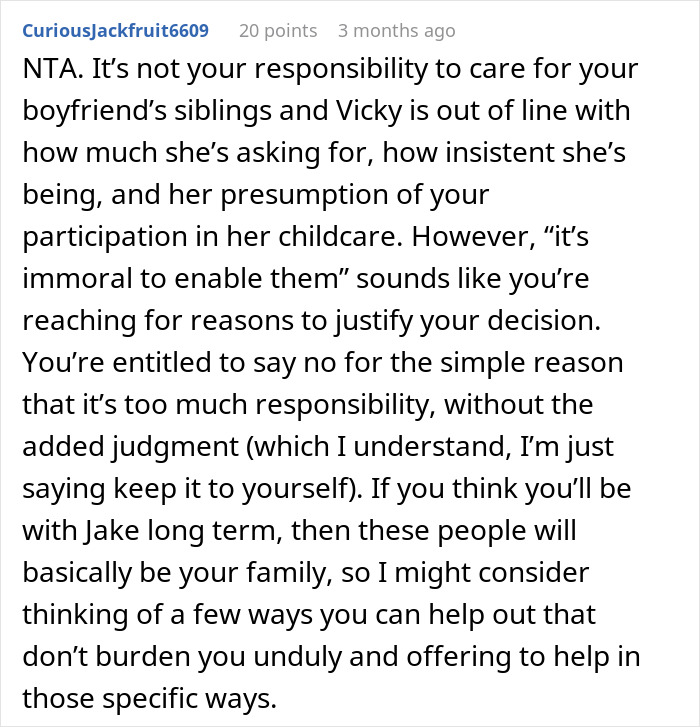
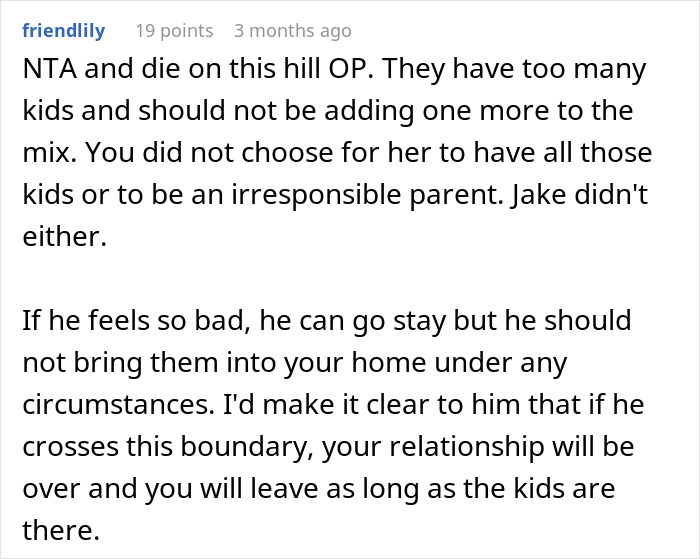
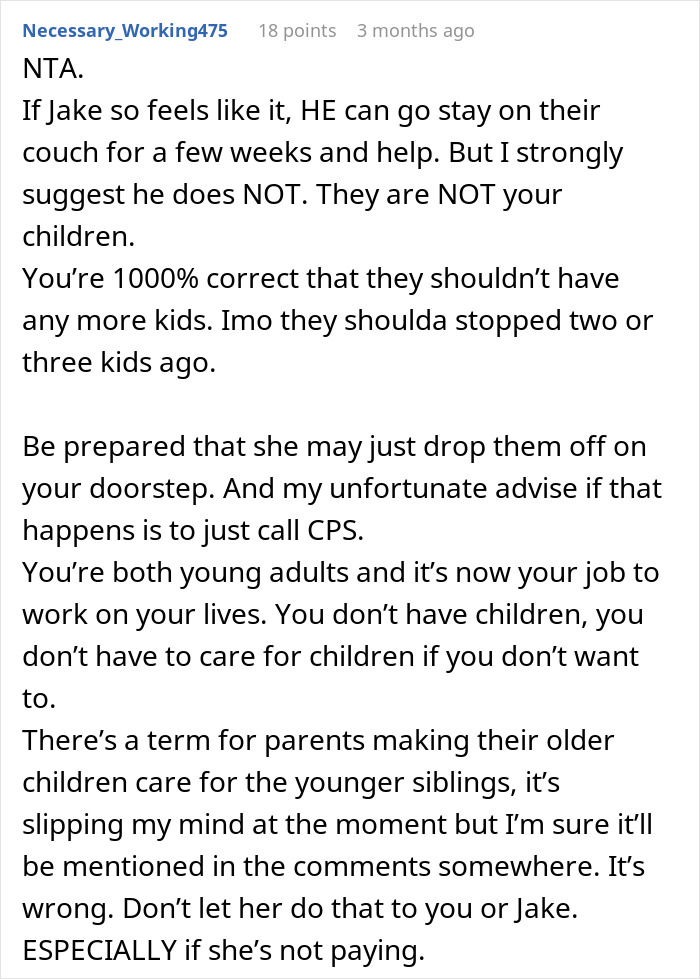
Most netizens supported the author of the post



 Follow Us