Thanksgiving is supposed to be about turkey and possibly awkwardly dodging political debates with your relatives. Still, sometimes it’s less grateful gathering and more of an emotional obstacle course disguised as a holiday.
For today’s Original Poster (OP), this Thanksgiving took a sharp turn when her son refused to hug his grandmother. What came after that was a full-blown debate over respect, autonomy, and the line between teaching manners and teaching fear.
More info: Reddit
Sometimes the lessons we teach our kids land perfectly in our own homes, but completely miss the mark with grandparents
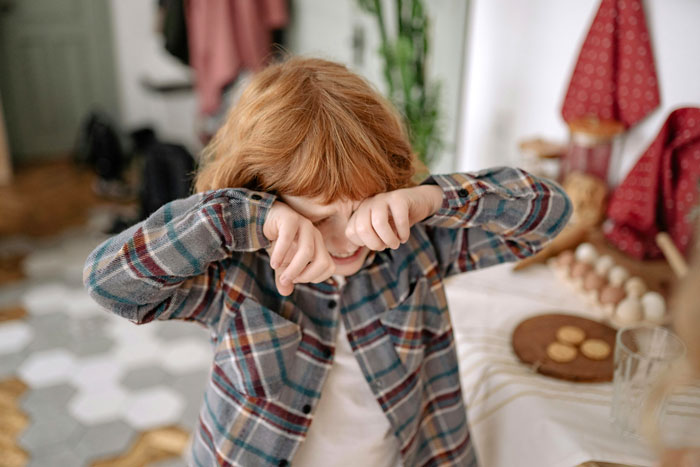
Image credits: Yan Krukau / Pexels (not the actual photo)
The author often taught her kids that they don’t have to give hugs or kisses if they don’t want to, emphasizing bodily autonomy and consent


Image credits: anonymous
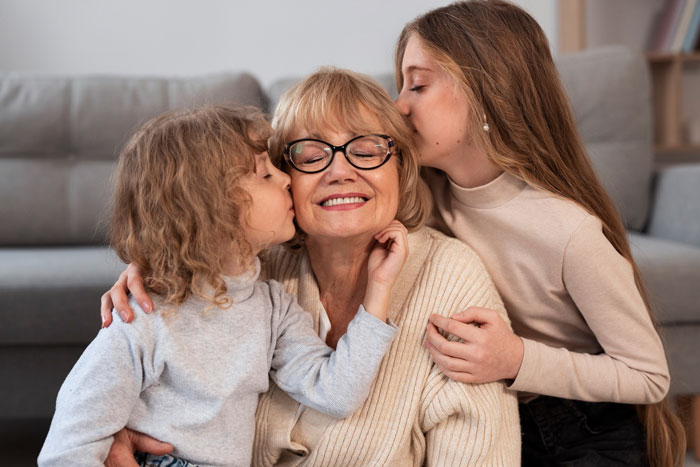
Image credits: freepik / Freepik (not the actual photo)
During Thanksgiving at her mother-in-law and stepfather-in-law’s house, her son chose not to hug the mother-in-law and this upset the stepfather-in-law


Image credits: anonymous
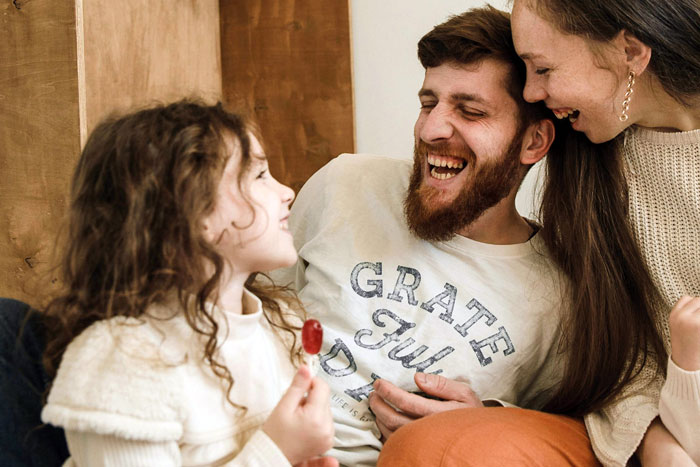
Image credits: Arina Krasnikova / Pexels (not the actual photo)
The stepfather-in-law then had to go to the store for a shallot and returned with candy for all the kids except the son, claiming it’s a “lesson” for his refusal to hug the mother-in-law


Image credits: anonymous
The author immediately shut down the emotional manipulation, returned the candy, and left with her kids after telling her in-laws that they will no longer see her son
The OP started by explaining that she had always taught her kids that they didn’t owe anyone hugs, kisses, or physical contact to spare adults’ feelings. Due to this, her daughter sometimes chose to hug her grandmother out of sympathy, while her son opted out. She also noted that their grandmother wasn’t cruel, but just distant and awkward with kids.
They decided to spend Thanksgiving with the grandmother and step-grandfather, however when they got there, the OP’s son hugged everyone else except the grandmother. The grandfather then tried to guilt-trip her son into giving a hug, but the OP didn’t tolerate that.
At some point during the gathering, the grandfather had to run to the store for a shallot and returned with candy for every child except the OP’s son because he didn’t hug the grandmother. Upset, she asked the grandfather why he excluded her son, to which he responded that he also “owed no one anything” and wasn’t responsible for her son’s feelings.
The OP returned her daughter’s candy, gathered her kids, and left, but not before informing them that they would never see her son again. While her husband argued she was overreacting and should consider generational and cultural differences, she couldn’t shake the feeling of anger that came with a grown man excluding a child to “teach him a lesson”.

Image credits: Michael T / Unsplash (not the actual photo)
Research shows that respecting a child’s autonomy over physical affection is not just polite, but it’s crucial for healthy emotional development. According to Lovevery, allowing children to decline hugs or kisses helps them build self-confidence, autonomy, and strong boundaries, while also teaching bodily consent and emotional regulation.
This approach aligns closely with modern parenting philosophies. Roo Parenting emphasizes open dialogue, consent, and positive reinforcement, aiming to nurture independence and emotional resilience. In contrast, traditional or culturally influenced parenting often prioritizes obligation, strict compliance, and hierarchical authority, which can clash with children’s desire for autonomy.
Simply Psychology notes that guilt trips, passive-aggressive behavior, and emotional coercion can undermine children’s self-esteem, foster resentment, impair communication skills, and strain the relationships with the adults in their lives.
Children exposed to these behaviors may develop low self-esteem, people-pleasing tendencies, and anxiety, struggling to express feelings and set boundaries. In the Thanksgiving scenario, the son being excluded from candy and subjected to a guilt-laden lecture reflects how such dynamics can create emotional distress and undermine trust between children and adults.
Netizens felt the OP’s reaction was extreme, arguing that her children might be mirroring her attitude toward their grandmother. They suggested that the son’s refusal to hug the grandmother wasn’t purely autonomy but also emotional modeling. Others strongly defended the mom’s stance, emphasizing the inappropriate emotional manipulation behind the candy incident.
What do you think about this situation? Was the OP overreacting by banning the grandfather from seeing her son, or was it justified? We would love to know your thoughts!
Netizens felt the stepfather-in-law’s punishment carried an unhealthy message, but they also criticized the author’s reaction was extreme


 Follow Us