Food is one of those things most of us barely think about once it becomes part of our routine. A quick breakfast or a sandwich at lunch can feel completely ordinary, especially when we eat it week after week without giving it much thought.
But after 17 years of operating on people with colon cancer, oncologist Tim Tiutan says he kept noticing something that made him look twice. According to the doctor, around 80% of the patients he operated on regularly ate certain types of processed meat, including sausages, hot dogs, and smoked meats.
The connection between diet and cancer is more complicated than blaming a single food, but research has found clear reasons to pay attention to processed meat. Here’s what the oncologist noticed, what scientists know about these foods, and why the pattern deserves a closer look.
The foods we eat every day can seem harmless, but some familiar choices may carry risks worth knowing about
magnific / Magnific (not the actual photo)

A cancer-care doctor noticed a pattern in his patients and explained why he pays closer attention to processed meat
Dr. Timothy Tiutan works as a hospitalist at the Memorial Sloan Kettering Cancer Center in NYC, where his patients include those admitted with conditions such as heart failure, pneumonia and problems related to cancer. He also acts as an assistant attending physician and his area of specialisation is hospital medicine.
His interest in looking after people who have cancer stems from his background in cancer research. According to Tiutan, oncology hospitalists are able to fill the gap between patients, their cancer care teams and specialists, a role which brings him into contact with people who are dealing with serious illnesses and complex treatments.
Tiutan discussed diet and cancer risk, tackling the issues related to processed meat. Instead of positioning himself as a person who eats no meat at all, he explained the decisions he makes regarding how much processed meat he consumes and the reasons why he keeps an eye on the quantity.
Tiutan stated that he is not a vegetarian, adding that he deliberately reduces the amount of processed meat in his diet. He also referred to evidence which associates higher consumption with a greater cancer risk, thus raising the wider question of what occurs when processed meat becomes a regular part of someone’s diet.

Ahmed / Unsplash (not the actual photo)
Why processed meat raises concerns for cancer researchers
Tiutan’s warning is easier to understand if we consider what is meant by processed meat; sausages, ham, hot dogs, corned beef and beef jerky all belong in this category since the manufacturers preserve or alter them by using salting, curing, fermentation or smoking.
The World Health Organisation has classified processed meat as carcinogenic to humans, showing the strongest association with colorectal cancer. It’s also important to consider how much is consumed; if a person eats 50 grams of processed meat each day this is associated with an estimated 18% higher risk of colorectal cancer.
Now, that figure doesn’t imply that a single serving of bacon or a hot dog will cause cancer, but it is the reason why Tiutan decides to reduce the amount he eats rather than regard all meat products as equally dangerous.
Fifty grams might not mean much until you think about a typical meal. Just a few slices of ham, some breakfast bacon, or a sausage in a sandwich can add up quickly. The real issue is when these foods show up often instead of just once in a while.
Neither the International Agency for Cancer Research nor the WHO gives a specific amount of processed meat that is completely safe. Instead, research shows that the more you eat, the higher your risk becomes. So, cutting back on processed meat is more helpful than trying to find a perfect daily limit with no risk.
Kmpzzz / Magnific (not the actual photo)
What happens when meat is processed or cooked
There is more to the story than just the amount of processed meat that a person eats. Namely, the way that meat changes as a result of processing and cooking. Cooking at high temperatures can lead to the formation of certain compounds known as heterocyclic amines and polycyclic aromatic hydrocarbons.
Grilling, pan-frying and cooking directly over flames all cause these substances to be produced, especially when the temperature is high. The method in which meat is cooked can lead to another issue: when fat and juices drip onto a hot surface or an open flame, smoke carries polycyclic aromatic hydrocarbons back onto the meat.
It is these compounds which offer one possible biological explanation for why researchers continue to look at meat preparation in connection with dietary patterns.
That evidence raises an interesting question though: what happens when someone builds their diet almost entirely around animal foods? The carnivore diet removes fruits, vegetables, grains, and legumes, leaving meat, fish, eggs, and other animal products as its main staples. Its popularity has grown despite limited long-term evidence of its effects.
A 2026 scoping review found only nine human studies examining the diet. It reported possible benefits such as weight loss and greater satiety alongside potential nutritional concerns. Participants could struggle to obtain enough fiber and several micronutrients. Sudies reported higher LDL and total cholesterol. The authors concluded that long-term safety remains unclear.
bublikhaus / Magnific (not the actual photo)
What other foods and dietary exposures raise cancer concerns
Processed meat is not the only food-related exposure attracting attention. IARC classifies Chinese-style salted fish as carcinogenic to humans, and aflatoxins, toxins produced by molds that can contaminate grains and nuts, also fall into this category. These examples show cancer-related dietary risks extend beyond meat.
That does not mean these foods carry the same risk or that eating them once causes cancer. IARC’s classifications show whether an exposure can cause cancer, not the chance that a person will develop the disease after eating it. Dose, frequency, and duration of exposure all matter when translating a hazard into individual risk.
Focusing on overall habits, rather than cutting out specific foods, can make a bigger difference. The World Cancer Research Fund suggests making meals with wholegrains, vegetables, fruit, and beans. They also recommend eating less processed meat, red meat, alcohol, and foods high in fat, salt, and sugar. Staying active and keeping a healthy weight are important parts of this approach too.

emreakkoyun / Magnific (not the actual photo)
This advice matches much of the Mediterranean diet, which focuses on vegetables, fruit, wholegrains, olive oil, fish, and small amounts of meat and dairy. You do not have to be perfect or make big changes all at once. If you are worried about colorectal cancer, you can start by eating more plant foods instead of processed meat, picking less processed options, and staying active.
There is no single food that determines whether someone will develop cancer, but our everyday habits still matter. We do not need an extreme diet to make better choices; eating less processed meat, adding more vegetables and wholegrains, staying active, and paying attention to what regularly ends up on our plates can be a simple place to start.
What do you think about Dr. Tiutan’s approach to processed meat? Would you change any of your eating habits after reading this? Share your thoughts in the comments!
The more science advances, the more we discover the reaction and effects our food has in our bodies
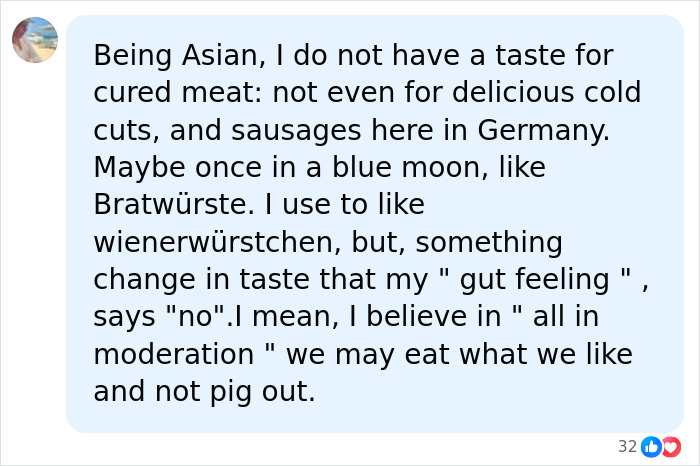
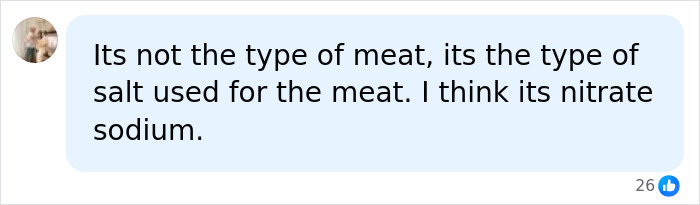
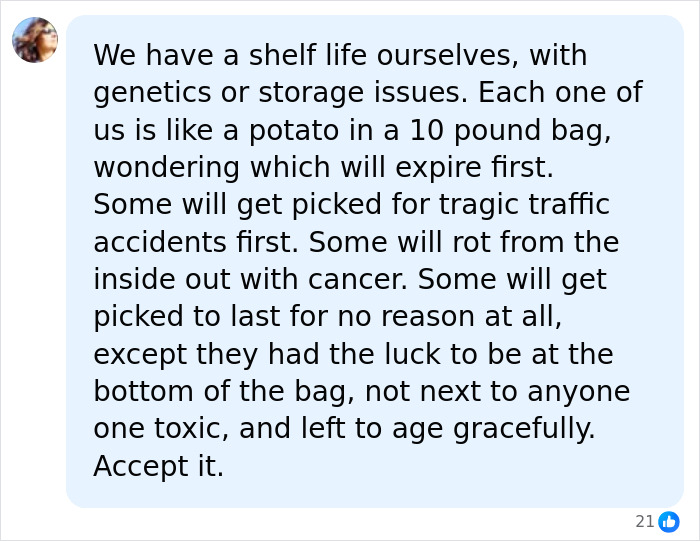
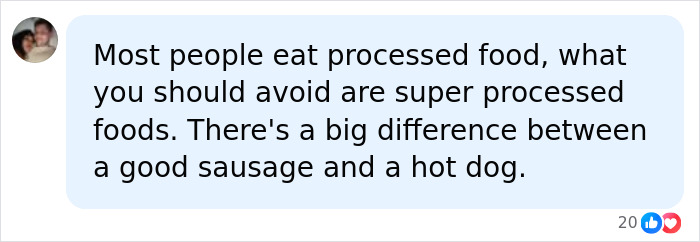
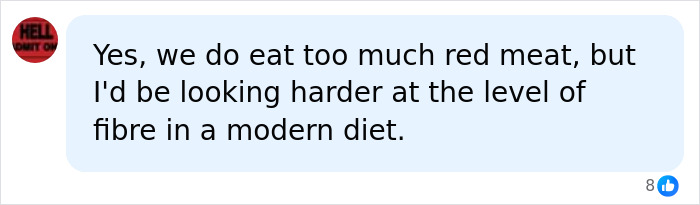
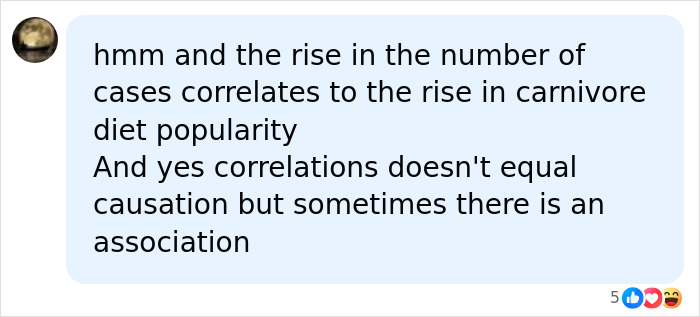
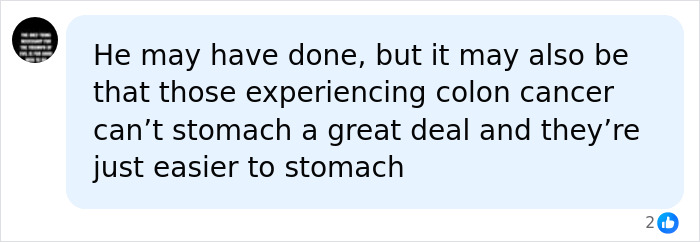
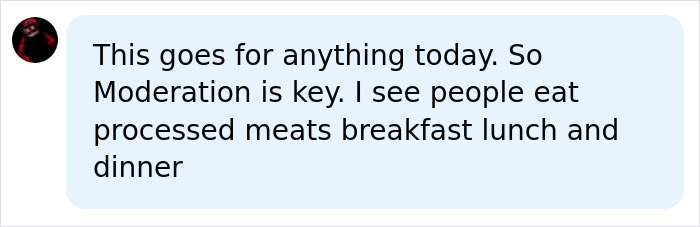
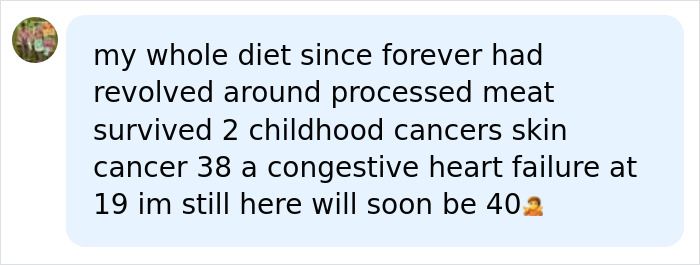
Some readers questioned the idea of avoiding familiar foods, while others felt the doctor’s warning was worth considering






 Follow Us