A short video showing a mom trying to “clean” M&M’s before giving them to her child has gone viral, but not for the reason she likely expected. In the clip, she can be seen washing the candy to remove its outer coating before serving it, seemingly trying to avoid artificial dyes.
However, it’s the child’s reaction and the internet’s response that quickly turned the moment into a talking point, with viewers questioning both the idea and the result.
“Just don’t buy them at all. Why would you do this?” wrote one user.
A mom’s hack to remove candy dye left viewers confused
Image credits: Robert Anasch/Unsplash
In the now-viral video, the mom placed M&M’s under running water, rubbing off their colorful shells until they turned into plain, dull-looking chocolate pieces.
She then offered the washed candy to her daughter, who appeared visibly confused as she picked it up. Her reaction, hesitant and slightly shocked, became one of the most talked-about parts of the clip.
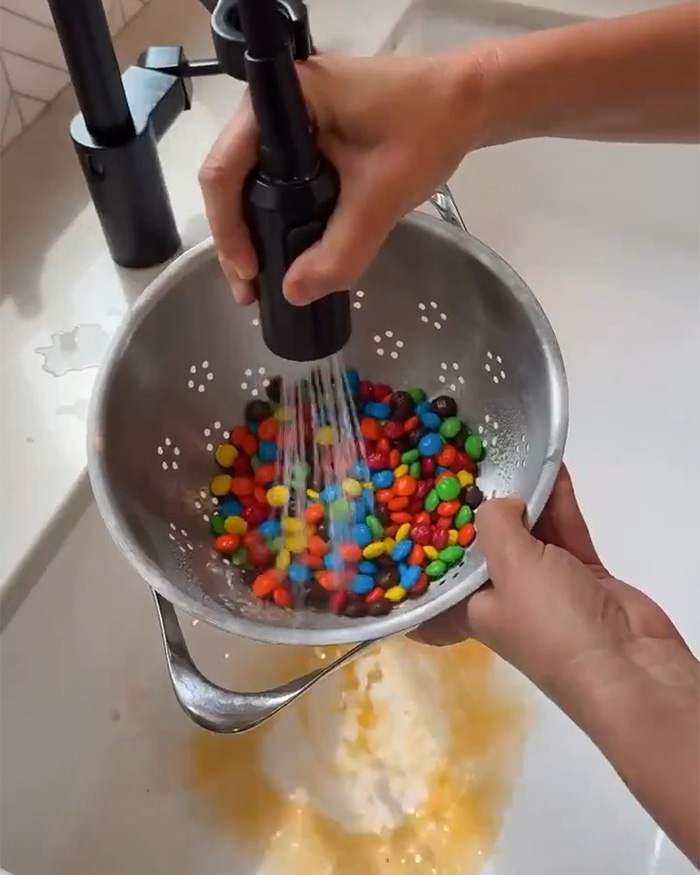
Image credits: Motherhoodspx/X
“This face screams disappointment,” one viewer wrote, pointing to the child’s expression.
Another added, “Mom out here giving M&Ms the full car wash treatment… while the kids watch their candy dissolve into sad little brown blobs.”
Why don’t you buy organic ones? If you really cared for your children.”
Some also pointed out that washing the candy didn’t exactly improve it. “Why not just skip it altogether?” one comment read.
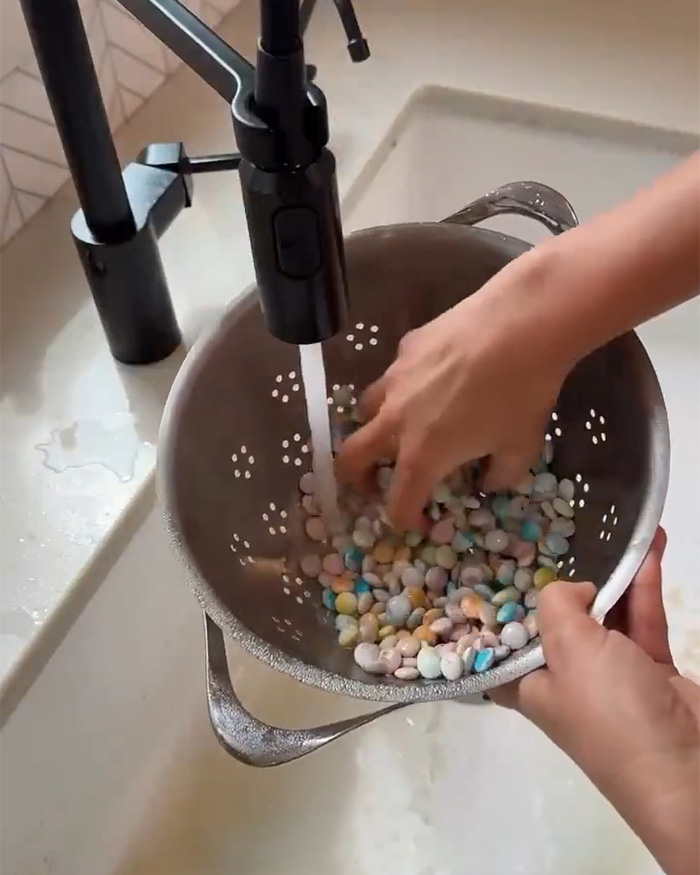
Image credits: Motherhoodspx/X
Many people also questioned the purpose of the hack.
“What is the purpose here? If it’s unhealthy, it’s completely unhealthy,” one comment read. Another said, “Why not just get chocolate chips?”
Others took a more direct approach. “You know you could just… not buy shit foods?” one user wrote, while another added, “Out with the Red 40 and in with the Sad 40.”
What is Red 40, and why are people trying to avoid it?

Image credits: LizZilaesa
Image credits: moneymovesmel
The idea behind the video appeared to be avoiding Red 40, one of the most commonly used artificial food dyes in the U.S., per CBS News.
Also known as Allura Red AC, it’s a synthetic dye derived from petroleum and has been used in processed foods since the 1970s. It’s found in a wide range of products, including candies, cereals, drinks, and even some items that don’t appear brightly colored.
The controversy around Red 40 largely comes from studies suggesting it may be linked to behavioral changes, including hyperactivity in some children. While these findings have raised concerns, U.S. regulators have not banned the dye, stating that current evidence does not prove a direct cause.

Image credits: Motherhoodspx/X
However, other regions have taken a more cautious approach. In parts of Europe, products containing certain synthetic dyes, including Red 40, are required to carry warning labels about potential effects on children’s activity and attention.
At the same time, avoiding it entirely can be difficult.
According to the U.S. Department of Agriculture and nonprofit Environmental Working Group, dyes like Red 40 appear in thousands of everyday products, and the only reliable way to identify them is by checking ingredient labels.
M&M colors and the long history behind them

Image credits: SirLicksaTwat

Image credits: OmegaExalted
Concerns about food coloring in candy aren’t new, and M&M’s themselves have a long history tied to color changes.
When the candy was first introduced in 1941, it came in a limited set of colors, including red, yellow, green, violet, and brown, per The National WWII Museum. Over time, those colors shifted based on both marketing decisions and public concerns.
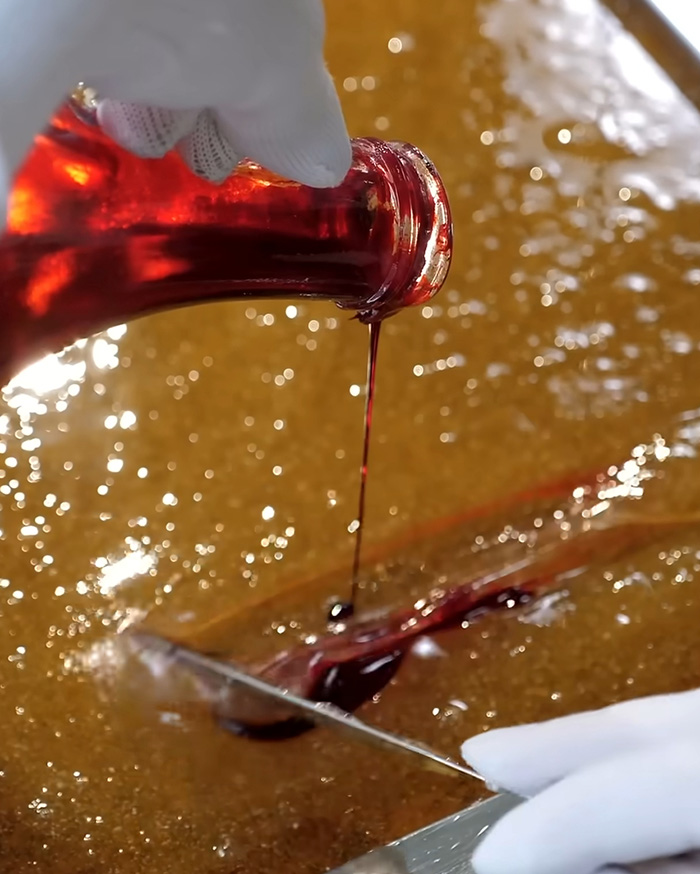
Image credits: Business Insider
In 1976, Mars removed red M&M’s altogether, not because of Red 40, but due to fears around a different dye, Red No. 2, which had been flagged as a potential carcinogen. Even though M&M’s didn’t actually use that dye, the company made the change to avoid consumer worry.
Red M&M’s eventually returned in 1987 after public demand, becoming one of the brand’s most recognizable colors again.
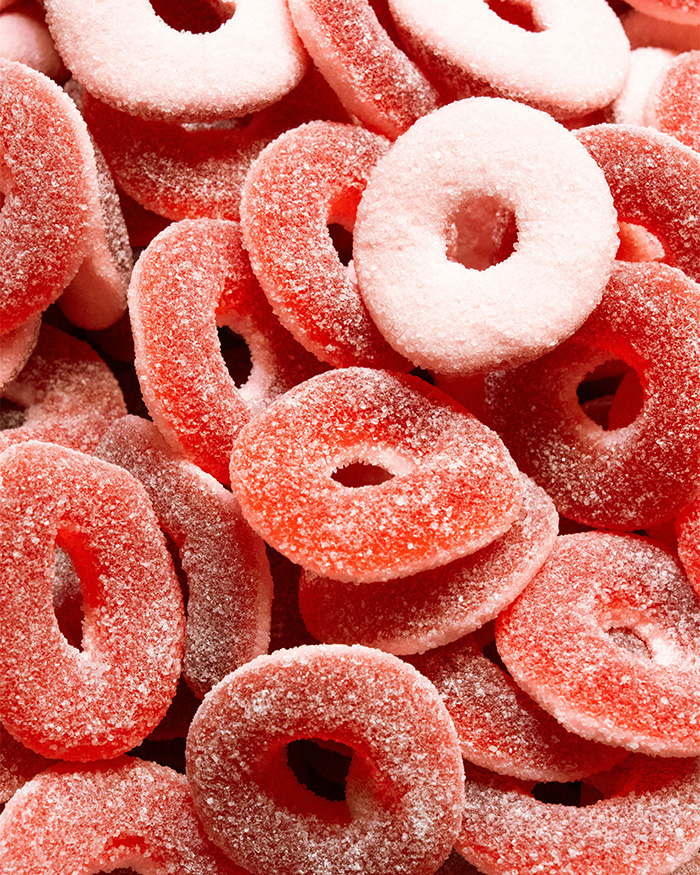
Image credits: Şeyhmus Kino/Pexels
Since then, the brand has continued to experiment with colors, even letting consumers vote on new additions. Blue M&M’s, for example, were introduced in 1995 after a public campaign, showing how something as simple as candy color can spark strong reactions.
“You just had to make me mad,” wrote one user

Image credits: ericlister
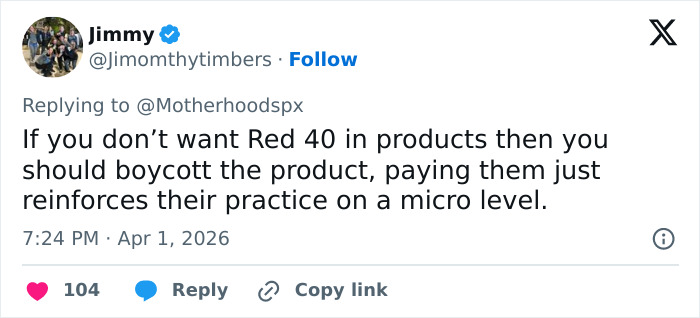
Image credits: Jimomthytimbers

Image credits: Dm1173Kumpas

Image credits: MdingiAthi
Image credits: Raiderfan50

Image credits: APostOfPositive

Image credits: Think_StarWars
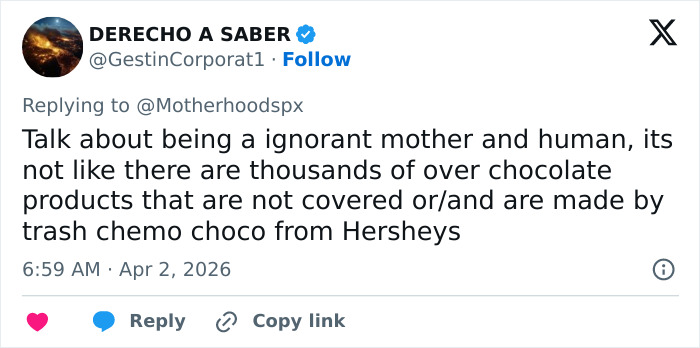
Image credits: GestinCorporat1
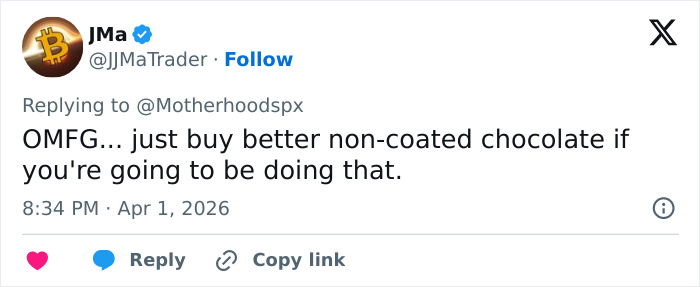
Image credits: JJMaTrader
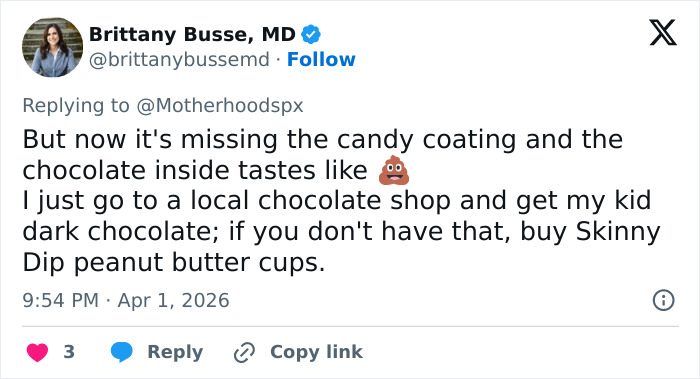
Image credits: brittanybussemd

Image credits: TheDoCofIT

Image credits: Realadonize

Image credits: AkiangLoveth

Image credits: cooknem0

Image credits: JawnUnfiltered
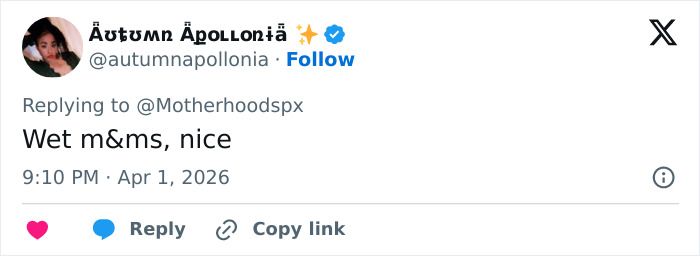
Image credits: autumnapollonia

Image credits: AldemartV
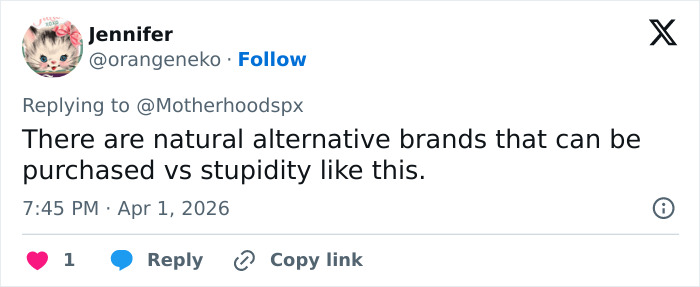
Image credits: orangeneko

Image credits: Birdietweets16

Image credits: PawsBrokYoHeart

Image credits: JadeJMA
 Follow Us