A tweet claiming men are refusing to date women with “hip dips” is gaining traction on social media, leading to discussions about people who have extremely specific “types.”
Having a romantic type such as the classic “tall, dark, and handsome” or a preference for redheads is nothing new.
Beyond broad preferences like height or hair color, social media has amplified how worryingly specific some dating “must-haves” can be.

Image credits: Hrant Khachatryan/Unsplash (Not the actual photo)
An expert has since weighed in on these very niche “types” and whether they have any connection to society’s beauty standards.
Posted by @BrianAtlas, the message at the center of controversy reads, “Hiplet trend of men refusing to date women with hip dips is INFURIATING women. If it’s okay for women to have a height preference, it’s okay for men to prefer to date women without hip dips.”
“Y’all are just making up stuff to dehumanize women,” one woman replied under the X post, which has amassed 6 million views.

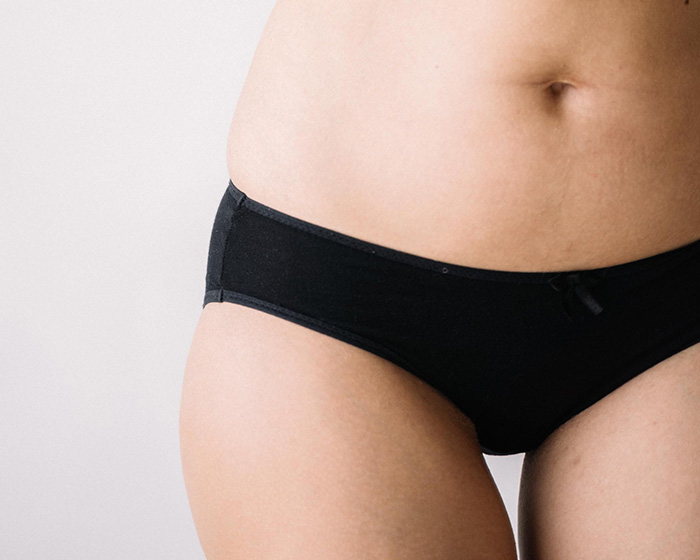
Image credits: Anna Tarazevich/Pexels (Not the actual photo)
“Men are allowed to have preferences, that’s not dehumanizing. Would you date a man shorter than you?” @BrianAtlas countered.
“I think these men are looking for excuses to not date women,” someone else wrote, while another asked, “Wait, hips are bad now?”
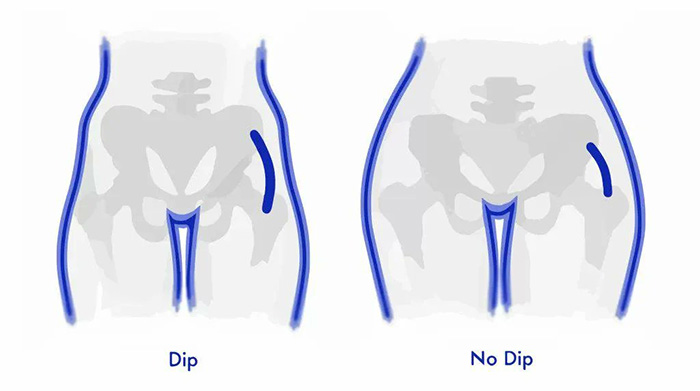
Image credits: BrianAtlas/X
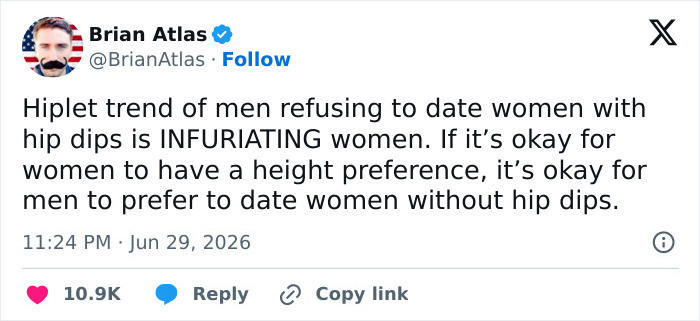
Image credits: BrianAtlas
Though some people may describe their ideal partner with a checklist of physical traits, experts say real-life connections don’t always work that way.
Denise Marigold, a professor of Interpersonal Relations and Social Psychology at the University of Waterloo, shared that people’s romantic preferences are often more complex than they appear.
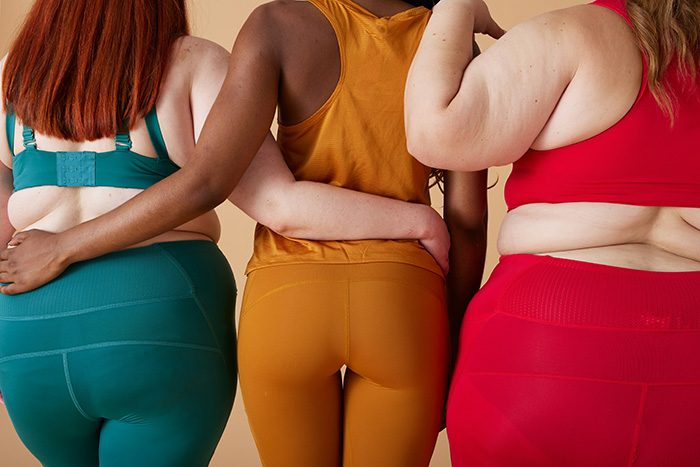
Image credits: Leire Cavia/Unsplash (Not the actual photo)
“People typically rate physical attractiveness as significant in selecting a mate, and there are some universals. For instance, we tend to find more symmetrical faces more attractive,” she told Bored Panda.
“But to a large extent, beauty is in the eye of the beholder. Moreover, when we get to know and like someone on a deeper level, we often begin to find them more physically attractive.”
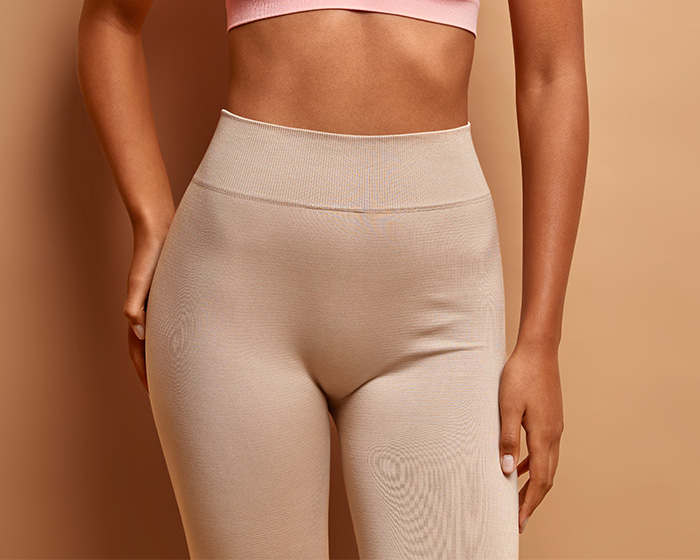
Image credits: WHstudio Leushin N/Adobe Stock (Not the actual photo)
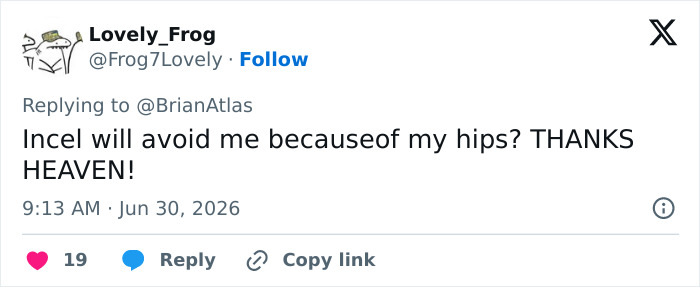
Image credits: Frog7Lovely
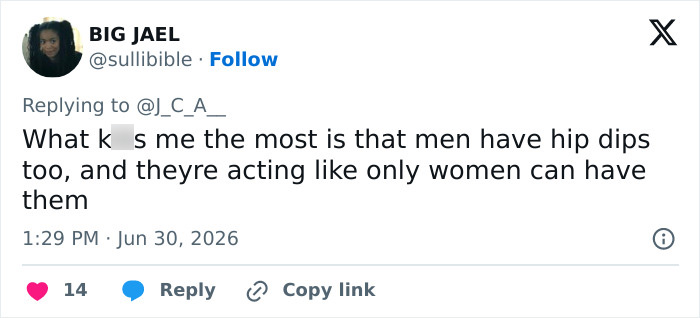
Image credits: sullibible
Asked about preferences for very specific features such as hip dips, Marigold said these ideals are influenced by both personal attraction and cultural beauty standards.
However, she stressed that there is an important difference between someone’s “ideal” partner and the people they are actually attracted to in real life.
She said that when we strike a connection with someone, that mental checklist is often thrown out the window.

Image credits: zorandim75/Adobe Stock (Not the actual photo)
Marigold added that social media can reinforce unrealistic beauty ideals, but in recent years, it has also provided a space for people to accept themselves for who they are and question those narrow definitions of beauty.
“There is lots of social media promoting idealized versions of bodies, but there are also lots promoting body positivity/acceptance, reminding us that health comes in many shapes and sizes and our bodies don’t determine our worth.”

Image credits: bnenin/Adobe Stock (Not the actual photo)
Moreover, the expert noted that our dating preferences, whether for physical traits or personality, are influenced by our perceptions of what can and cannot be changed.
“There is some debate about what you can control – for example, some people believe body shape is more controllable than it is. And some ‘personal choices’ may actually be less controllable than we believe.
“Those underlying beliefs are significant in how we judge people, and determine whether they would make a good partner or not.”
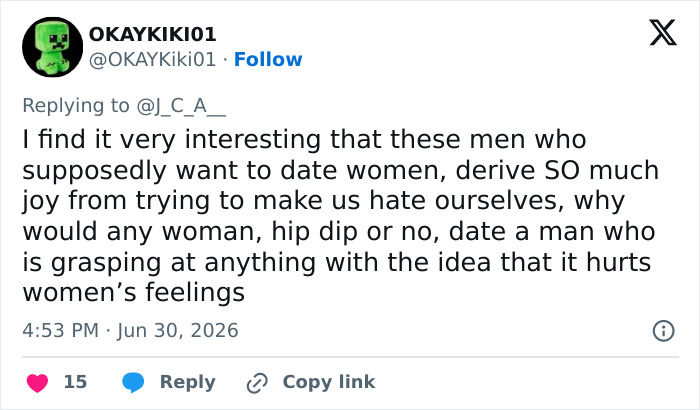
Image credits: OKAYKiki01
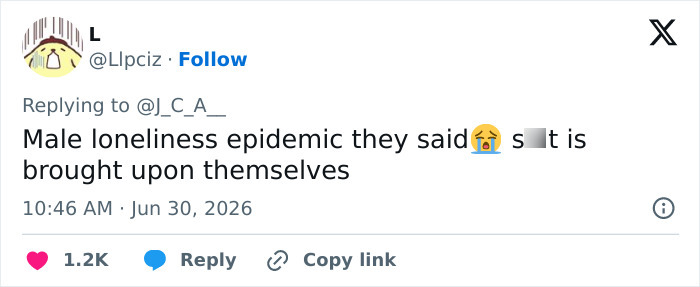
Image credits: Llpciz
Ultimately, Marigold argued that highly specific physical preferences do little to predict relationship success.
Instead of focusing on whether someone is tall or short, has a specific hair color, or has a particular body shape, people should consider the deeper qualities that matter most in lasting relationships.
“Most of what determines relationship satisfaction over the long-term cannot be determined by a static list of qualities,” Marigold stressed. “What’s more important is how we communicate, provide care and support, and weather stresses and transitions.”

Image credits: Drobot Dean/Adobe Stock (Not the actual photo)
While some flaws such as lying and aggressive behavior are definite red flags, science suggests that minor flaws are not true deal-breakers when you genuinely like someone.
In a 1990s study cited by the UC Davis psychologist Paul Eastwick, the longest-lasting relationships were those in which people justified their partner’s faults with “yes, but” statements, such as, “She is messy, but I wouldn’t ask her to give up her free-spirited ways for anything.”
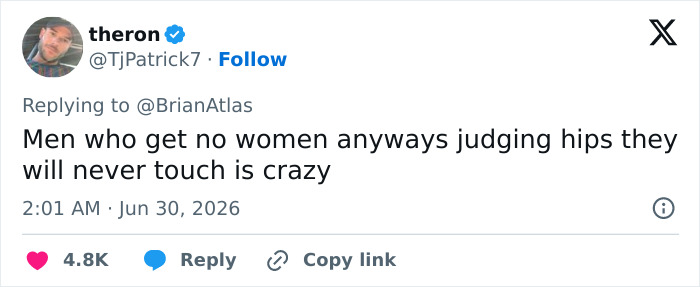
Image credits: TjPatrick7
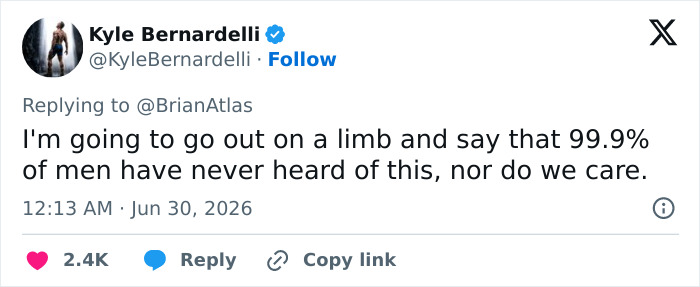
Image credits: KyleBernardelli
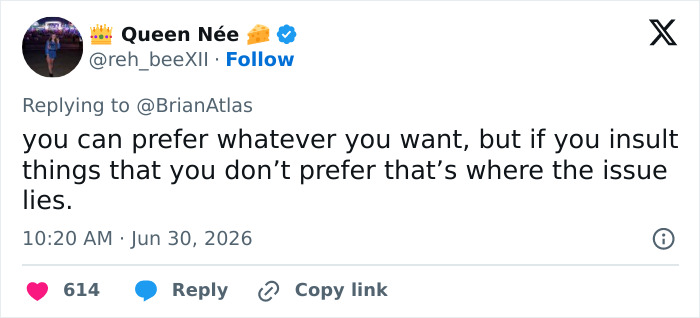
Image credits: reh_beeXII
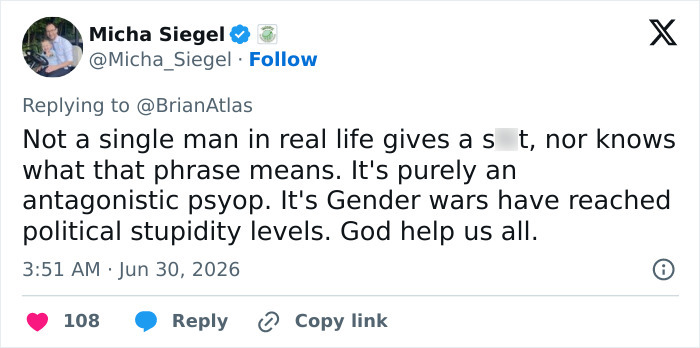
Image credits: Micha_Siegel
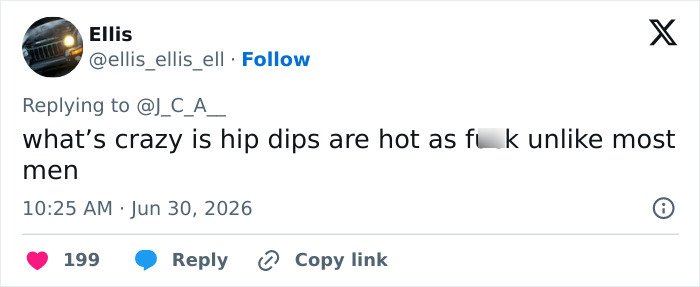
Image credits: ellis_ellis_ell
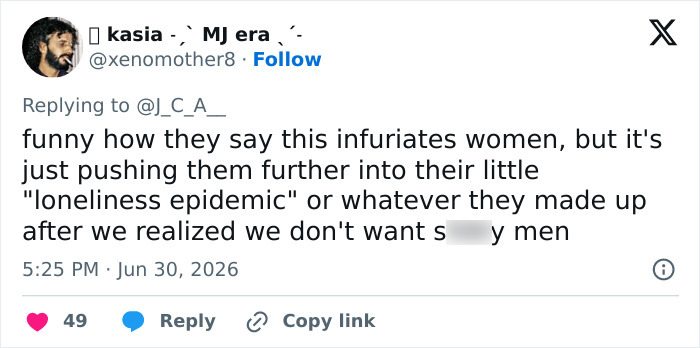
Image credits: xenomother8
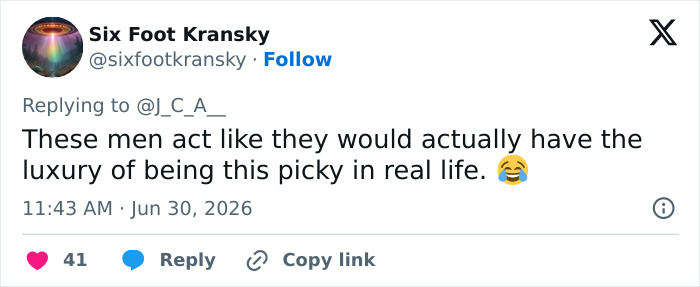
Image credits: sixfootkransky
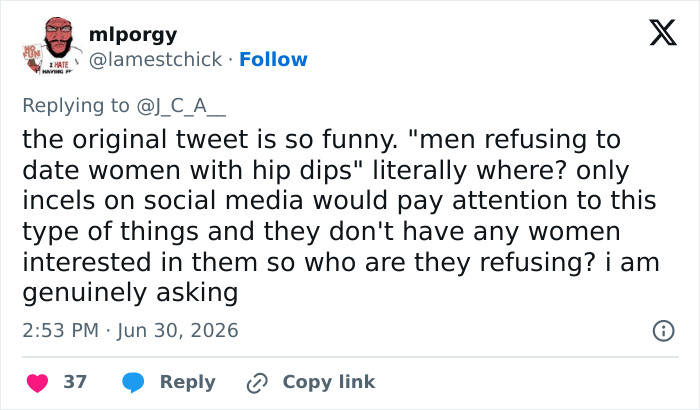
Image credits: lamestchick
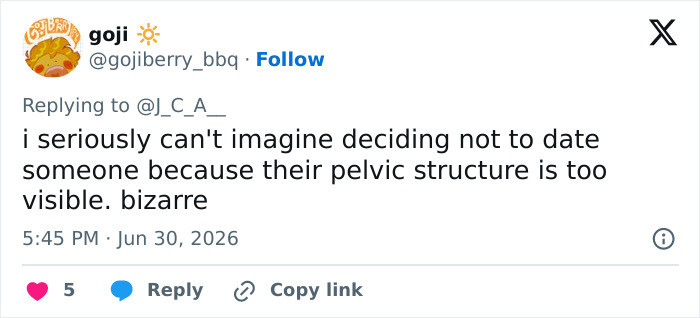
Image credits: gojiberry_bbq
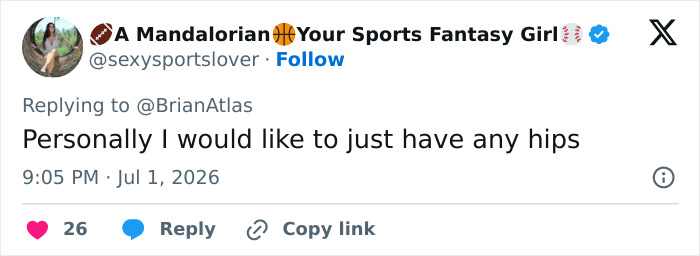
Image credits: sexysportslover
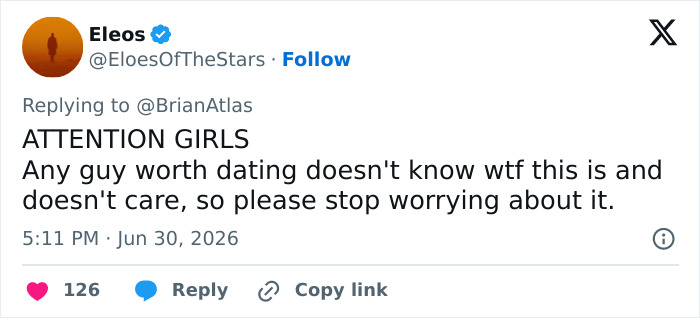
Image credits: EloesOfTheStars
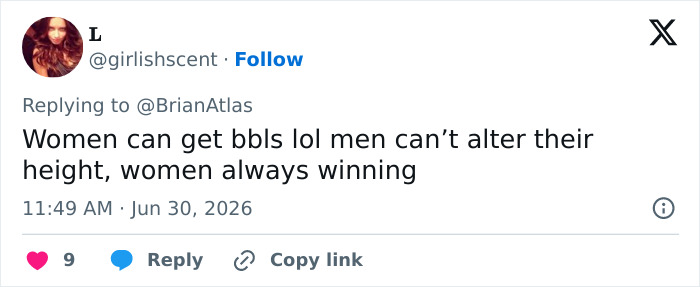
Image credits: girlishscent
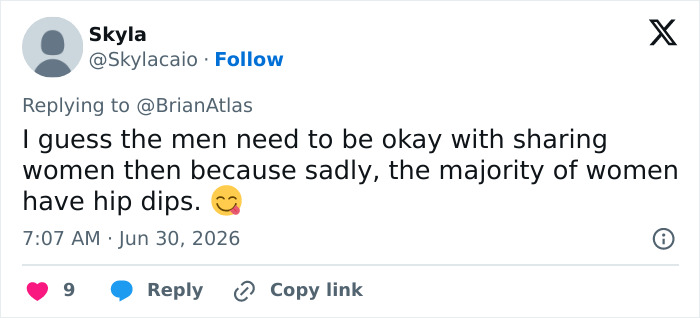
Image credits: Skylacaio
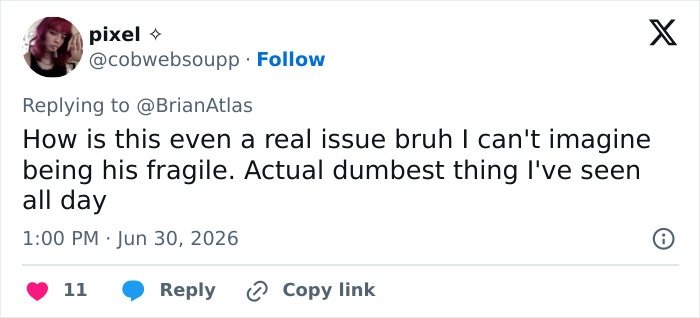
Image credits: cobwebsoupp
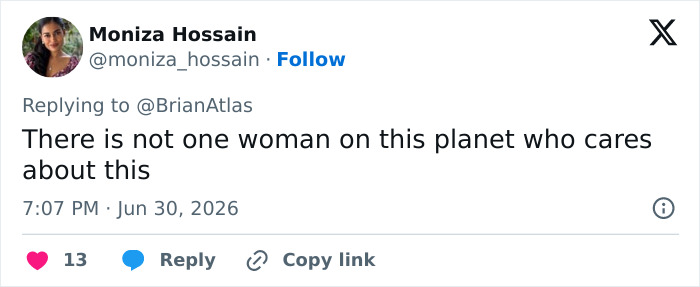
Image credits: moniza_hossain
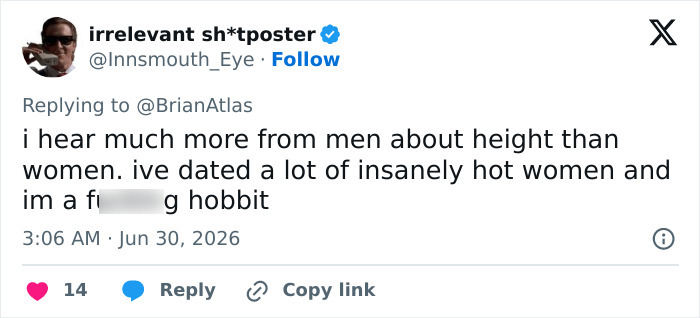
Image credits: Innsmouth_Eye
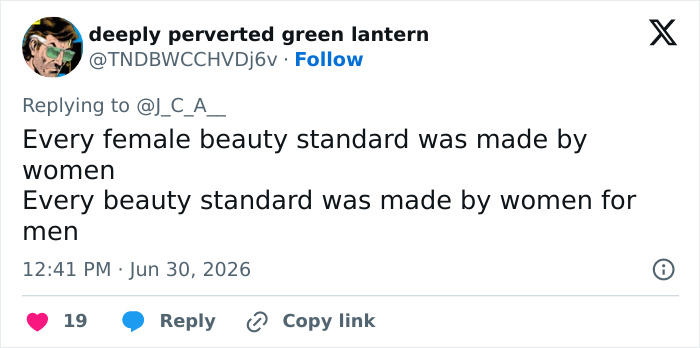
Image credits: TNDBWCCHVDj6v
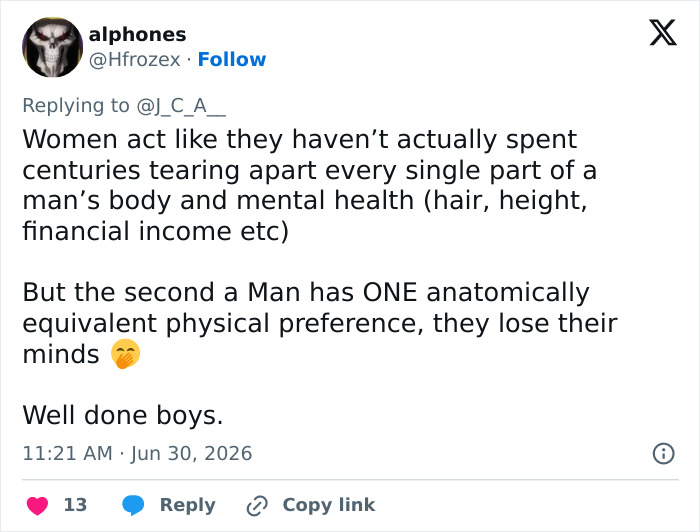
Image credits: Hfrozex
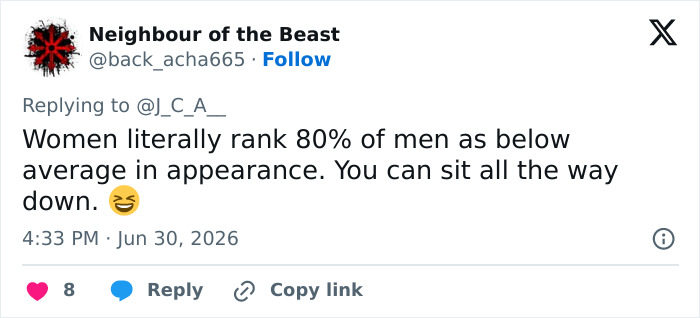
Image credits: back_acha665
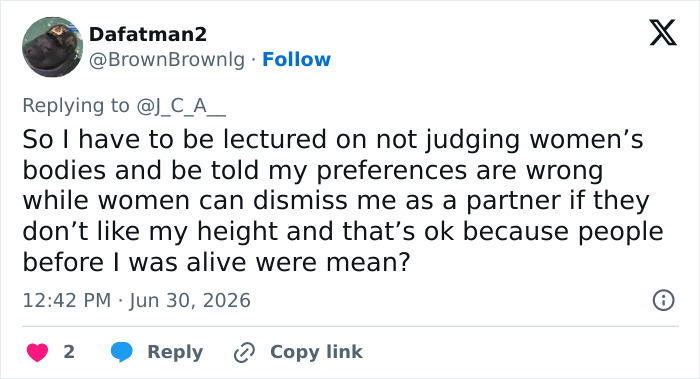
Image credits: BrownBrownlg
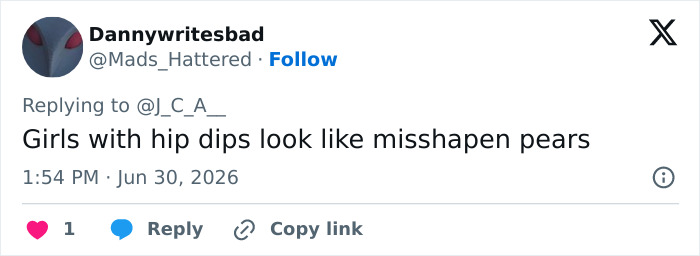
Image credits: Mads_Hattered
 Follow Us