Looking at old photographs is always interesting. Just one picture can transport us to another era, introduce us to unfamiliar faces, or reveal parts of the world we never imagined. Often, it’s the little details that catch our eye and make us pause.
History is filled with amazing moments that aren’t always found in textbooks. These photos show everything from surprised celebrities and odd daily life to lost traditions, big events, and places that look completely different today. They give us a peek at how much life has changed.
Get ready to take a trip down memory lane. We’ve put together a set of interesting historical photos that show surprising moments, memorable people, and unique details from the past. Take a look and see which ones catch you off guard!
#1
Women’s rooftop “boxing club”, LA 1938. Colorized
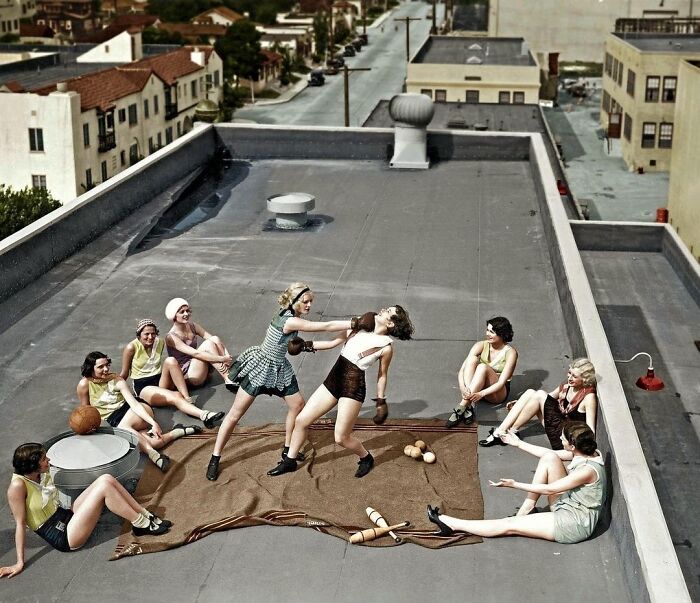
Image source: historyonly

#2
Cincinnati main library. It was demolished in 1955.
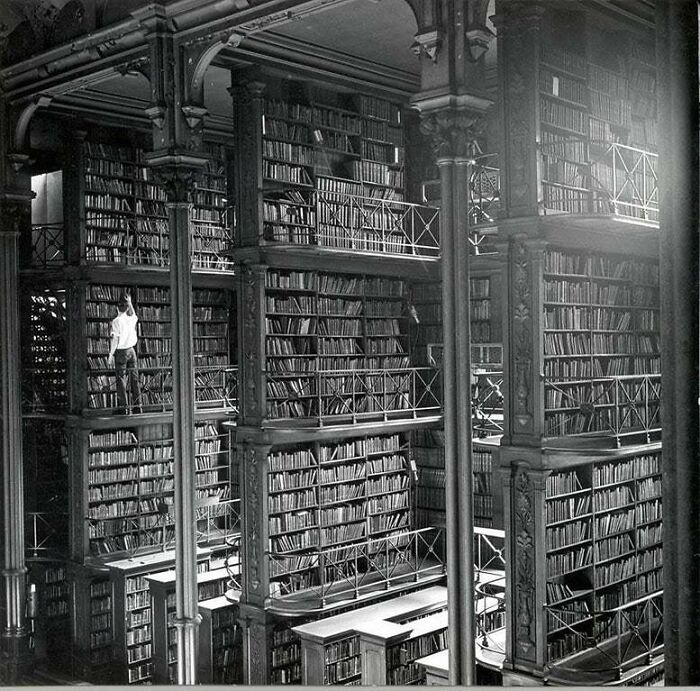
Image source: historyonly
Historical photographs show a side of the past that history books often miss. Old photographs offer more than a glimpse of what people looked like decades ago. They let us see how families lived, what people wore, how they worked, and how communities came together.
A photo of a family eating dinner or teenagers walking on a busy street can show us things that traditional history accounts might miss. These everyday moments help us understand the past through the lives of regular people.
The National Archives uses photos from different times, like Victorian and post-war Britain, to learn about family life, communities, and how social habits changed. By studying these images, we can find details that dates, political events, and history books often miss.
#3
A snapshot of fashion history, 1950s.
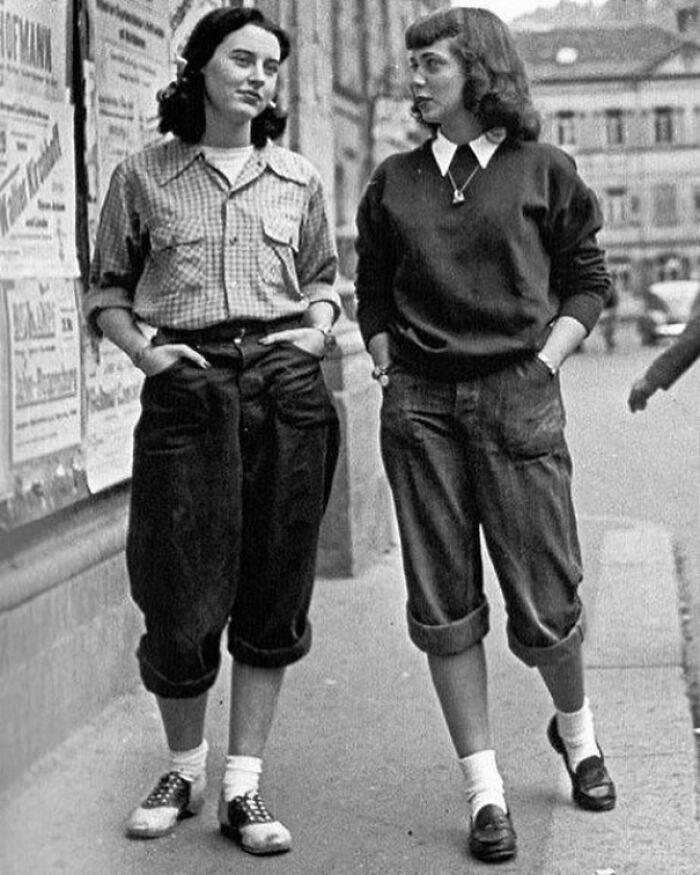
Image source: historyonly
#4
“Baby cages” were window-mounted playpens that were once used for apartments to ensure babies get fresh air, 1937.
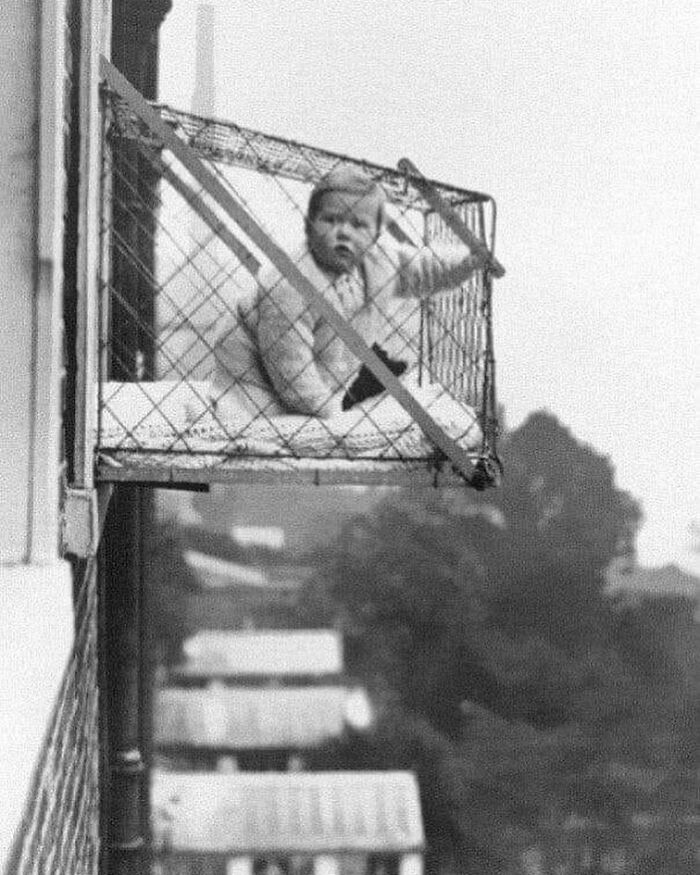
Image source: historyonly
Ever wondered why old photographs make us feel nostalgic for times we never experienced? Sometimes, looking at these everyday scenes brings out an unexpected feeling: nostalgia. People can develop a sentimental attachment to decades they never experienced firsthand, a phenomenon psychologists call historical or social nostalgia.
A photo of a 1960s living room, an old diner, or a busy city street can make a time we never knew feel oddly comforting. Still, this feeling doesn’t always match what life was really like back then,
People who feel nostalgic for times they never lived in often see those eras through rose-colored glasses. They focus on the good parts and forget the challenges people faced. Movies, photos, music, and stories all help create this idealized view of the past.
#5
One of the first underwater photographs, taken by French marine biologist Louis Boutan in 1893.
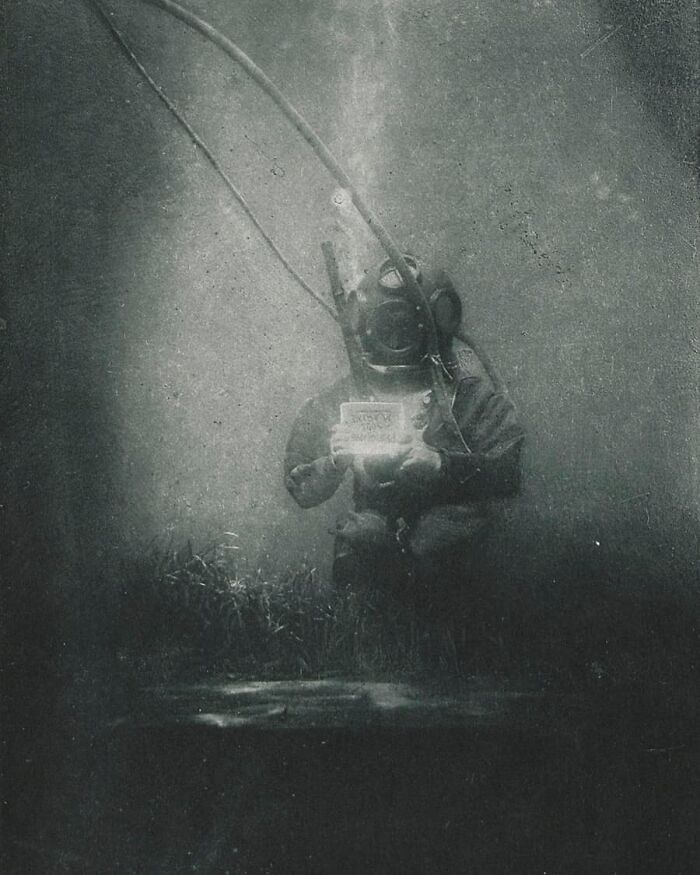
Image source: historyonly
#6
(1942). New York City. Third Avenue elevated railway at 18th Street. Photo by Marjory Collins.
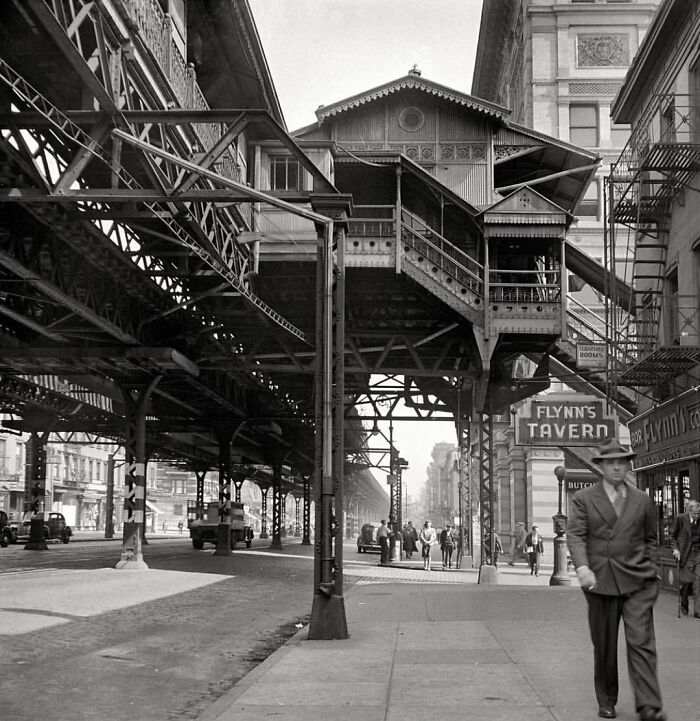
Image source: historyonly
That emotional connection with the past becomes even more powerful when a photograph captures a moment of human suffering. Reading about a humanitarian crisis involving thousands can feel distant, but seeing one person affected makes it much harder to ignore. One image can give a huge event a human face.
The iconic photo of three-year-old Syrian refugee Alan Kurdi, whose body washed up on a Turkish beach in 2015, drew global attention to the refugee crisis. For a short time, the image affected people more than statistics about many lives lost. It showed how one photo can make a faraway tragedy feel close, even if that feeling fades over time.
#7
Soldiers paying tribute to 8 million horses, donkeys and mules that passed away during World War I, 1915.
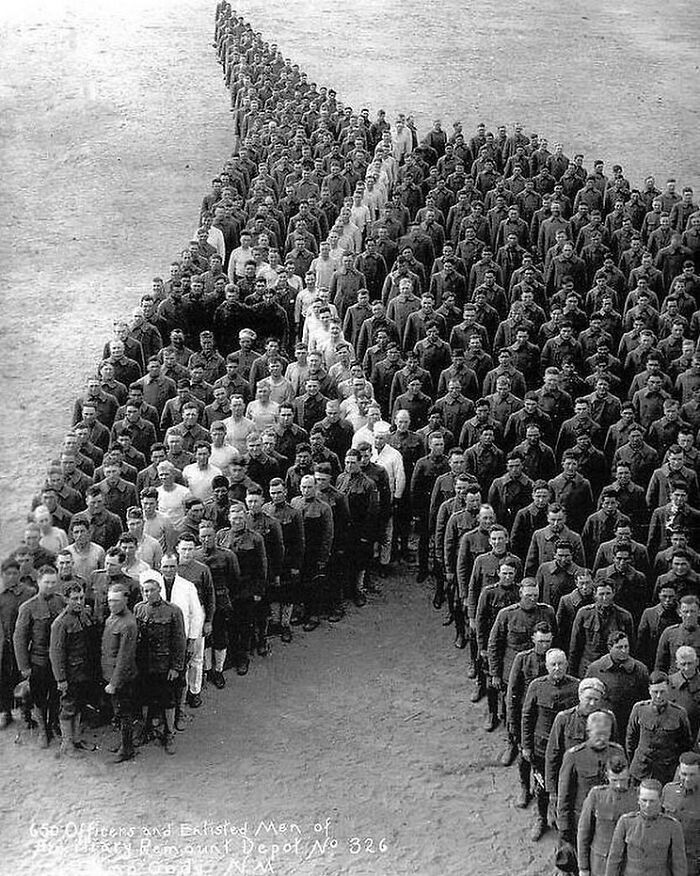
Image source: historyonly
#8
A woman admires the enormous size of a Sequoia tree, 1950s.
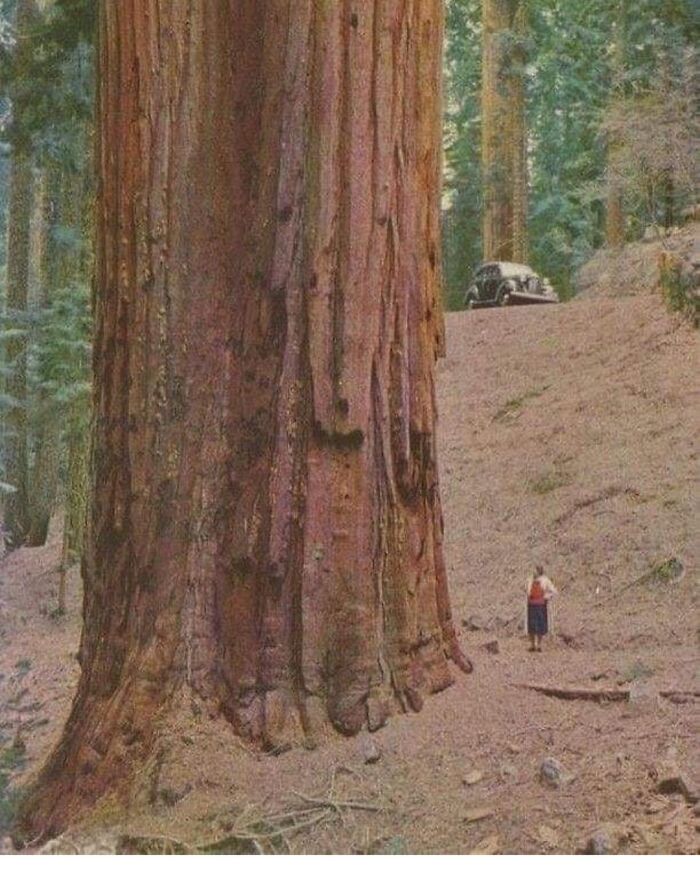
Image source: historyonly
#9
German immigrants, Ellis Island, circa 1900.
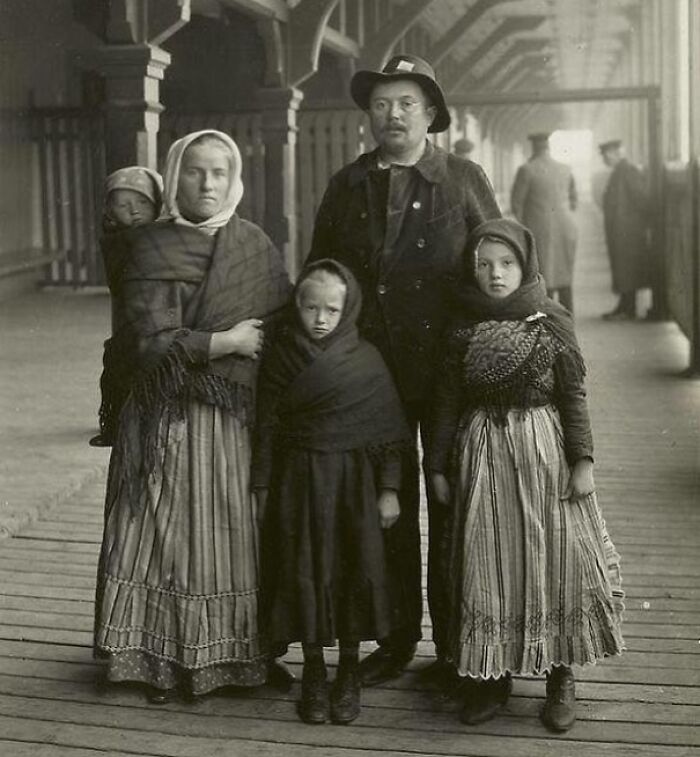
Image source: historyonly
Beyond the emotions they bring out, historical photographs also give us a way to measure how much the world changes. A street you know well can look completely different after a few decades. Old storefronts might disappear, new buildings can take the place of familiar landmarks, and whole neighborhoods may develop a new character.
Photographer Camilo José Vergara has been capturing these changes since the 1970s by visiting the same places over many years. His photos of American cities reveal how small changes in buildings, streets, and neighborhoods build up over time. When you compare images from different decades, it becomes easier to spot changes that people living there might hardly notice.
#10
Paris, 1900.
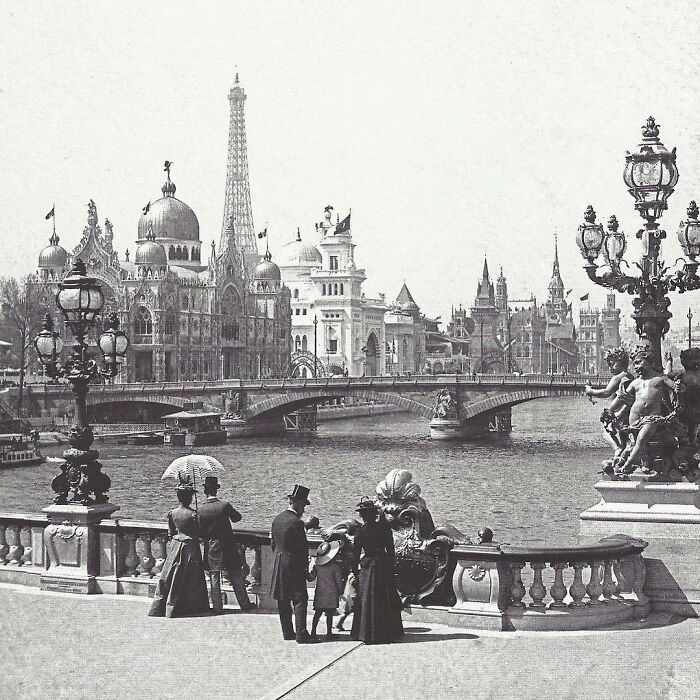
Image source: historyonly
#11
Paris, circa 1910.
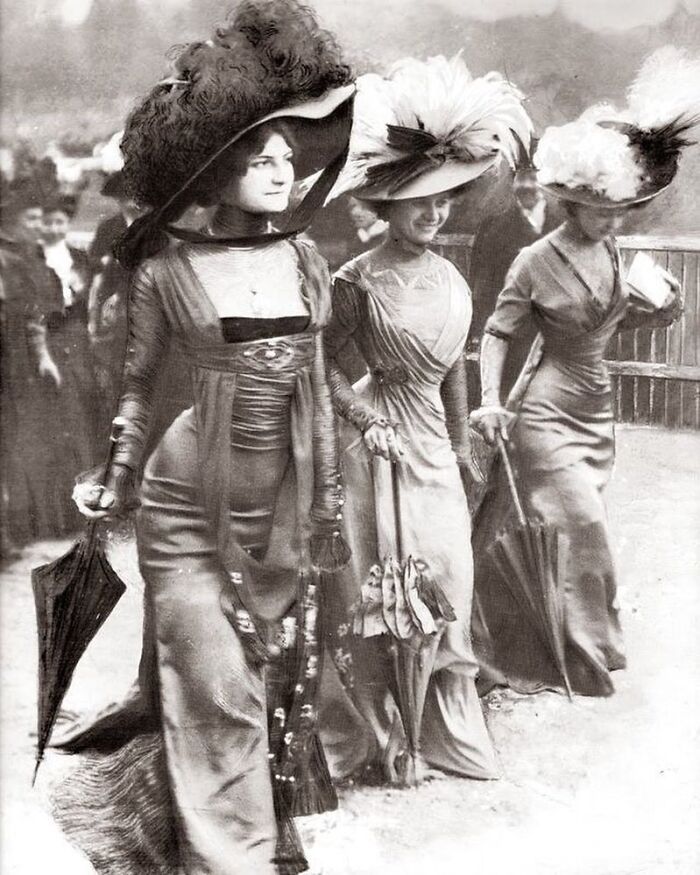
Image source: historyonly
#12
A Cherokee woman.
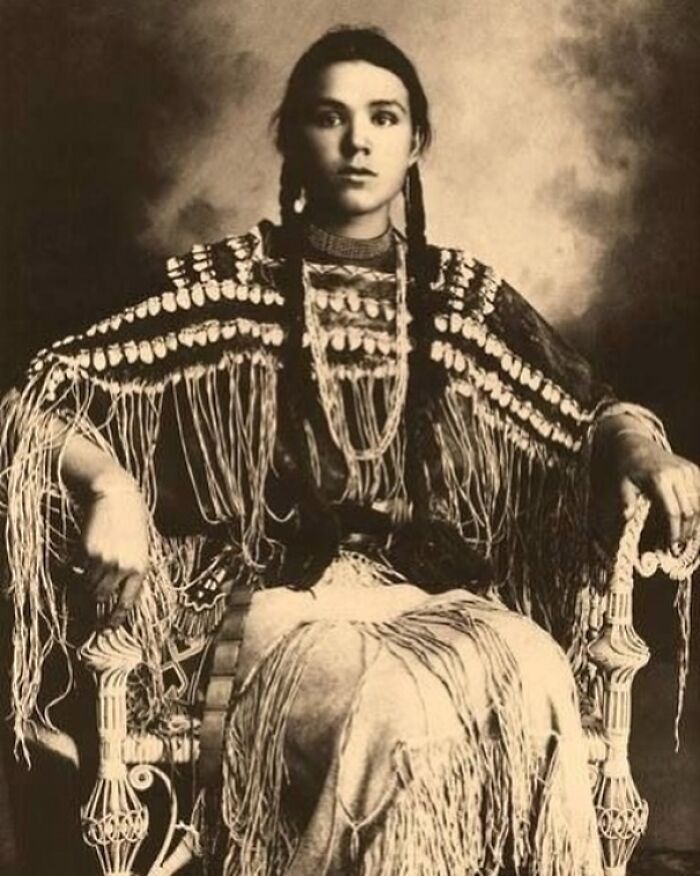
Image source: historyonly
Still, comparing old photographs also raises an important question: how much can we really learn from a single image? A photograph may show a person smiling, a crowded street, or an unusual gathering, but it rarely explains what happened before the camera clicked or what followed afterward. Without that context, viewers can easily misinterpret what they see.
Photographs also reflect the choices of the person behind the camera. The angle, framing, timing, and details left outside the picture all influence the story viewers take away. The Museum of Modern Art explains that images can help document history, but their meaning depends heavily on how people present and interpret them.
#13
Claude Monet in his garden in Giverny. Summer of 1905.
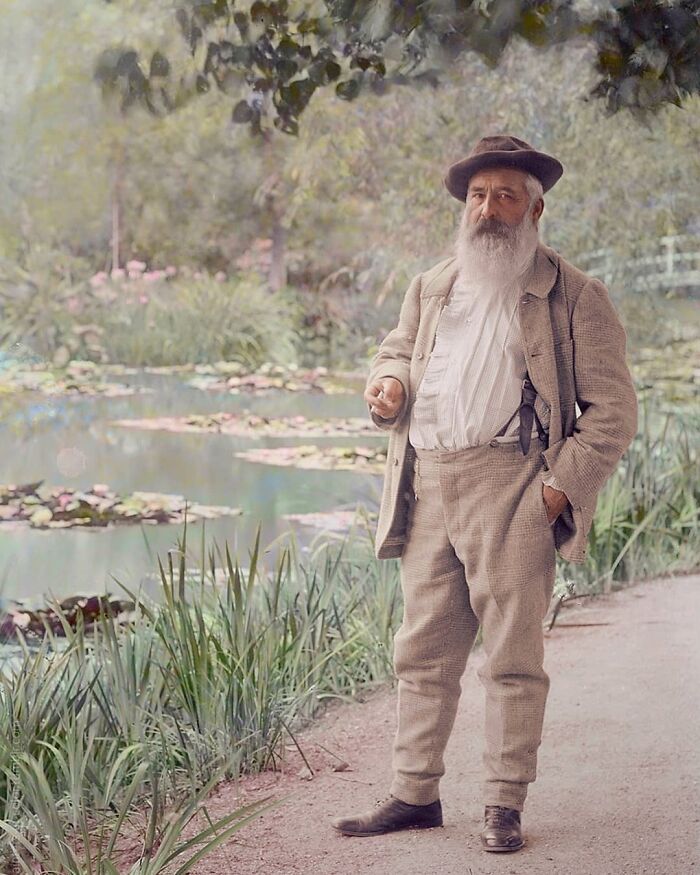
Image source: historyonly
#14
Wedding photo, early 1900s.
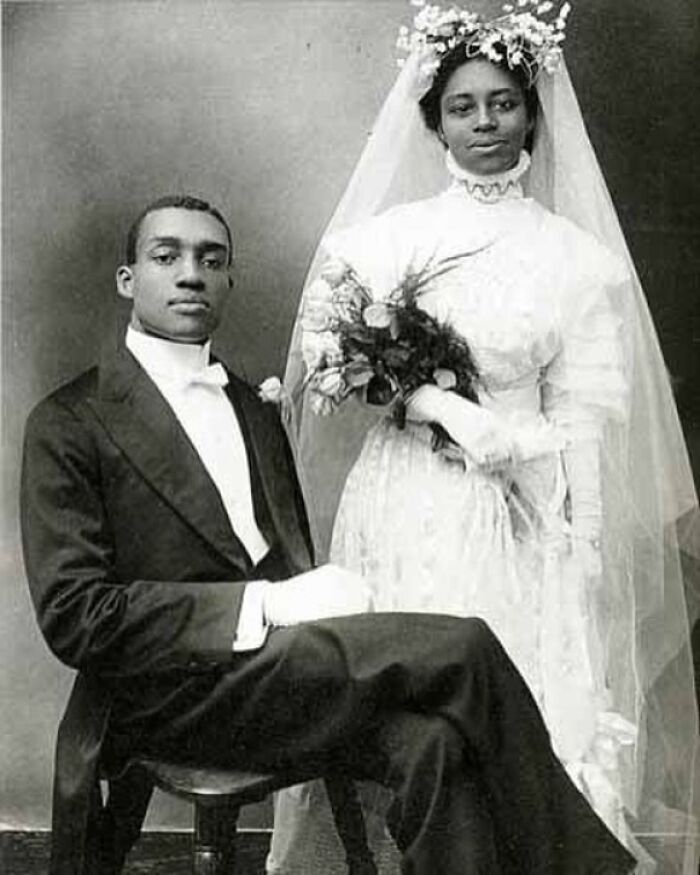
Image source: historyonly
#15
(1948). Boy watching TV for the first time in an appliance store window.
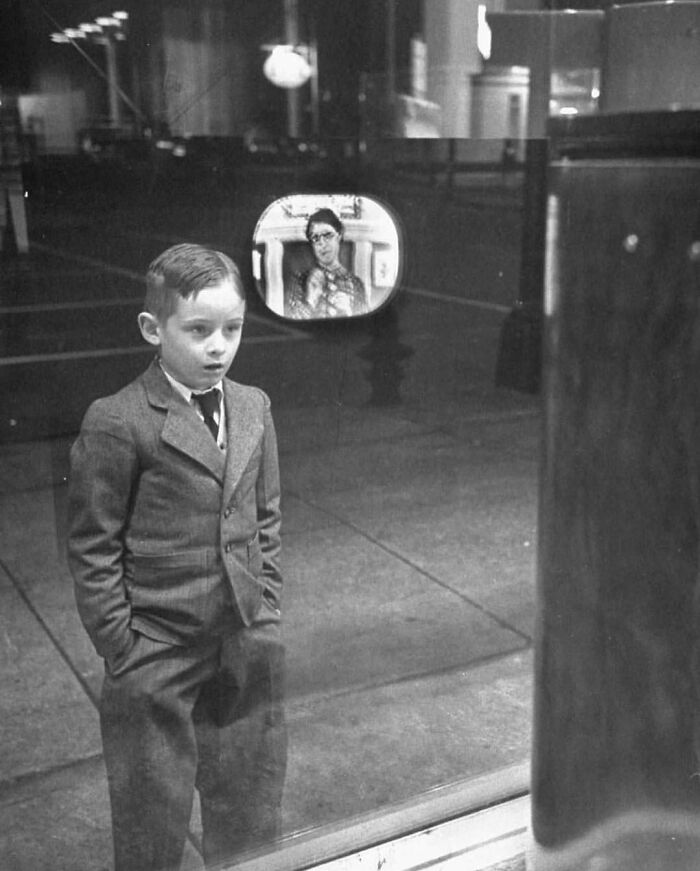
Image source: historyonly
And perhaps that’s exactly what makes historical photographs so appealing: they leave us with questions we want answered. Who are the people in the picture? What were they doing there? Why did someone decide to capture that particular moment? When an image offers just enough clues without explaining everything, curiosity naturally kicks in.
Psychologists have found that curiosity grows when people feel like they’re close to remembering something but can’t quite get there. In studies about déjà vu, participants became more curious and spent longer looking for answers when something seemed familiar but wasn’t fully explained. That same urge to fill in the blanks can make it hard to scroll past an unfamiliar historical photo.
Every old photograph has a bit of a story, showing us that even ordinary moments can become interesting as time goes by. Sometimes, it’s the smallest details that tell us the most about the world we used to know.
Which of these photos surprised you the most? Share your thoughts and comments below!
#16
Pablo Picasso, 1908.
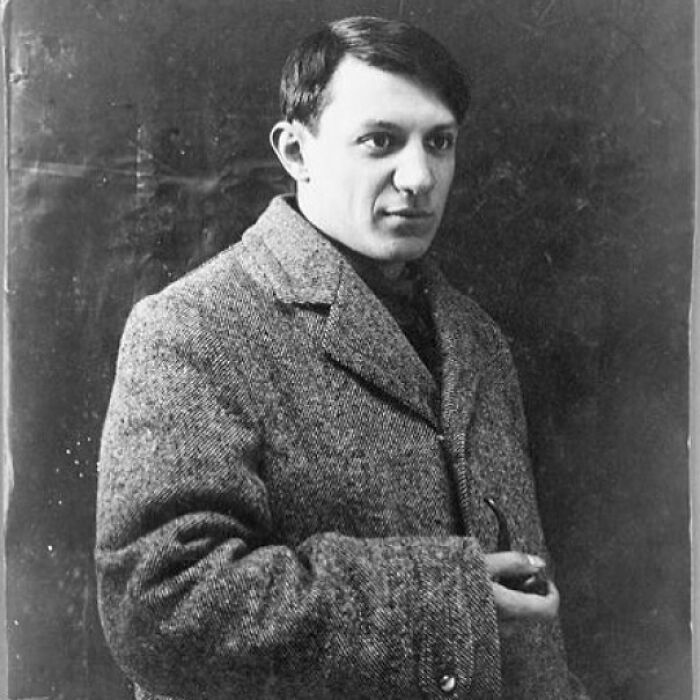
Image source: historyonly
#17
Little inuit girl and her puppy, 1949. Photograph by Richard Harrington.
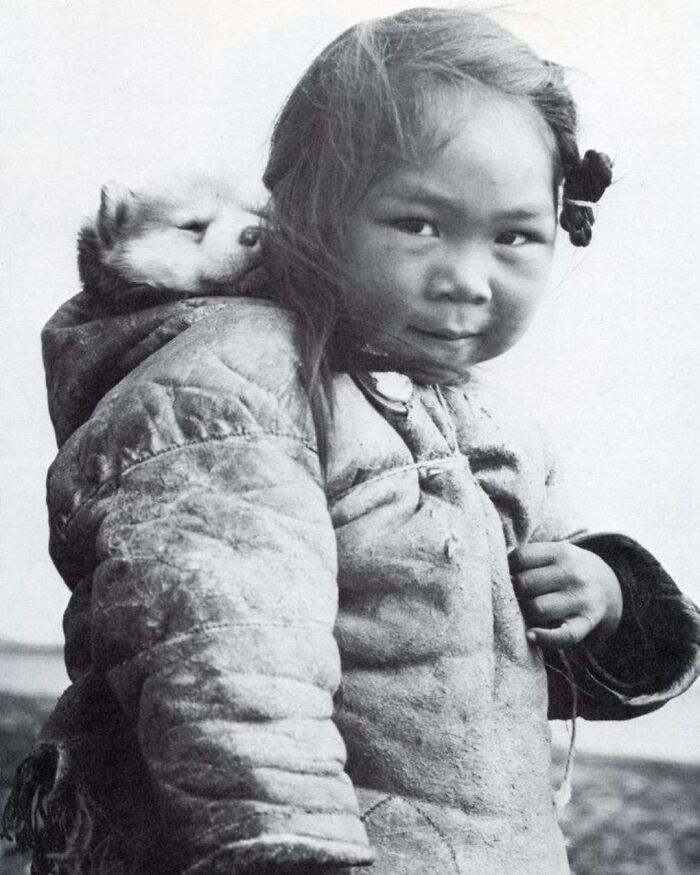
Image source: historyonly
#18
Charlie Chaplin with an almost childlike fascination as he’s taught the manual alphabet by Helen Keller, 1919.
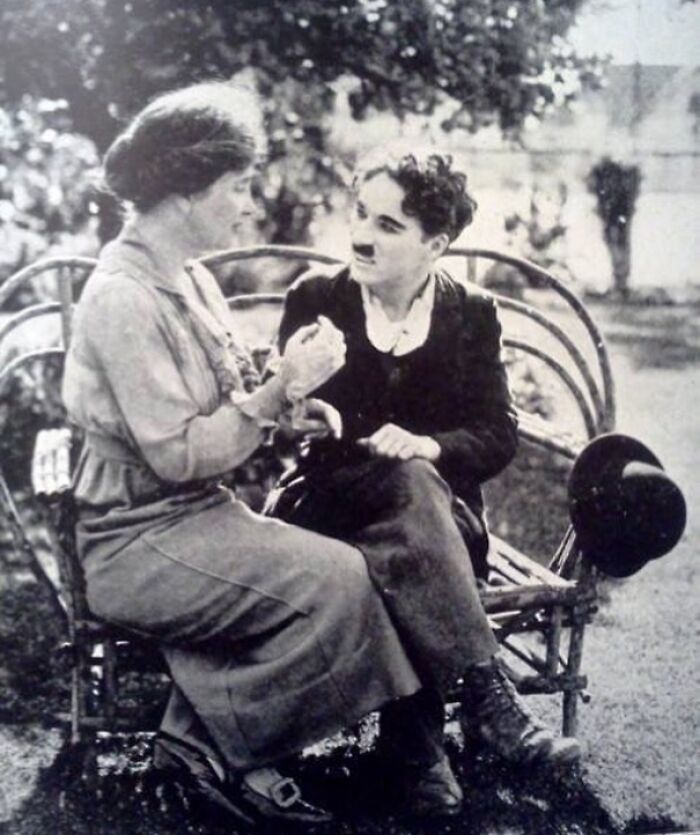
Image source: historyonly
#19
A woman from Luzon, an island in northern Philippines, 1875.
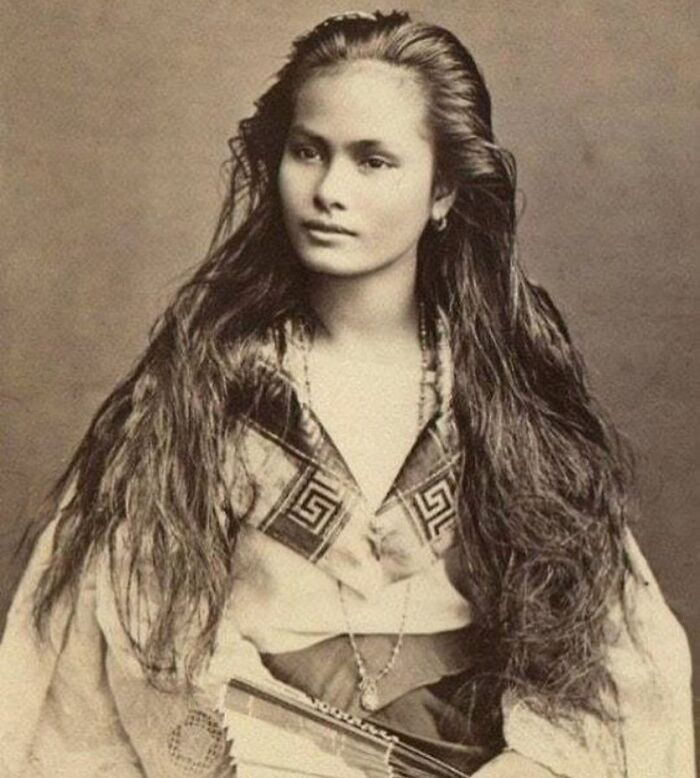
Image source: historyonly
#20
3 people pose for a photo whilst wearing face masks during the second wave of the Spanish Flu in California; 1918.
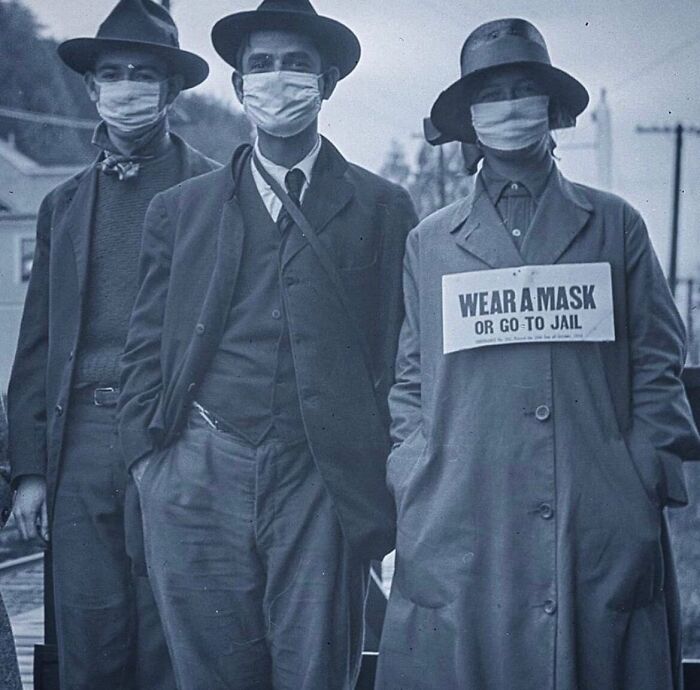
Image source: historyonly
#21
800-year-old Borgund Stave Church in Norway, built sometime between 1180 and 1250 AD.
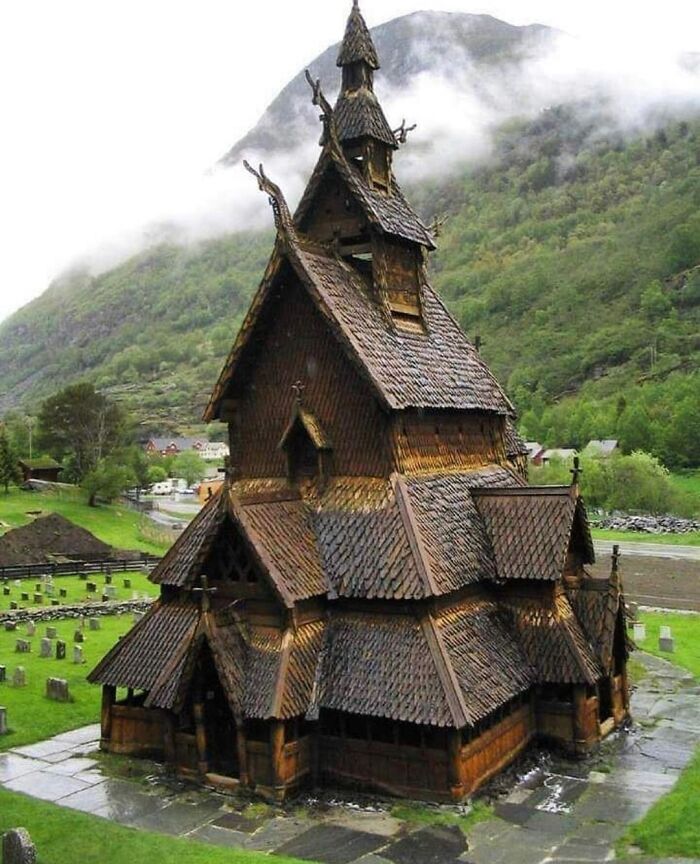
Image source: historyonly
#22
London, 1899. Photo by Leonard Misonne.
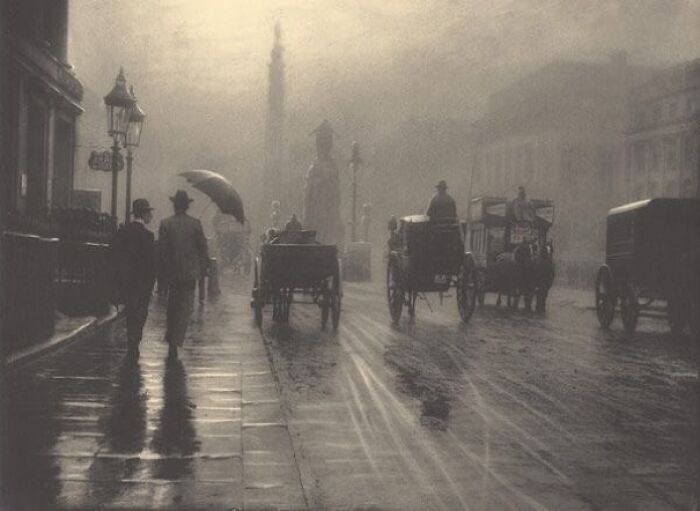
Image source: historyonly
#23
A picture of Rwandan man with Amasunzu hairstyle, 1923.
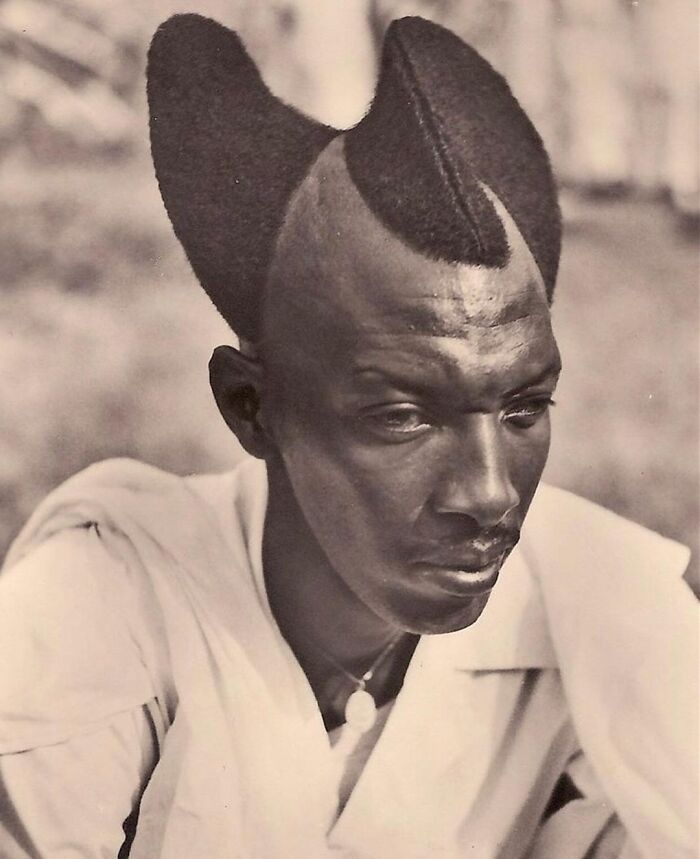
Image source: historyonly
#24
Maud Wagner, first known female tattoo artist in the U.S., circa 1907.
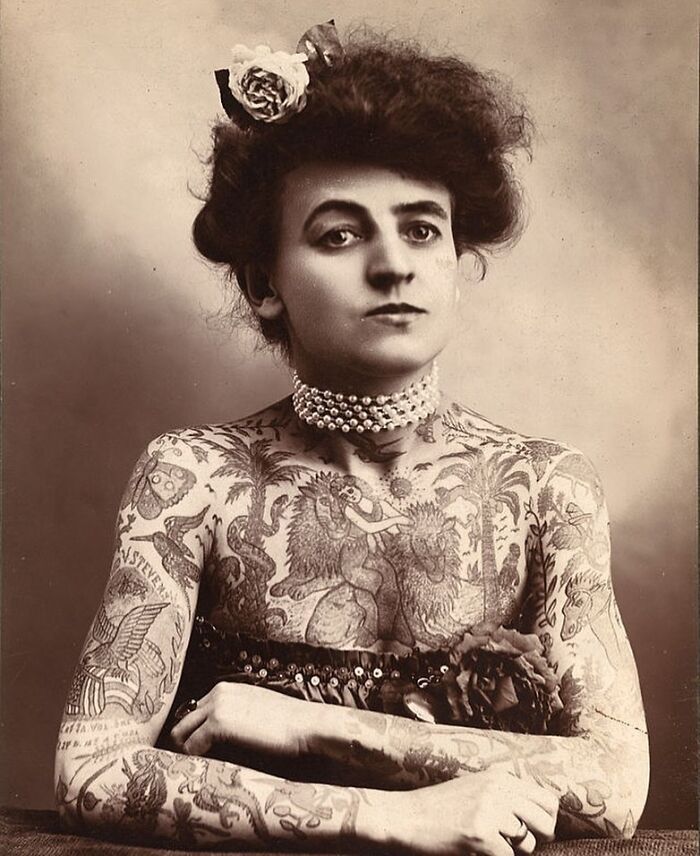
Image source: historyonly
#25
Spanish Flu 1918, family portrait.
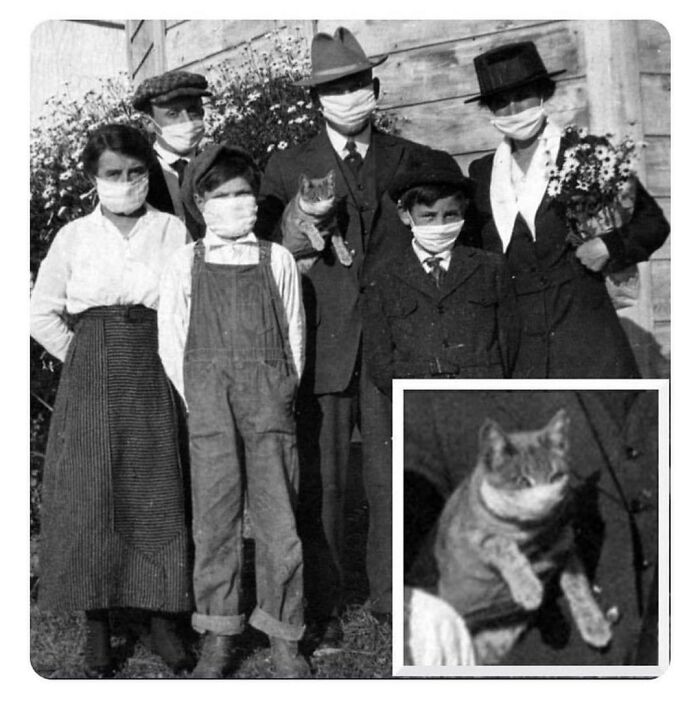
Image source: historyonly
#26
Gunnar Kaasen and his team of 13 dogs, led by the Siberian husky, Balto, completed the last leg of a 1925 trip to deliver 300,000 units of diphtheria antitoxin to Nome, Alaska. They traveled by night in temperatures of -23 °F (−31 °C).
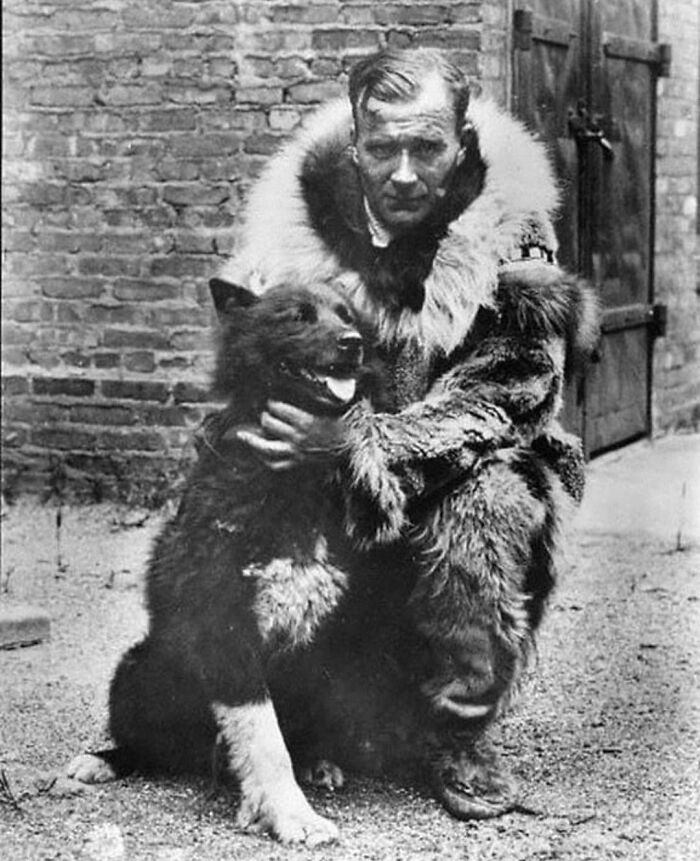
Image source: historyonly
#27
A snapshot of life from Nebraska, 1910.
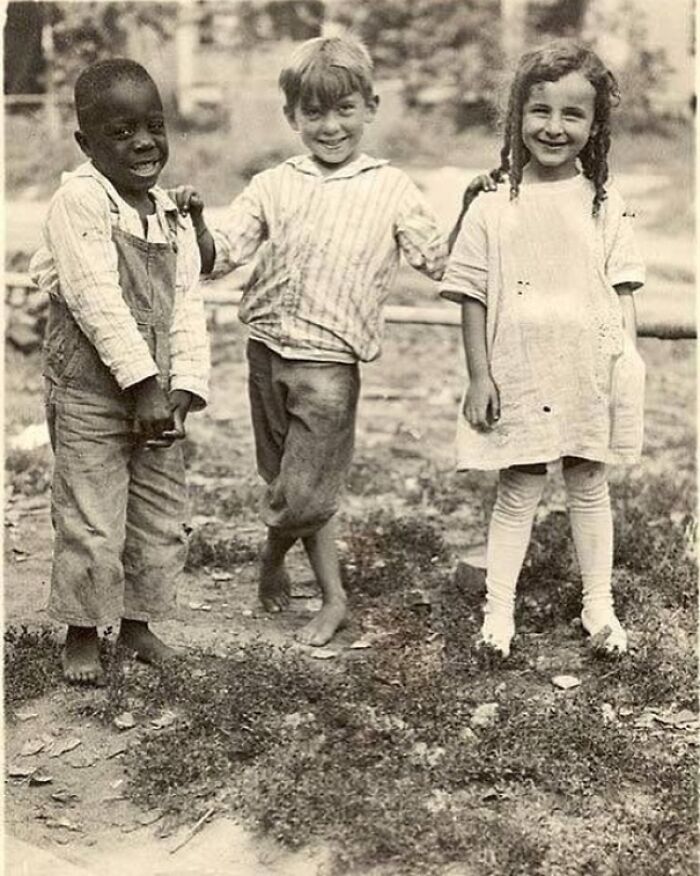
Image source: historyonly
#28
Black Belly, a Cheyenne Native American, 1927. Photo by Edward S. Curtis.
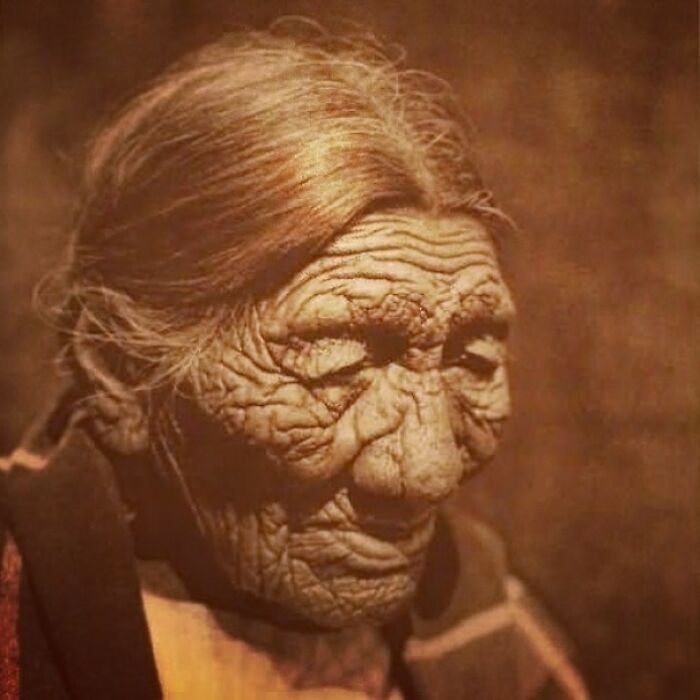
Image source: historyonly
#29
Josie, six years old, Bertha, six years old, and Sophie, 10 years old. All shuckers at Maggioni Canning Co. Location: Port Royal, South Carolina. Circa 1911.
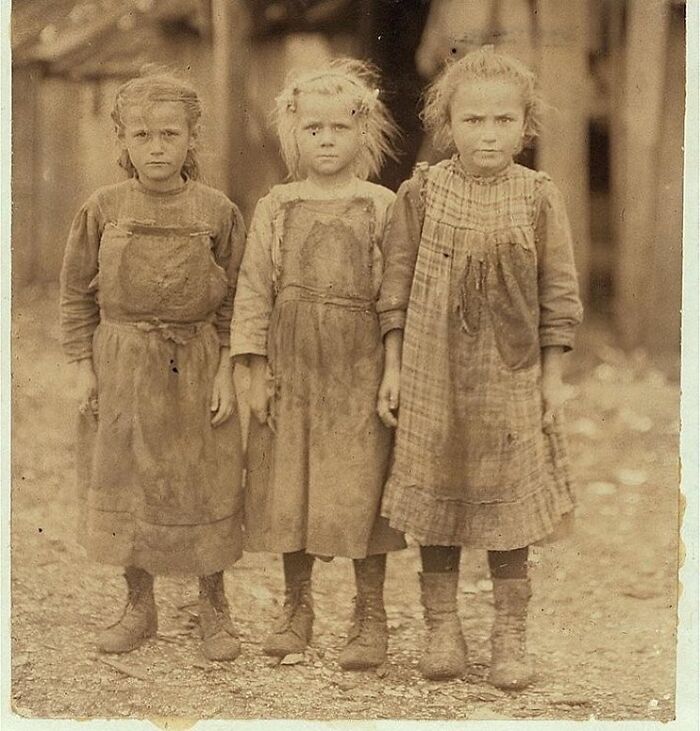
Image source: historyonly
#30
“In 1865, Edouard de Laboulaye, a French political thinker, U.S. Constitution expert, and abolitionist, proposed that a monument be built as a gift from France to the United States in order to commemorate the perseverance of freedom and democracy in the United States and to honor the work of the late president Abraham Lincoln.” This gift would become the Statue of Liberty.
In this photo, the head of the Statue is on display at the Paris World’s Fair in 1878.
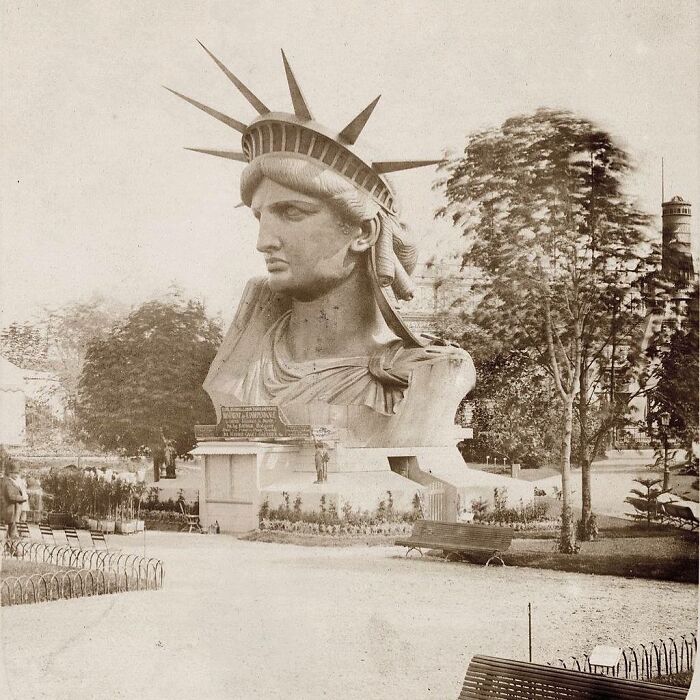
Image source: historyonly
#31
Hans Langseth, a Norwegian-American, who holds the record for longest beard in history. His beard measured 17 ft 6 in at the time of his passing in Wyndmere, North Dakota.
Photo taken in 1912.
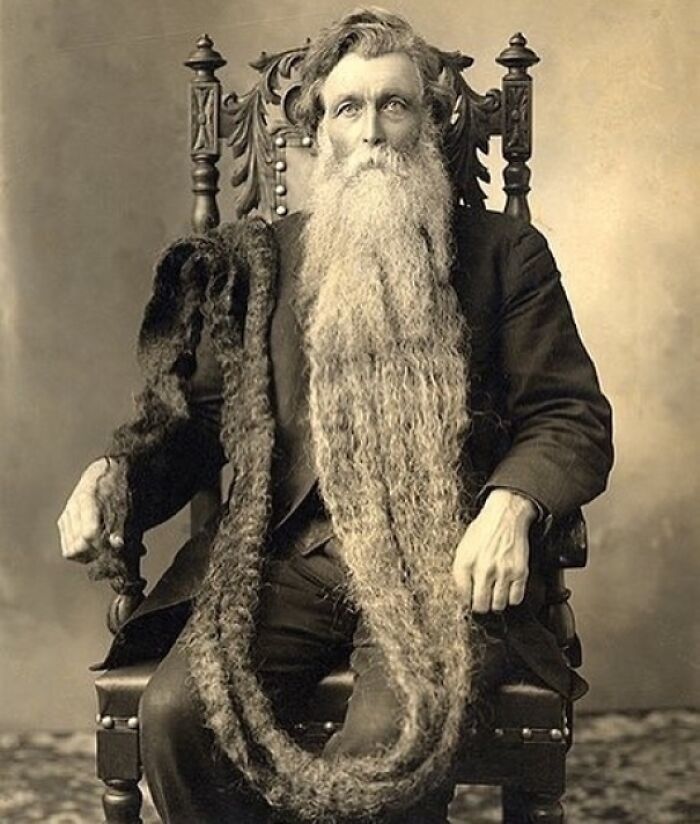
Image source: historyonly
#32
The Statue of Liberty in Paris before being shipped to the US, mid 1880s.
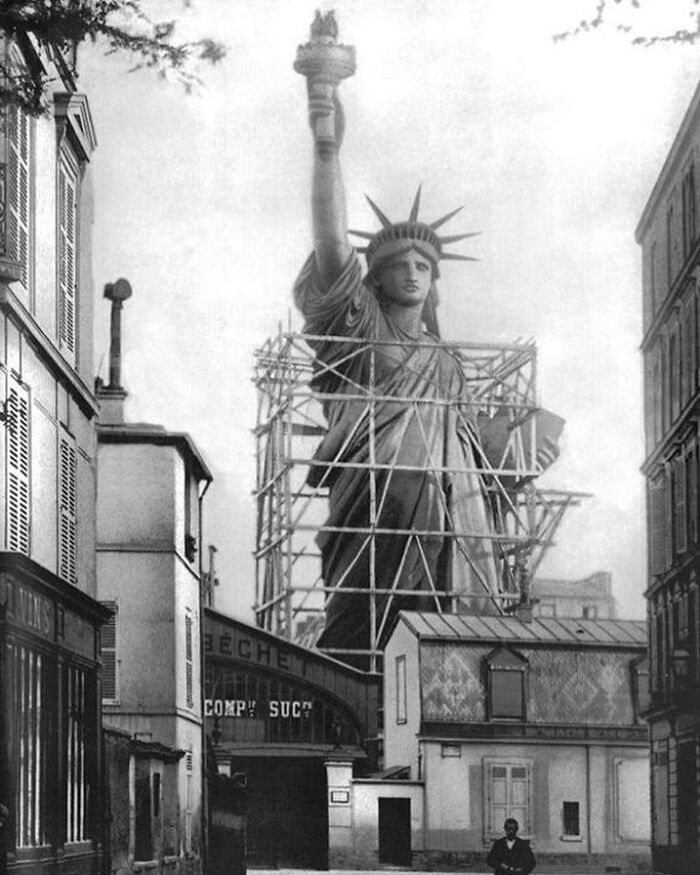
Image source: historyonly
#33
Portrait of Lillian, Cora and Luvenia Ward, circa 1900. Their parents were former slaves from North Carolina who fled north to Pomfret, Connecticut and settled in Worcester.
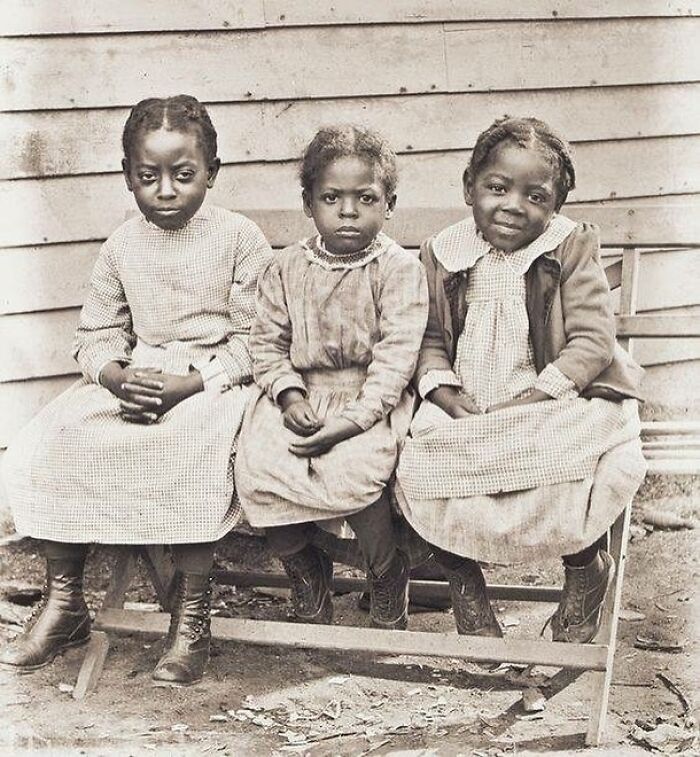
Image source: historyonly
#34
Taking a selfie, 1920.
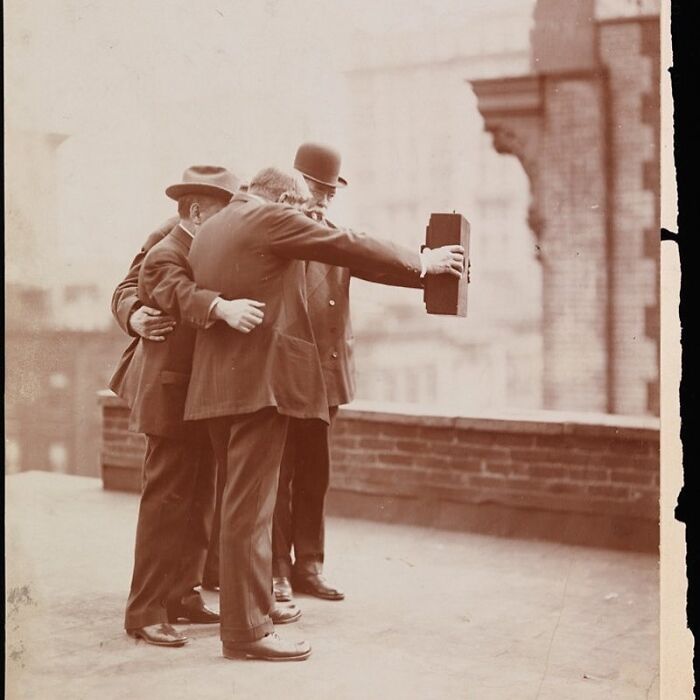
Image source: historyonly
#35
Unidentified Union Army soldier during the US Civil War.
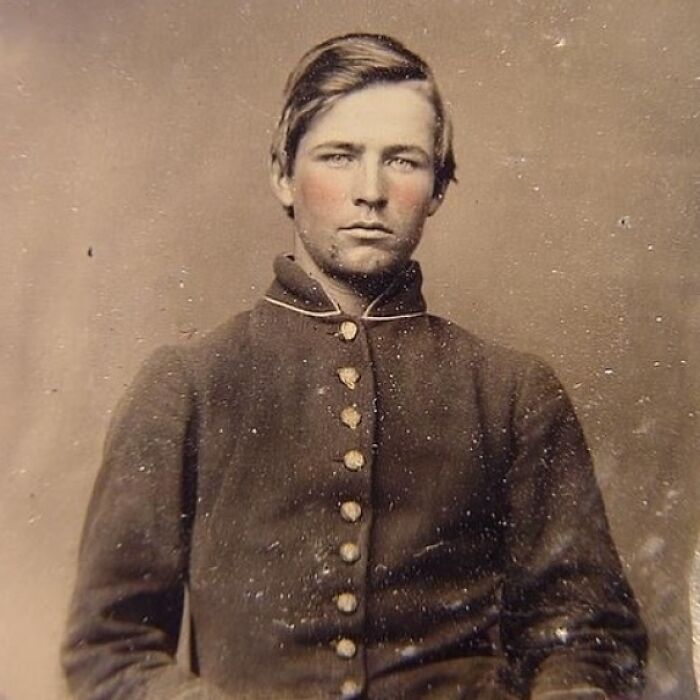
Image source: historyonly
#36
Just a few Cowboys having drinks at a saloon in Tascosa, Texas, 1907.
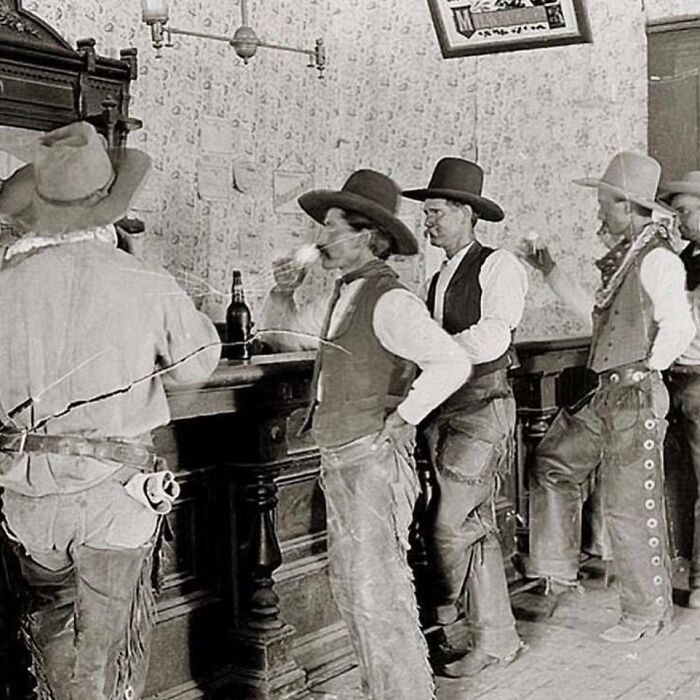
Image source: historyonly
#37
Asbury Park, New Jersey, 1905.
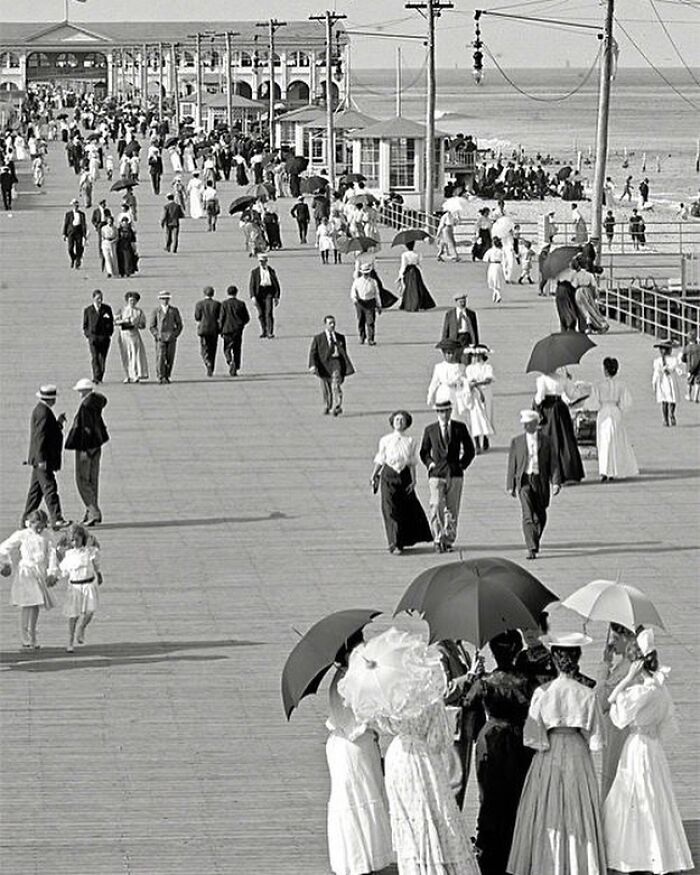
Image source: historyonly
#38
(1915). From the back window, New York. Photo by Alfred Stieglitz.
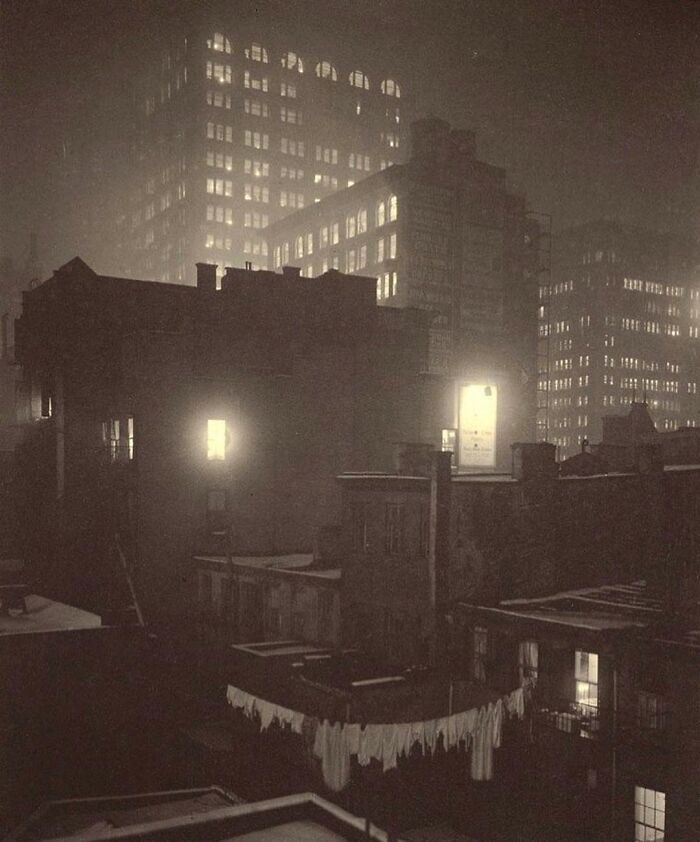
Image source: historyonly
#39
Mark Twain with his wife and three daughters, 1884.
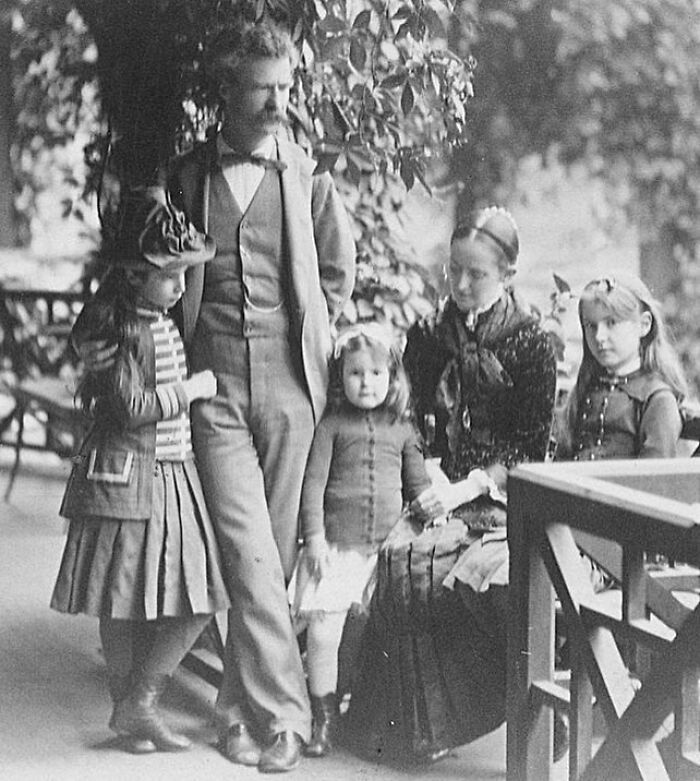
Image source: historyonly
#40
K’aa lani (aka Many Arrows) – Navajo warrior, 1903.
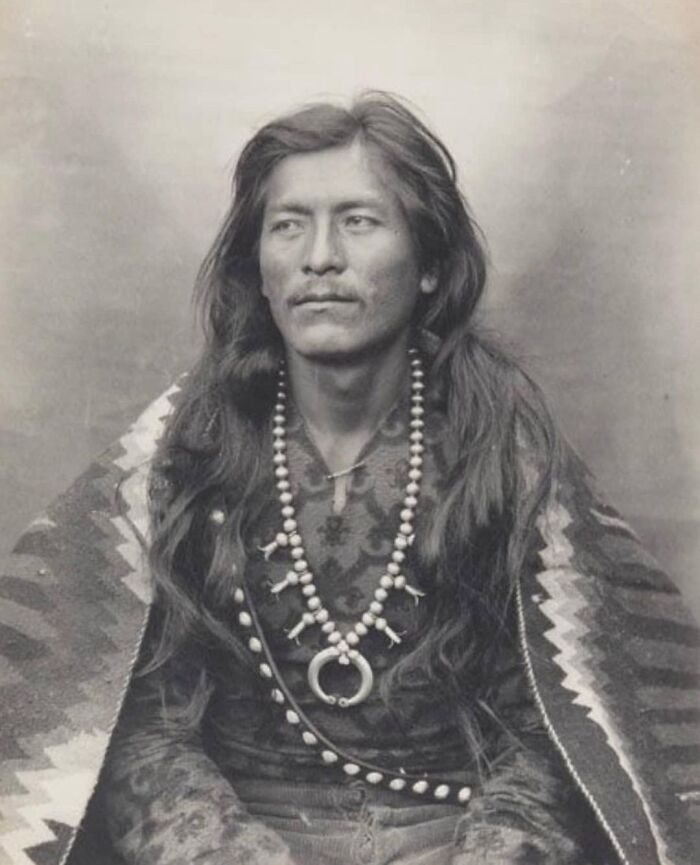
Image source: historyonly
#41
1910s Clark Mansion in Central Park, New York.
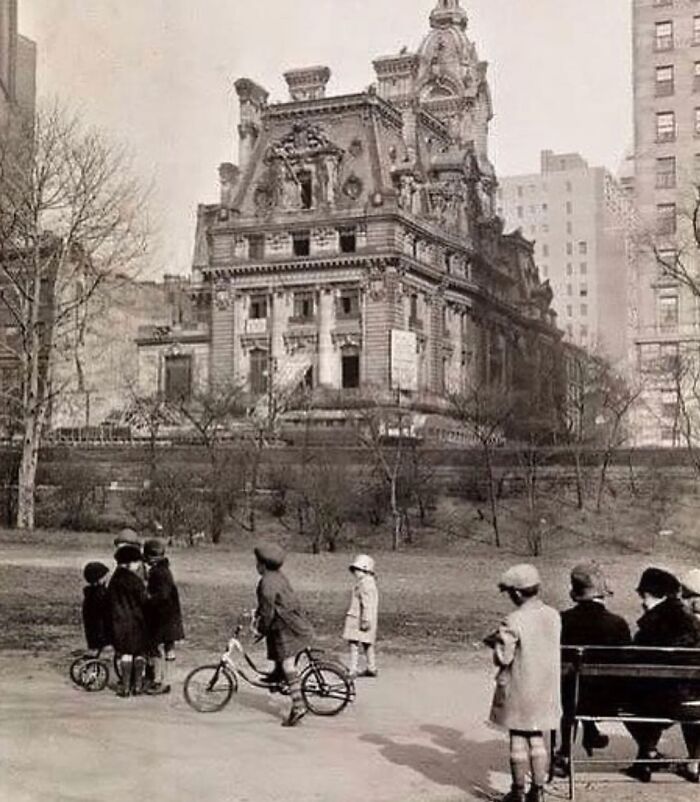
Image source: historyonly
#42
Mother and child, circa 1890.
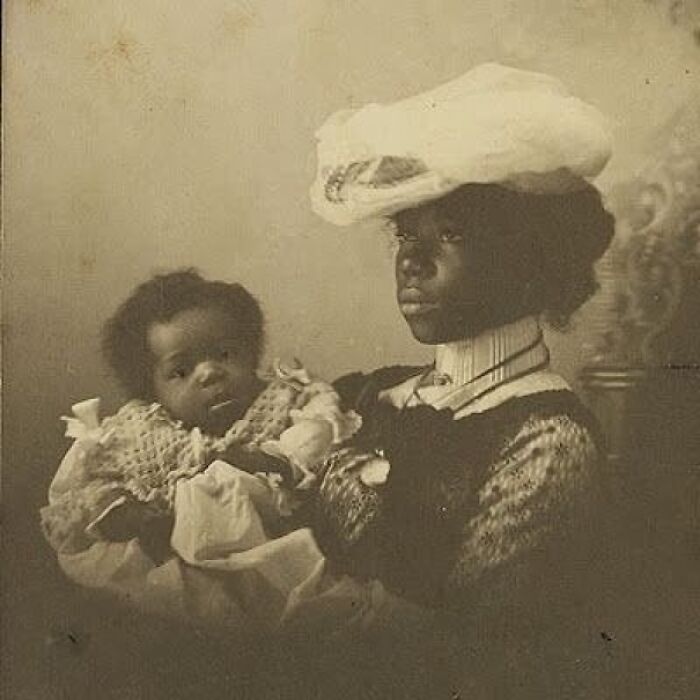
Image source: historyonly
#43
In a time before alarm clocks were affordable and reliable, a knocker-up was hired to wake sleeping people so they could get to work on time. Using a shorter, heavier stick for doors, or a longer, lighter stick for windows on top floors, the knocker-up would not leave until they were sure their client was awake.
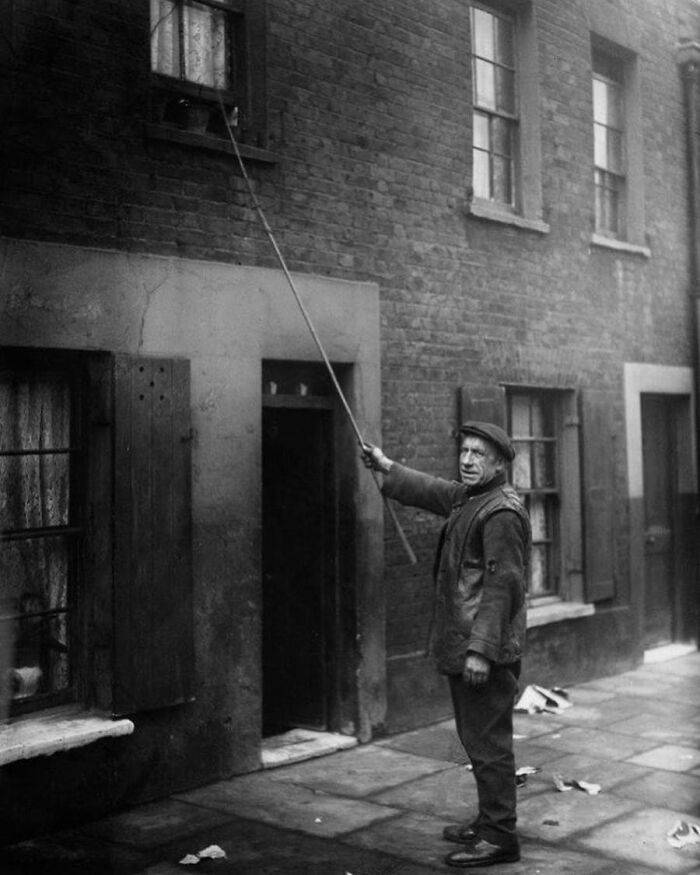
Image source: historyonly
#44
The only known authenticated photo (ferrotype) of Billy the Kid, c. 1879.
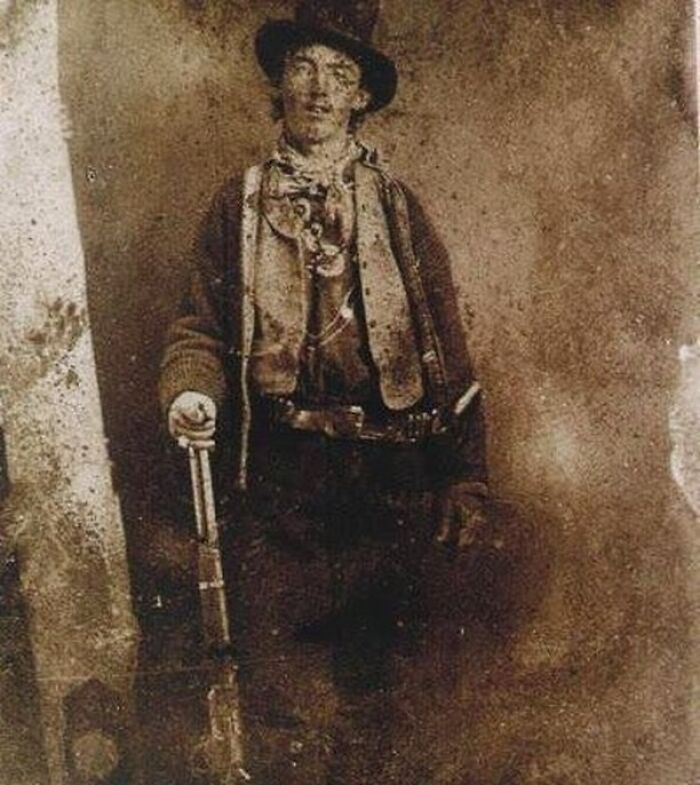
Image source: historyonly
#45
Portrait of a family, 1898.
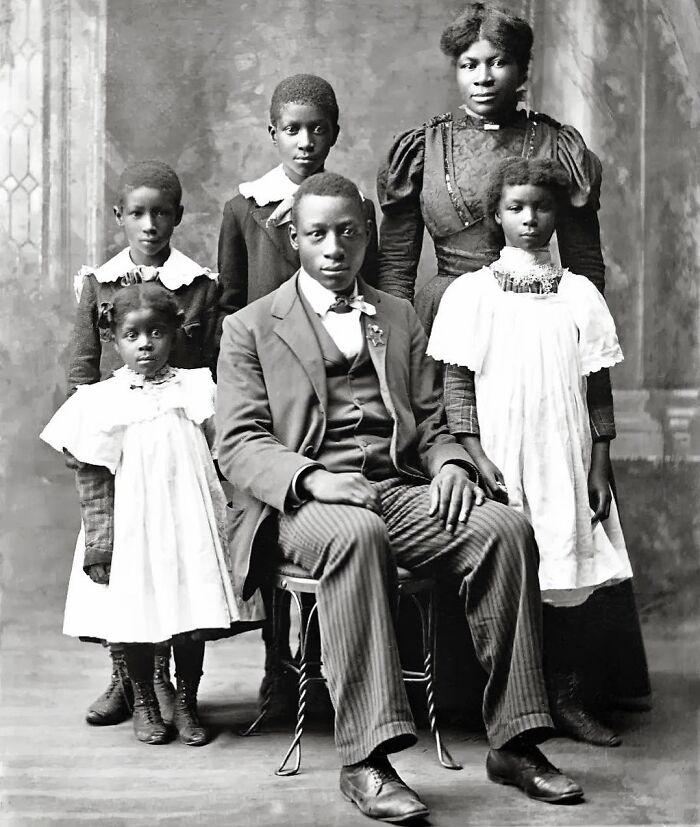
Image source: historyonly
#46
A snapshot of historical fashion from Japan, 1910s.
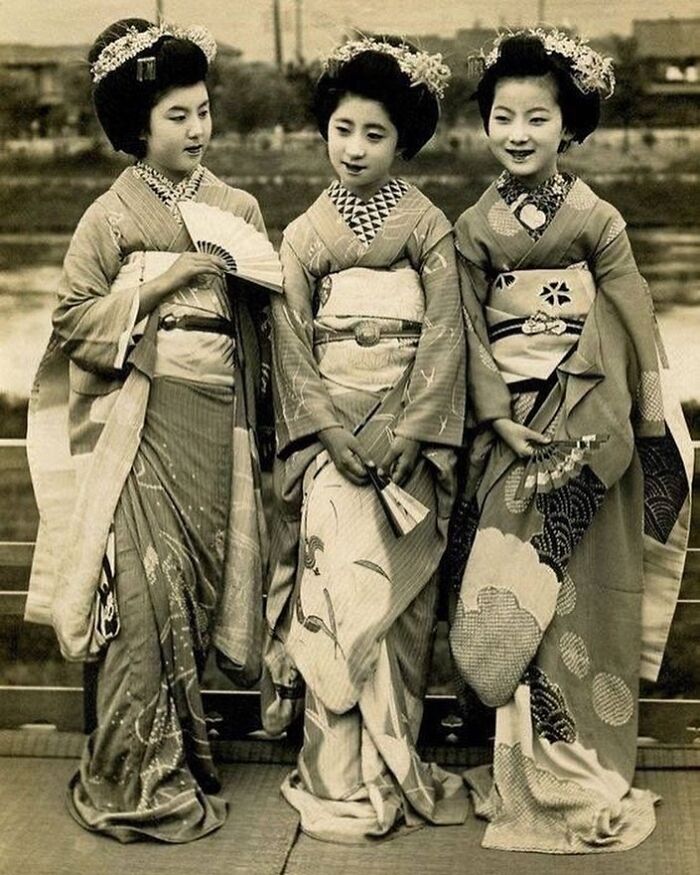
Image source: historyonly
#47
“Love is life. All, everything that I understand, I understand only because I love. Everything is, everything exists, only because I love. Everything is united by it alone.” – Leo Tolstoy
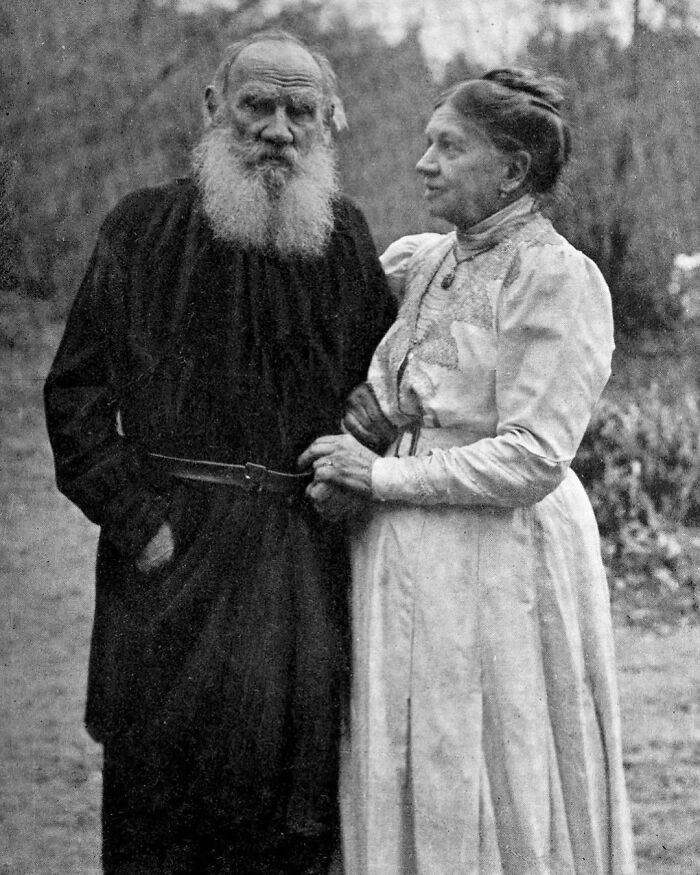
Image source: historyonly
#48
An indigenous Peruvian woman walking with her child in the Andes mountains in the 1930s.
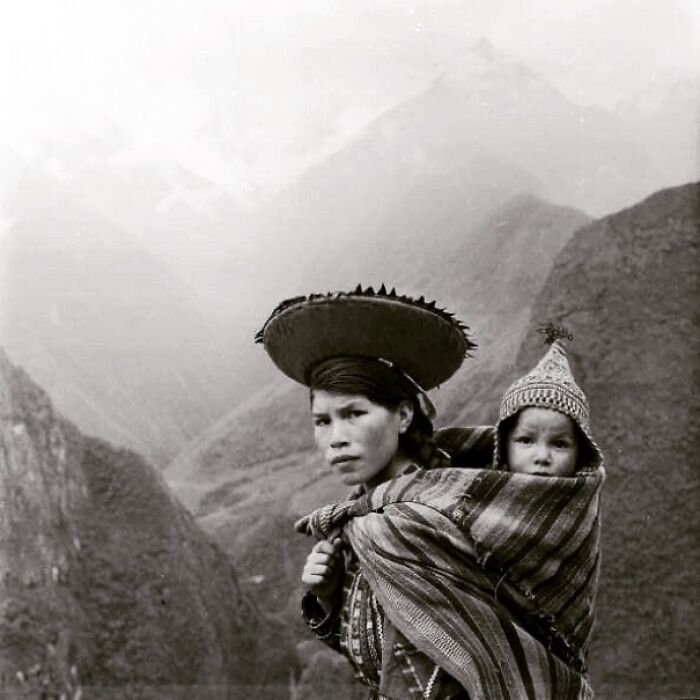
Image source: historyonly
#49
Red Cross nurse and rescue dog, WWI.
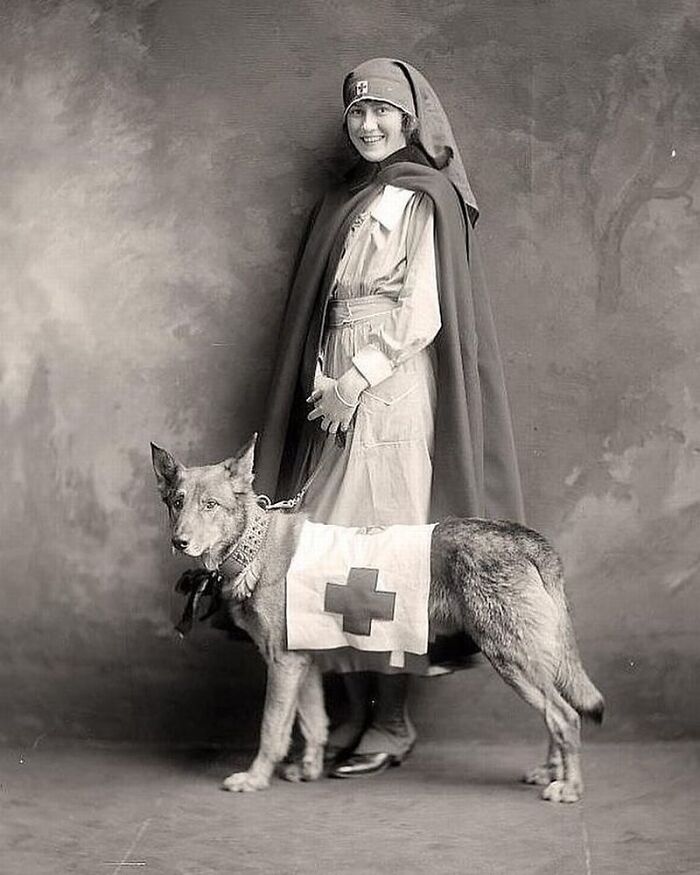
Image source: historyonly
#50
The real Alice in Wonderland, Alice Lindell, 1862.
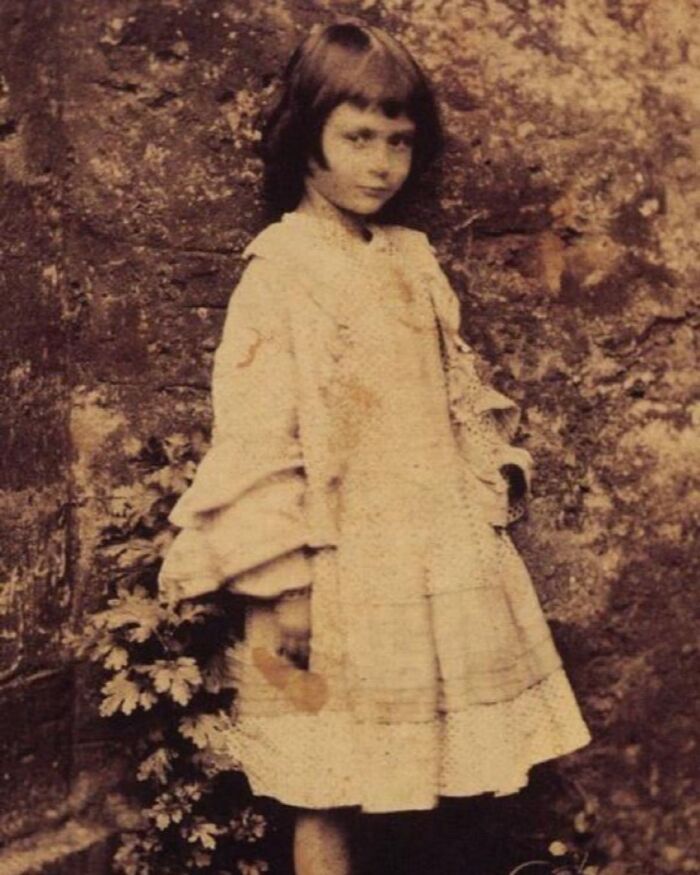
Image source: historyonly
#51
A snapshot of historical fashion, 1926. Photo of Clara Bow by Eugene Richee.
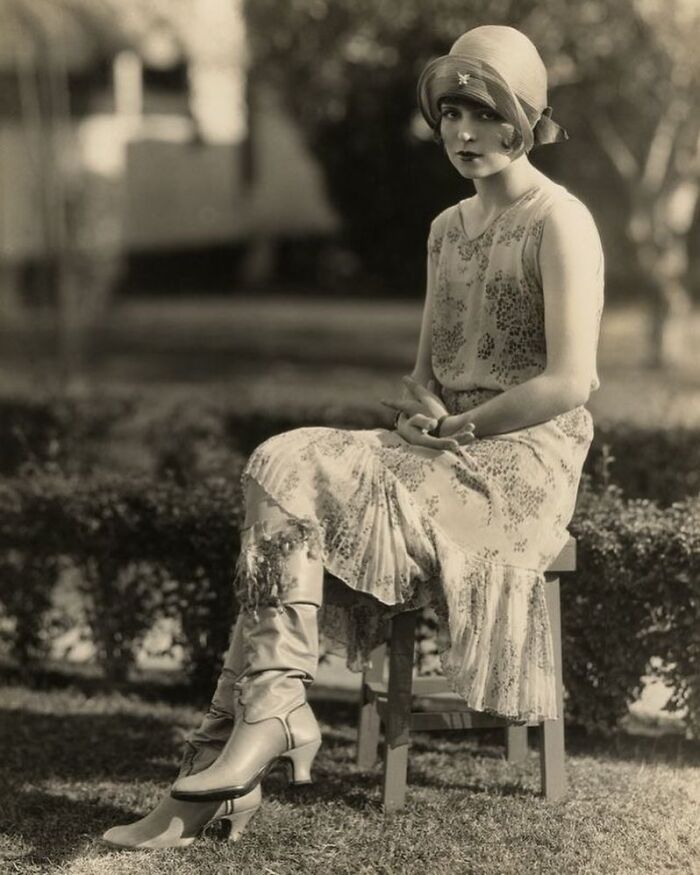
Image source: historyonly
#52
Hiking – “I don’t like either the word or the thing. People ought to saunter in the mountains – not hike! Do you know the origin of that word ‘saunter?’ It’s a beautiful word. Away back in the Middle Ages people used to go on pilgrimages to the Holy Land, and when people in the villages through which they passed asked where they were going, they would reply, ‘A la sainte terre,’ ‘To the Holy Land.’ And so they became known as sainte-terre-ers or saunterers. Now these mountains are our Holy Land, and we ought to saunter through them reverently, not ‘hike’ through them.” – John Muir.
Photo is of Muir at Yosemite in 1900.
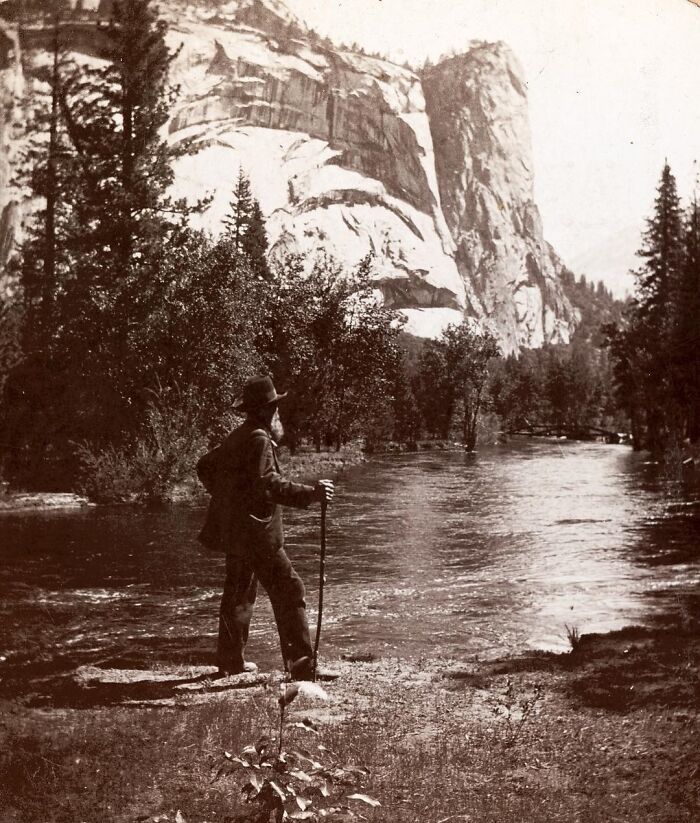
Image source: historyonly
#53
“She was beautiful, but not like those girls in the magazines. She was beautiful, for the way she thought. She was beautiful, for the sparkle in her eyes when she talked about something she loved. She was beautiful, for her ability to make other people smile, even if she was sad. No, she wasn’t beautiful for something as temporary as her looks. She was beautiful, deep down to her soul. She is beautiful.” – F. Scott Fitzgerald.
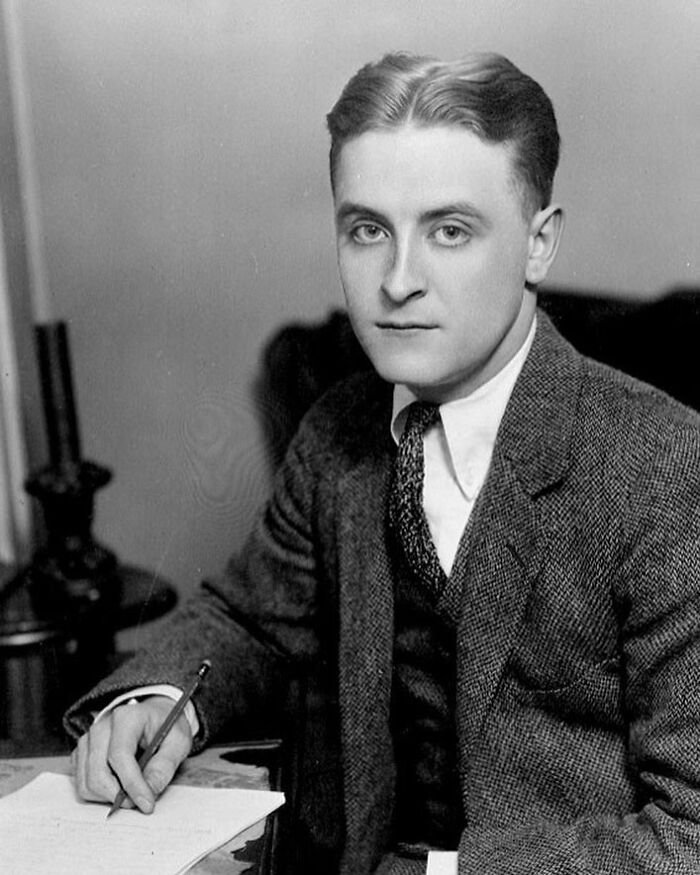
Image source: historyonly
#54
French Mug shot of François Bertillon, 23 months. Crime: Gluttony, nibbling all the pears from a basket. October 17.
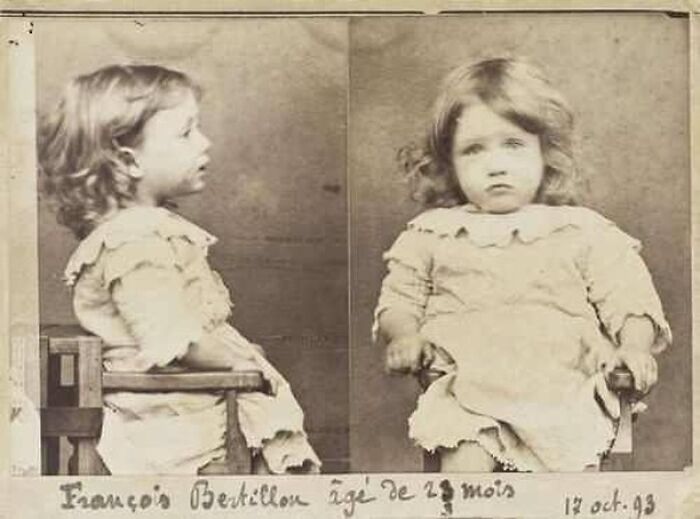
Image source: historyonly
#55
Paris, 1925.
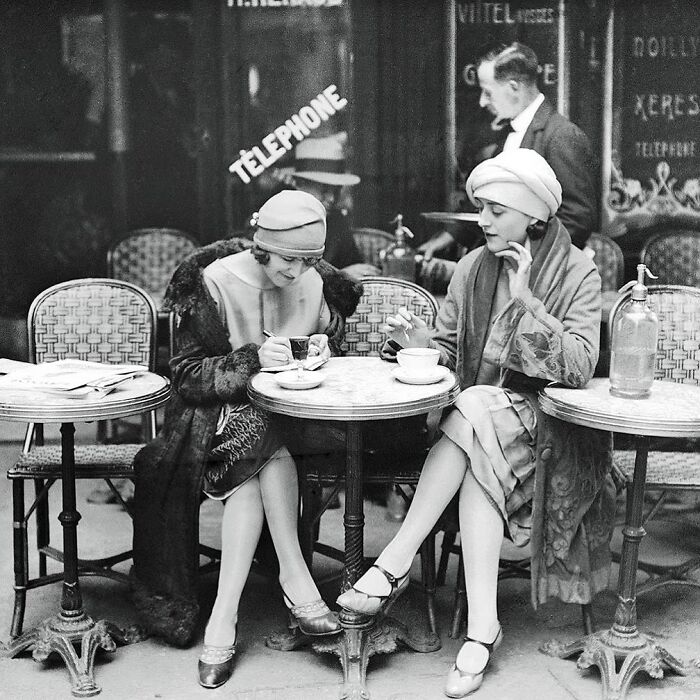
Image source: historyonly
#56
(1850). Classroom in the Emerson School for Girls, Boston. Photo by Albert Sands Southworth.
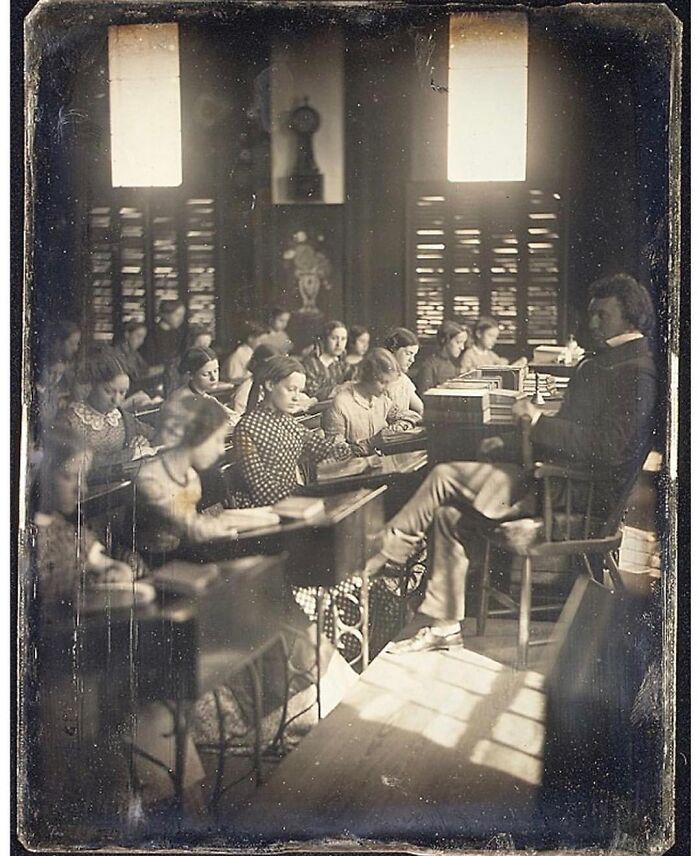
Image source: historyonly
#57
Charlie Chaplin and prima ballerina Anna Pavlova, 1922.
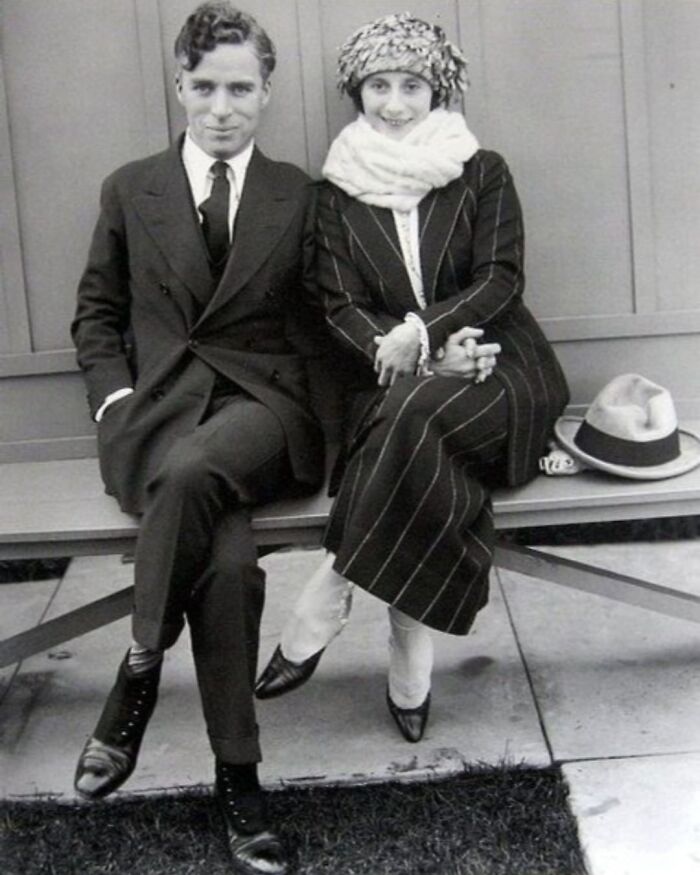
Image source: historyonly
#58
(1913). Italian authorities inspecting the recovered Mona Lisa at Uffizi Gallery in Florence.
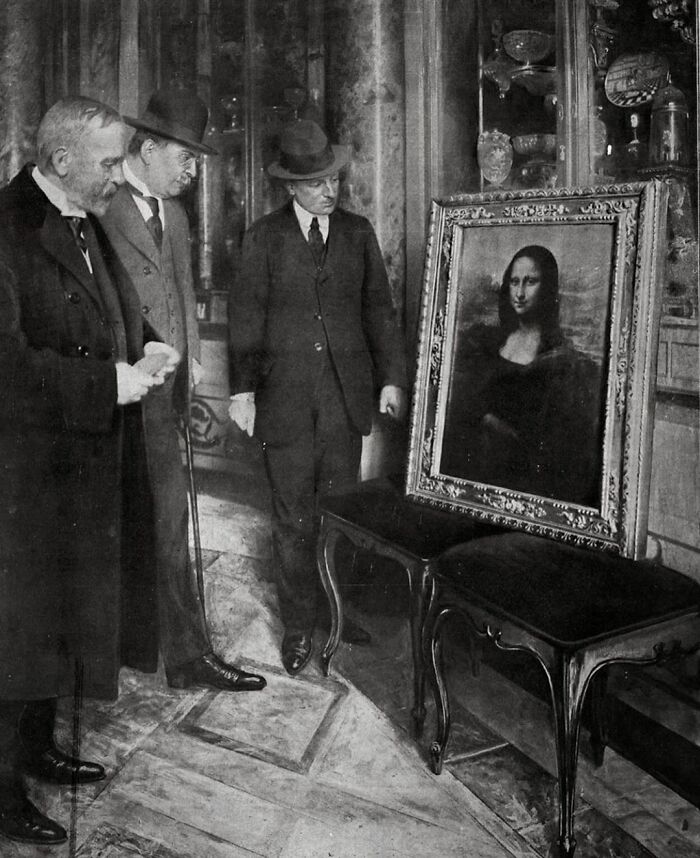
Image source: historyonly
#59
I find comfort knowing that more than 140 years ago people were taking silly pictures of their pets, 1875.
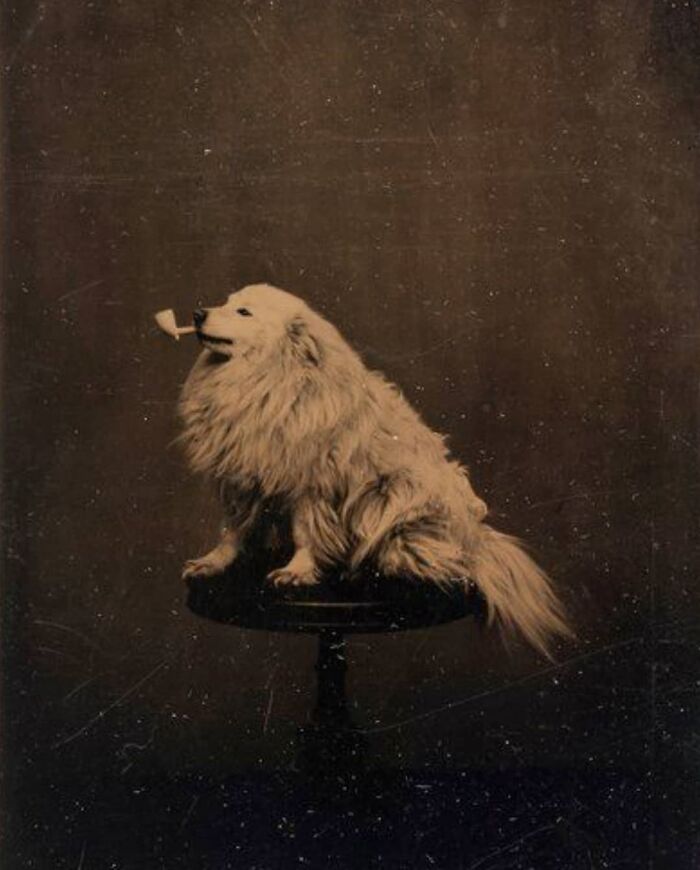
Image source: historyonly
#60
(1963). John F. Kennedy, Jr sits in the pilot’s seat of the Presidential helicopter. Photo by Robert Knudsen.
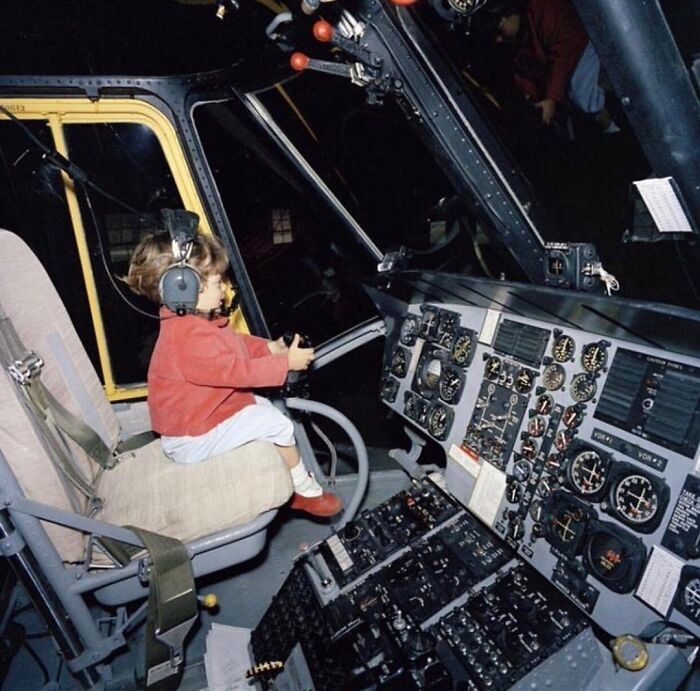
Image source: historyonly
#61
Kaw-u-tz, a Caddo Native American, 1906.
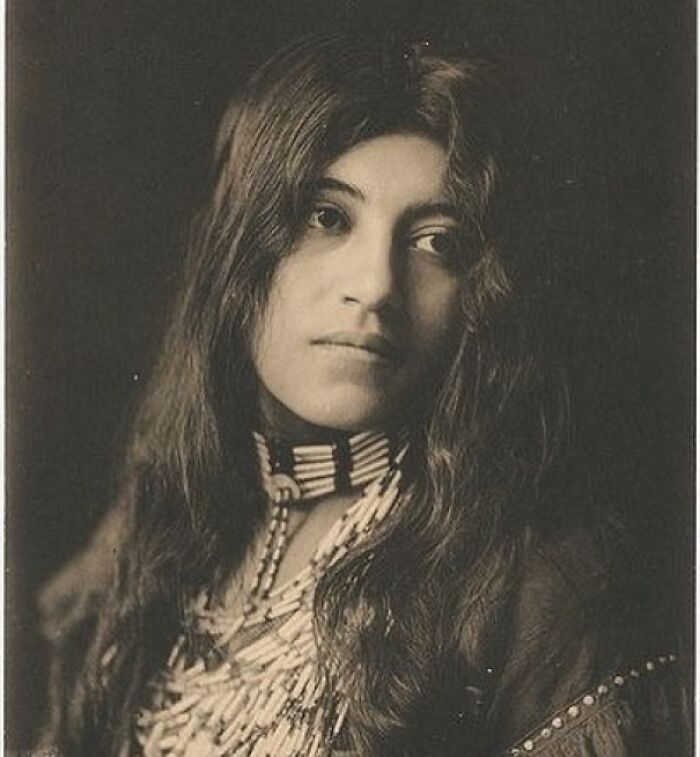
Image source: historyonly
#62
An immigrant family at Ellis Island, 1904.
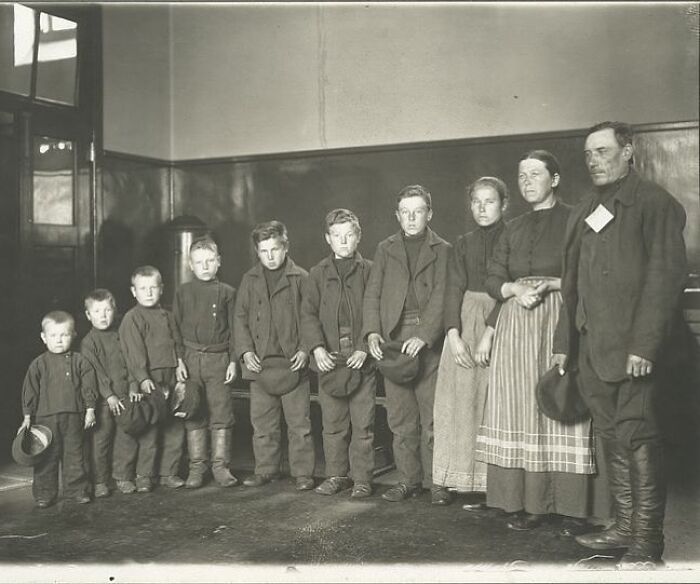
Image source: historyonly
#63
Scorched Lightning, a member of the Sioux Nation, dressed in traditional costume including a bear claw necklace. Circa late 1800’s/early 1900s.
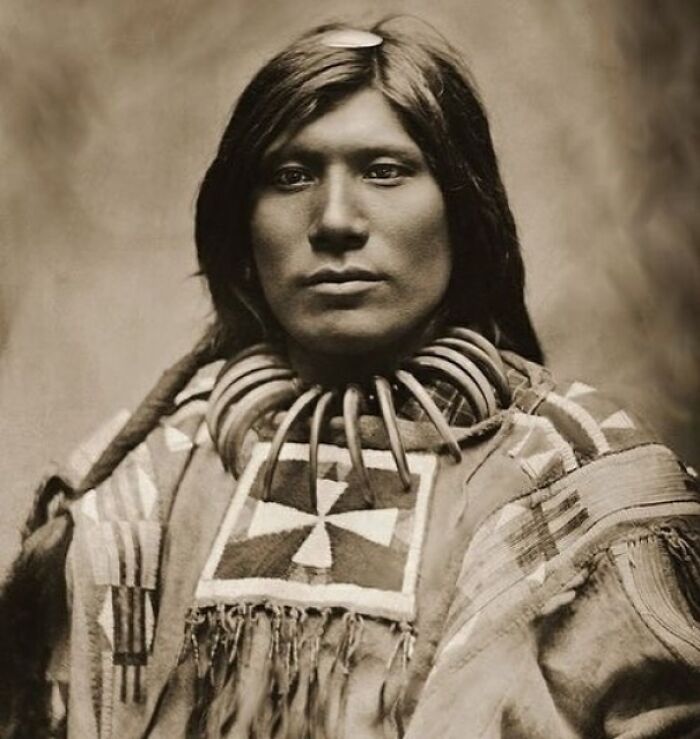
Image source: historyonly
#64
This is Jim Thorpe. If you look closely at the photo, you can see that he’s wearing different socks and shoes. This was not a fashion statement.
It was the 1912 Olympics and Jim, a Sac and Fox Native American from Oklahoma was representing the U.S. in track and field in a number of events including the decathlon.
On the second day of the decathlon, his shoes were stolen. But luckily he found two shoes in a garbage bin. That’s the pair he’s wearing in the photo. One shoe however was too big, so he had to wear an extra sock.
Jim won the gold medal wearing these shoes.
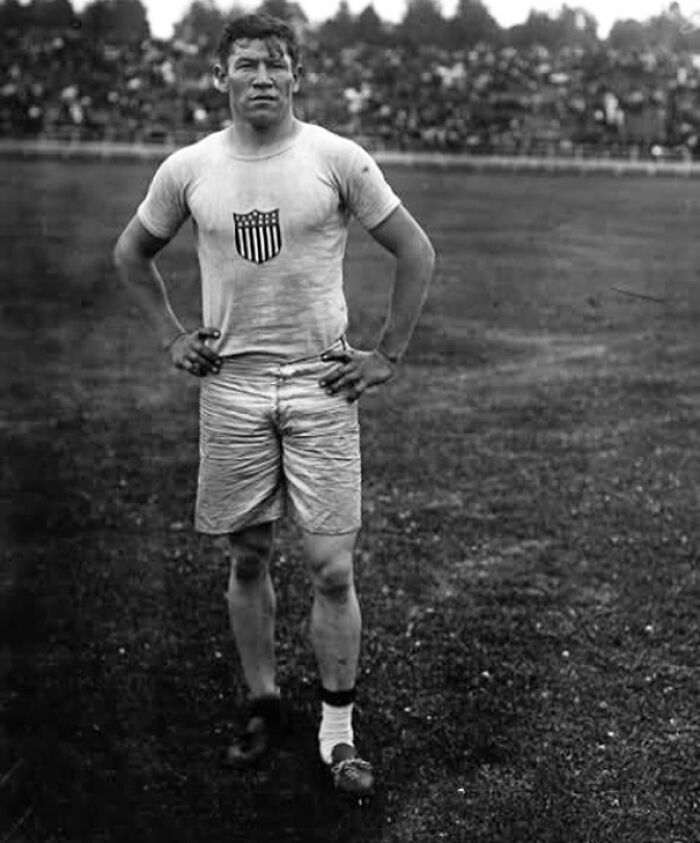
Image source: historyonly
#65
“For us, warriors are not what you think of as warriors. The warrior is not someone who fights, because no one has the right to take another life. The warrior, for us, is one who sacrifices himself for the good of others. His task is to take care of the elderly, the defenseless, those who can not provide for themselves, and above all, the children, the future of humanity.” – Sitting Bull.
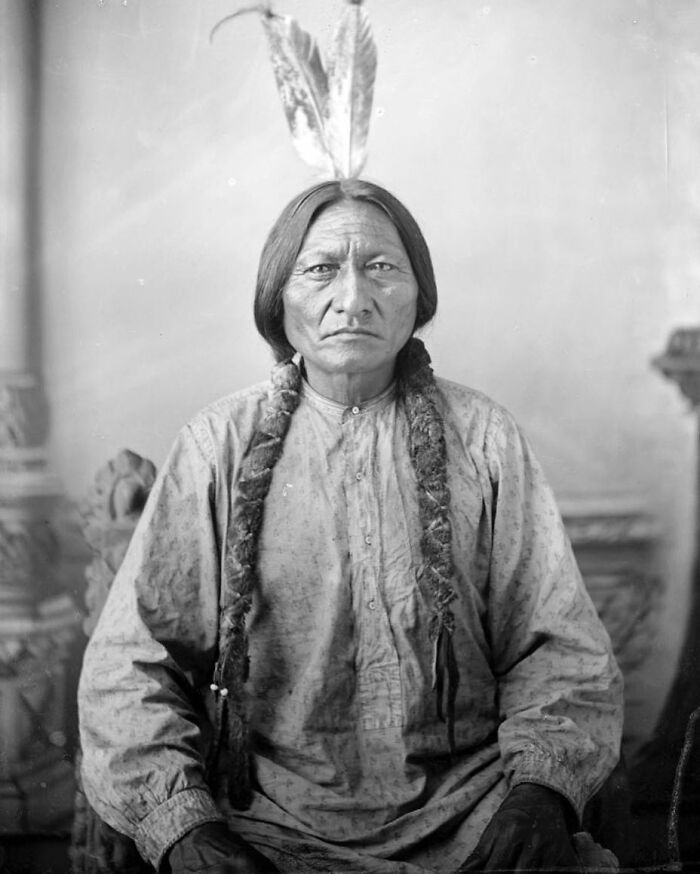
Image source: historyonly
#66
(1933). Blind World War I veteran selling newspapers on sidewalk in Washington, D.C. Photo by Renklitarih.
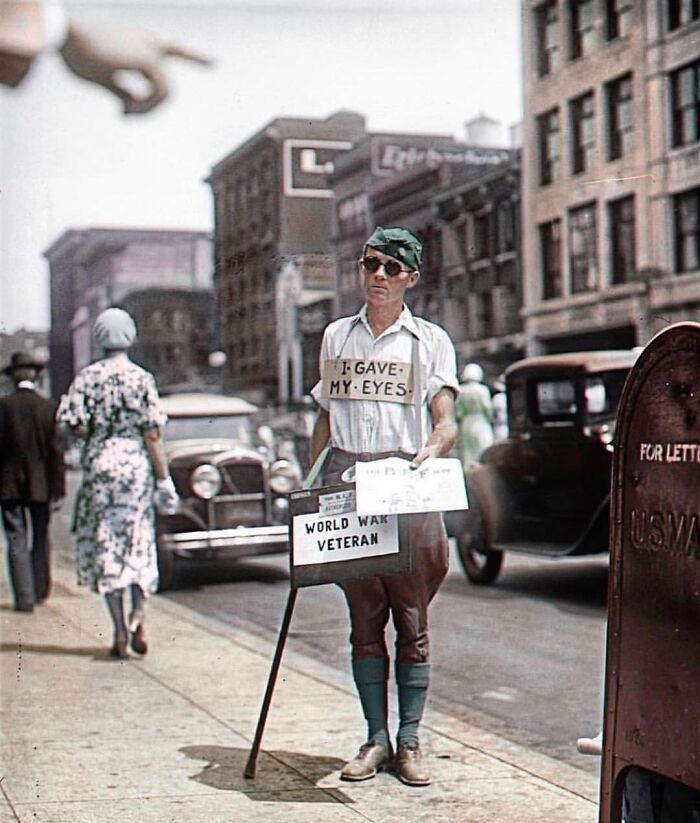
Image source: historyonly
#67
Colorized photo of a morning walk on Brooklyn Bridge, New York City, ca 1905.
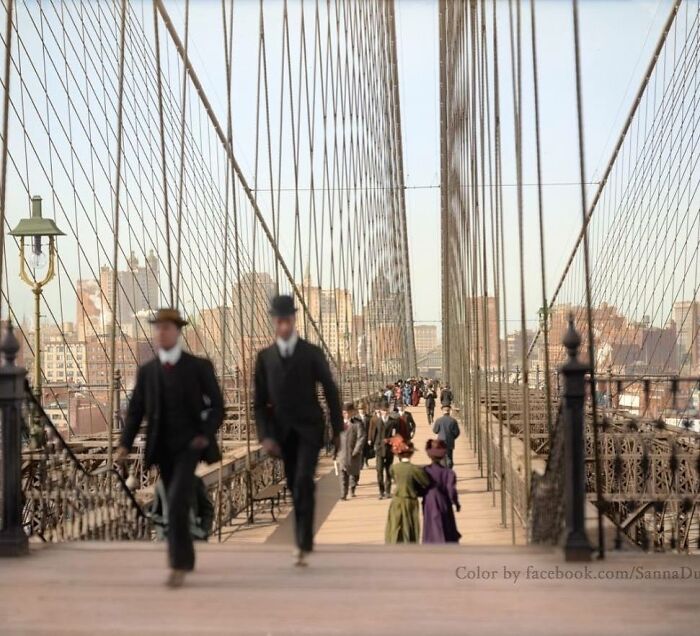
Image source: historyonly
#68
Ah-Weh-Eyu (Pretty Flower) from the Seneca tribe, 1908.
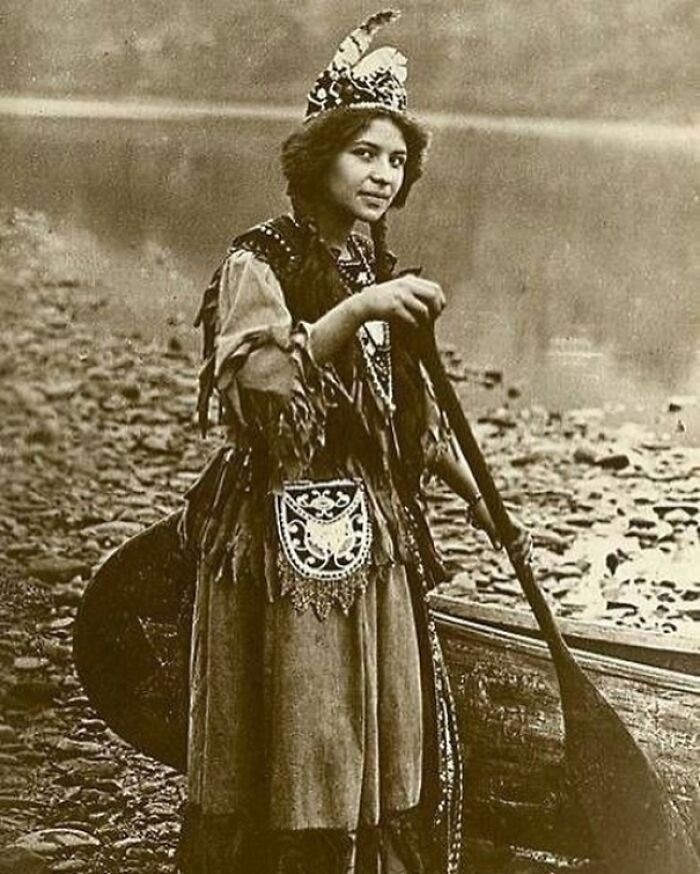
Image source: historyonly
#69
Paris, circa 1900.
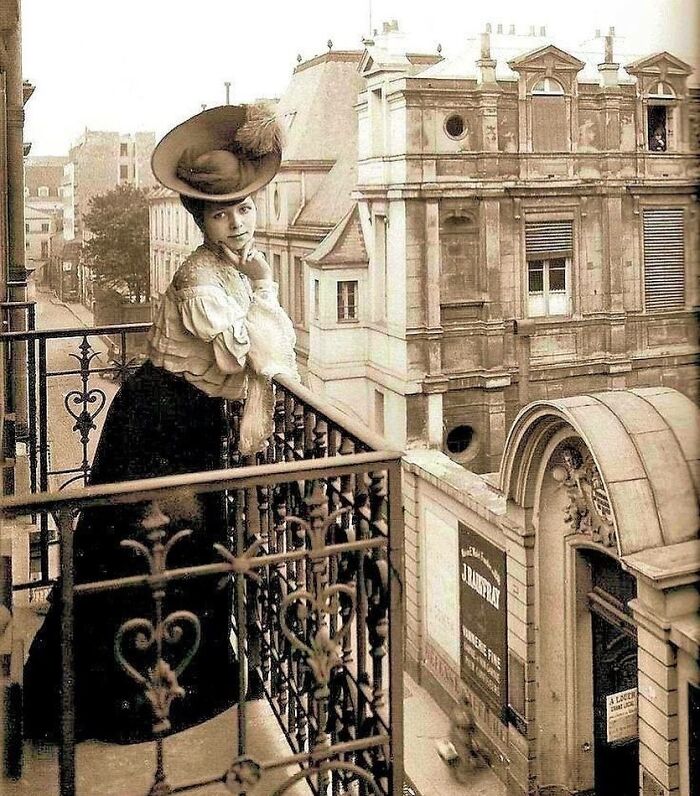
Image source: historyonly
#70
Afro-Mexican Children in Guanajuato, 1910. Romualdo García.
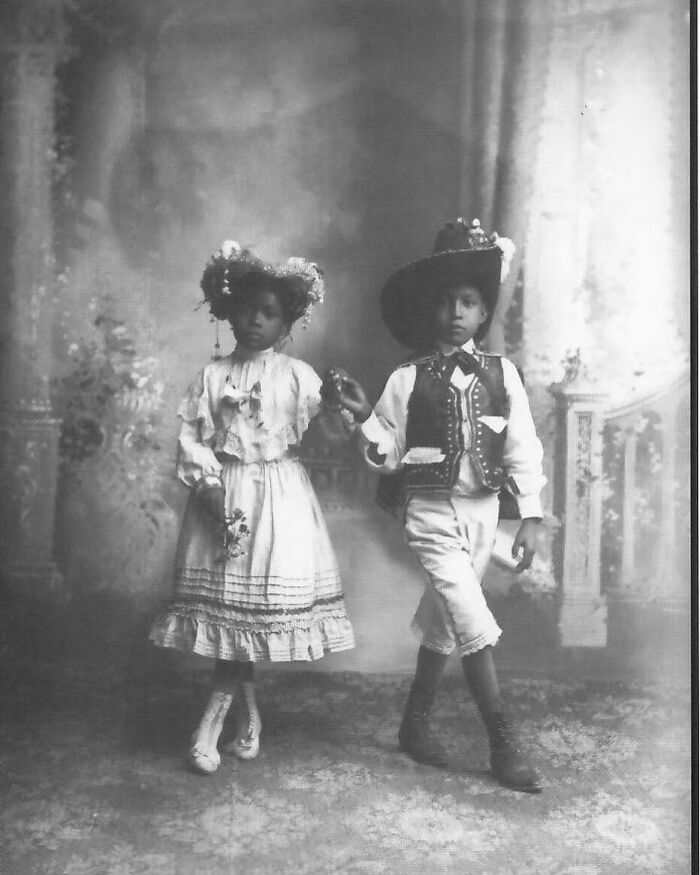
Image source: historyonly
#71
From 1785 to 1922, White Wolf, also known as Chief John Smith said to have lived 137 years.
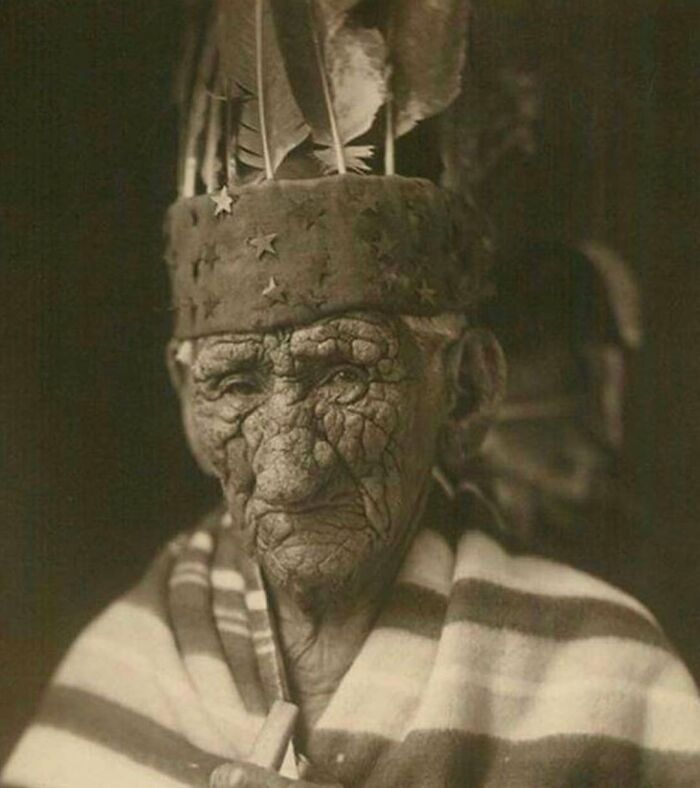
Image source: historyonly
#72
Pretty Nose, from the Arapaho tribe, 1879.
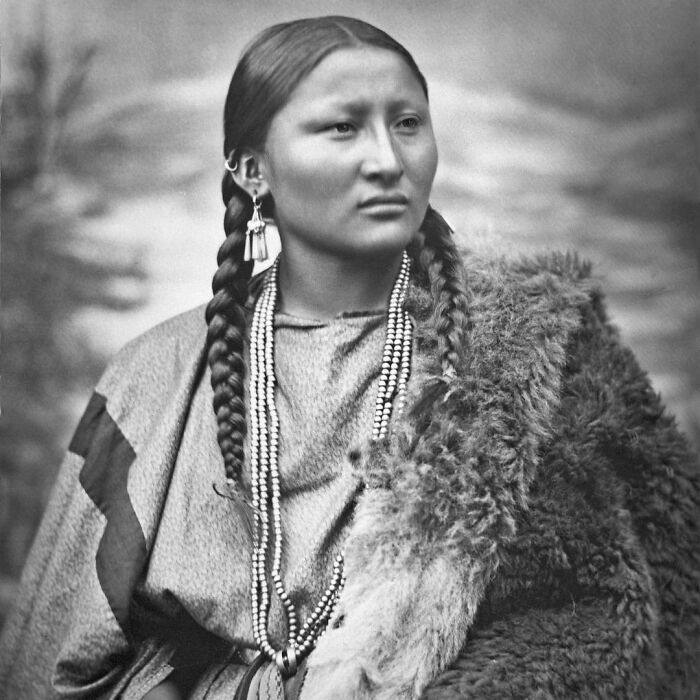
Image source: historyonly
#73
17th century bridge house. It once served as a counting house, a tea room, a weaving shop, a cobblers shop, a chair makers studio, and a home to eight people.
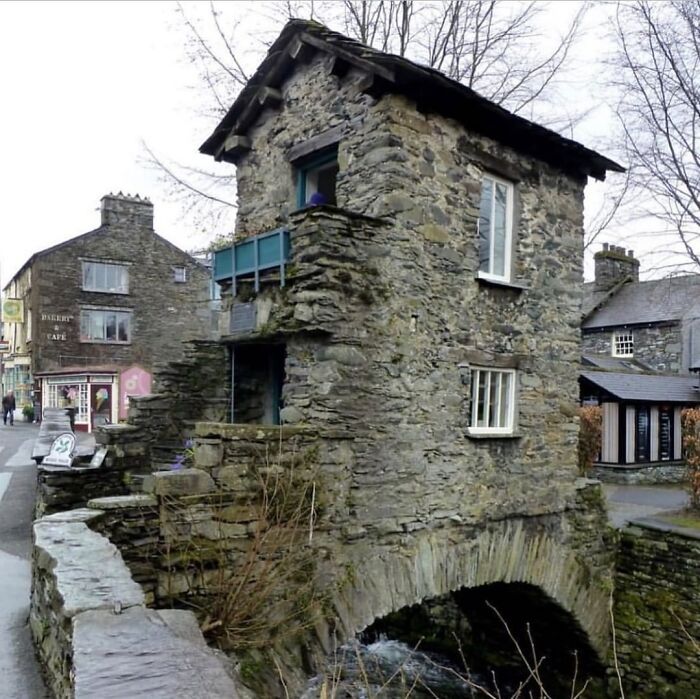
Image source: historyonly
#74
A snapshot of historical fashion from the 1930s.
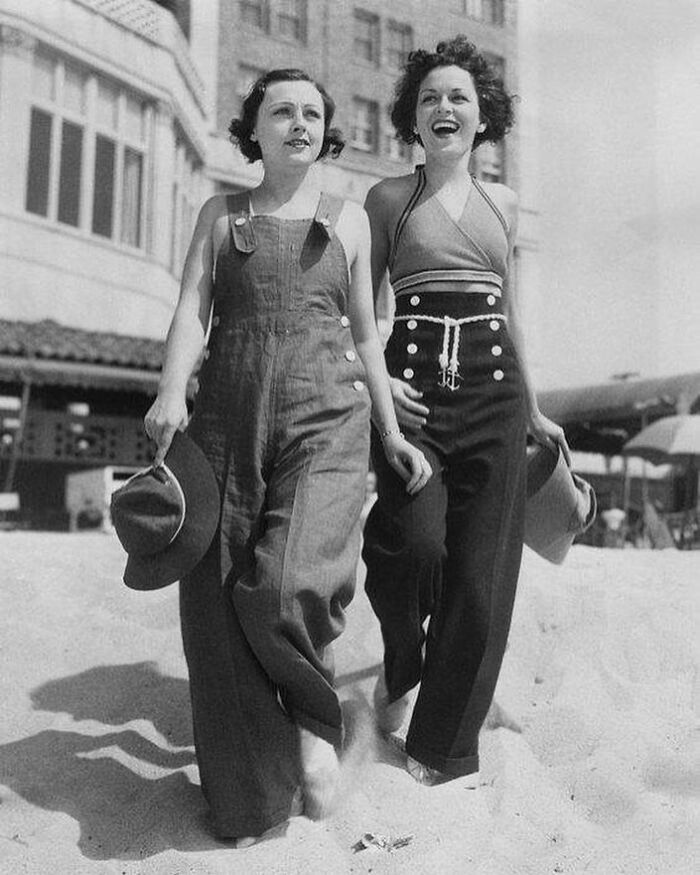
Image source: historyonly
#75
Members of Robert F. Scott’s expedition to south pole inside an ice grotto with Terra Nova ship in the distance. 1911.
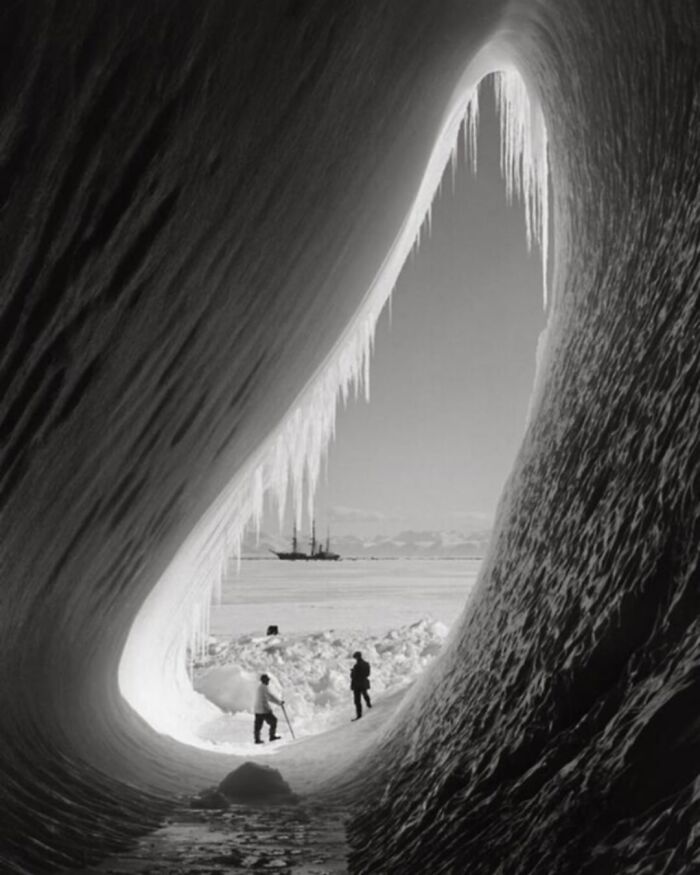
Image source: historyonly
 Follow Us