2016 is on pace to be the hottest year on record. Penguins of Antarctica don’t like it, especially certain species which are more sensitive than others to climate change.
Adelie and Chinstraps penguins are more vulnerable then Gentoo penguins to the environmental change and their number is in decline. All species benefit from the melting of the Antarctic Peninsula’s sea ice, because it provides the penguins with more open land and, in turn, better breeding sites. The negative impact of warming climate is on the reduction of their main food source, krill, which has declined dramatically over the last 50 years.
Gentoo species have a more flexible diet than other two species, and can adapt to the shortage of krill, whilst Adelie and Chinstraps rely heavily on it for their survival . Climate change is not the only threat to the krill population as fishing companies catch krill and turn it into animal feed and lucrative omega-3 dietary supplements.
The delicate balance of this exceptional part of the world is therefore under serious threat because of human activities and the impact could be potentially irreversible.
More info: massimorumi.com
According to scientists at NASA’s Goddard Institute for Space Studies the first half of 2016 was the planet’s warmest half-year on record

Penguins are affected by global warming because it changes their natural enviroment

One one side the ice melted provides Gentoo, Adelie and Chinstrap penguins with more breeding space

These species do not raise their chicks on sea ice. Instead, they build a nest out of pebbles on the sparse areas of the Antarctic shoreline that are free of ice and snow

They use pebbles to build their nest
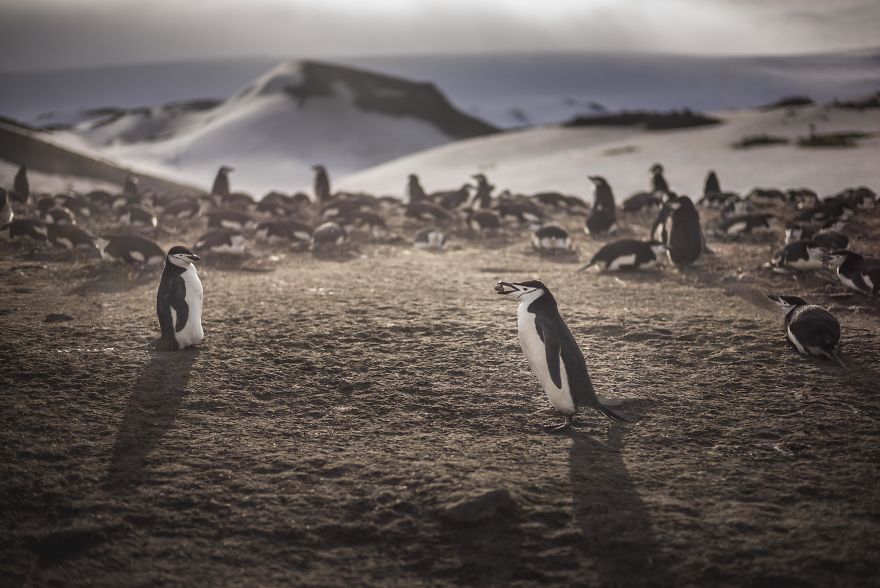
Both parents work to build a circular nest of stones, grass, moss, and feathers

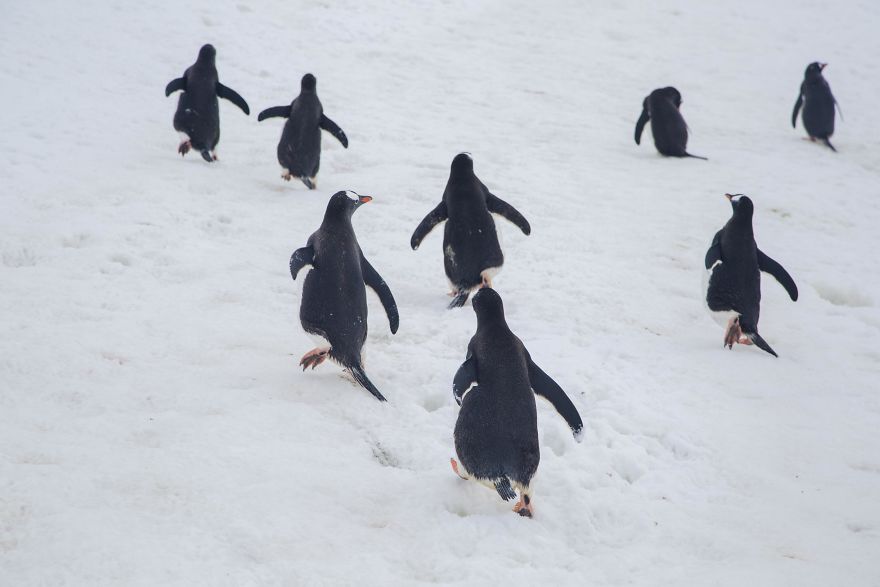
But only the Gentoo species of penguin is able to flourish under these conditions
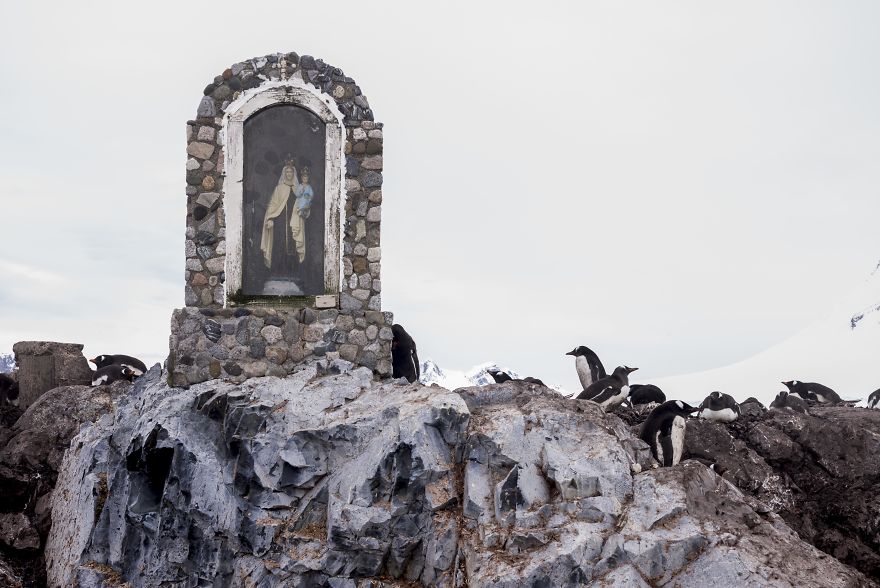
That’s because Gentoo penguins have a much more flexible diet than the other two species
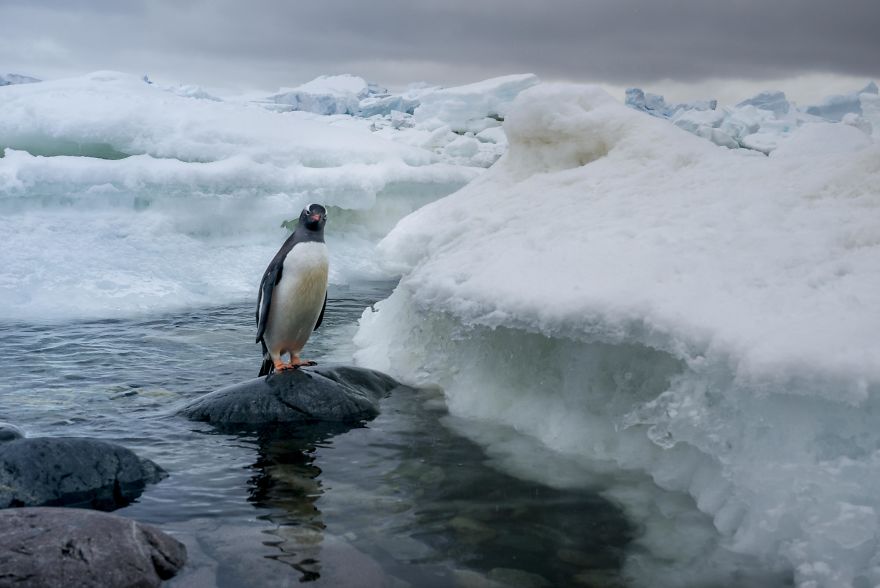
They are not as dependent on the tiny, transparent crustaceans as the other two species, which also happen to rely on fish that eat krill

And they are increasing in number
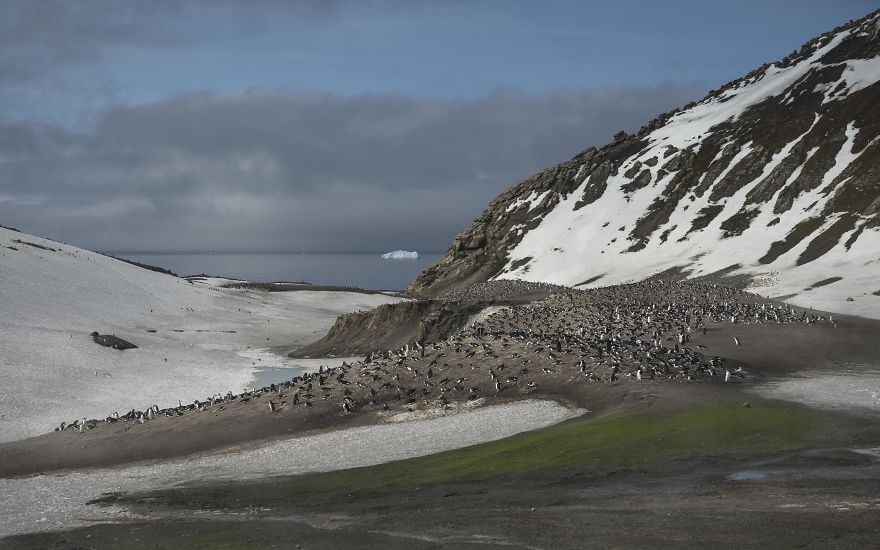
But for Adelie and Chinstraps, ocean warming and the melting of sea-ice are linked to the decline of their major food supply—Antarctic krill

Krill in this region have declined by as much as 80% since the 1970s ( Actionbioscience)

Adelie penguins are declining rapidly . They are the most sensitive to climate change
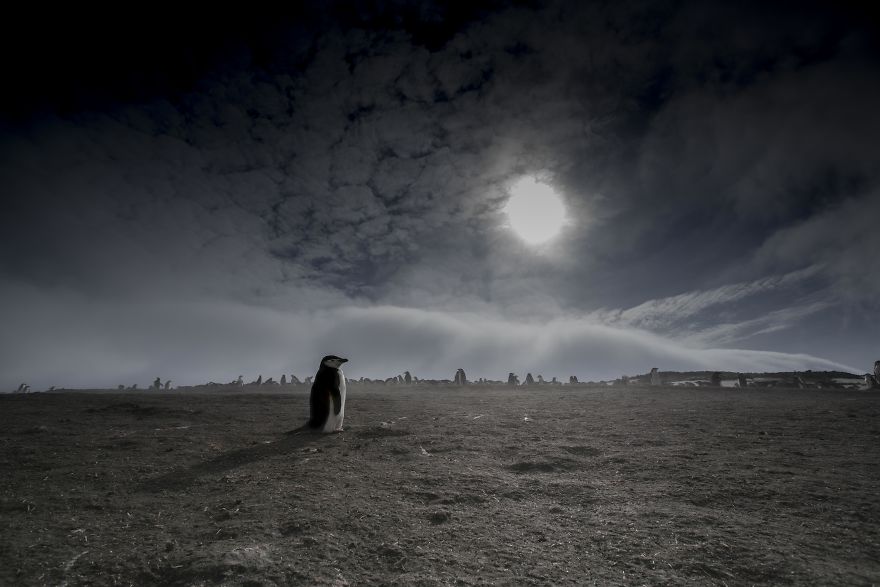
In a paper published June 29 in the journal Scientific Reports, the researchers project that approximately 30 percent of current Adélie colonies may be in decline by 2060

Carbon dioxide (CO2) is the main heat-trapping gas largely responsible for most of the average warming over the past several decades

Individual actions of everyday people are still crucial to reduce carbon emissions. Eating less red meat, recycling, buying local produce

For example, by taking climate-conscious decisions we can together make a big difference

And the most sensitive species will not disappear

Our future generations should still be able to see Happy Feet
 Follow Us