Artificial intelligence seems to be moving so fast that humanity can barely keep up. That’s why so many scientists and researchers keep issuing warnings about its reckless development, as they feel the end could be nigh.
Unfortunately for us, a scary prediction by the French astrologer, apothecary, physician, and reputed seer Nostradamus is making the rounds and could validate AI researchers’ warnings. All of these foreshadowings about the end of the world are definitely quite terrifying, but it’s best to stay one step ahead, which is why you should check out the prophecy for yourself.
Sometimes wisdom from the past can be the single biggest tool to help us figure out the future
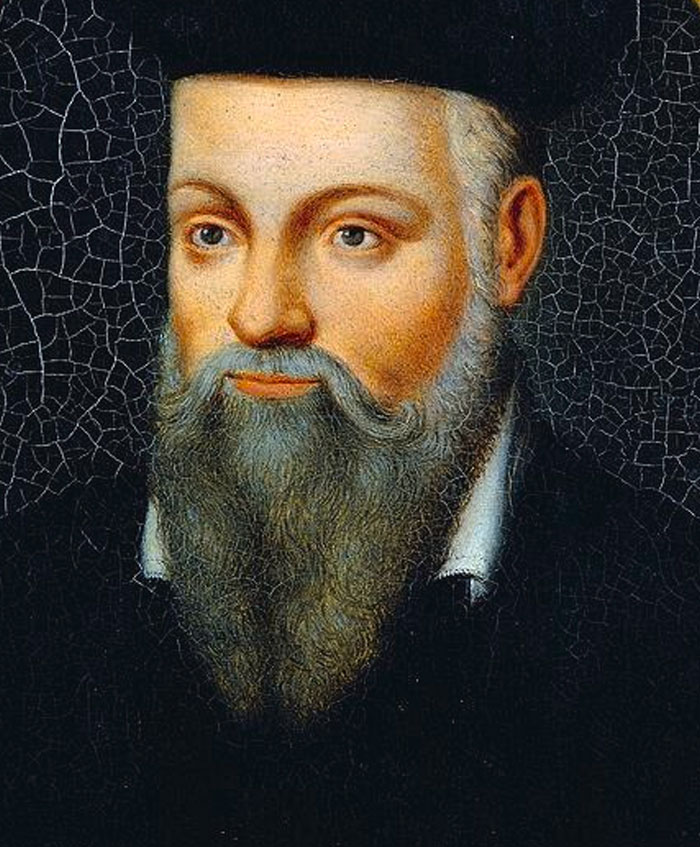
Nostradamus was best known for his book ‘Les Prophéties,’ which was published in 1555 and contained 942 poetic quatrains that predicted future events
The French astrologer was born Michel de Nostredame and Latinised his name to Nostradamus after writing an almanac in 1550. According to National Geographic, he became interested in the occult and combined it with his medical knowledge to work as a psychic for noblemen.
Beyond his book, Nostradamus also penned 6,338 prophecies and created 11 annual calendars. His writing, which predicted many natural disasters, wars, and historical events, gradually earned him an audience that truly believed he could see the future, though some skeptics remain unconvinced.
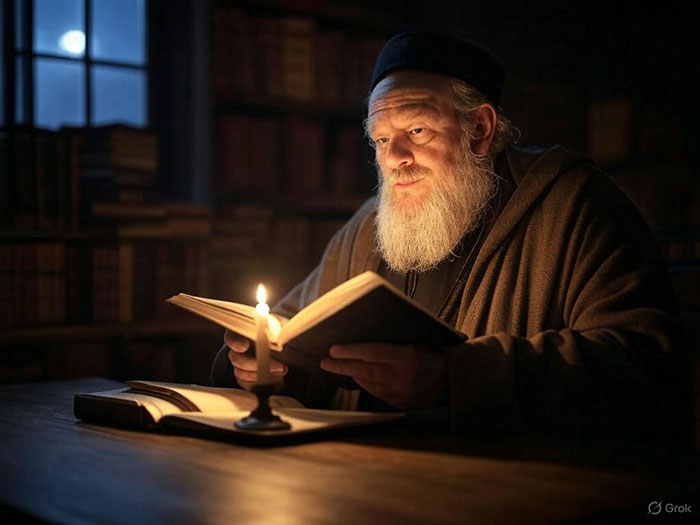
Lindell Dillon/Flickr (not the actual photo)
There have been many AI Nostradamuses that have made bold predictions about the technology’s future, but the French author’s words still hold the most weight
A Brazilian parapsychologist named Athos Salome, called the ‘Living Nostradamus,’ shared prophecies in 2025 about genetically modified humans, AI spiraling out of control, and humans establishing contact with extraterrestrial life. Another former OpenAI researcher, Leopold Aschenbrenner, was called the ‘Nostradamus of AI’ for making crazy bets on the technology’s development.
All these folks who made headlines are nothing compared to the actual French seer whose four-centuries-old text reveals that doomsday might be approaching. In a passage labeled Century IV, Quatrain 31, from his 1555 book, he wrote: “The Moon in the full of night over the high mountain, the new sage with a lone brain sees it: By his disciples invited to be immortal, eyes to the south. Hands in bosoms, bodies in the fire.”
Experts have interpreted the words ‘lone brain,’ ‘immortal,’ and ‘disciples’ as referring to a computer or machine intelligence, and ‘the new sage’ as possibly representing some technology. This could suggest that Nostradamus believed artificial intelligence could someday take over the world and that people should be careful.
Matheus Bertelli/Pexels (not the actual photo)
The head of an artificial intelligence company called for the pace of development to be slowed over concerns about its reckless growth
Dario Amodei, who is an AI researcher, entrepreneur, and co-founder of Anthropic, wrote an essay titled ‘We Must Pace the Frontier.’ In it, he said the risks associated with artificial intelligence are serious and that companies and governments should address them as soon as possible. He also outlined a 3-point plan covering ideas like independent monitoring of AI models, along with industry-wide and global regulation.
Dario explained that if companies slowed down, they could buy a year or two before models reach a higher capability and researchers could get ahead of it, thereby reducing the risk of anything going wrong. Sam Altman and Elon Musk, the bosses of two rival firms, echoed his sentiments, signaling how powerful AI has become.
igovar igovar/Pexels (not the actual photo)
Researchers believe that there’s a 10% chance AI could wipe out humanity in the next decade
According to Evan Hubinger, a member of Anthropic’s technical staff, he feels the risk from current models is low, but that in the near future artificial intelligence could improve itself so much that it will become an existential risk to humans.
Although it’s still unclear what kind of danger people could face from this technology, these warnings from researchers and scientists are on the rise. Even Jacob Coxon, who previously worked at OpenAI and quit Anthropic, said the companies aren’t acting responsibly, as artificial intelligence can hack into systems, which could lead to it gaining real power and resources.
It’s clear that with all of the risks AI poses to people, Nostradamus’s prediction isn’t that far off. For his supporters, there may be no doubt about his authenticity, but Discovery Channel UK points out that many of his prophecies could apply to any real-world event because they are so vague and ambiguous.
People also tend to retroactively fit some of his writings into modern-day events, which makes it seem like he “predicted” the future. These supposed prophecies lacked solid evidence and mostly consisted of suppositions, which doesn’t mean they are false. It’s hard to know what Nostradamus could be referring to in his book, but it’s clear he was issuing a warning.
Airam Dato-on/Pexels (not the actual photo)
Check out this video to see what people have to say on the topic
Although normal folks might not be able to change the AI landscape on their own, there are still a few things we can do
According to the BBC, it’s important not to rely on artificial intelligence all the time, and instead to spend time thinking, asking people for help, and reading books before letting AI take over our research. By challenging ourselves to come up with creative ideas and solutions instead of outsourcing it to the Internet, we build more self-reliance and don’t give artificial intelligence that much power.
It’s clear that Nostradamus’s prophecy holds a tiny bit of truth about the end of the world approaching. Whether that’s because of AI or something else entirely, it’s hard to know.
What do you think his writing actually means? Let us know your thoughts in the comments below.
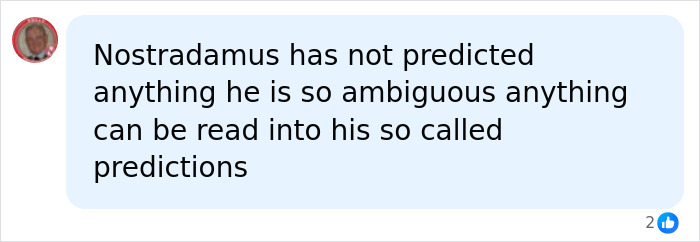
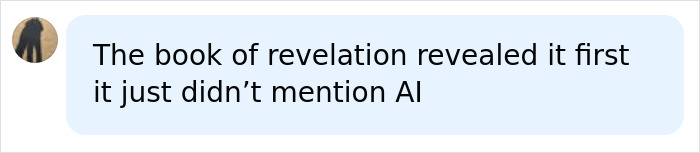
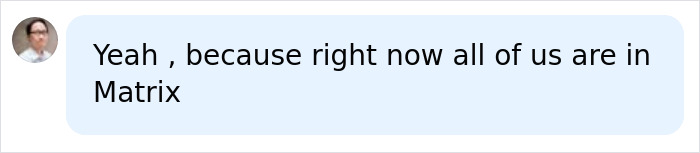
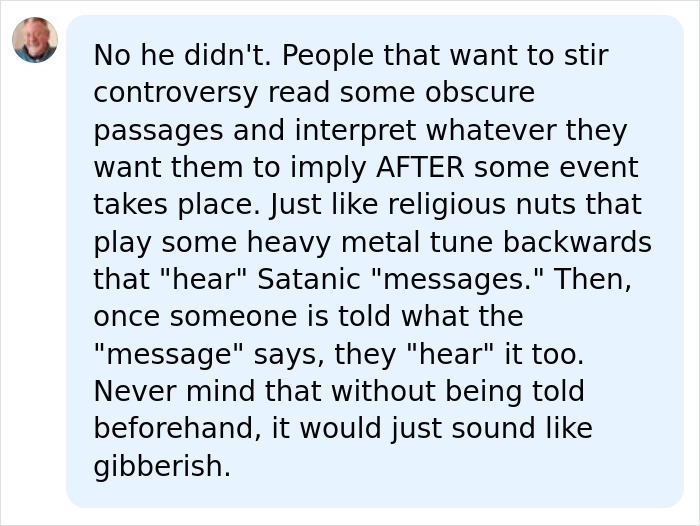
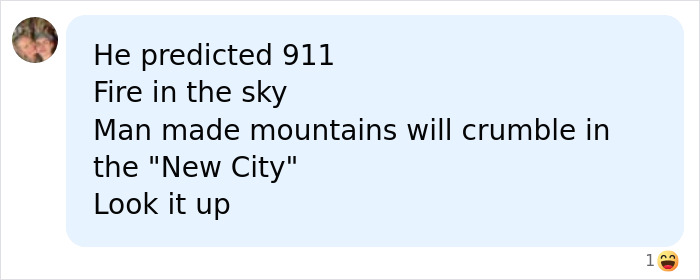
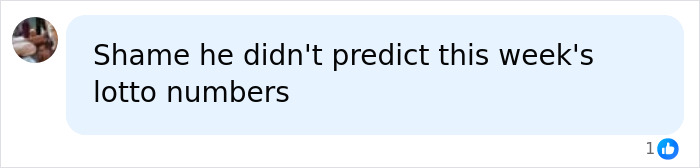
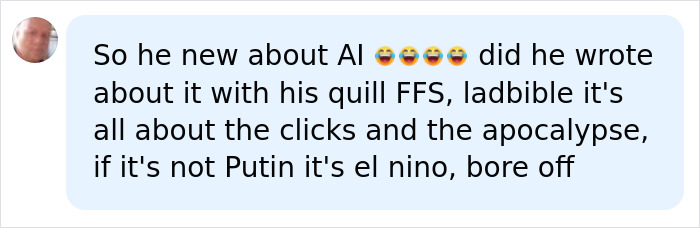
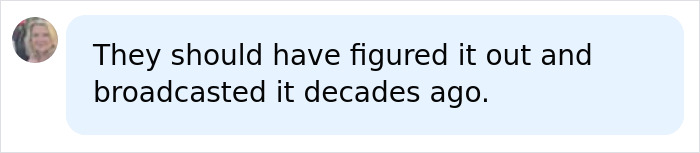
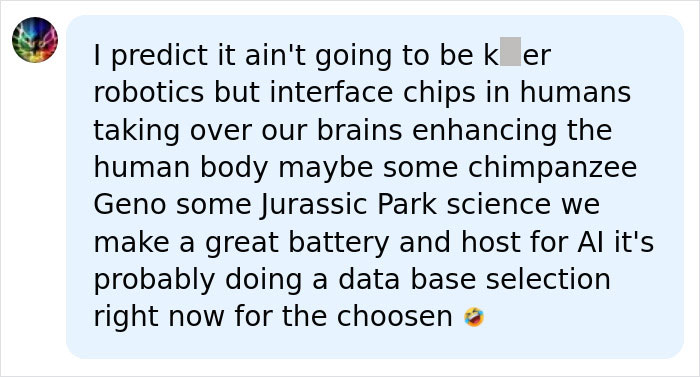
Most people were skeptical of Nostradamus’s prediction and felt that folks were purposely interpreting it in a scary way to create panic







 Follow Us