There’s something about ancient civilizations that fascinates us even thousands of years later. Their architecture, technology, and everyday life are things we will never experience but want to know as much as possible nonetheless. Ancient Egypt is many people’s favorite for a reason: the pyramids, pharaohs, hieroglyphs, and the religion made it stand out in the crowd of other ancient civilizations.
Bored Panda has compiled a list of the most interesting pics from two online communities: the Ancient Egypt and Egyptology subreddits. We hope you learn something new or just admire the history that seeps from these pictures. So, scroll down and discover the treasures of Ancient Egypt like you’ve never seen them before!
#1 A New Tomb Discovery In Egypt!
A joint French-Swiss archaeological mission has uncovered the mastaba tomb of a royal physician named “Teti Neb Fu” in the southern part of Saqqara, dating back to the Old Kingdom during the reign of King Pepi II.
The tomb is adorned with stunning carvings and vibrant artwork, including a beautifully painted false door and scenes of funerary offerings. Teti Neb Fu held prestigious titles such as Chief Palace Physician, Priest and “Magician” of the Goddess Serket (expert in venomous bites) , Chief Dentist and Director of Medicinal Plants
Despite evidence of ancient looting, the tomb’s walls remain intact, offering a rare glimpse into daily life and cultural practices during the Old Kingdom. The team also discovered a stone sarcophagus with inscriptions bearing the physician’s name and titles.
This incredible find adds to Saqqara’s rich legacy as one of Egypt’s most significant archaeological sites.
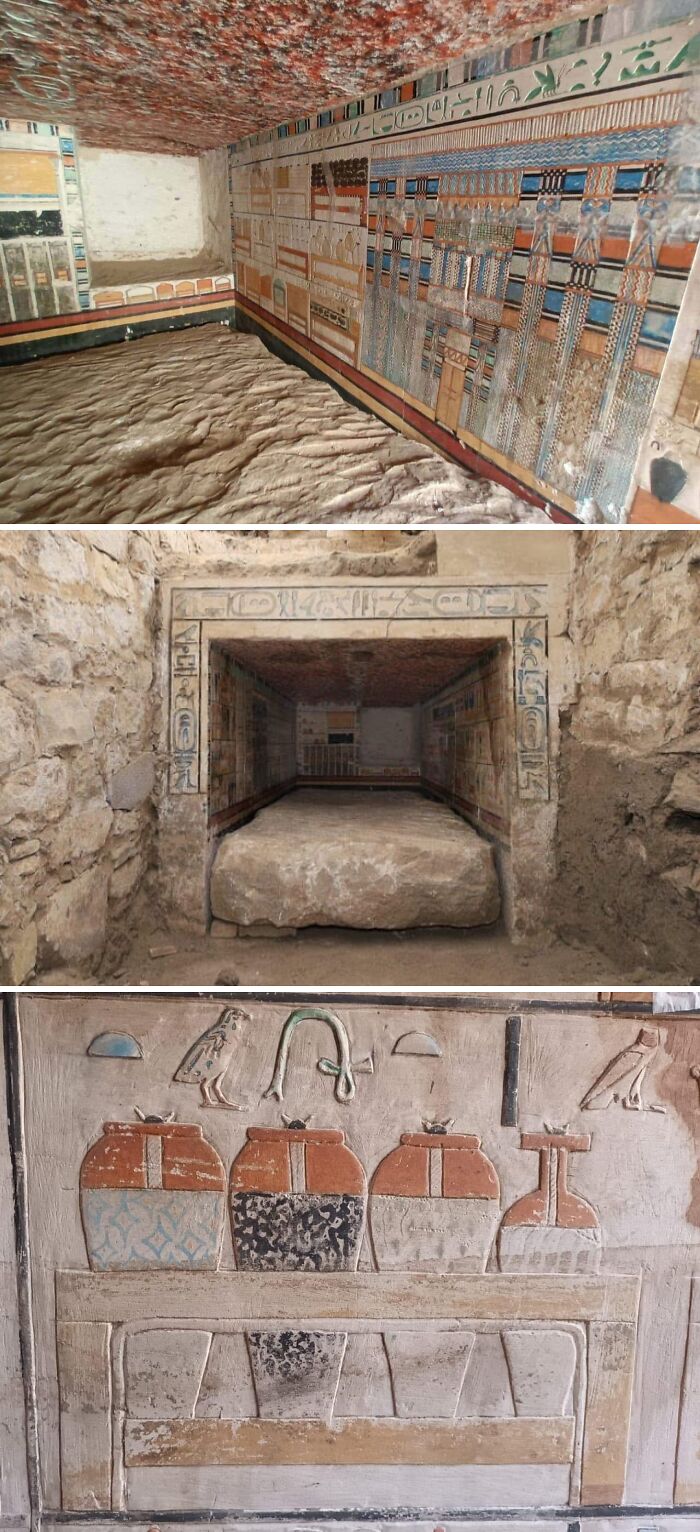
Image source: anon
#2 Before & After: Temple Of Abu Simbel In Egypt
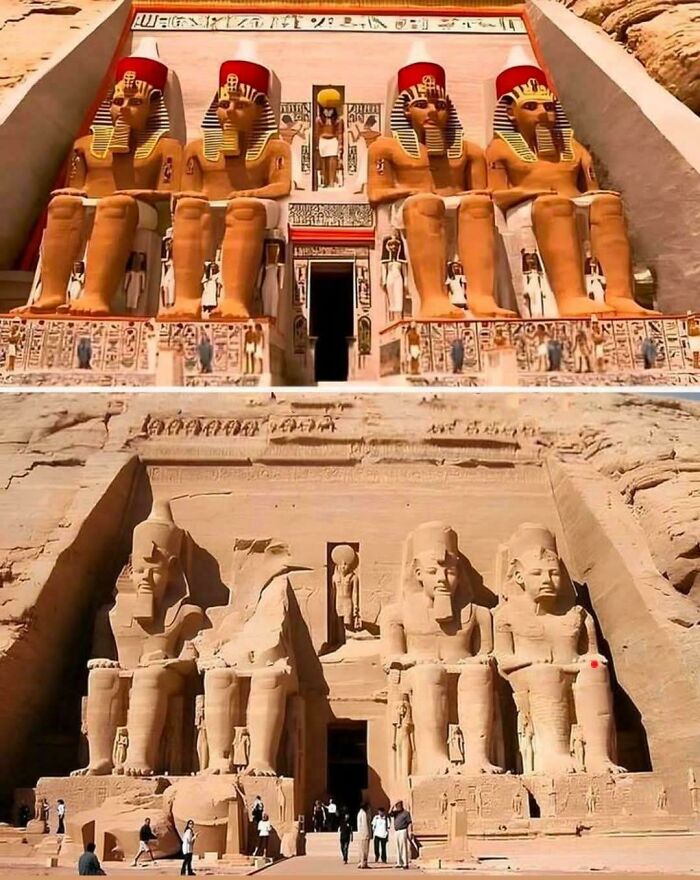
Image source: NastyNice1
#3 I Captured This Photo Of The Temple Of Hatshepsut Last Week. Such A Unique Building For Perhaps The Most Powerful Woman In Antiquity
The Mortuary Temple of Hatshepsut, standing within the cliff face of the West Bank of ancient Thebes, is one of the most stunning structures ever constructed. The pyramids get all the credit, but this temple, I would claim, is perhaps even more impressive. I just returned from 3 weeks exploring Egypt, and this was my personal favorite site.
Hatshepsut, pharaoh queen of Eqypt during the 18th dynasty (in the 1400’s BC), led the kingdom into some of Egypt’s most prosperous years ever. The architect behind the construction of this temple is Senenmet, Hatshepsut’s most trusted advisor who held over 90 titles, despite coming from a non-royal birth.
However, shortly after the death of the queen and the disappearance of Senenmut, a deliberate erasure of all their statues and inscriptions was carried out by the next pharaoh (the queen’s stepson) – Thutmoses III. Archaeologists have been puzzled for centuries as to what prompted Thutmoses III, and then briefly his son, to commit these acts. Perhaps, is there more to the story of Hatshepsut and Senenmut than meets the eye? I believe so…
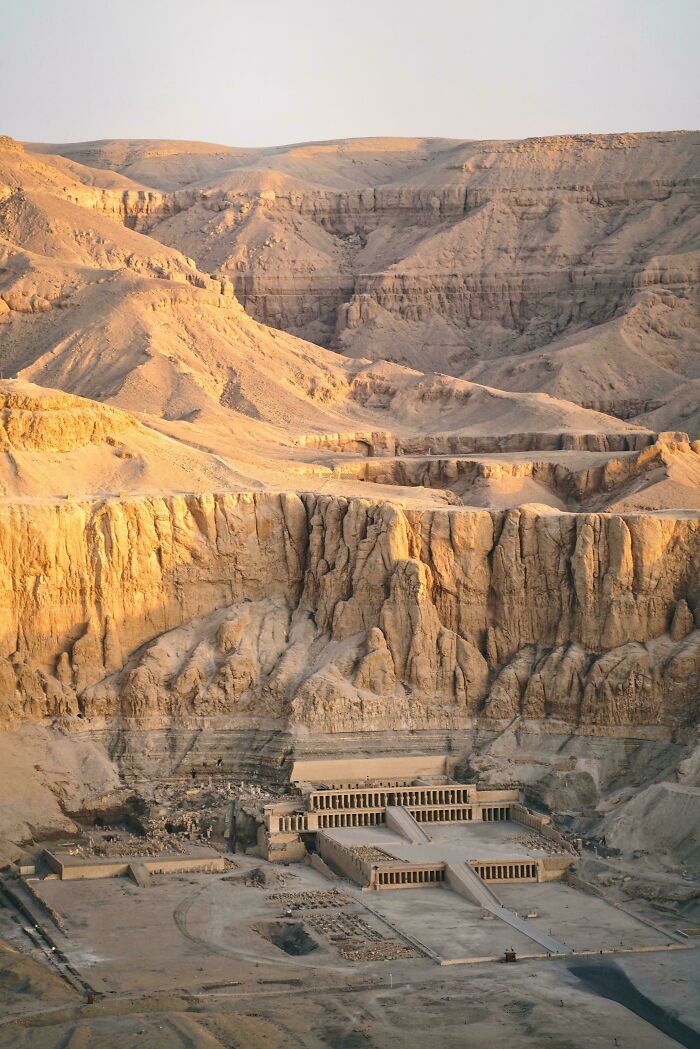
Image source: intofarlands
#4 The Most Incredible Monuments On This Planet
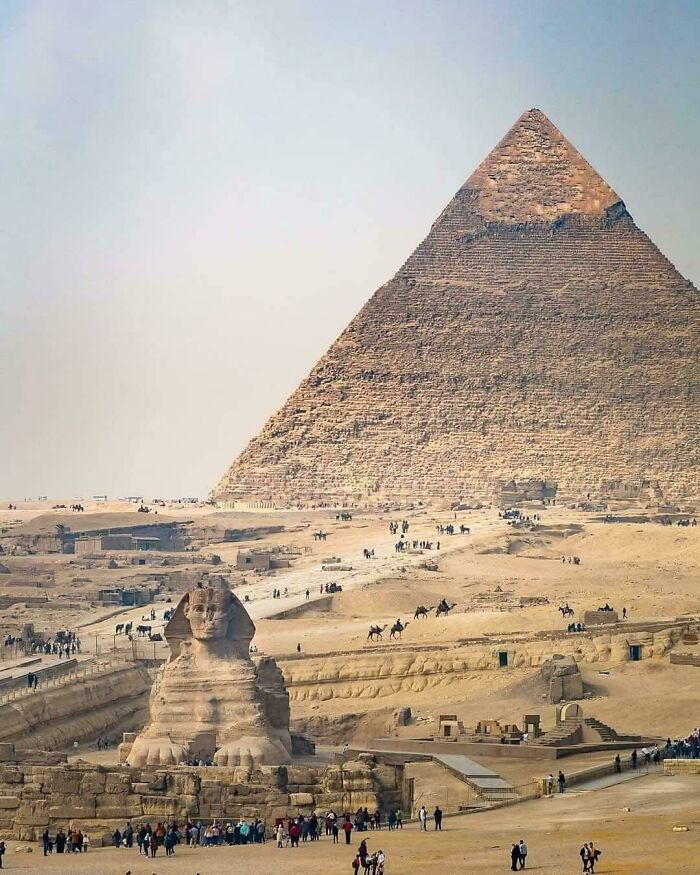
Image source: ComplexWrangler1346
#5 My Great Grandfather Was One Of The Engineers That Worked On The Relocation Of Abu Simbel. Today I Went Through Some Of His Photo Slides From When He Was Working On It
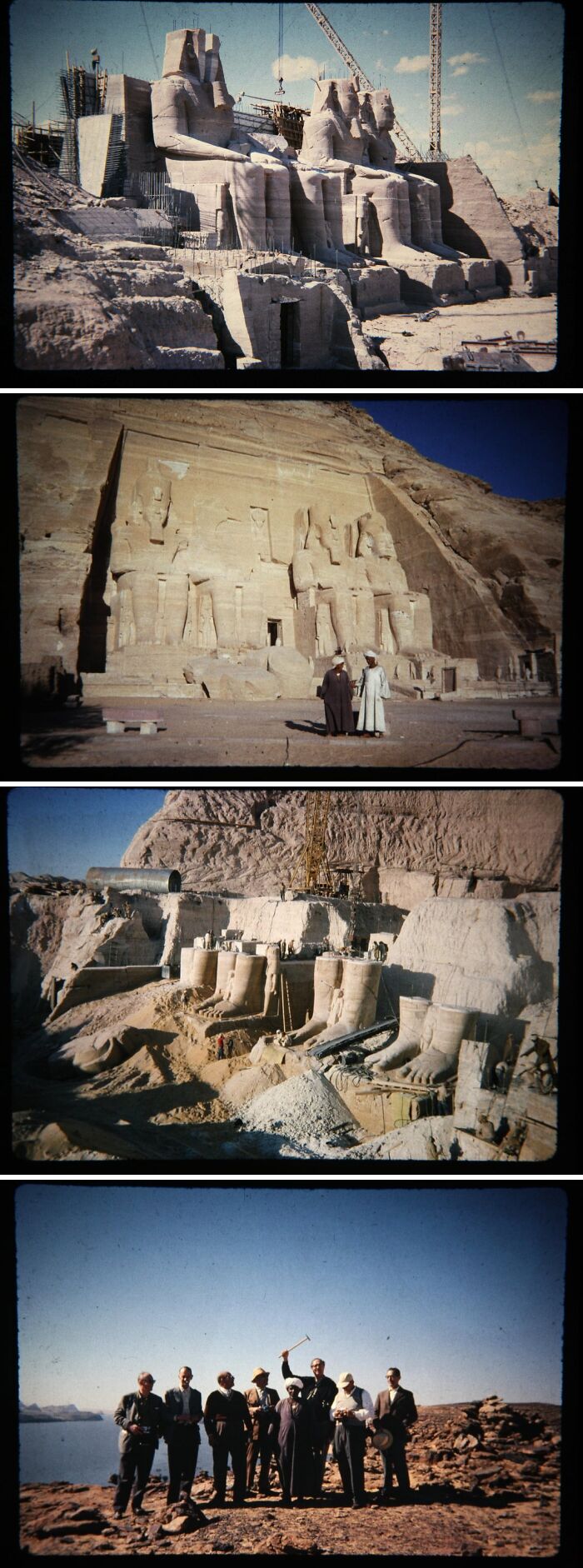
Image source: dushdj
#6 The Phenomenon Of The Sun Aligning With The Face Of Ramses II At The Grand Egyptian Museum
The ancient Egyptians initiated this phenomenon, which originally took place at the Abu Simbel temple on February 22 and October 22 of each year. The Grand Egyptian Museum studied the phenomenon in 2019 and announced it in 2020. The phenomenon occurs on February 21 and has repeated 6 times so far, with the exception of 2023 when heavy clouds obscured the sunlight.
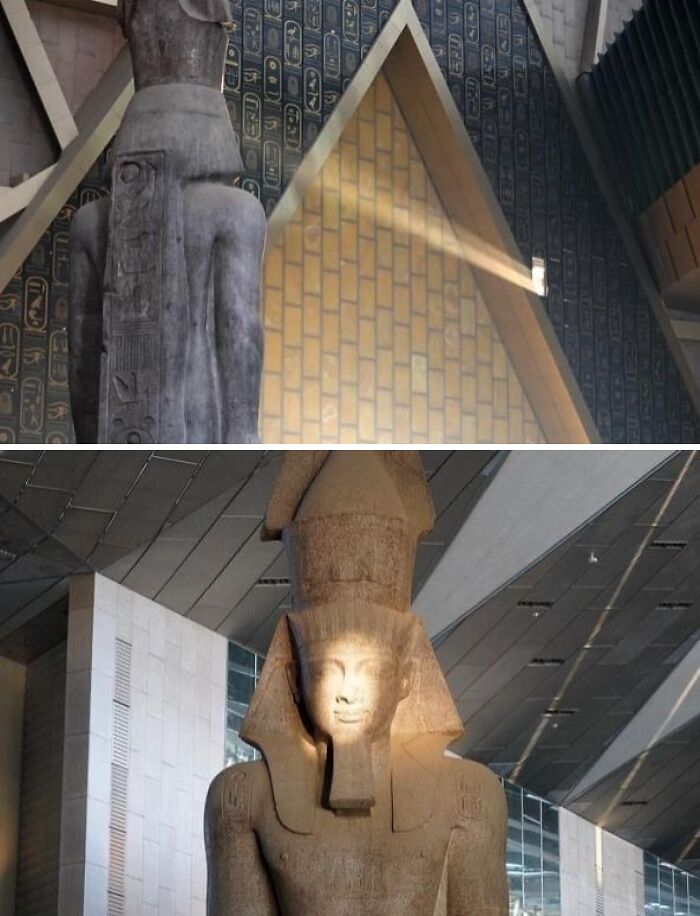
Image source: yousef-saeed
#7 A Painter’s Palette From Ancient Egypt
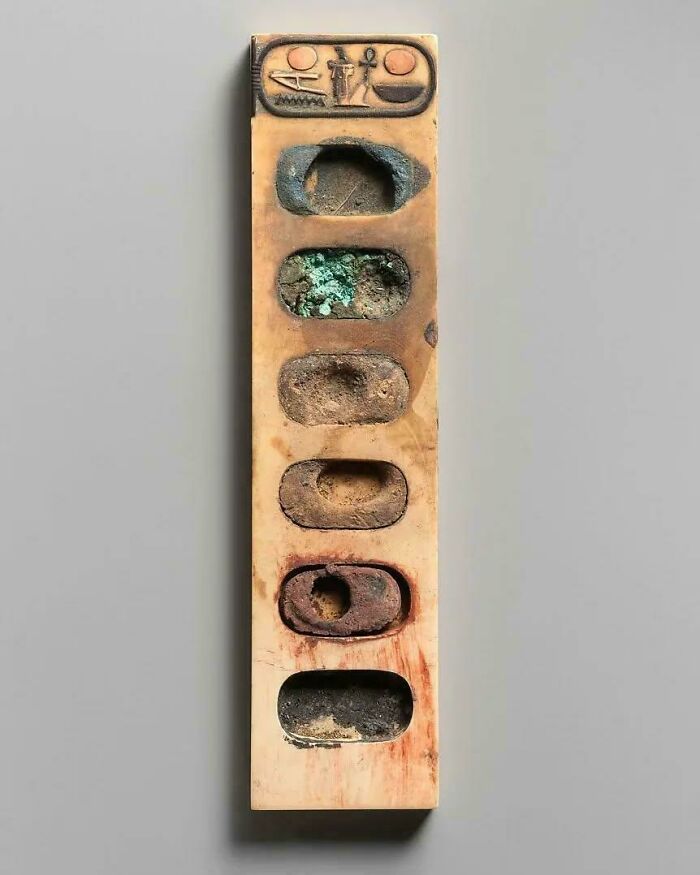
Image source: Extension_Attention2
#8 Pyramids Of Giza, Photographed In 1962
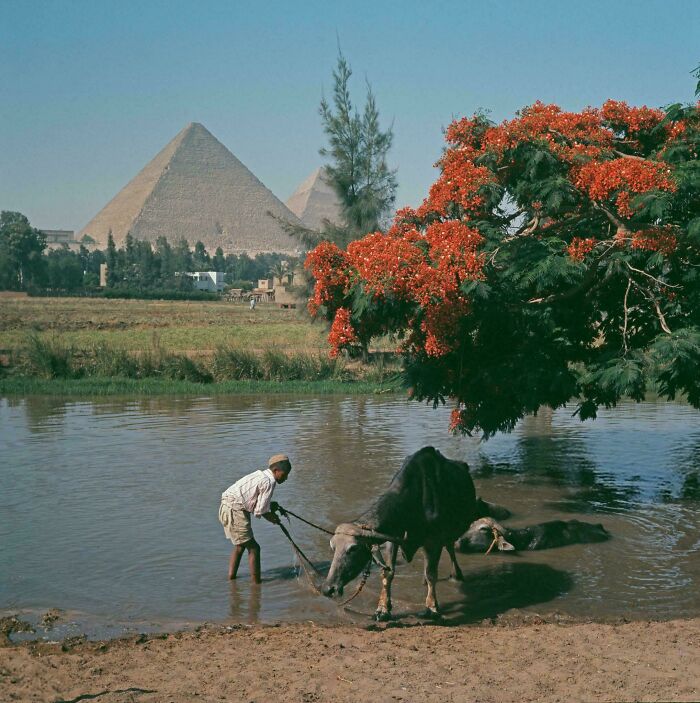
Image source: Ahmed_Ghalab
#9 This Is How Hieroglyphs And Figures In Ancient Egyptian Temples Looked Before Their Colors Faded
Like the other ancient civilizations, Egyptians loved their colors After thorough research, recreated using a polychromatic light display at the Metropolitan Museum of Art, New York
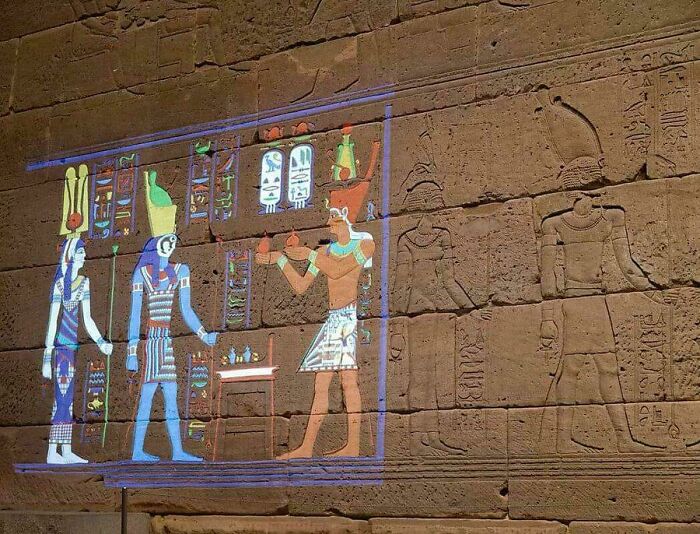
Image source: Earth7051
#10 Tutankhamun’s Sandals For Eternity
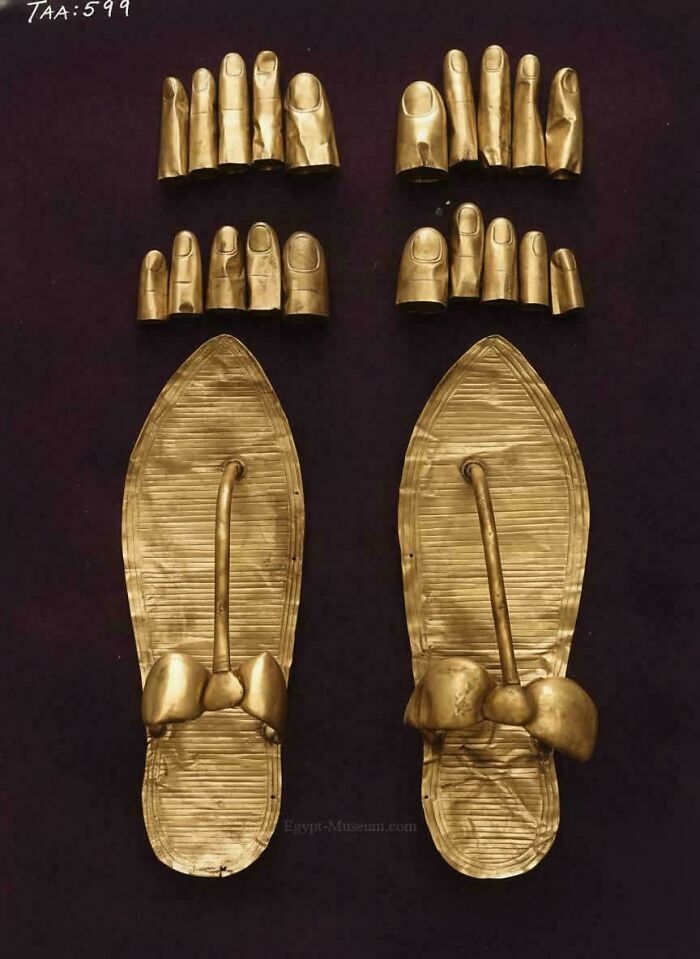
Image source: Ahmed_Ghalab
#11 Tourists Casually Climbing The Great Sphinx, Egypt, Circa 1858–1860
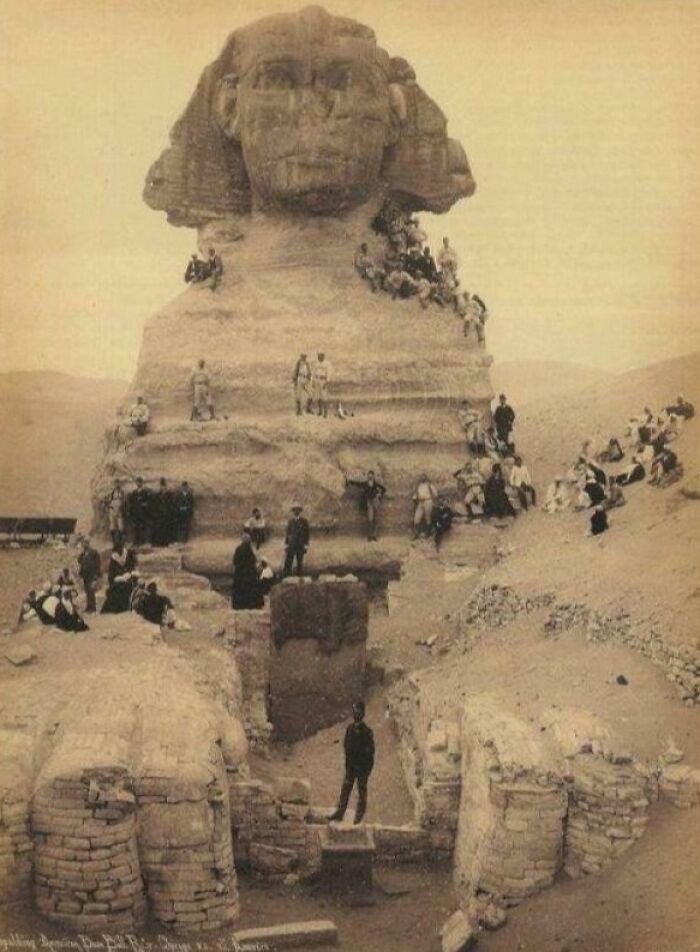
Image source: Sea_Parsley770
#12 In The 1890s, Tourists In Cairo, Egypt, Could Pose With Their Faces Peeking Out From Inside Prop Sarcophagi And Sculptures. The First Photo Is For Archduke Franz Ferdinand Of Austria
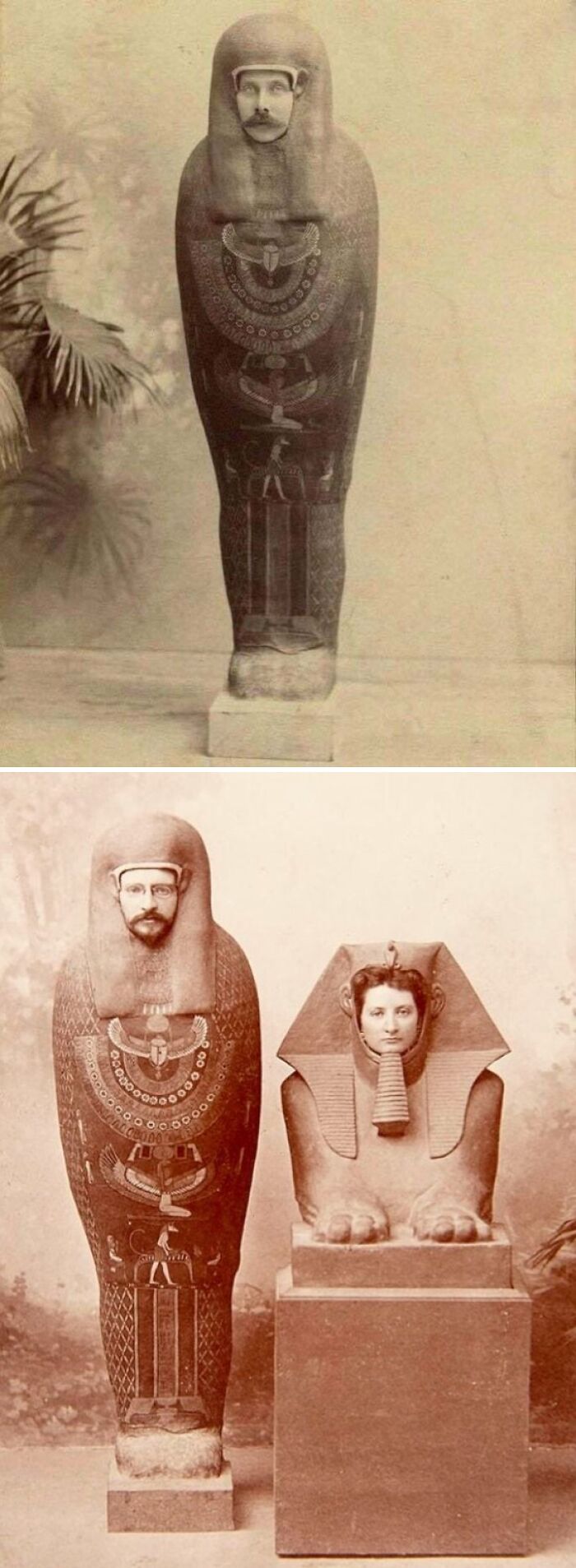
Image source: youonlychangeitonce_
#13 Tutankhamun’s Folding Bed
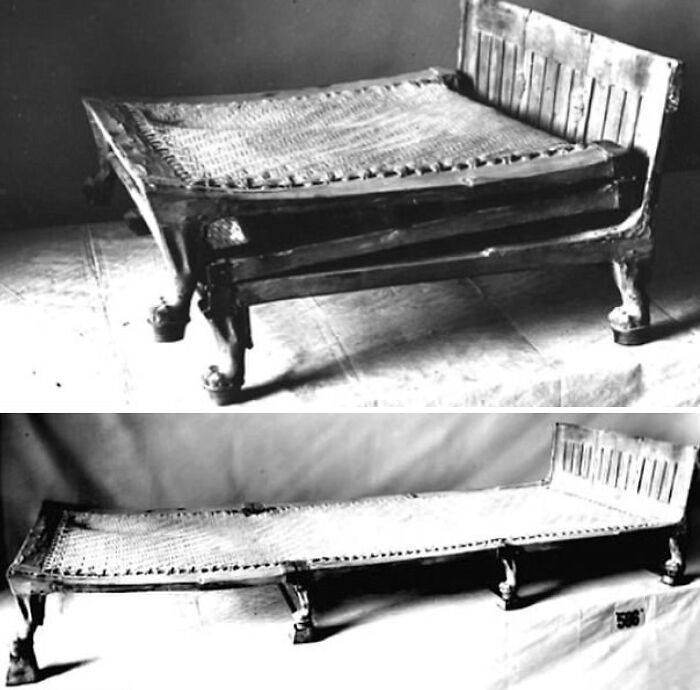
Image source: anon
#14 Tutankhamun’s Scarab Bracelet, C. 1332-1323 B.c
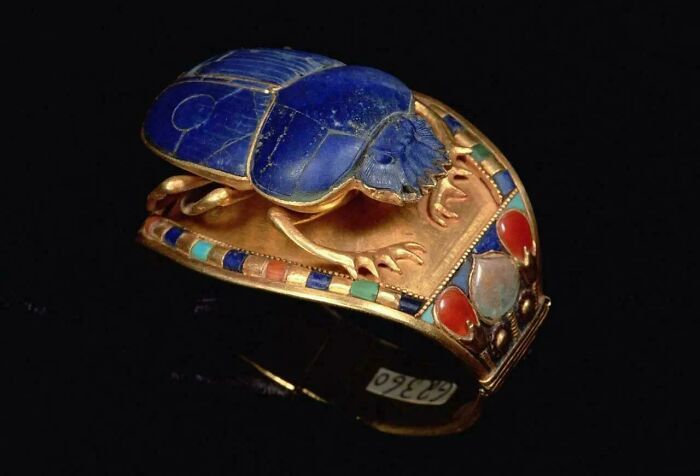
Image source: ancientegypt1
#15 Mummy Of A Dog
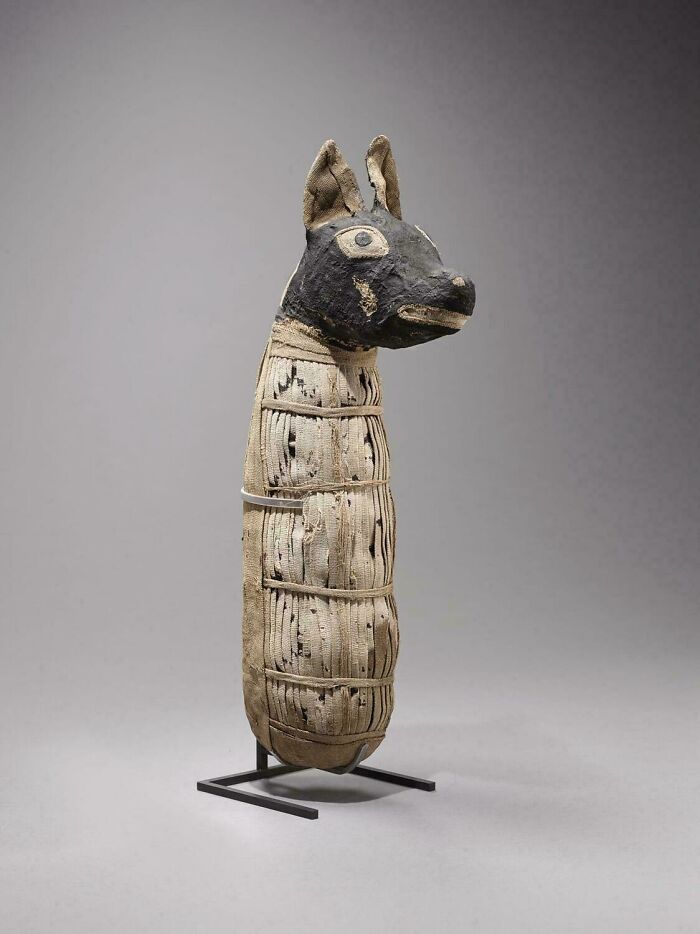
Image source: Handicapped-007
#16 Breakfast In Egypt
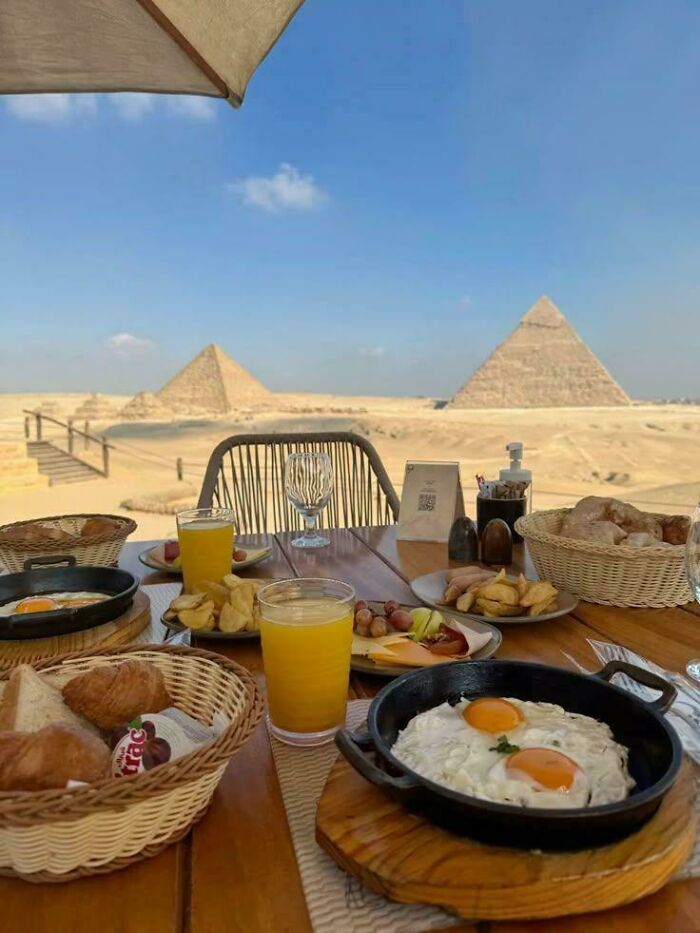
Image source: yousef-saeed
#17 Photos From My Trip To Egypt. Still Finding It Hard To Fully Appreciate How Old All Of These Artefacts Truly Are
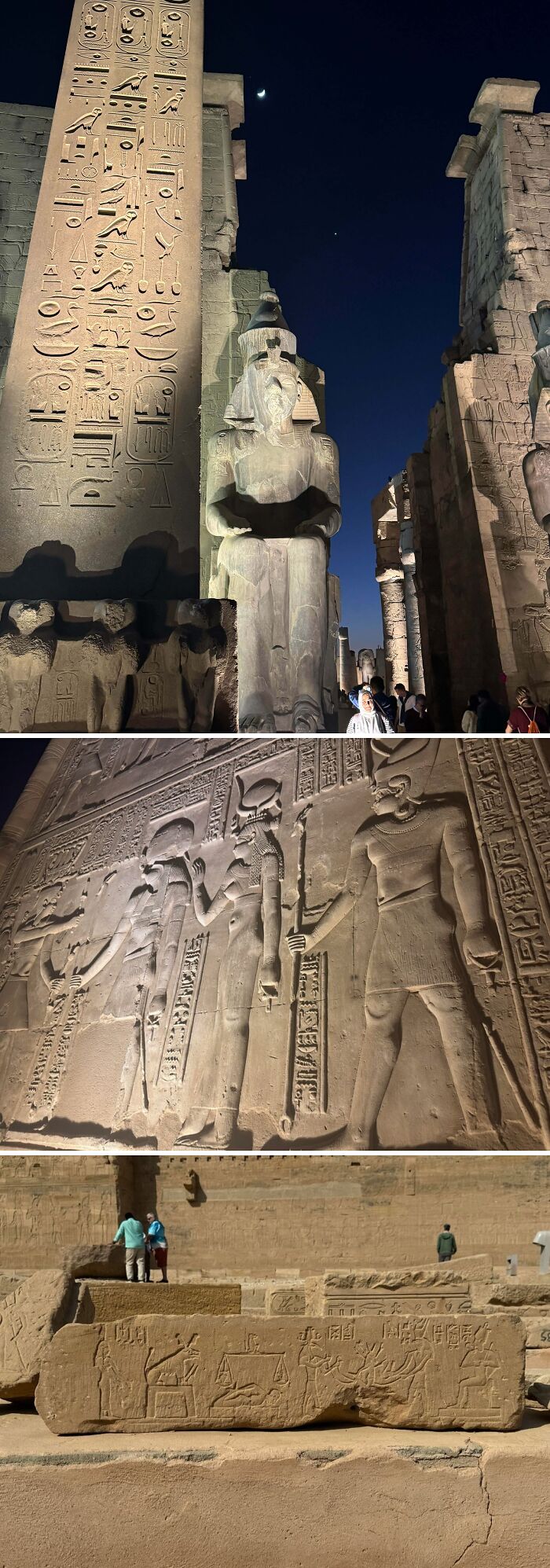
Image source: ssayfromage
#18 Famine Stela
Sohail Island, home to the famine stela, a rock carved in Ptolomy V’s time which discusses a 7 year drought and famine from 2500 years earlier, in the reign of King Djoser. Djoser, under guidance from Imhotep, makes offerings to the God Khnum to send the waters. All ends well. Given, in the time of Ptolomy, the priests of Khnumn were fighting the priests of Isis for power, was this really a historical memory or a desperate reminder of Khnum’s power?
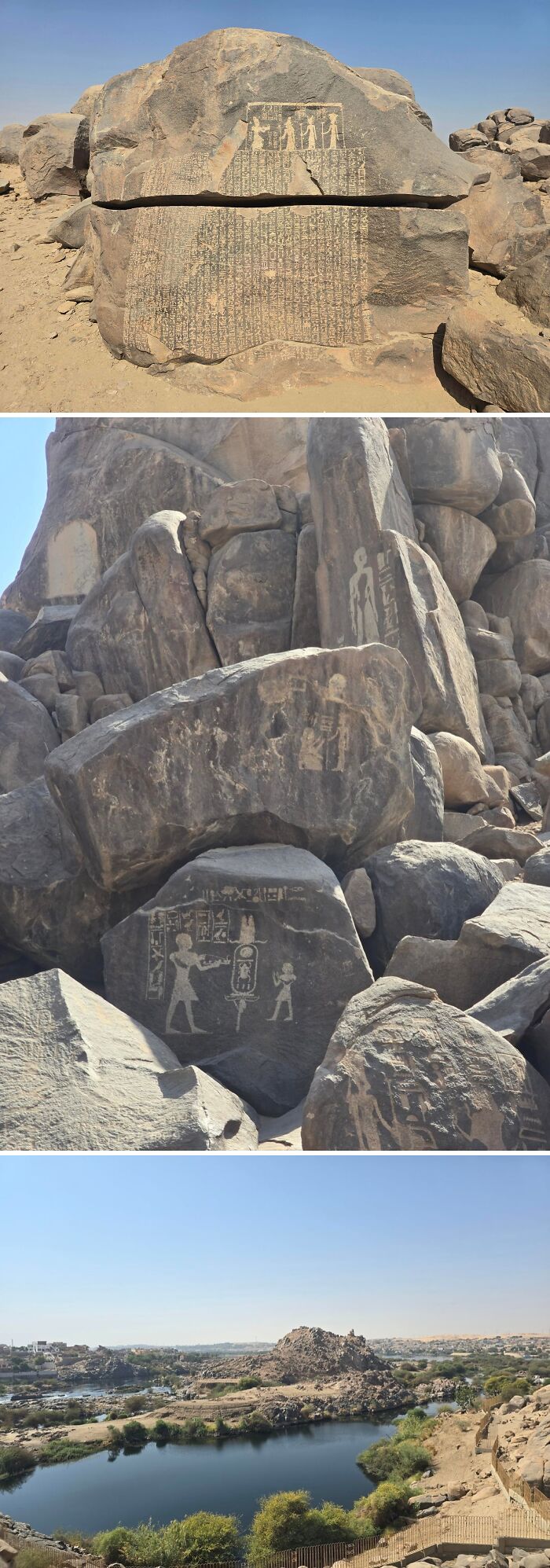
Image source: Fabulous_Cow_4550
#19 Special Access Into The Tomb Of Thutmose III
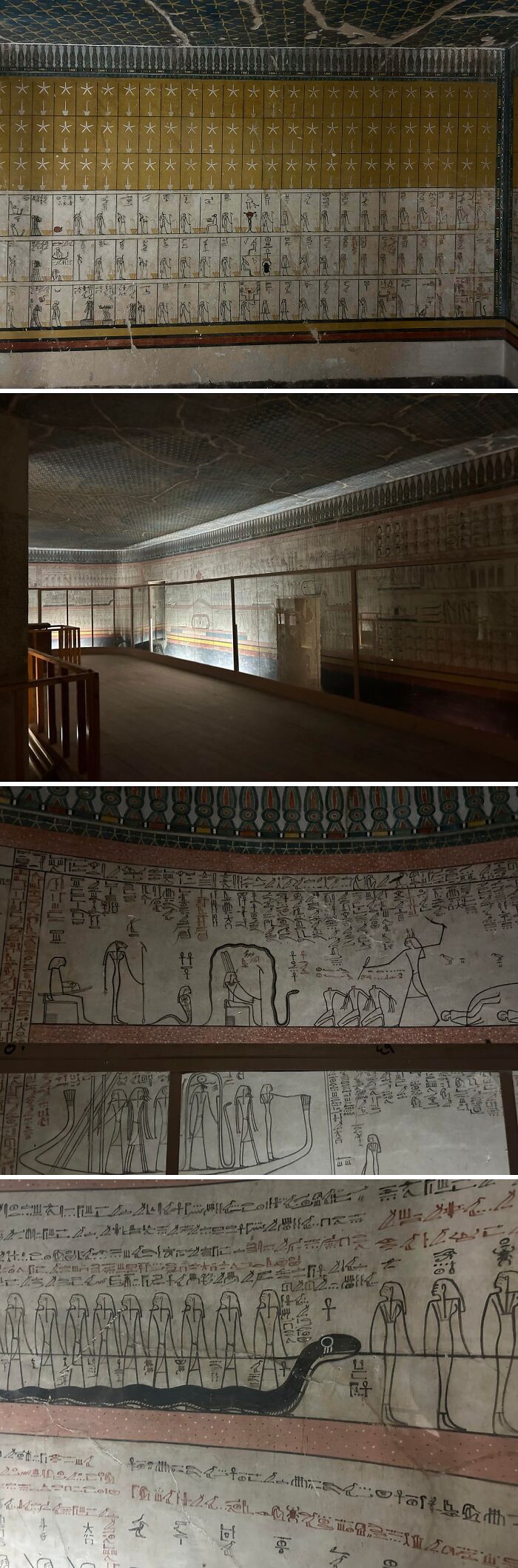
Image source: bjornthehistorian
#20 The Burial Chamber Of Rameses V/Vi (Own Images)
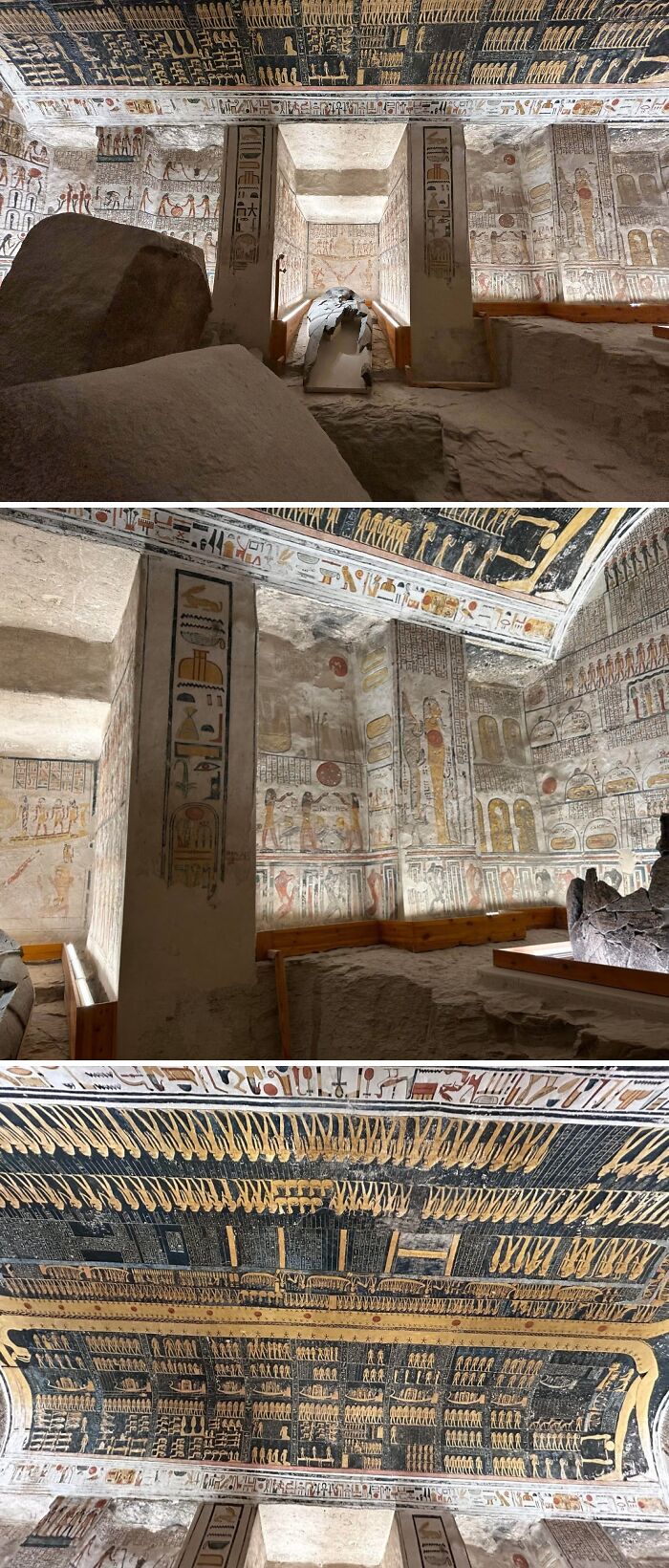
Image source: bjornthehistorian
#21 The Golden Mask. From Grand Egyptian Museum
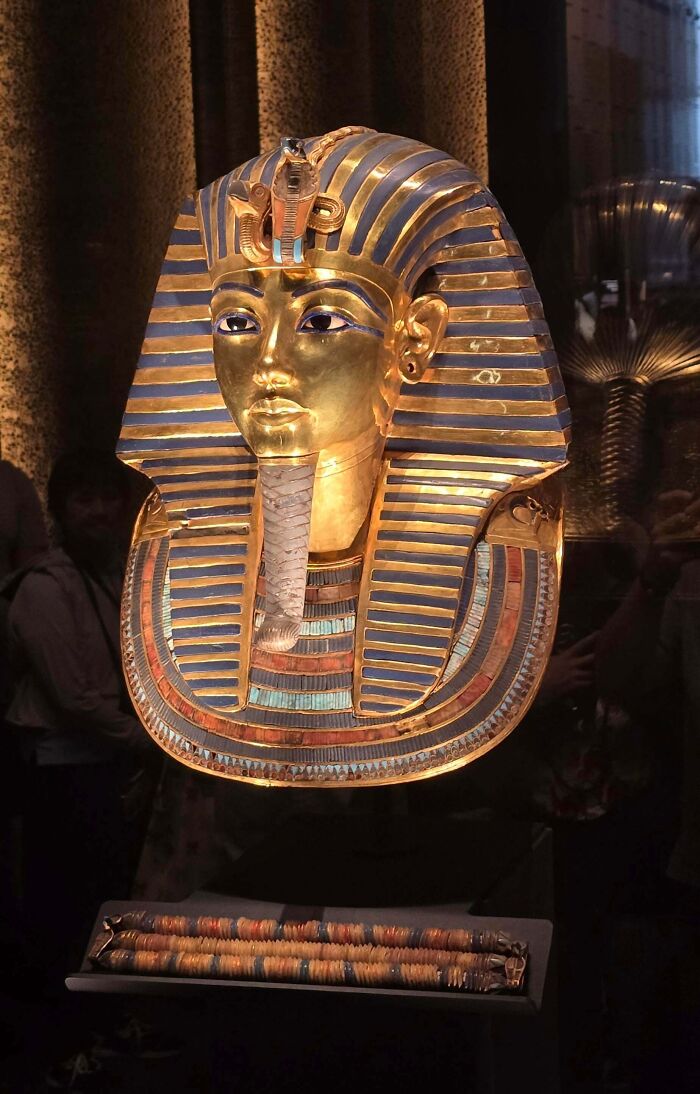
Image source: maxworld25
#22 The Temple Of Ramses III Looks Like Part Of A Motherboard
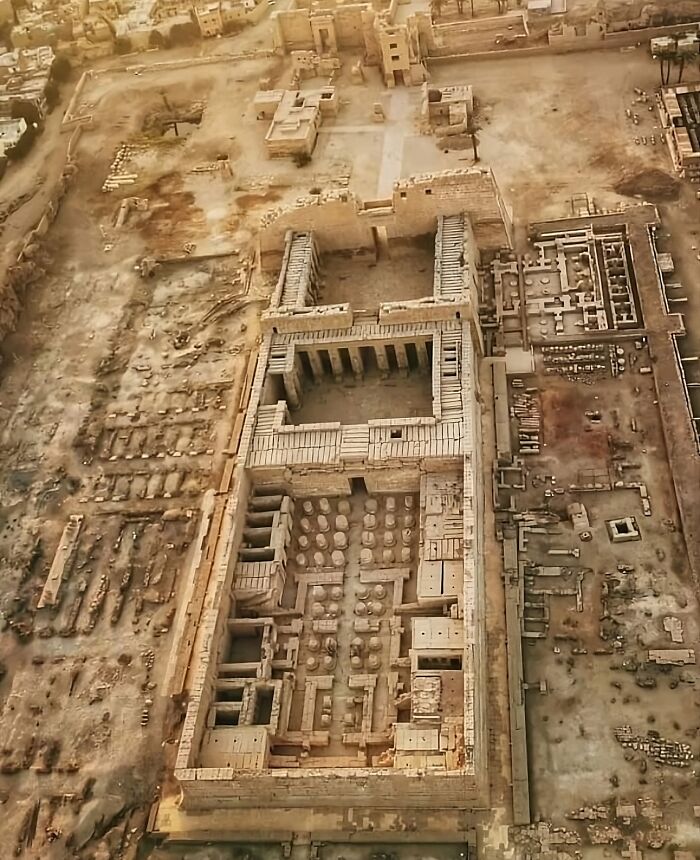
Image source: youonlychangeitonce_
#23 The Colossal Statue Of Ramses II At The Mit Rahina Open-Air Museum
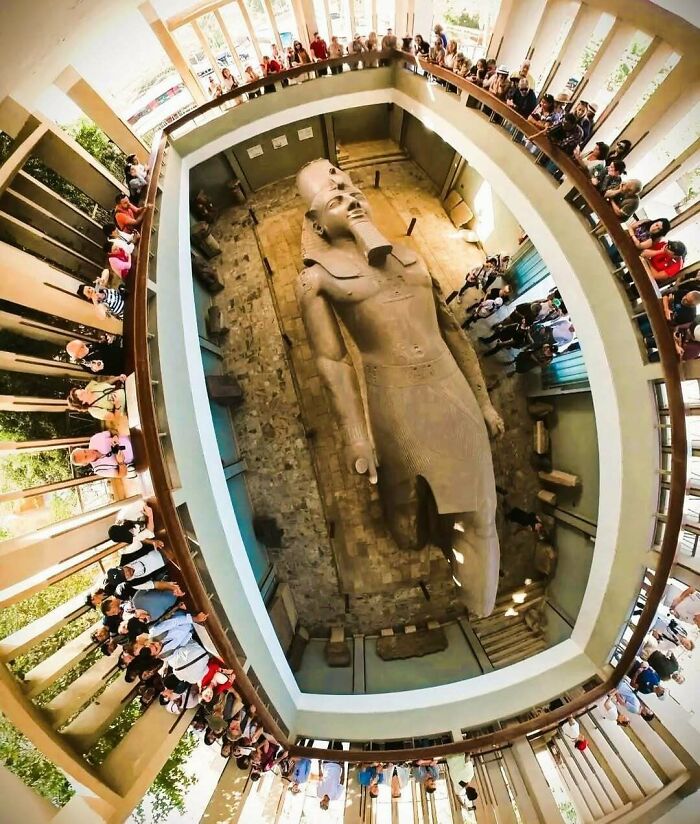
Image source: youonlychangeitonce_
#24 Restoring Some Of My Grandfather’s Photos From Ww2.
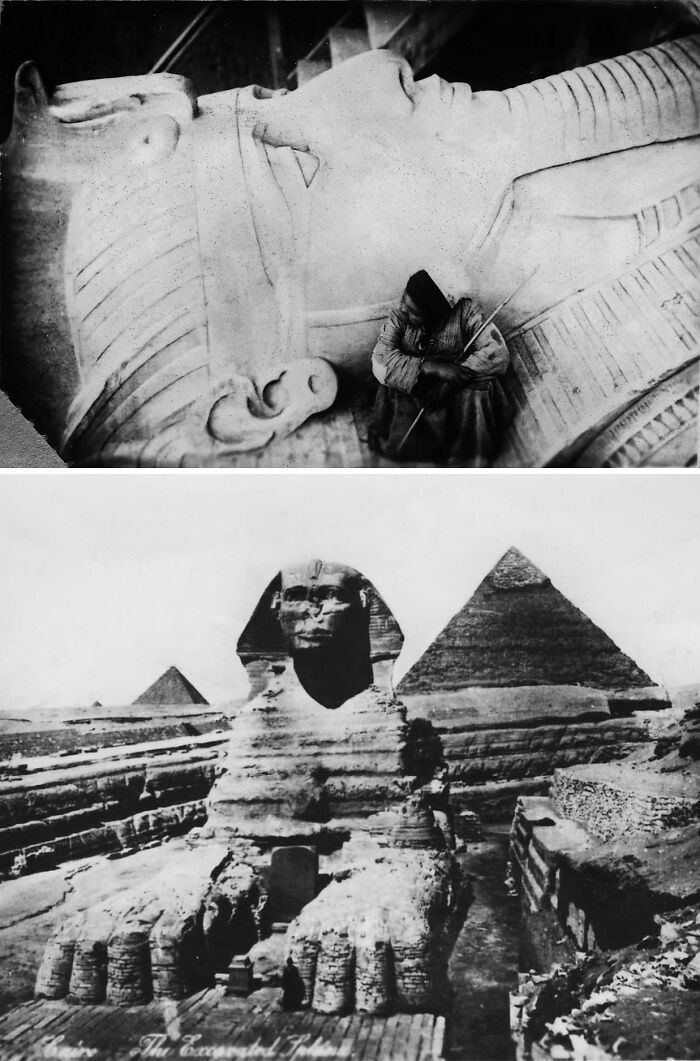
Image source: TheStig21
#25 One Of My Favorite Egyptian Artefacts
The Narmer Palette (c. 3100 BC) is a piece that really fascinates me. It’s one of the earliest records of ancient Egypt, marking the unification of Upper and Lower Egypt under King Narmer. The detailed carvings include some of the first hieroglyphs, capturing a pivotal moment in history as Egypt began to emerge as a powerful civilization.
As an Australian, I had the amazing privilege of seeing the Palette in person at the Pharaoh exhibition in Melbourne. It was such an incredible experience—standing in front of this ancient artifact and feeling a direct connection to the past
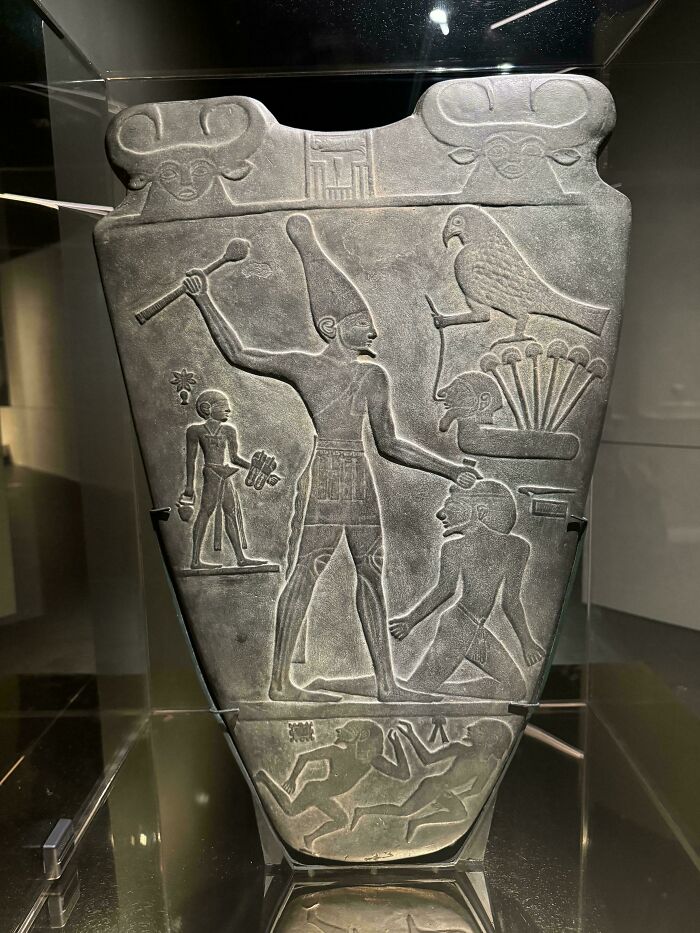
Image source: CosmicSquireWheel_42
#26 King Tutankhamen’s Dagger That’s Made From Meteorite, And The Other Made From Solid Gold
Image source: anon
#27 Royal Ducks Of Gold: Bracelet Of Ramesses II ✨
A treasure fit for a king: this solid gold bangle, hinged on one side and clasped on the other, once adorned the wrist of Ramesses II (Ramesses the Great). The upper curve is crowned by a double-headed duck whose shared body is a single, richly colored piece of lapis lazuli framed by polished gold. The twin heads and the spread tail are rendered in finely carved gold, worked with delicate granulation and wire detail.
Inscribed beside the clasp are the royal cartouches of Ramesses II and the words “right” and “left” — a clear indication that these were not simply votive temple offerings but the actual bracelets worn by the king before they were dedicated to the goddess Bastet of Bubastis.
Discovered in 1906 among the treasures of Tell Basta (ancient Bubastis), the piece dates to the New Kingdom, 19th Dynasty (reign of Ramesses II, c. 1279–1213 BC). The bracelet is catalogued in the Egyptian collections as JE 39873 and has been displayed in the Egyptian Museum, Cairo. )
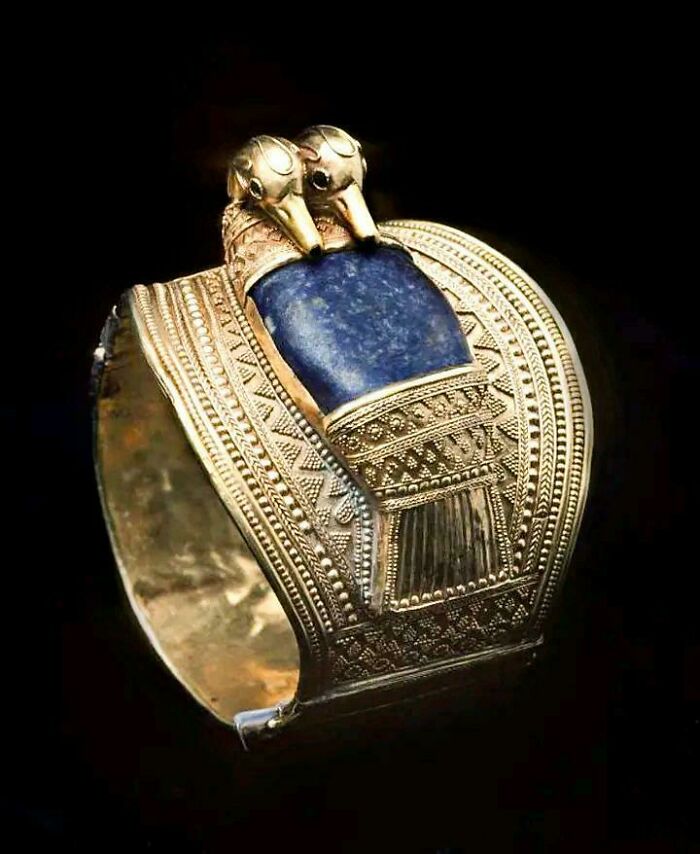
Image source: Key-Confusion2224
#28 After 4000 Years, It Is Still Full Of Life
Image source: yousifsaeed
#29 Untouched Tomb
Imagine being the first person to lay eyes on this tomb since it was sealed and buried some 2,500 years ago.
This is one of the intact tombs discovered in Saqqara this month by Egyptian archaeologists. You can even see a little pile of ash on the floor by the left-hand wall, which is likely the remains of a burning offering left there by the family of the last person to be interred here.
The tombs were reused over many generations, which is quite normal. The newest coffins are the ones piled at the front. This group is dated to Egypt’s 26th Dynasty (664-525 B.C.)
So far 59 coffins have been pulled out of the three unplundered shaft tombs discovered by the Egyptians, with the expectation that there are many more to come…
“Nile Magazine”
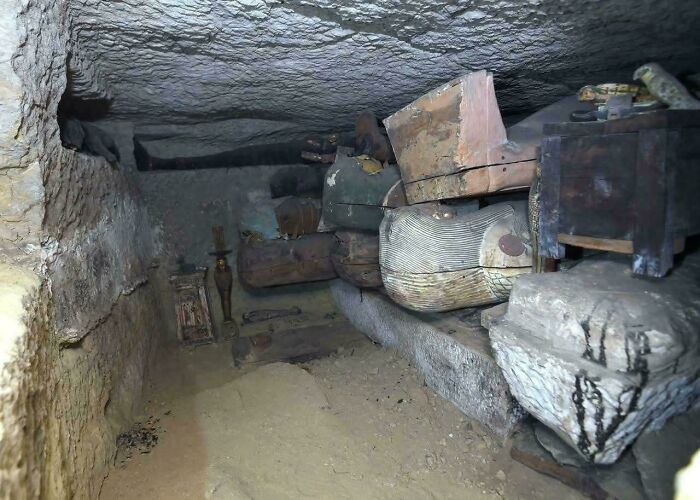
Image source: Handicapped-007
#30 The Vineyard Tomb
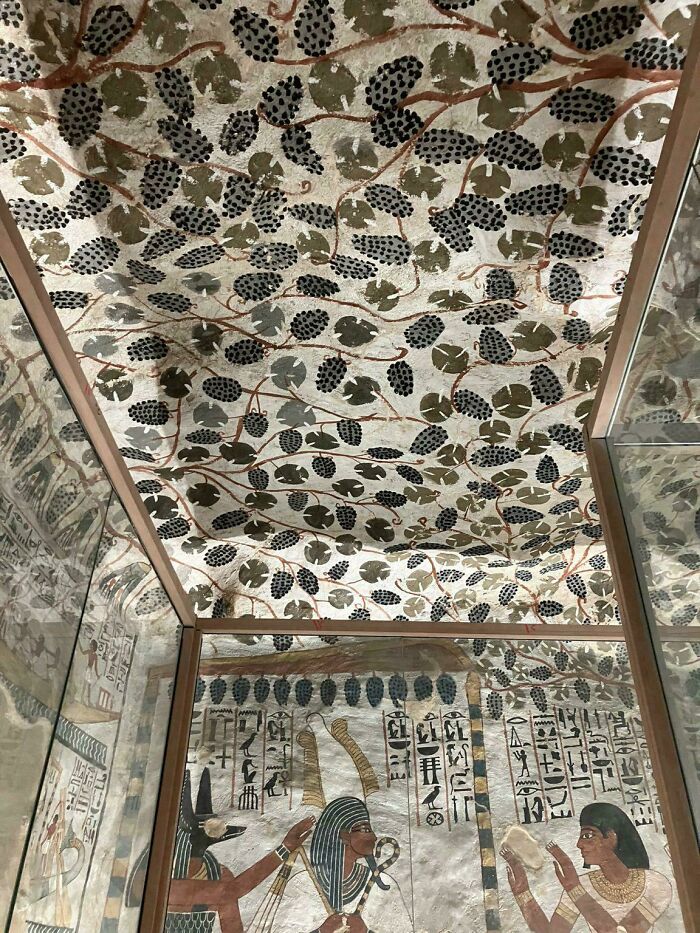
Image source: ancientegypt1
#31 Ibis
God Thot as an Ibis 6th year after Christ on view: Kunsthistorisches Museum, Ägyptisch-Orientalische Sammlung Room IV
In addition to the baboon, the ibis is the sacred animal of the god Thot. As the embodiment of wisdom and writing, Thot was the patron saint of the scribes. Thousands of Ibis mummies were found at the various worship sites of the Thot. Votive statues were also used in the cult. The body of this statuette is made of wood, which has been covered with fine stucco. The head with the Atef crown, the neck, the tail feathers and the legs are cast of silver. The eyes are placed on stucco with black glass.
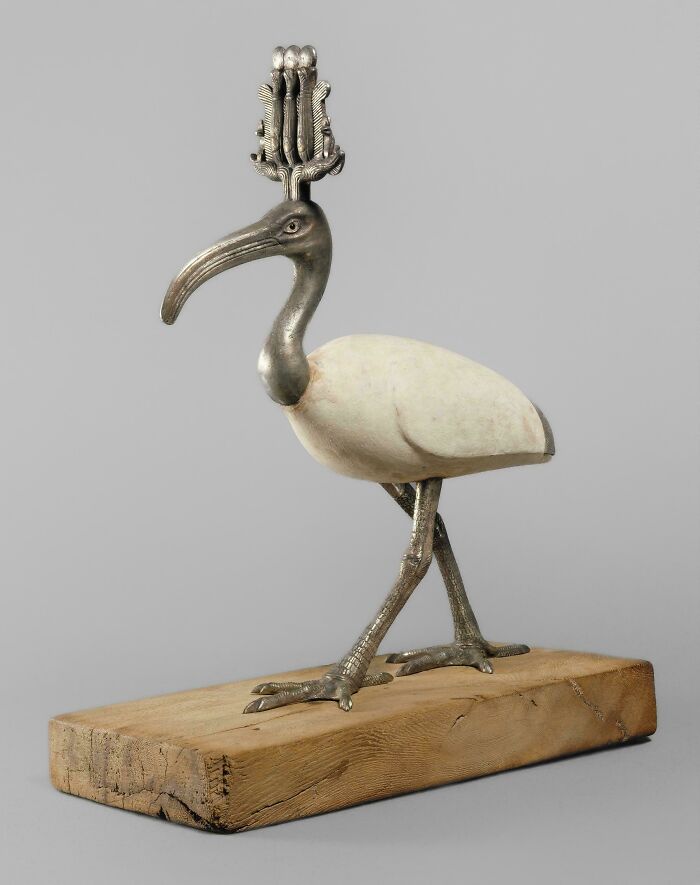
Image source: Handicapped-007
#32 Ram Coffin
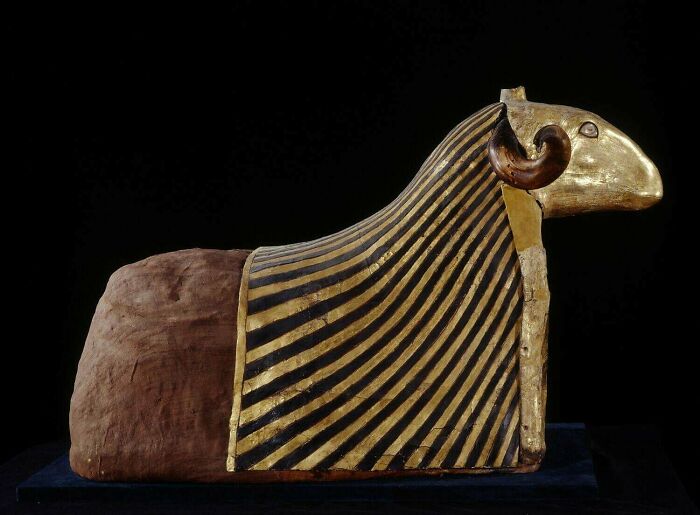
Image source: Handicapped-007
#33 The Sphinx, Giza, Egypt, Circa 1849
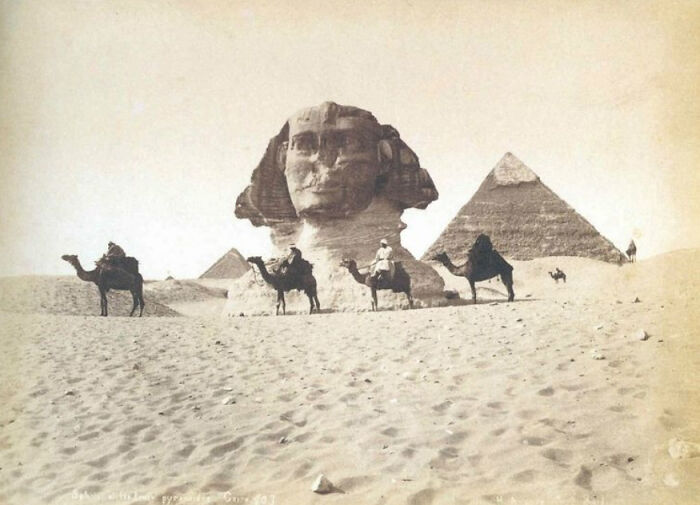
Image source: anon
#34 The Most Mystical, Mysterious And Spiritual Place I Have Ever Been
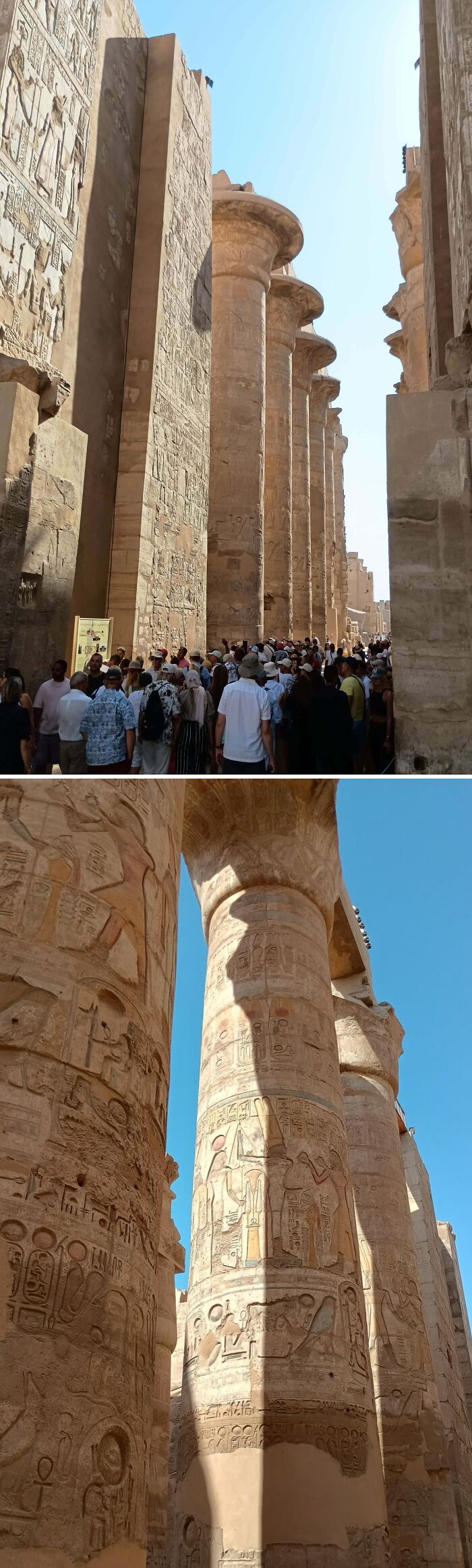
Image source: forest_moon_92
#35 Very Rare Photograph Of The Sphinx In 1894
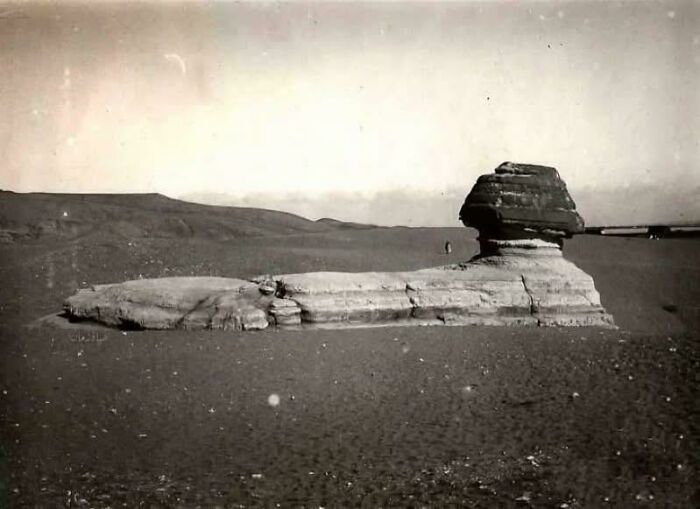
Image source: NastyNice1
#36 The Ptolemaic Gate In Karnak (Me For Scale)
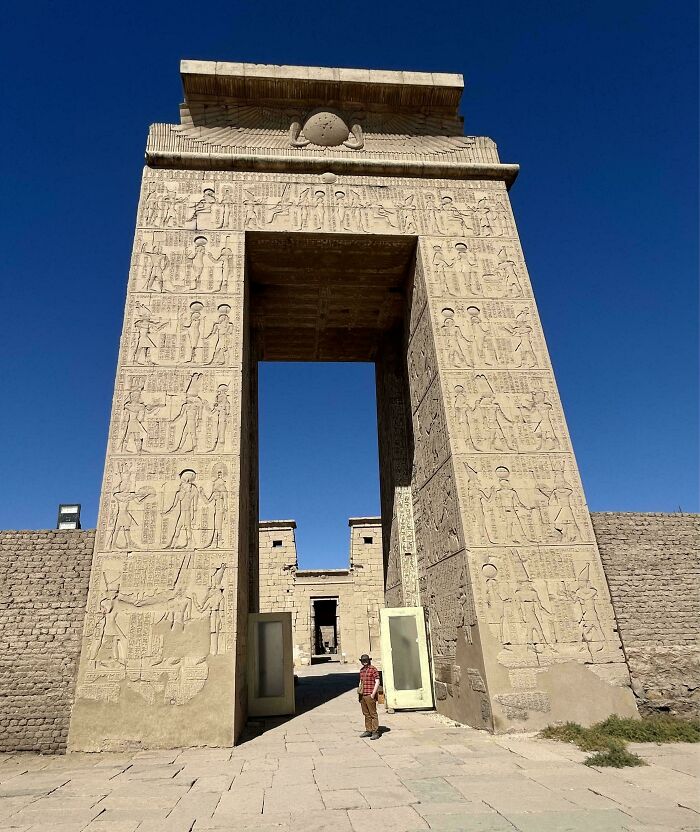
Image source: bjornthehistorian
#37 Imhotep’s Book Of The Dead
One of the best preserved copies of “Coming Forth by Day” is the 70 foot long scroll belonging to Imhotep, a Horus Priest of the Ptolemaic era. It is a proud possession (acquired in 1935) of the Metropolitan Museum of Art in New York. If you look carefully you will see that Imhotep had two of these scrolls, a full version and a shorter one. Normally it is difficult to get a full view and perspective of the scrolls because mobs crowd around it. Last week, I was invited to an after hours function and had this gallery to myself
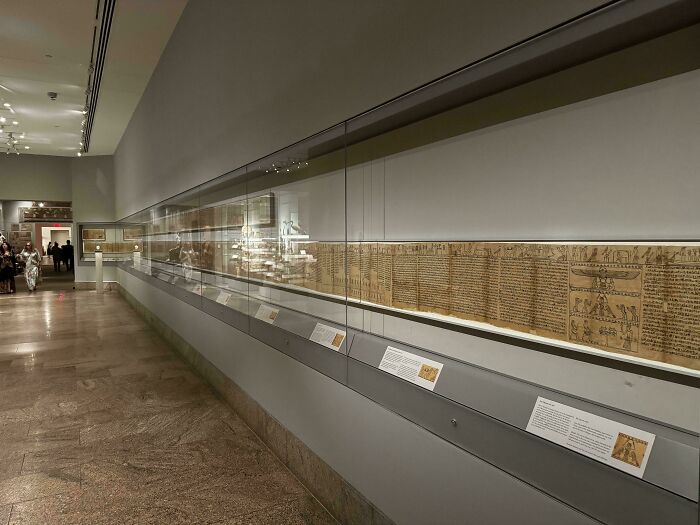
Image source: WerSunu
#38 A Pic Of Me Sitting On The Great Pyramid Of Khufu
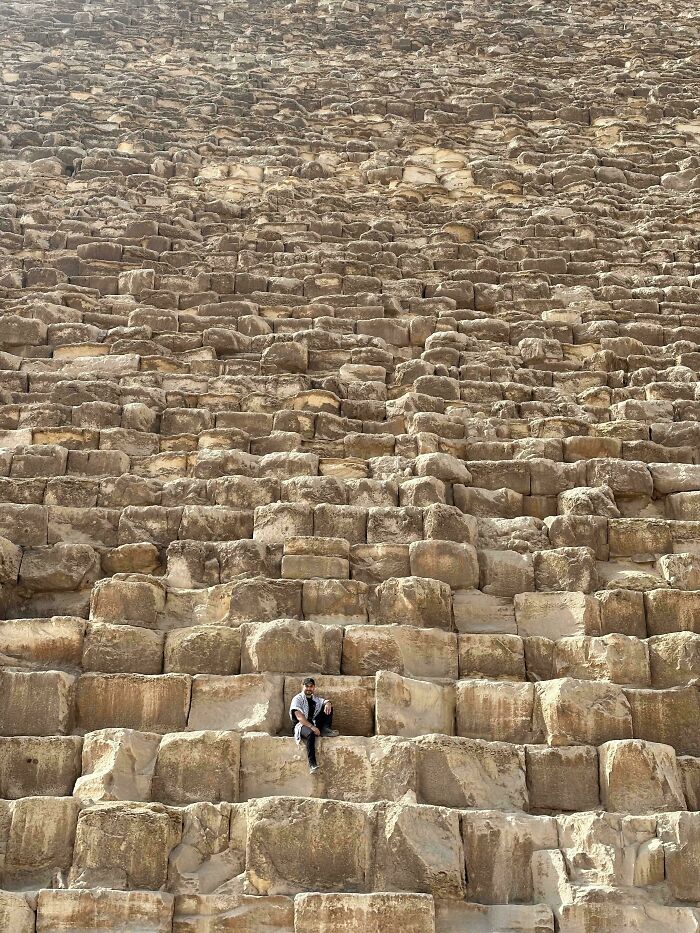
Image source: advillious
#39 The Tomb Of Tutankhamun
The tomb of Tutankhamun (KV62) is one of the most significant archaeological discoveries in human history. Its discovery opened an extraordinary window into the life, death, and beliefs of Ancient Egypt. Here’s a detailed look at everything about the tomb — its discovery, structure, treasures, and legacy.
⸻
Where is the tomb located?
The tomb of Tutankhamun is located in the Valley of the Kings in Luxor, on the west bank of the Nile, and it is officially numbered KV62 (King’s Valley tomb number 62).
⸻
Who was Tutankhamun? • Tutankhamun was a pharaoh of Egypt’s 18th Dynasty, ruling during the late 14th century BC (around 1332–1323 BC). • He became king at a very young age — probably around 8 or 9 years old — and died while still a teenager. • He is best known for restoring the worship of Amun, which had been replaced by his predecessor Akhenaten’s worship of Aten (the sun disk).
⸻
When and how was the tomb discovered? • The tomb was discovered by Howard Carter in November 1922, funded by Lord Carnarvon. • After years of searching in the Valley of the Kings, Carter’s team uncovered a staircase buried beneath the sand, which led to a sealed doorway. • Upon entering, Carter famously said: “I see wonderful things.” • What he saw was a nearly intact royal burial filled with gold, statues, chariots, and countless other treasures.
⸻
Layout and structure of the tomb
KV62 is smaller than most royal tombs, suggesting Tutankhamun’s death was unexpected. Despite its size, it was packed with thousands of objects. The tomb includes: 1. Entrance staircase — leading down into the tomb. 2. Corridor — a short passage. 3. Antechamber — filled with furniture, chariots, and daily-use items. 4. Annex — a small side room full of disorganized objects. 5. Burial chamber — containing the sarcophagus, coffins, and wall paintings. 6. Treasury — a separate chamber filled with statues, canopic jars, and ritual objects.
Because of the hurried burial, the rooms were tightly packed, almost as if everything had been placed in a rush.
⸻
What was found inside?
Over 5,000 artifacts were found inside, ranging from jewelry and statues to food and clothes — everything a king might need in the afterlife. Some of the most famous treasures include: • The Golden Mask of Tutankhamun — the world-famous funerary mask made of solid gold and inlaid with semi-precious stones. It weighs about 10 kilograms (22 pounds) and is considered one of the greatest masterpieces of ancient art. • Three nested coffins — the innermost one made of pure gold, placed inside two gilded wooden ones, all enclosed within a stone sarcophagus. • Throne and furniture — beautifully decorated with gold leaf and inlays. • Chariots and weapons — symbolizing royal power and preparation for the afterlife journey. • Statues of gods and protective figures — placed to safeguard the king’s soul. • Jewelry and amulets — hundreds of items for protection and status. • Food, wine, and clothing — offerings for use in the next world.
⸻
Why was this discovery so important? 1. State of preservation – Unlike most tombs that were looted in ancient times, Tutankhamun’s tomb was almost untouched, providing an authentic view of royal burial practices. 2. Richness of contents – Thousands of beautifully crafted objects revealed the artistry and wealth of the New Kingdom. 3. Scientific value – The discovery offered deep insight into the religion, art, and daily life of the 18th Dynasty. 4. Cultural impact – The find fascinated the world and made Tutankhamun a global icon.
⸻
What we learned about the young king • Health and lineage: Modern CT scans and DNA tests revealed that Tutankhamun likely suffered from several health issues, including bone deformities and malaria. He may have been the product of inbreeding, which explains his frail health. • Religious restoration: His burial objects reflect a return to traditional beliefs centered around Amun and Osiris after Akhenaten’s religious revolution. • Royal status: Despite his short reign, the sheer amount of gold and luxury proves his importance as a pharaoh.
⸻
The legend of the “Curse of the Pharaohs”
After the tomb was opened, several deaths — including Lord Carnarvon’s — sparked rumors of a mysterious curse. Newspapers claimed that anyone who disturbed the king’s rest would die. However: • Most scientists consider this a myth. • The so-called “curse” can be explained by coincidence or natural causes such as bacteria or mold in the tomb.
⸻
Where are the treasures now? • Most of the artifacts were transferred to the Egyptian Museum in Cairo, where they became the most visited collection in the world. • Today, many objects are being carefully restored and prepared for display in the Grand Egyptian Museum (GEM) near the Giza Pyramids — the largest archaeological museum in the world.
⸻
Visiting the tomb today • The original tomb KV62 is still open to visitors in the Valley of the Kings. • Due to humidity and preservation concerns, only a limited number of visitors are allowed each day. • An exact replica of the tomb has also been created for tourists to visit without damaging the original.
⸻
Quick Facts • Tomb name: KV62 • Discovered: November 1922 • Discovered by: Howard Carter (funded by Lord Carnarvon) • Location: Valley of the Kings, Luxor, Egypt • Number of objects: Over 5,000 • Famous artifact: The Golden Mask of Tutankhamun • Dynasty: 18th Dynasty (New Kingdom, c. 1332–1323 BC)
⸻
Conclusion
The discovery of Tutankhamun’s tomb remains one of the greatest achievements in archaeology. It not only preserved the incredible craftsmanship and wealth of Ancient Egypt but also reignited the world’s fascination with the pharaohs. A young king who ruled for only a short time ended up achieving eternal fame — not for his reign, but for the wonders buried with him beneath the sands of Luxor.
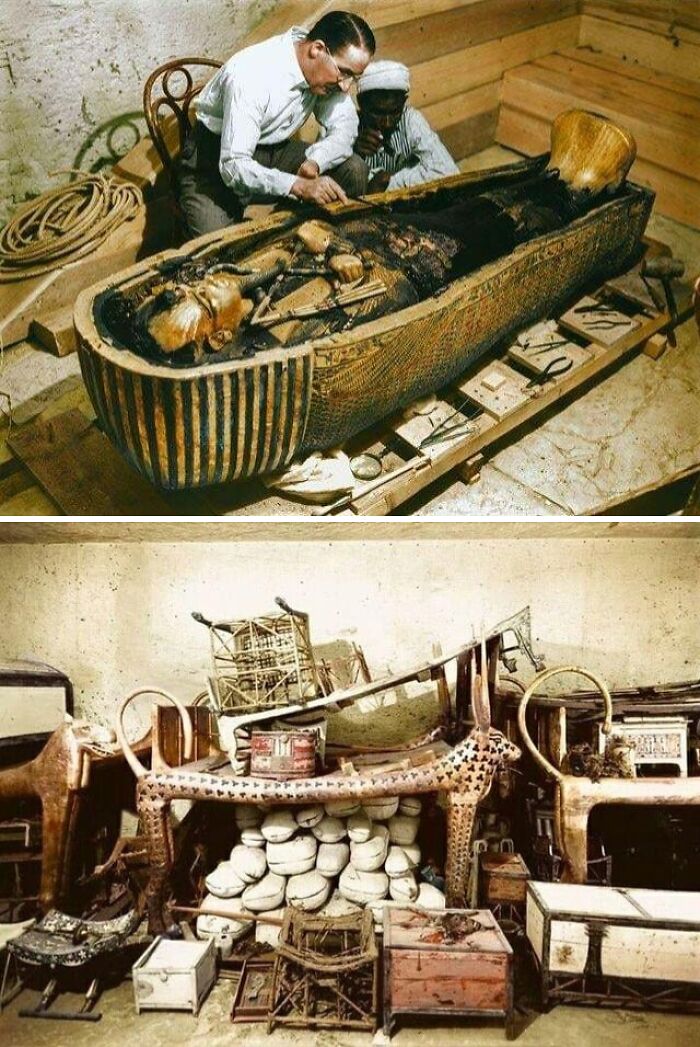
Image source: ABDOUU99
#40 The Great Sphinx Of Giza, Captured By @hmkree
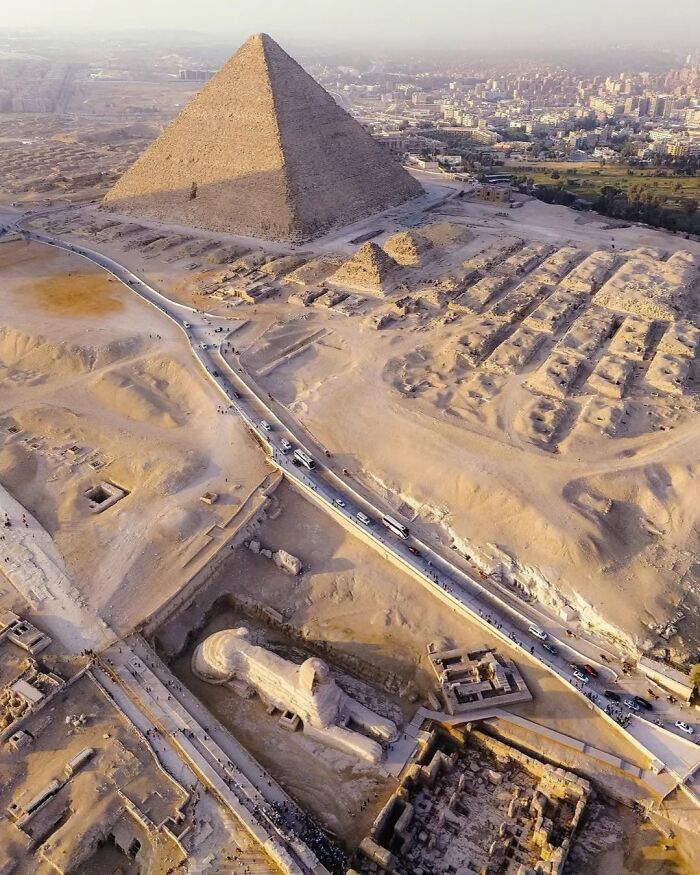
Image source: youonlychangeitonce_
#41 Exclusive Permit To The Tomb Of Senenmut
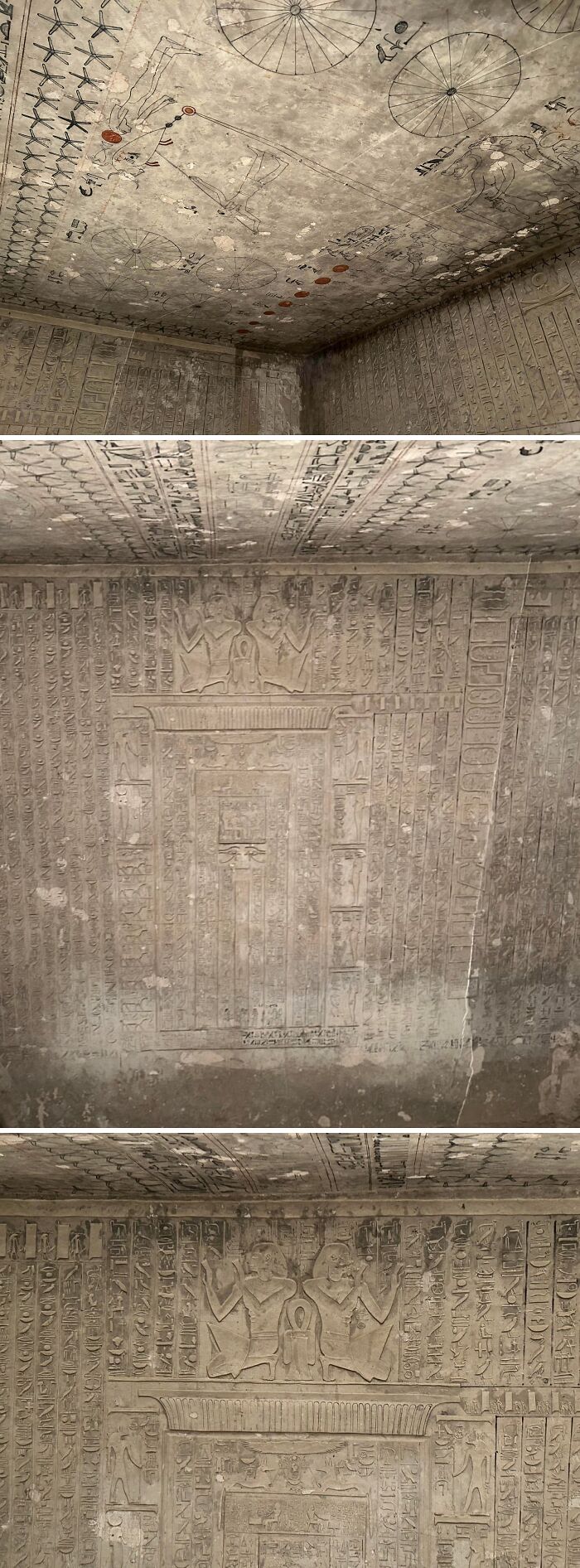
Image source: bjornthehistorian
#42 Abu Haggag Mosque In Luxor, A Mosque On Top Of A Church On Top Of An Ancient Egyptian Temple
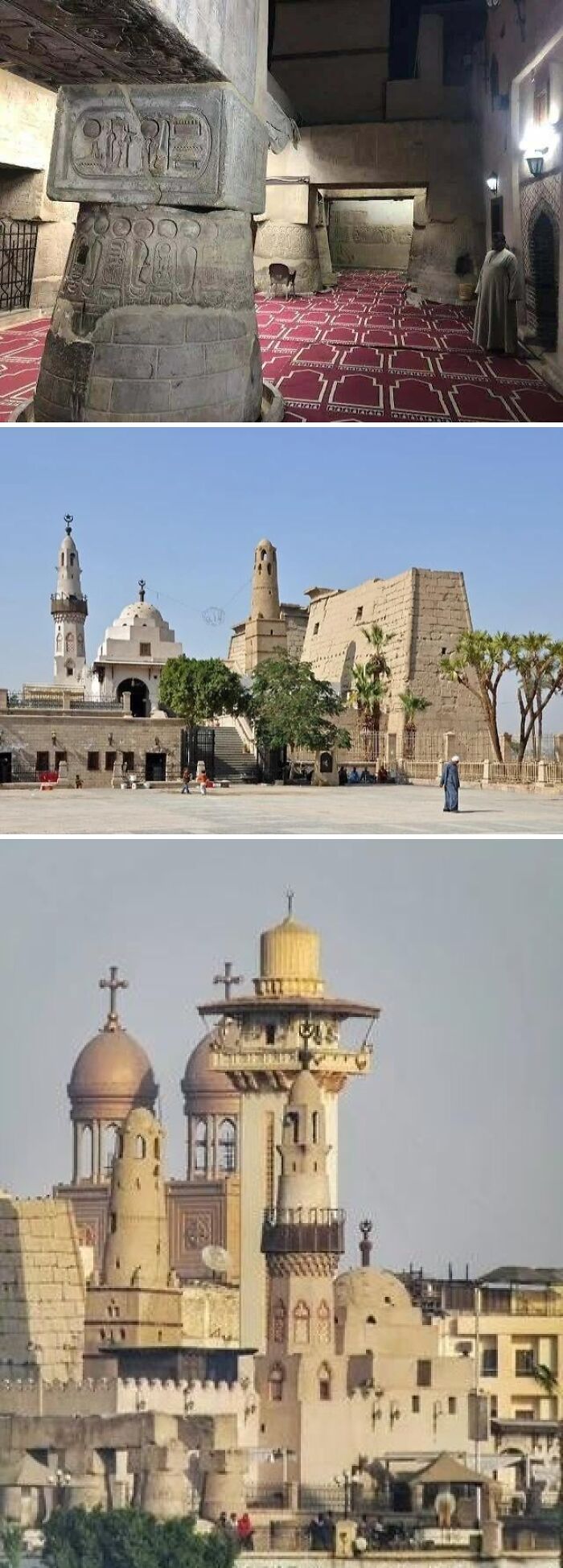
Image source: Own-Internet-5967
#43 Karnak, Morning Light
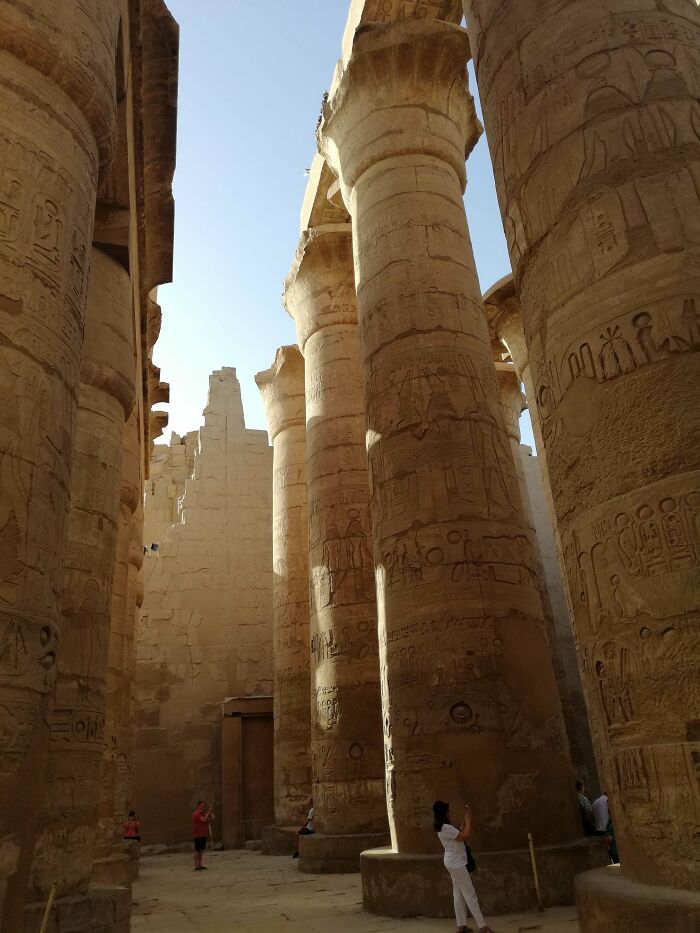
Image source: Akira204
#44 Students Of Ramses College For Girls Wearing Ancient Egyptian Attire In 1934
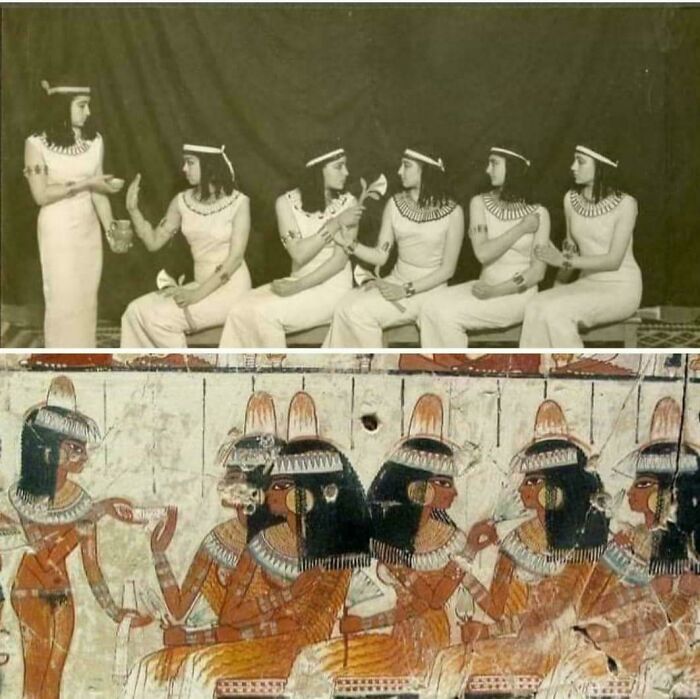
Image source: yousef-saeed
#45 King Ramesses III Flanked By Horus & Seth: A King Between Sun And Storm ☀️⚡️
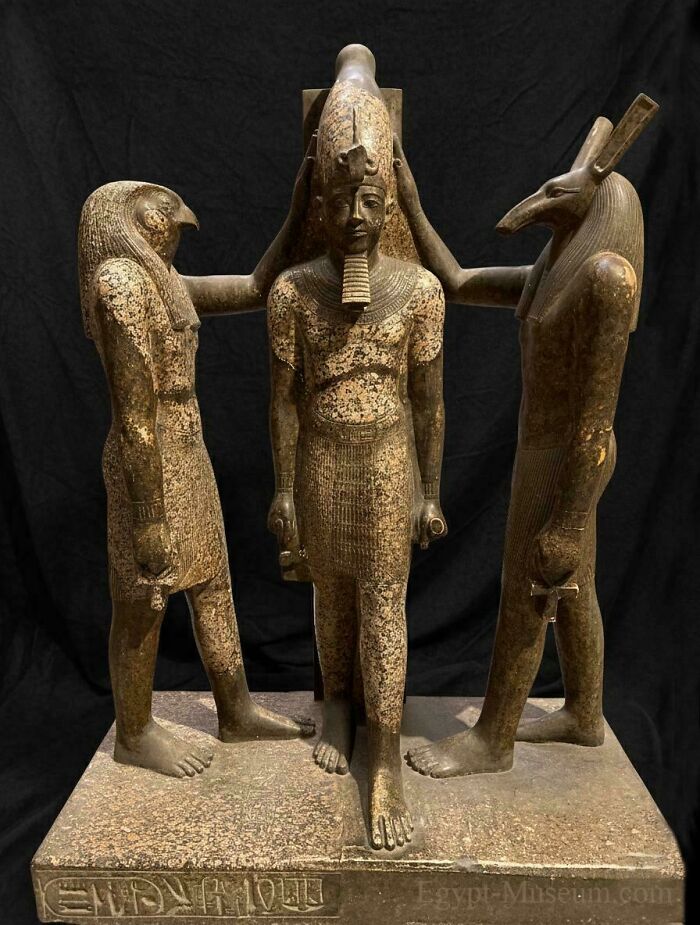
Image source: BudgetPhilosopher-
#46 Ramesseum: Temple Of Pharaoh Ramesses The Great [oc]
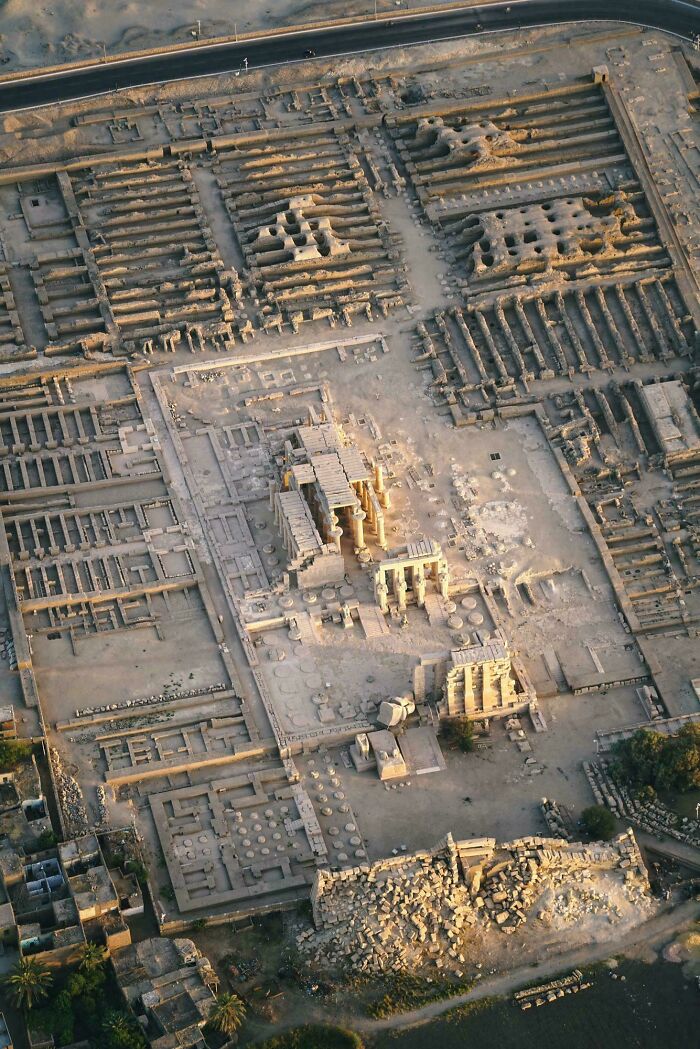
Image source: intofarlands
#47 Delicate Erasure Of Hatshepsut In Karnak Temple
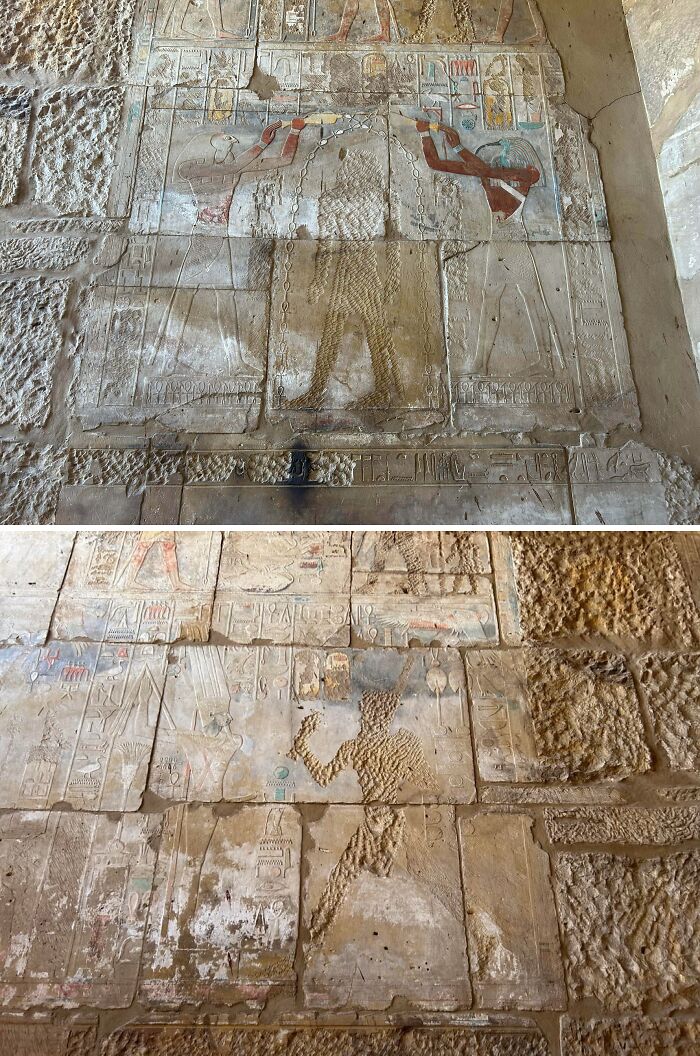
Image source: bjornthehistorian
#48 Bent Pyramid In Dahshur
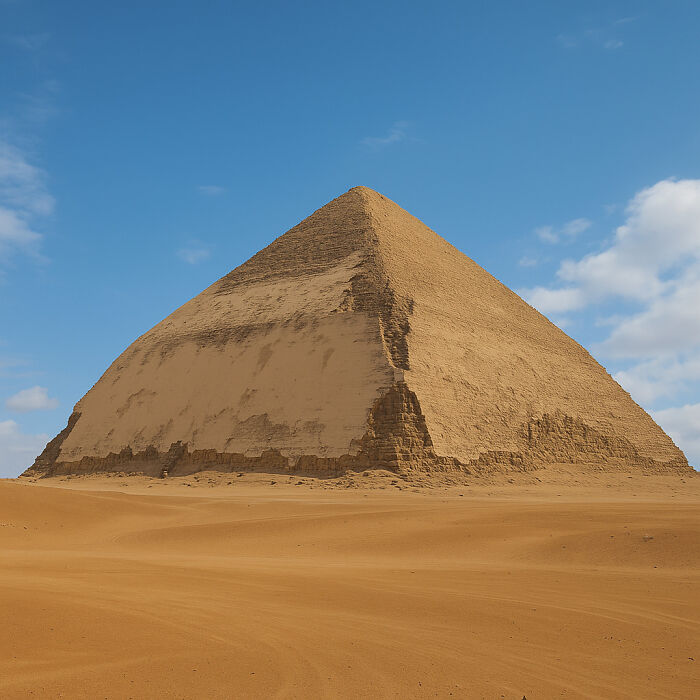
Image source: LingonberryAny3072
#49 Millions Of People Have Climbed These Stairs For Thousands Of Years, Letting Them Disappear As You Saw Stairs Of The Temple Of Hathor In Dendera
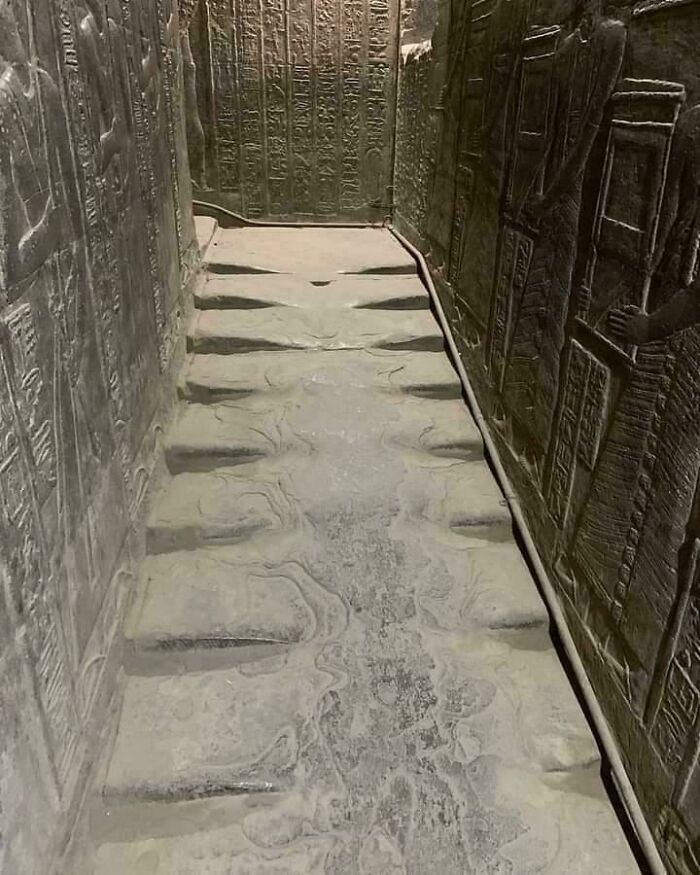
Image source: NasmaKhaled
#50 An Extremely Rare Photo Of The Relocation Of Abu Simbel Temple Due To The Flooding Of The Nile After The Construction Of The High Dam
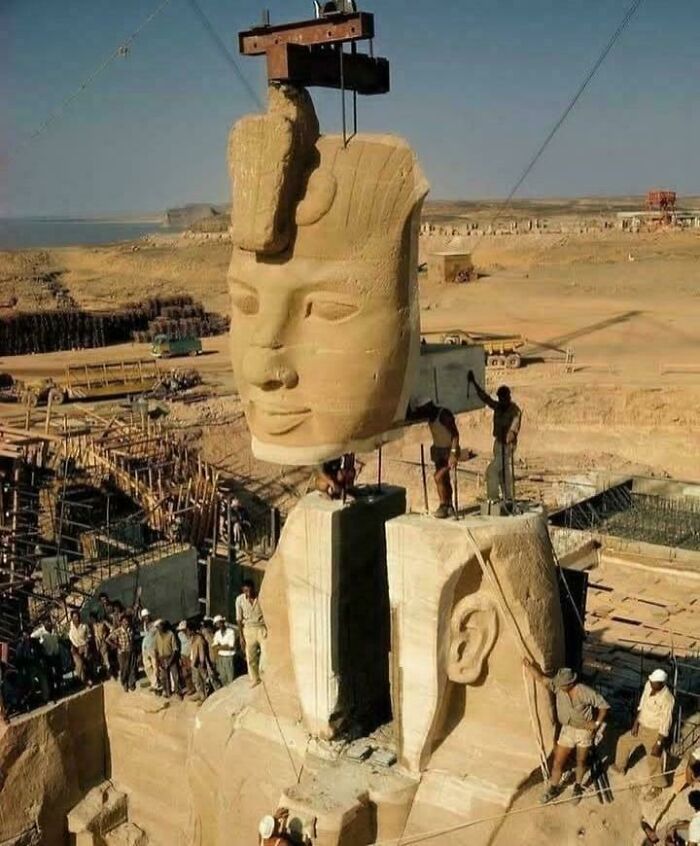
Image source: International-Self47
#51 Very Rare Funerary Clay Masks. In The Egyptian Museum Of Barcelona
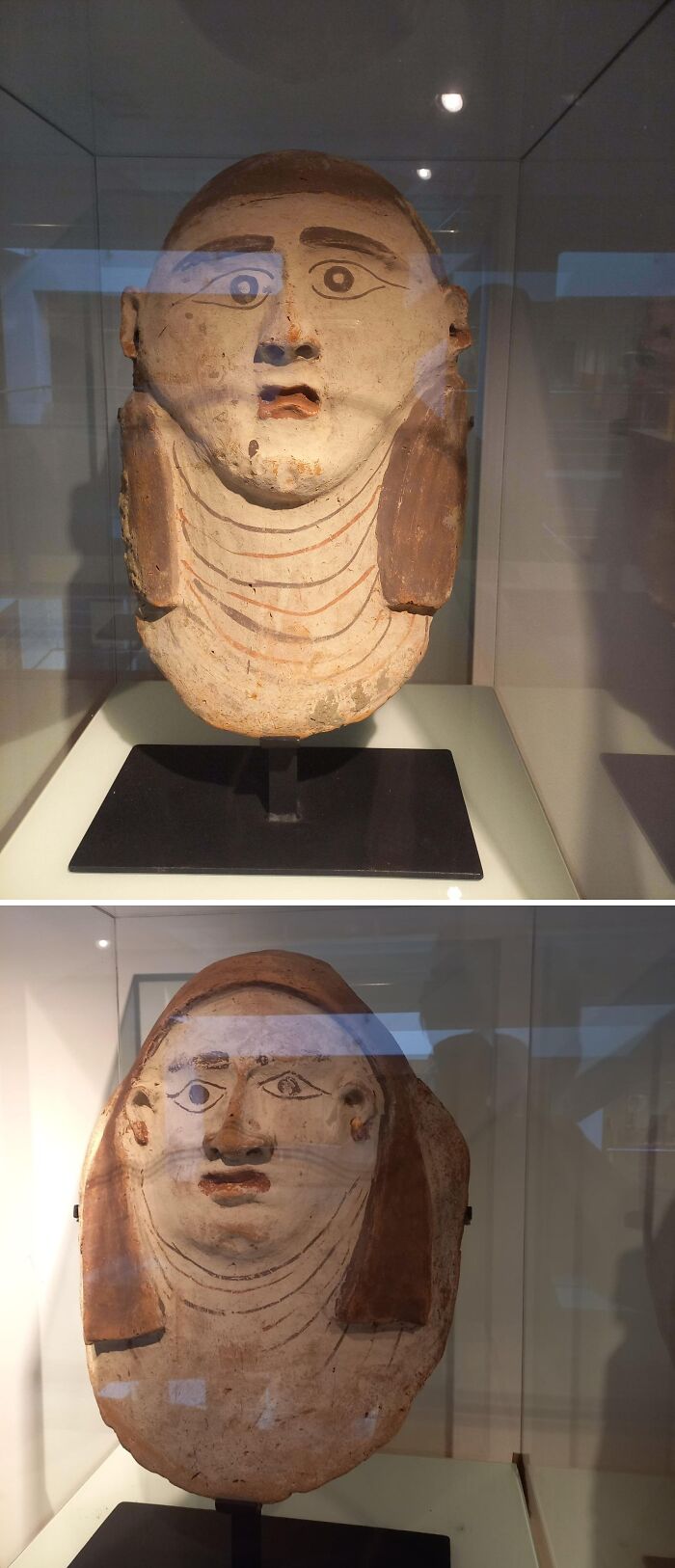
Image source: E_Sobek
#52 My Late Father’s Collection
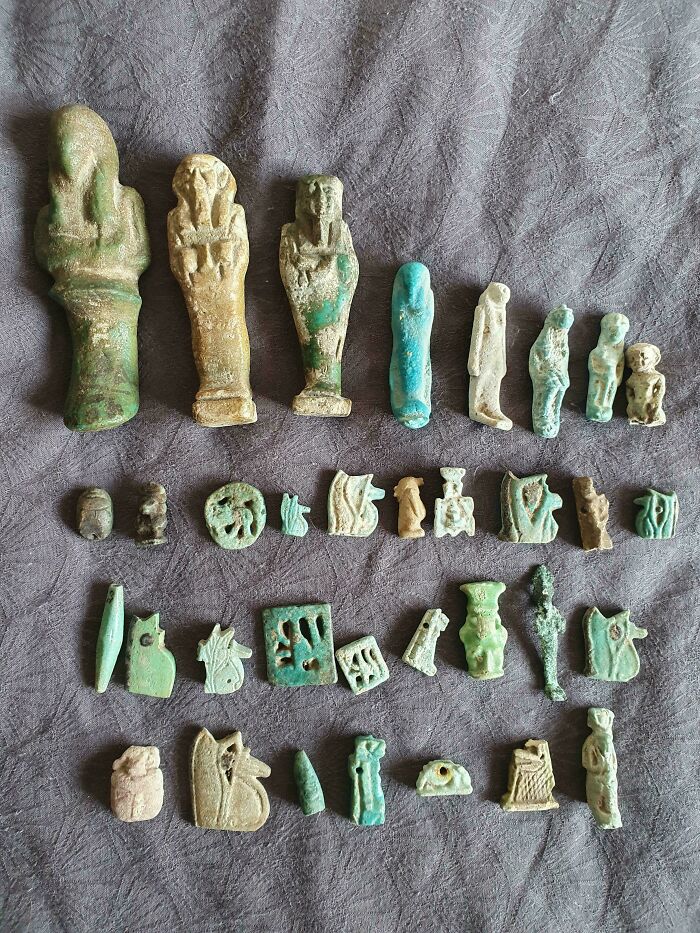
Image source: Psychological-Buy807
#53 Two Baboons Worshipping A Solar Disc
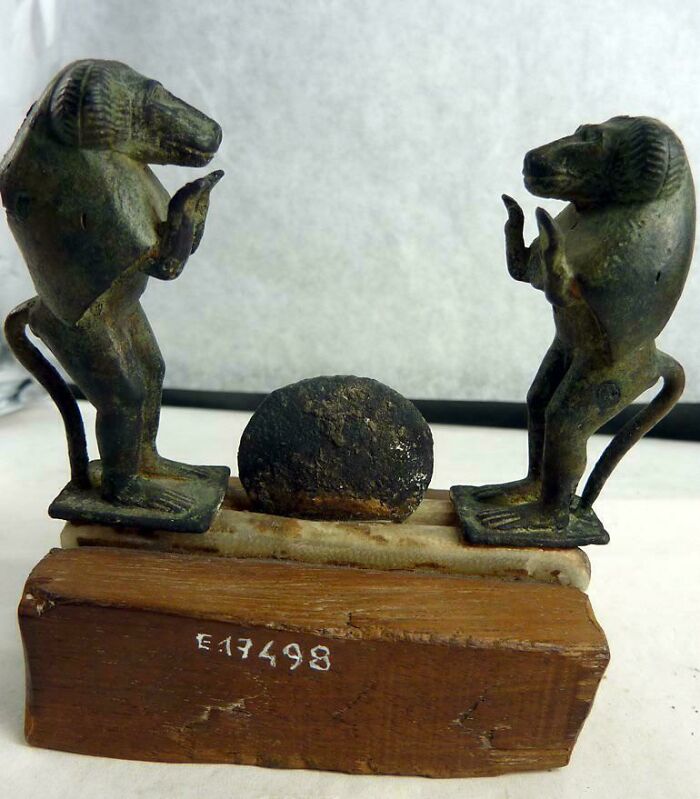
Image source: Handicapped-007
#54 The Seated Scribe (C. 2600–2500 Bce, Saqqara)
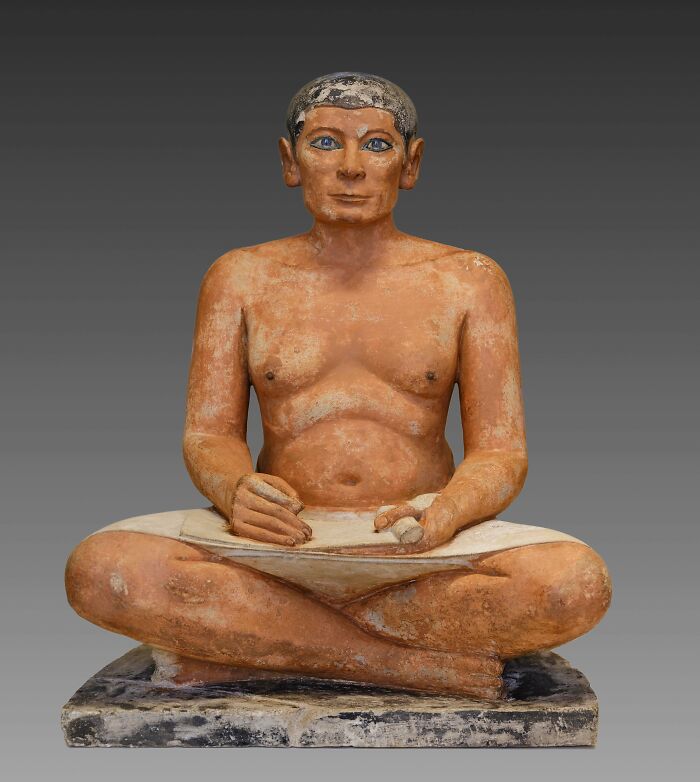
Image source: SphinxieBoy
#55 The Sacred Sun
The Sacred Sun Book of the Dead of Chonsu-mes. 21st Dynasty, ca. 1000 B.C.
Kunsthistorisches Museum, Vienna
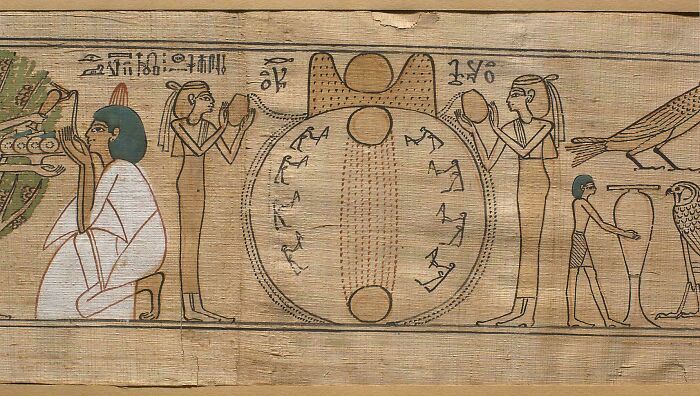
Image source: Handicapped-007
#56 Dice Shown In The Egyptian Museum
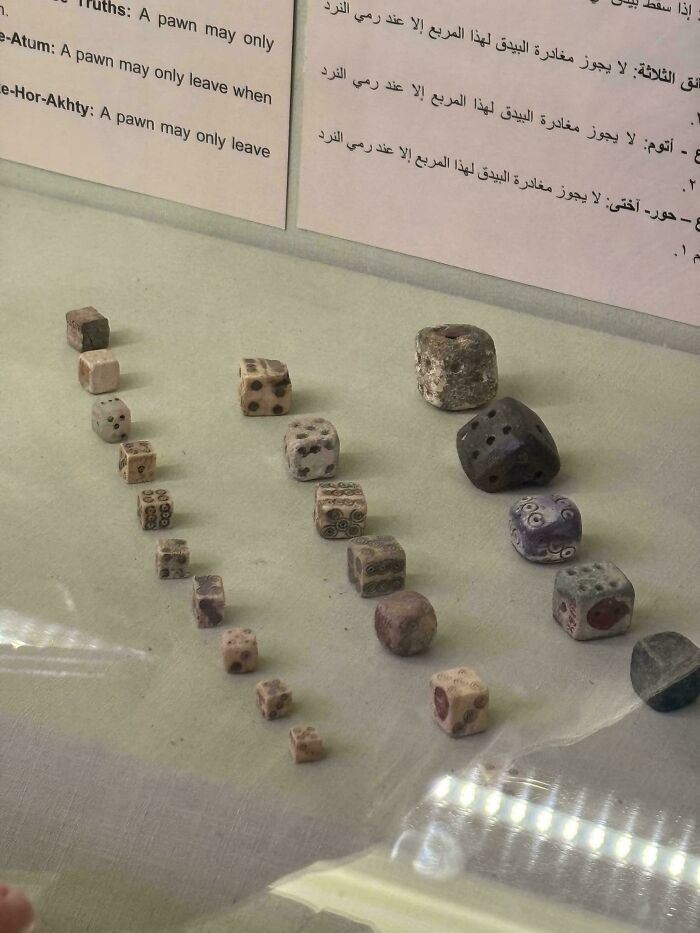
Image source: Spicytoiletpaper
#57 Box. Circa 1279–1213 B.c. Period: New Kingdom, Ramesside Dynasty
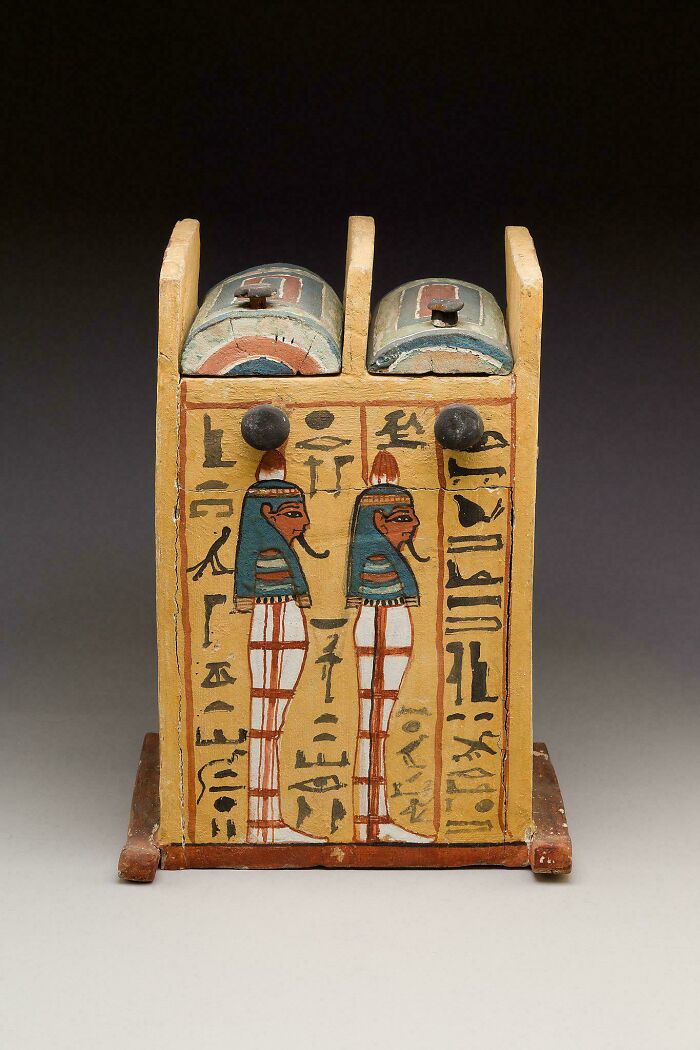
Image source: Handicapped-007
#58 From The Roman Catacombs In Alexandria
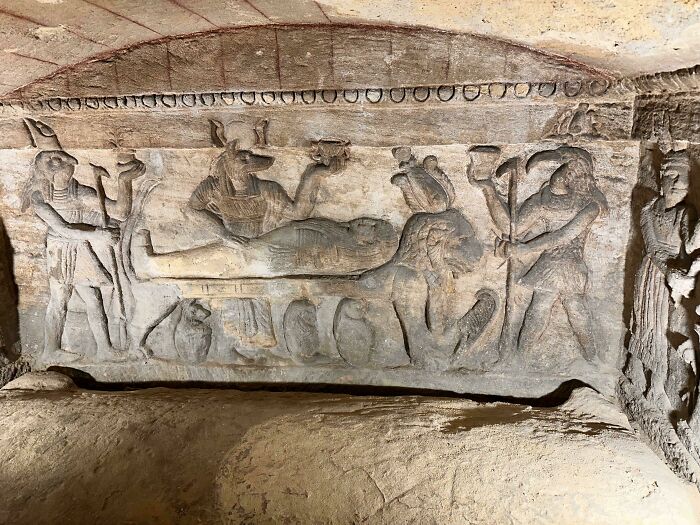
Image source: refbass
#59 Hathor Temple
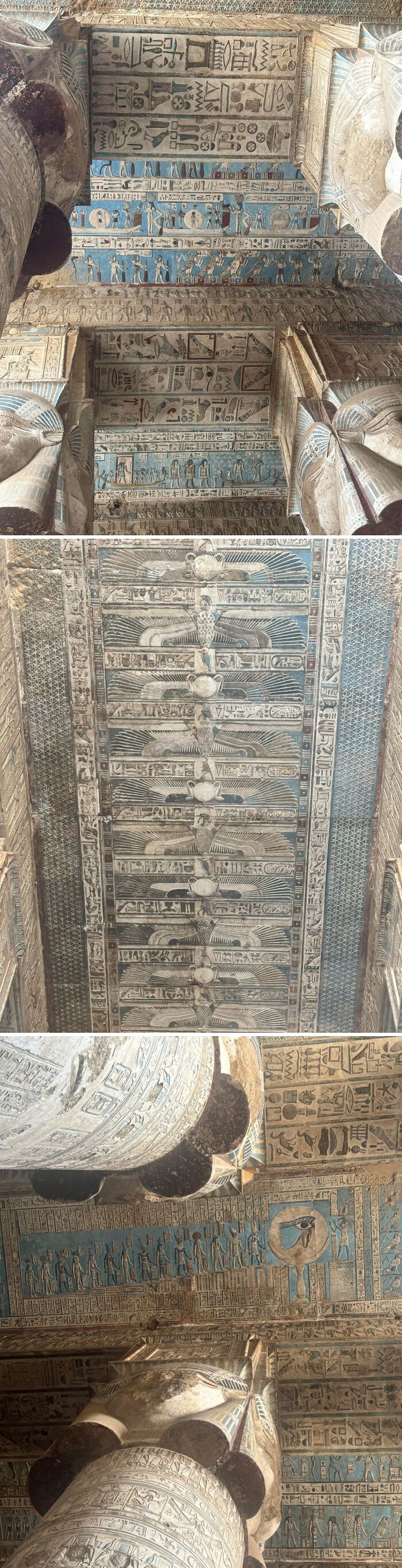
Image source: Spicytoiletpaper
 Follow Us