Hollywood loves a safe bet, especially when it comes to choosing filmmakers. Studios typically hire directors who’ve already proven they can handle multi-million-dollar budgets, and all that it entails, without becoming nervous wrecks. But sometimes, they throw that playbook out the window. They go for someone whose entire filmography consists of a short film shot on a phone, a horror flick made for less than a used car, or a YouTube channel run from a garage.
Sometimes, that decision backfires spectacularly. But when it works, it has produced some of the best movies ever put on screen. The 6 filmmakers below all made that leap from practically no budget to studio-sized stakes, often in the span of a single project. Some got there through festival buzz; others managed the same feat through sheer internet chaos. Their breaks prove that low-budget beginnings don’t have to cap what comes next.
Curry Barker
Curry Barker’s rise might be the most absurd one on this list. He made a short horror film titled Milk & Serial for just eight hundred dollars. For a year, he couldn’t find any distributor, so he did what most frustrated artists do and put the movie on YouTube for free in the hopes that someone, anyone, would click play. People did. A lot of people. Enough that a studio gave him $750,000 to make another horror movie called Obsession.
His feature length debut premiered at the Toronto Film Festival, and Focus Features bought it off him for around $14 million. The movie went on to gross over $300 million worldwide. Blumhouse signed him up next for the horror-comedy Anything But Ghosts, which has Aaron Paul and Bryce Dallas Howard in supporting roles. But his rise isn’t stopping there. A24 just handed him the keys to a full reboot of The Texas Chainsaw Massacre. Not bad for a guy who used to make sketches for his That’s a Bad Idea YouTube channel years back.
Danny Philippou and Michael Philippou
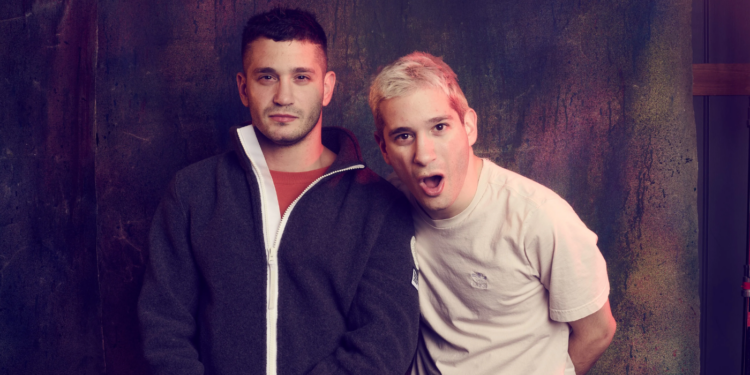
Here’s the short version for anyone who’s never watched a RackaRacka video: two Australian twins set each other on fire, fake their own decapitations, and generally act like they have zero regard for personal safety. It’s controlled chaos, but it’s also the kind of stuff that makes parents wince and teenagers howl with laughter. Somehow, they channeled that unhinged energy into their feature debut, Talk To Me, a low-budget horror movie about a séance that goes horribly wrong.
A24 picked it up, released it in theaters, and watched it become a genuine box office hit, raking in $92 million worldwide. The twins walked off with a franchise platform off that one project, proof that what worked well in a backyard on YouTube works just as well in theaters. Their follow-up, Bring Her Back, stars Oscar-nominated Sally Hawkins.
Nia DaCosta
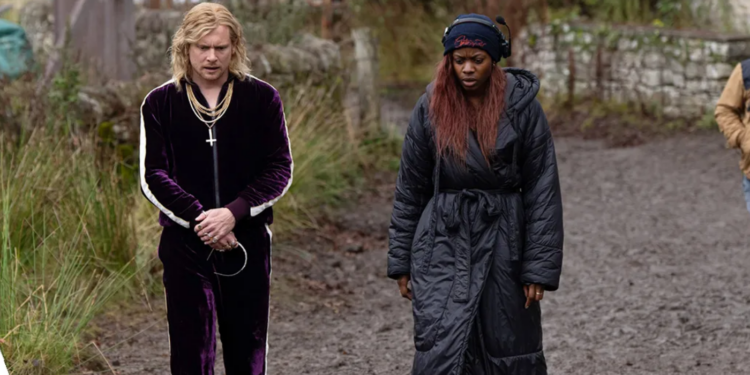
Almost nobody saw Little Woods when it came out. Directed by Nia DaCosta, this quiet, micro-budget indie drama won a prize at Tribeca and impressed critics. However, it’s the kind of movie most people never hear about outside festival circles. But luckily for DaCosta, Jordan Peele was among the small circle of people who saw it, and when he needed a director for Candyman, he remembered her.
That movie did well enough that Marvel Studios came calling. They handpicked her for The Marvels, a privilege that made her both the youngest and the first black woman to helm an MCU movie. That’s a wild jump for someone whose audience up to that point included just a handful of festival-goers and their plus-ones. DaCosta has since moved on to zombies, directing 28 Years Later: The Bone Temple, showing that she can handle delicate character work and full-scale carnage with equal control.
Gareth Edwards
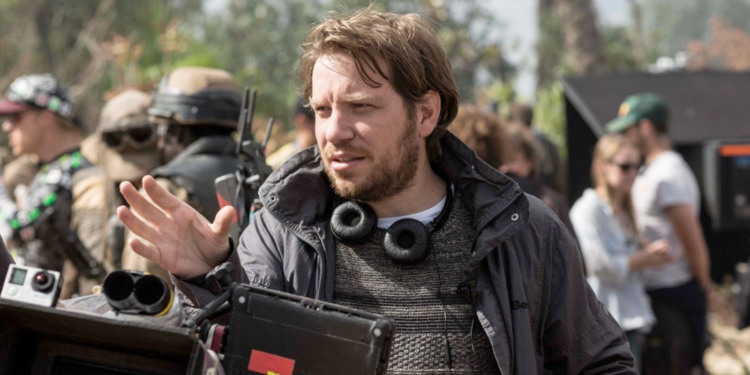
Gareth Edwards did the visual effects for his sci-fi debut, Monsters, by himself, on a laptop, in his bedroom. Why? There was no one else to do it, and he didn’t have the budget to pay them anyway. Normally, that’s the recipe for disaster. But somehow, it looked good enough for Legendary Pictures to skip veteran directors and hand Edwards $160 million to make Godzilla, a movie about a 200-foot-lizard stomping cities into dust. Most directors spend decades working up towards a budget like that. Edwards did it with one movie, going from bedroom VFX guy to blockbuster director without a single mid-budget film in between to ease the transition.
Colin Trevorrow
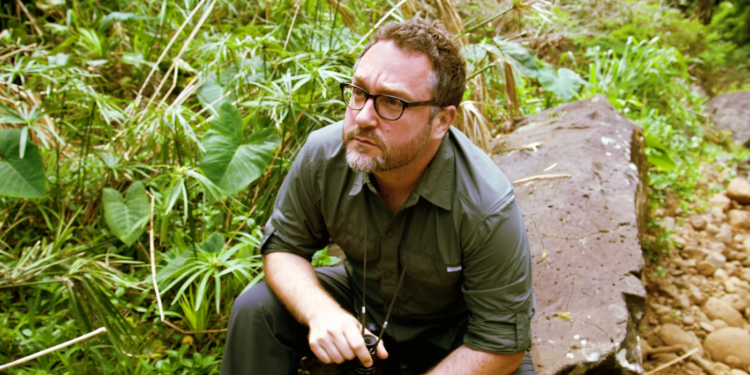
Colin Trevorrow’s Safety Not Guaranteed cost around $750,000 to make. That’s basically what a bigger movie would set aside for things like craft services. The quirky, little movie told a story about a guy who claims he can build a time machine and places a classified ad for a partner to join him. Critics liked it, and it punched well above its weight at the box office, but it stayed a modest specialty release.
One audience member mattered more than all the box office returns combined: Steven Spielberg. He noticed how Trevorrow built character and real stakes out of almost nothing, and handed him the keys to Jurassic World for his very next movie. The movie opened to one of the biggest weekends in box office history, and Trevorrow has stuck with the franchise ever since.
Read Next: Top 5 Micro Budget Movies With Massive Box Office Success
 Follow Us