James Van Der Beek, the American actor best known for playing Dawson Leery in Dawson’s Creek, died at 48 after a battle with cancer. His death marked the loss of a performer whose face became inseparable from late-1990s teen television, when emotional confession, coming-of-age pain, first love, friendship, and small-town longing became appointment viewing for a generation. Van Der Beek did not just play a teenager with a dream. He became one of the defining faces of WB-era youth drama.
For many viewers, Dawson Leery was the sensitive film-obsessed boy from Capeside who wanted life to feel like the movies. For others, Van Der Beek later became the actor who learned how to laugh at his own fame, parody his public image, take sharper supporting roles, and keep finding new ways to stay culturally visible after early stardom. His career carried the strange burden of becoming iconic very young, then having to grow in public beyond the character that made him famous.
Who Was James Van Der Beek?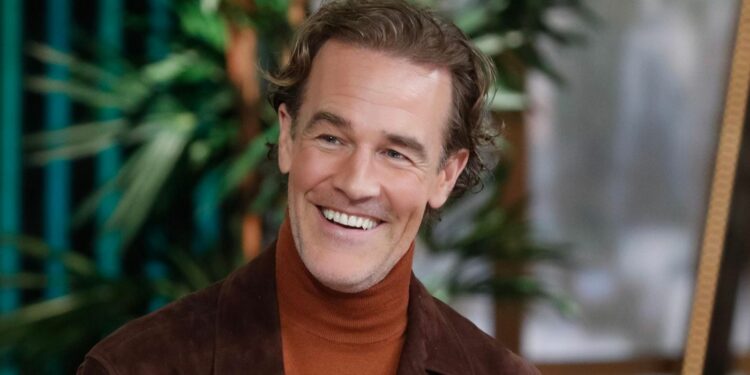
James Van Der Beek was born in Connecticut and began acting before television made him famous. His early work included stage experience and film roles, but his life changed when he was cast as Dawson Leery in Dawson’s Creek. The series premiered in 1998 and quickly became one of the defining teen dramas of its time, built around Dawson, Joey, Pacey, Jen, and the emotional language of young people trying to understand love, ambition, betrayal, sex, friendship, and adulthood.
Van Der Beek’s performance worked because Dawson could be sincere, frustrating, idealistic, self-absorbed, romantic, and wounded all at once. He was not designed as a perfect hero. He was a teenager who wanted to direct his life like a movie and kept learning that real people did not follow his script. Van Der Beek gave him enough vulnerability to make the character memorable, even when Dawson made choices viewers debated for years.
That complicated relationship with fame became part of Van Der Beek’s larger story. He carried one of teen television’s most recognizable roles, then slowly turned that recognition into something more flexible. He appeared in comedies, dramas, thrillers, reality competition television, sitcoms, and self-aware projects that showed he understood the power and absurdity of his own celebrity image.
| James Van Der Beek at a Glance | Details |
|---|---|
| Full Name | James David Van Der Beek |
| Age | 48 |
| Best Known For | Playing Dawson Leery in Dawson’s Creek |
| Breakout Role | Dawson Leery, the aspiring filmmaker at the center of Dawson’s Creek |
| Major TV Work | Dawson’s Creek, Don’t Trust the B—- in Apartment 23, CSI: Cyber, Pose |
| Major Films | Varsity Blues, The Rules of Attraction, Texas Rangers, Jay and Silent Bob Strike Back |
| Legacy | A defining teen-drama star remembered for sincerity, self-awareness, emotional vulnerability, and lasting pop-culture visibility |

Why Dawson’s Creek Made Him a Teen TV Icon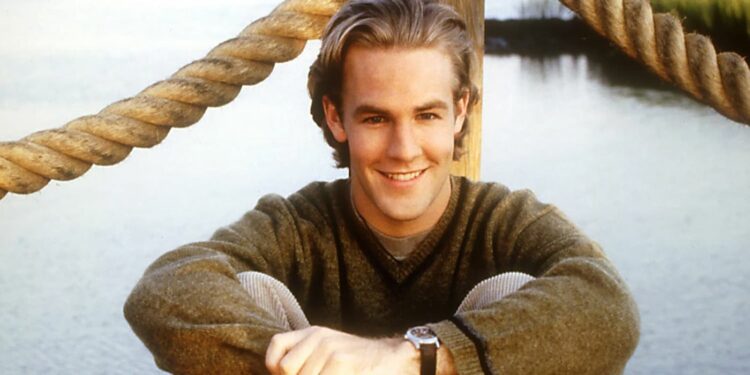
Dawson’s Creek made James Van Der Beek famous because the show arrived at the exact moment teen television was becoming more emotionally direct, more talk-heavy, and more self-conscious. Dawson Leery was not an action-driven protagonist. He was a dreamer, a talker, a movie obsessive, and a teenager who believed feelings could be analyzed until they made sense. That made him perfect for the show’s world.
Van Der Beek gave Dawson a kind of earnestness that became both the character’s strength and weakness. He could make Dawson’s pain feel real, especially when the character was dealing with Joey, Pacey, or the fear that his childhood dreams were slipping away. At the same time, he allowed Dawson’s blind spots to show. That is why the character stayed discussed long after the series ended. Viewers did not always agree with Dawson, but they remembered him.
The show also made Van Der Beek part of one of television’s most enduring love-triangle conversations. Dawson, Joey, and Pacey became a central piece of teen-drama history, and Van Der Beek’s role in that triangle kept him tied to the genre forever. Even people who never watched every episode knew what Dawson represented: longing, nostalgia, film-school dreams, and the messy ache of growing up.
The Roles That Showed Another Side of Him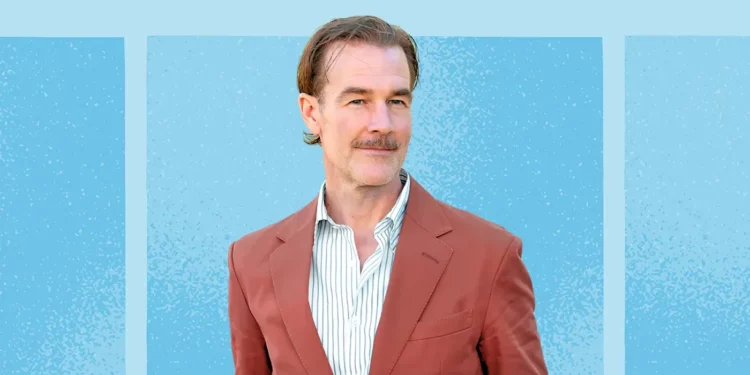
After Dawson’s Creek, Van Der Beek made one of his sharpest career moves by refusing to take himself too seriously. In Don’t Trust the B—- in Apartment 23, he played a fictionalized version of himself, turning old fame, celebrity awkwardness, and public perception into comedy. The role worked because he seemed fully aware of the Dawson shadow and willing to twist it into something funny, strange, and self-mocking.
He also took darker and more adult roles that pushed against his teen-idol image. The Rules of Attraction gave him a colder, more cynical character, while Varsity Blues became another major late-1990s youth-culture title connected to his name. Later television work in CSI: Cyber and Pose kept him active across very different genres. He was not always chasing the same kind of role, which helped him avoid becoming frozen in one decade.
His public life also became part of how fans understood him. Van Der Beek spoke openly about family, grief, health, and the difficulties that come with fame and personal loss. That openness made him feel less like a former teen star trying to preserve an image and more like someone who had lived through the strange emotional cost of being recognized young. He aged out of Dawson by becoming more honest, more playful, and more grounded.
Why James Van Der Beek’s Legacy Will Last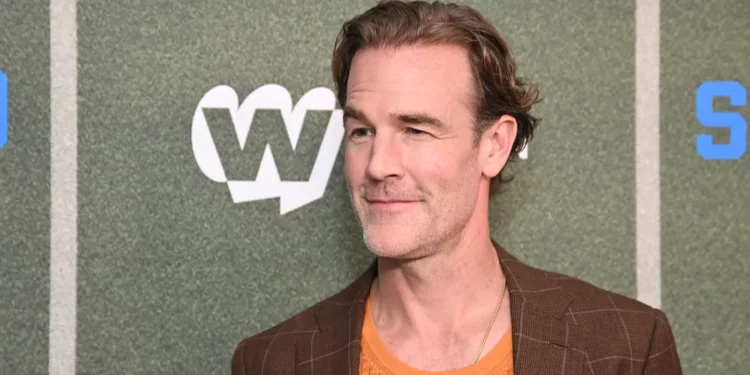
James Van Der Beek’s legacy will last because Dawson’s Creek still occupies a major place in teen television history. The show helped shape the emotional vocabulary of an era, and Dawson Leery remains one of its most recognizable characters. His crying meme became internet shorthand. His monologues became part of TV nostalgia. His friendship and romantic arcs helped define how late-1990s teen dramas talked about love and identity.
But Van Der Beek’s legacy is not only about nostalgia. It is also about what he did with nostalgia after it could have trapped him. He learned to play against himself. He let audiences laugh with him. He took roles that complicated the clean teen-heartthrob image and showed that he understood how strange fame can be when one character follows you for the rest of your life.
Remembering James Van Der Beek means remembering an actor who became famous for sincerity and later survived by developing self-awareness. He gave a generation one of its defining teen-drama faces, then spent years proving there was a thoughtful, funny, resilient performer beyond that one role. For millions, he will always be Dawson staring toward a future he hoped would look like cinema. For television history, he will remain one of the essential faces of a genre that taught young audiences to take their feelings seriously.
 Follow Us