With nine nods at the 2026 Oscars, Marty Supreme tied for third place among the most-nominated films of the night. It shared this position with Guillermo del Toro’s Frankenstein and Joachim Trier’s Sentimental Value. While these two films went home with some trophies, Marty Supreme fell flat on its face.
After years of climbing the Hollywood ladder, it seemed like Josh Safdie had finally been lifted from the neon-lit indie-sphere to the prestige of acclaimed blockbuster territory, with the film becoming A24’s highest-grossing film of all time, surpassing $147 million in worldwide ticket sales. Fans and critics alike held their breath as the categories were announced, some of them expecting a dominant sweep for Marty Supreme. However, it went home completely empty handed. So, what went wrong? Let’s take a look.
Was Marty Supreme Too Chaotic?
The nine nominations prove that the Academy finally recognized Josh Safdie’s unique cinematic language, yet the total shutout suggests they may still be hesitant to actually reward it. For years, alongside his brother Benny Safdie, Josh has been crafting frenetic, anxiety-inducing cinema that creates a restless captivation. Movies like Good Time and Uncut Gems resonated with audiences and critics but were completely shut out of the Academy Awards.
With Marty Supreme, Josh Safdie brought that same frenzied energy to the world of 1950s table tennis, effectively turning a sports drama into a massive sensory overload. Seeing as the Academy have a penchant for sports dramas, this could be what got Safdie in this year. Walking into this film blind or only having watched the trailer, you’d never guess that what unfolds involves gangsters, explosions, missing dogs, and rather gruesome deaths. This unique blending of themes is also what could have garnered the film its nine nominations. However, this same intensity might have been its downfall with more traditional Oscar voters, who historically prefer more “polished” winners over Safdie’s “panic attack” brand of cinema.

The ‘Good Time’ Scandal Explained
The “awards season smear” is a brutal and long-standing custom in Hollywood. In order to ensure that the scandal is still fresh in voters’ minds when they sit down to choose a winner, strategists frequently wait until the final voting session – which spanned from February 26 to March 5 this year – to leak damaging information. Just like the attacks on A Beautiful Mind or the resurfaced social media posts that plagued Emilia Pérez in 2025, Marty Supreme became a target once it secured its nine nominations.
In late January 2026, a blistering report from Page Six brought a buried 2017 controversy back to the surface. According to the story, a 17-year-old girl was allegedly put through a simulated sex scene on the set of Good Time, where a non-professional actor allegedly exposed himself and made obscene comments while the cameras were still rolling. The scene was cut from the movie and Josh and Benny went on to make Uncut Gems with Adam Sandler. This is interesting as when the story resurfaced, it was alluded that the controversy is what made the brothers part ways creatively, despite Uncut Gems coming two years after Good Time.
Timothée Chalamet and the “Ballet Backlash”
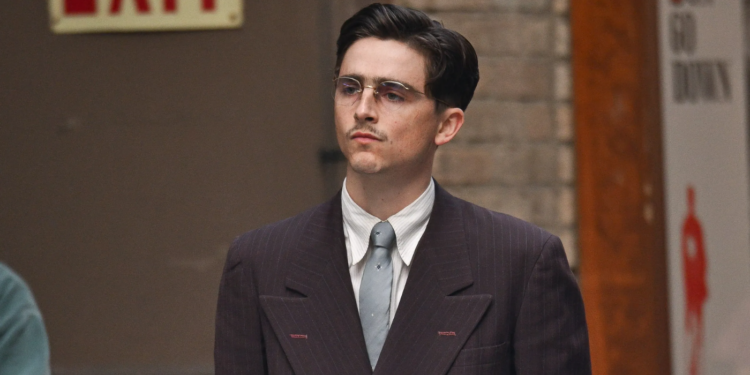
Despite the drama around Josh Safdie, early in the race, many had Timothée Chalamet down as a strong contender for Best Actor. This was his third Best Actor nod and this role felt like his moment. While there are multiple characters in the film, Chalamet dominates the picture with seismic screen presence, near-enough appearing in every scene. Ultimately, he lost out to Michael B. Jordan for Sinners. While many may say the better thespian won, others would point to Chalamet not being careful with his words in the lead up to the ceremony.
A significant narrative from the night was the fallout from Chalamet’s press comments in the lead up to the Oscars. Comments that would seep into the ceremony itself. During a sit-down interview with Matthew McConaughey at the University of Texas, Chalamet drew sharp criticism for saying “no one cares” about ballet and opera. While some social media users agreed on the lack of mainstream popularity, many others defended the vibrancy of the art forms. However, the arts community reacted most strongly, and host Conan O’Brien even joked in his opening monologue about needing extra security to protect Chalamet from “attacks” by ballet and opera fans. While some voters likely decided before the comments, the “anti-opera” speech became a focal point of the film’s perceived lack of momentum.
Read Next: The Oscars Are Finally Embracing Horror Movies: Here’s Why
 Follow Us