Undoubtedly, Tim Roth‘s 1999 film The War Zone remains one of the most significant drama-thrillers of the late 1990s. With few films carrying the emotional weight of The War Zone, the film challenges viewers but rewards them with honest storytelling. Although it marked Tim Roth’s directorial debut, its reach remains surprisingly limited. The War Zone was released in late 1999 with little promotional push, partly due to its heavy themes.
Although critics praised the film’s courage, audiences stayed away because the story is difficult and painful. Despite its modest visibility, The War Zone stands as one of the bravest entries in the genre. Adapted from Alexander Stuart‘s 1989 novel, Tim Roth didn’t soften the material, choosing honesty over comfort. His approach created a drama thriller that felt raw, unsettling, and unforgettable.
The War Zone’s Plot
The War Zone follows Tom (Freddie Cunliffe), a teenage boy who has recently moved with his family from London to a remote area of Devon, South West England. The new environment feels isolated and cold, and Tom struggles to adjust. As he observes the strained dynamics within his home, he begins to sense that something is deeply wrong. His unease grows when he notices unsettling behavior between his father (Ray Winstone) and his older sister, Jessie (Lara Belmont).
Tom soon uncovers a disturbing secret that reveals the true reason behind the tension in the house. The discovery shatters his understanding of his family and forces him to confront the painful reality of what Jessie has endured. The War Zone follows Tom as he tries to process the truth while wrestling with fear, anger, and confusion. Tom’s search for answers pushes him toward a heartbreaking confrontation that exposes the emotional trauma hidden behind the family’s long-kept secret.

Tim Roth’s Directorial Debut Was a Film Few Others Would Attempt
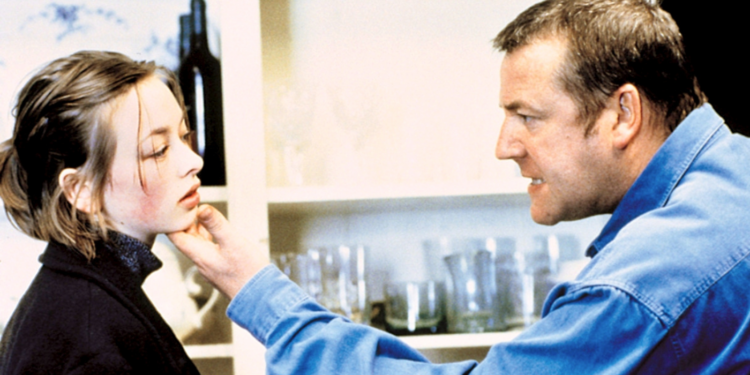
Having had a successful acting career, Tim Roth entered The War Zone project with a clear focus. He wanted to make a film that respected the story’s seriousness. While many directors avoid materials this heavy, Roth tackled it with steady intent. He built the film around long, controlled scenes that show the characters’ emotional strain. This gave the story space to breathe while avoiding sensationalism.
Tim Roth also pushed for authenticity across every detail. He worked closely with author Alexander Stuart, who also wrote the film’s screenplay. Their collaboration ensured that the film stayed faithful to the book’s emotional depth. Roth cast young actors in roles many filmmakers would avoid. This choice made the story feel more troubling but also more truthful. The movie also starred Tilda Swinton and Colin Farrell.
The War Zone’s Young Cast Delivered Stunning Performances
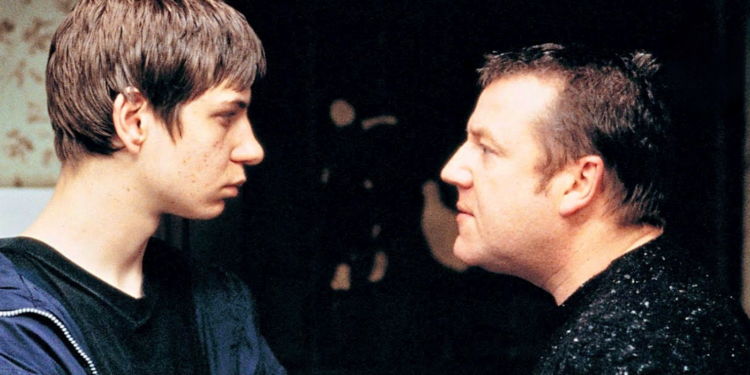
The War Zone stars Freddie Cunliffe as its protagonist. At the time, Cunliffe had no major acting experience before being cast. Yet, his performance carries deep emotional force, conveying viewers’ shock, disgust, and anger. Cunliffe’s quiet reactions and haunted expressions guide the audience through his confusion. The role demanded bravery, and Cunliffe delivered it with a natural, grounded style.
Like Freddie Cunliffe, The War Zone was Lara Belmont’s acting debut, yet she also gave one of the decade’s most overlooked performances. Belmont conveyed fear, loyalty, and pain with remarkable control. Her scenes with Cunliffe revealed the fragility of their bond. The chemistry between the two anchors the story in realism rather than melodrama.
Interestingly, Ray Winstone’s real-life daughter, Jaime Winstone, was the producers’ initial choice to play Jessie. For obvious reasons, Ray Winstone refused to have his daughter play Jessie. Even with Lara Belmont playing the character, Winstone later admitted that the film’s bunker scene was the most difficult for him during filming.
The War Zone’s Hard Themes Limited Its Reach But Strengthened Its Legacy
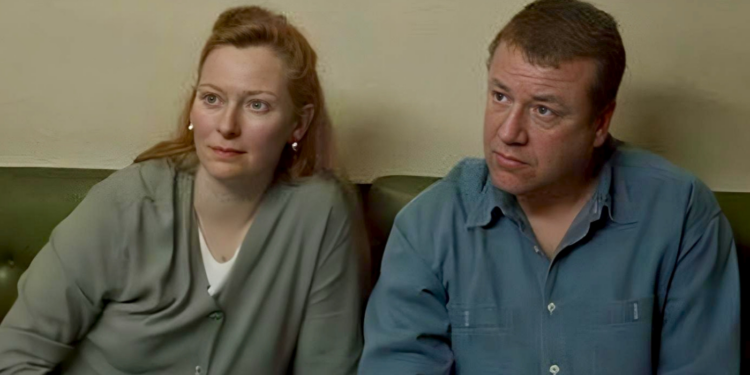
In all honesty, the main reason The War Zone never reached a wide audience is its disturbing subject matter. The story deals directly with abuse inside a family. With Tim Roth refusing to sensationalize the events, the story’s emotional weight remained intense and intact.
Unsurprisingly, many viewers found the film too difficult to watch. This reaction kept it from gaining mainstream attention. However, in retrospect, The War Zone’s seriousness helped secure its long-term respect among critics. Over time, its reputation grew through word of mouth and festival screenings. Today, Tim Roth’s The War Zone is often cited as one of the most powerful British dramas of its era.
 Follow Us